- Company Articles
- Products and Technology
- Installation And Maintenance
- How to Extend Lifespan of 38 Aluminum Roller Track Yellow with Wheel Flange

How to Extend Lifespan of 38 Aluminum Roller Track Yellow with Wheel Flange
Related Product
38 Aluminum Roller Track Yellow with Wheel Flange
Heavy duty roller tracks, aluminum frame with plastic wheel, one side with guide keeps goods and materials on the track to prevent bin move to other direction.Aluminum frame makes the rail ani-corrision when the environment are humid.
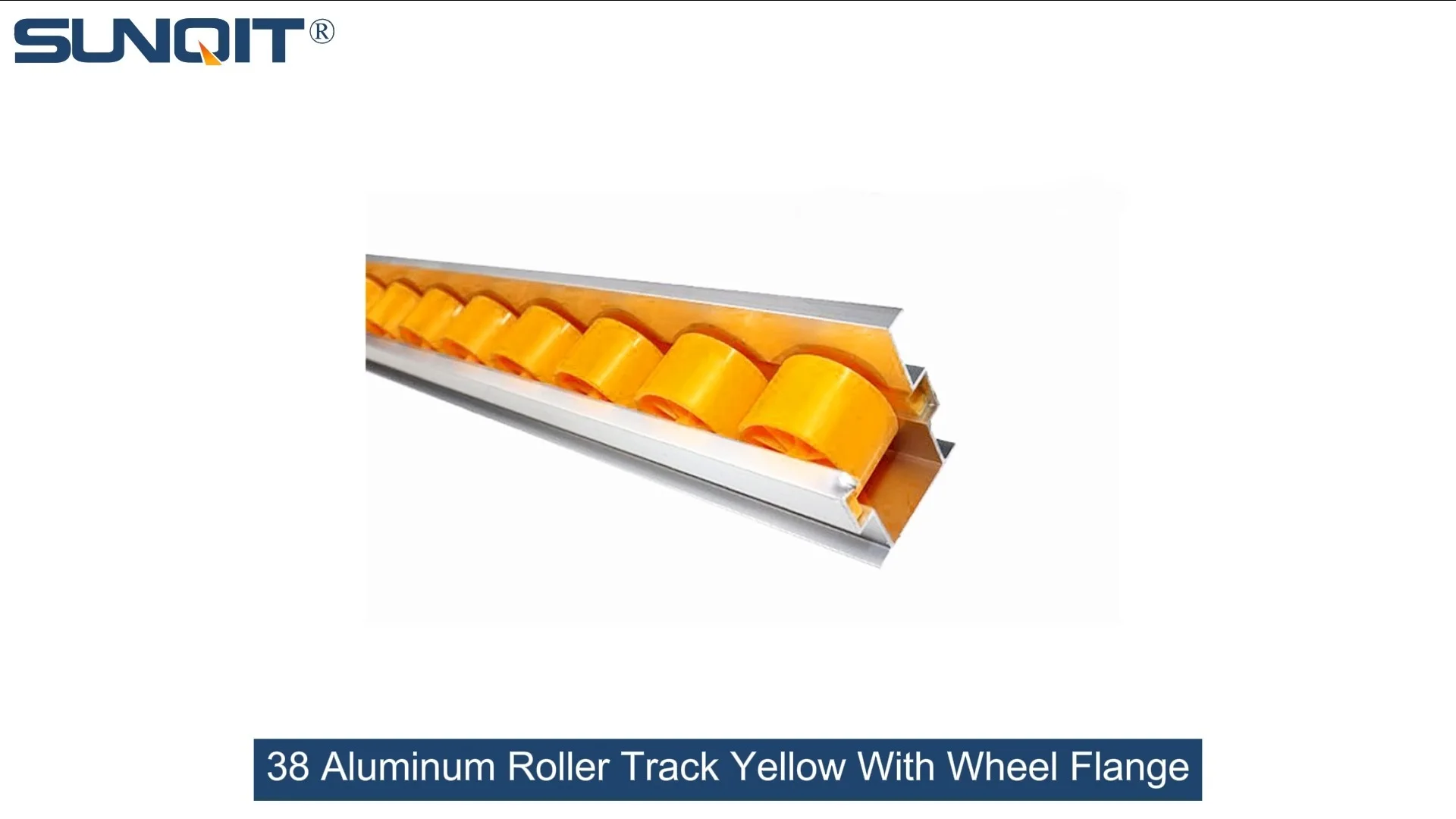
If you've ever worked in a manufacturing or warehouse setting, you know how crucial reliable material handling equipment is. The 38 aluminum roller track yellow with wheel flange is one of those unsung heroes—quietly moving parts, components, and products from one station to another day in and day out. Whether it's part of a lean pipe-based production line or a standalone material flow system, this track is designed to handle constant use. But like any hardworking tool, it doesn't last forever on its own. Extending its lifespan isn't just about cutting costs; it's about keeping your operations running smoothly, reducing unexpected downtime, and sticking to the lean principles that many modern factories rely on.
In this guide, we'll dive deep into everything you need to know to keep your 38 aluminum roller track in top shape. From daily maintenance routines to proper installation tips, we'll cover all the bases. We'll also talk about how using the right aluminum profile accessories and following best practices can make a huge difference in how long your track lasts. Let's get started.
Understanding the 38 Aluminum Roller Track Yellow with Wheel Flange
Before we jump into maintenance tips, let's take a moment to understand what makes this track special. The 38 aluminum roller track yellow with wheel flange is built for durability and functionality. Its aluminum construction means it's lightweight yet strong enough to handle heavy loads. The yellow color isn't just for aesthetics—it's for visibility, helping workers spot the track easily in busy environments. The wheel flanges are a key feature too; they keep materials from slipping off the track, which is essential for safety and efficiency.
This track is often used in lean pipe systems, where it works seamlessly with other components like aluminum guide rails and roller track connectors to create custom material flow solutions. Whether you're moving small parts in a 3C assembly line or larger items in a warehouse, this track is designed to adapt to your needs. But to get the most out of it, you need to take care of it properly.
Daily Maintenance Practices
Daily maintenance is the foundation of extending your roller track's lifespan. Small, consistent efforts can prevent big problems down the line. Let's break down the key tasks you should include in your routine.
1. Regular Cleaning
Dust, dirt, and small debris are the enemies of any roller track. Over time, these particles build up between the wheels and the track surface, causing friction that wears down components faster. To keep your track clean:
- Use a soft brush or microfiber cloth to wipe down the track surface and wheel flanges every day. This removes loose debris before it can get stuck.
- For stubborn grime, use a mild detergent mixed with warm water. Avoid harsh chemicals like bleach or abrasive cleaners—they can corrode the aluminum or damage the wheel material.
- Pay extra attention to the wheel flanges. Debris here can cause materials to stick or slip off the track, leading to accidents or damage.
2. Proper Lubrication
Lubrication reduces friction between moving parts, which is critical for extending lifespan. But not all lubricants are created equal. Here's what you need to know:
- Choose silicone-based lubricants. They don't attract dust like oil-based lubricants do, so they keep your track running smoothly without building up gunk.
- Apply a small amount of lubricant to each wheel's axle and the track's contact points. Don't overdo it—too much lubricant can drip onto products or create a slip hazard.
- Run the track a few times after lubricating to distribute the product evenly across all components.
3. Routine Inspections
Regular inspections help you catch small issues before they turn into big problems. Set aside time each week to check the following:
- Wheel Flanges: Look for signs of wear, like cracks or dents. If a flange is worn down more than 10% of its original thickness, it's time to replace it.
- Roller Track Connectors: Check if any connectors are loose. Tighten them to the manufacturer's specifications—loose connectors can cause misalignment and premature wear.
- Track Alignment: Ensure the track is straight and level. Misaligned tracks put extra stress on wheels and flanges, leading to faster wear.
- Caster Wheels (if applicable): If your track is part of a mobile workstation, check the caster wheels. Make sure they're properly lubricated and free from debris to prevent wobbling that could stress the track.
| Maintenance Task | High Usage (Daily 8+ Hours) | Medium Usage (Daily 4-8 Hours) | Low Usage (Daily <4 Hours) | Notes |
|---|---|---|---|---|
| Surface Cleaning | Daily | Every 2 Days | Weekly | Focus on wheel flanges and track gaps |
| Lubrication | Weekly | Bi-Weekly | Monthly | Use silicone-based lubricant only |
| Connector Inspection | Weekly | Bi-Weekly | Monthly | Tighten loose connectors immediately |
| Wheel Flange Check | Weekly | Monthly | Every 2 Months | replace worn flanges promptly |
| Track Alignment | Monthly | Every 2 Months | Quarterly | Use a level tool for accuracy |

Proper Installation Tips
Even the best maintenance routine can't fix a poorly installed track. Getting the installation right from the start is key to extending its lifespan. Here are the top tips for proper installation:
1. Prepare a Stable Foundation
The track needs a solid, level foundation to perform well. If you're mounting it on a lean pipe workbench or material rack, make sure the structure is stable and free from wobble. A shaky foundation can cause misalignment and stress on the track components over time.
2. Use the Right Aluminum Profile Accessories
Using the correct accessories is non-negotiable. Roller track connectors, aluminum guide rails, and other components should be designed specifically for the 38 aluminum roller track. Generic parts may not fit properly, leading to loose connections or misalignment. All replacement parts are available as aluminum profile accessories from reliable suppliers, ensuring you get exact matches for your track.
3. Align and Level the Track
Take the time to align the track correctly. Use a spirit level to ensure the track is flat and straight. Even a small misalignment can cause materials to stick or slip off, and it puts extra stress on the wheels and flanges. If your track is part of a longer system, make sure each section is aligned with the next—gaps between sections can damage materials and wear down wheels.
4. Secure All Connections
Tighten all roller track connectors to the manufacturer's specifications. Don't over-tighten—this can strip the threads or damage the connectors. Use the right tools (like a torque wrench if recommended) to ensure a proper fit. Loose connectors are one of the most common causes of track failure, so this step is crucial.

Best Practices for Usage
How you use your track has a big impact on its lifespan. Follow these best practices to keep it running strong:
1. Respect Weight Limits
Every track has a maximum weight capacity. Check the manufacturer's specifications and never exceed this limit. Overloading the track can bend the aluminum frame, damage the wheels, or cause the flanges to break. For example, if your track is rated for 50kg per meter, don't stack 70kg of materials on it—this is a surefire way to shorten its lifespan.
2. Distribute Loads Evenly
Even if you're within the weight limit, uneven loads can cause problems. Place materials so that the weight is distributed across the entire track length. Concentrating weight on one spot puts extra stress on that section, leading to faster wear of wheels and flanges.
3. Handle Materials Gently
Avoid dropping materials onto the track. Sudden impacts can damage the wheels, flanges, or track surface. Instead, place materials carefully on the track and push or pull them gently. If you need to move heavy items, use a push tool to distribute the force evenly.
4. Keep Track of Usage Patterns
Pay attention to how your track is used. If certain sections get more traffic than others, you may need to inspect those areas more frequently. For example, if the first meter of the track handles most of the material flow, check the wheels and connectors there more often to catch wear early.

Troubleshooting Common Issues
Even with proper maintenance and usage, issues can arise. Here's how to fix some of the most common problems:
| Common Issue | Possible Causes | Recommended Fixes |
|---|---|---|
| Sticking Rollers | Debris in track gaps, lack of lubrication, misaligned wheels | Clean track and wheels; apply silicone lubricant; adjust wheel alignment |
| Loose Connectors | Vibration from constant use, improper installation | Tighten connectors to manufacturer specs; replace damaged connectors |
| Worn Wheel Flanges | Constant friction, overloading, misaligned track | replace flanges with new aluminum profile accessories; fix track alignment |
| Misaligned Track | Loose connectors, unstable foundation, uneven floor | Tighten connectors; adjust foundation; use shims to level track |
| Noisy Operation | Lack of lubrication, loose parts, worn wheels | Lubricate moving parts; tighten connectors; replace worn wheels |
When to replace Components
Knowing when to replace components is key to extending your track's lifespan. Here are some signs that a part needs to be replaced:
- Wheel flanges are cracked or worn down more than 10%.
- Rollers don't spin smoothly even after cleaning and lubrication.
- Connectors are stripped or damaged.
- Track surface has dents or bends that can't be fixed.
When replacing parts, always use genuine aluminum profile accessories. Generic parts may not fit properly, leading to more issues down the line. Reliable suppliers offer a wide range of replacement parts, so you can find exactly what you need.
Long-Term Sustainability and Lean Principles
Extending the lifespan of your 38 aluminum roller track isn't just about saving money—it's also about sustainability. The track is made of aluminum, which is reusable and recyclable. Instead of replacing the entire track when a part wears out, you can replace individual components like wheel flanges or roller track connectors. This aligns with the lean principles that many modern factories value—reusable, sustainable improvement.
Lean pipe systems are designed to be flexible and adaptable, and the 38 aluminum roller track is no exception. By maintaining your track properly, you can keep it in use for years, reducing waste and contributing to a more sustainable operation. This not only benefits your bottom line but also helps the environment by reducing the need for new materials.
Another way to extend lifespan is to use the track in line with lean principles. For example, if you're using the track in a 3C assembly line, design the material flow to minimize unnecessary movement. This reduces the stress on the track and keeps it running smoothly for longer.
Final Thoughts
The 38 aluminum roller track yellow with wheel flange is a workhorse in many manufacturing and warehouse settings. With proper maintenance, installation, and usage, you can extend its lifespan significantly. By following the tips in this guide—regular cleaning, lubrication, inspections, proper installation, and best practices for usage—you can keep your track running smoothly for years.
Remember, taking care of your track isn't just about fixing problems when they arise. It's about preventing issues before they start. Small, consistent efforts can make a huge difference in how long your track lasts, reducing downtime and keeping your operations efficient. So, take the time to implement these practices—your production line (and your wallet) will thank you.