- Company Articles
- Products and Technology
- Installation And Maintenance
- How to Extend Lifespan of Stainless Steel Swivel Roller Balls 1 Inch: Maintenance Guide

How to Extend Lifespan of Stainless Steel Swivel Roller Balls 1 Inch: Maintenance Guide
Related Product
Stainless Steel Swivel Roller Balls 1 Inch
Swivel roller ball casters are convenient and flexible to roll,high-speed and stable operation, used for rotating and changing the direction of the conveyor.Ball transfer unit is made of high quality carbon steel, anti-corrosion and wear resistance.
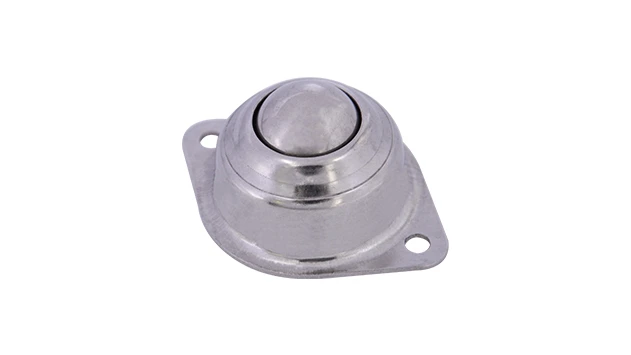
In the hum of a busy manufacturing facility, there's a small but mighty component working tirelessly behind the scenes: the 1 inch stainless steel swivel roller ball. These unassuming spheres might not grab headlines, but they're the unsung heroes of smooth material flow—whether they're nested in a roller track on an assembly line, supporting a workbench's sliding tray, or keeping products moving in a lean system. When they fail, production slows, frustration rises, and costs creep up. But with the right care, these little workhorses can outlast even the busiest production schedules. Let's dive into how to keep them rolling strong for years to come.
Why Your Roller Balls Deserve Attention
Think about a typical day on the factory floor: cartons glide along a roller track, components slide into place on a workstation, and parts move seamlessly from one station to the next. In nearly every one of these moments, 1 inch stainless steel swivel roller balls are hard at work. Their job? To reduce friction, distribute weight evenly, and keep materials moving with minimal effort. But here's the thing: they're exposed to dust, grease, temperature changes, and constant pressure—all of which take a toll over time.
Ignoring maintenance isn't just about replacing a few balls here and there. A stuck or worn roller can cause jams, scratch products, or even lead to uneven wear on the entire roller track. And in a lean system, where efficiency is king, those small disruptions add up fast. The good news? With a little proactive care, you can avoid these headaches and extend your roller balls' lifespan by 30% or more. Let's start with the basics.
1. Daily Inspection: Catch Problems Early
You wouldn't drive a car without checking the oil, right? The same logic applies to your roller balls. A quick daily inspection takes just 5 minutes and can save hours of downtime later. Here's what to look for:
| What to Check | What to Look For | Why It Matters |
|---|---|---|
| Visual Condition | Scratches, dents, or rust spots on the ball surface | Damage creates friction hotspots; rust weakens stainless steel over time |
| Smooth Rotation | Sticking, grinding, or uneven swiveling when gently pushed | Resistance means extra strain on the roller track and motor (if powered) |
| Mounting Stability | Loose or wobbly ball housings in the roller track | Unstable mounts cause uneven wear and can damage adjacent components |
| Debris Buildup | Dust, metal shavings, or product residue around the ball | Debris acts like sandpaper, accelerating wear on both the ball and track |
Pro tip: Assign this task to the operator who uses the equipment daily. They know the "normal" feel of the system and will notice subtle changes—like a slight squeak or a ball that doesn't spin as freely as it did yesterday—faster than anyone else.

2. Cleaning: Keep Them Free of Gunk
Even in the cleanest facilities, dust and grime find their way into the smallest spaces—including the nooks of your swivel roller balls. Over time, this buildup hardens into a gritty paste that gums up rotation. Regular cleaning is non-negotiable, but the method depends on how dirty they get.
Light Cleaning (For Low-Dust Environments)
If your roller track is in a controlled area (like a medical device assembly line), a weekly wipe-down with a microfiber cloth should suffice. Here's how: gently hold the ball with one hand to keep it steady, then wipe the surface in small circular motions. Pay extra attention to the gap between the ball and its housing—this is where dust loves to hide. For hard-to-reach spots, use a soft-bristled brush (an old toothbrush works great!) to dislodge debris.
Deep Cleaning (For Greasy or High-Dust Areas)
In environments like auto parts manufacturing or metal fabrication, oil, coolant, and metal shavings are par for the course. For these, you'll need a mild degreaser. Mix a solution of warm water and a few drops of pH-neutral dish soap (avoid harsh chemicals like bleach or ammonia—they can damage the stainless steel finish). Dip a cloth into the solution, wring it out well, and wipe each ball thoroughly. Afterward, dry immediately with a clean towel to prevent water spots. For stubborn grease, let the soapy cloth sit on the ball for 30 seconds before wiping—this breaks down the grime without scrubbing.
Pro tip: Never submerge the entire roller track or ball housing in water. This can damage internal components like bearings or cause rust in hidden areas. Stick to spot cleaning!

3. Lubrication: The Key to Silky-Smooth Movement
Even the best stainless steel roller balls need a little "elbow grease"—or rather, the right lubricant—to stay smooth. Think of it like lotion for your skin: it reduces friction and keeps things from drying out. But not all lubricants are created equal, and using the wrong one can do more harm than good.
Choosing the Right Lubricant
Steer clear of heavy greases—they attract dust and create a sticky mess. Instead, opt for a light machine oil or a dry-film lubricant. Here's a quick guide:
- Light Machine Oil: Ideal for most general-purpose roller tracks. Look for oils labeled "food-grade" if you're in the food/beverage industry, or "ESD-safe" for electronics manufacturing (to avoid static damage).
- Dry-Film Lubricant (PTFE-Based): Perfect for high-speed applications or environments where oil residue is a problem (like cleanrooms). It dries to a thin, slippery coating that doesn't attract dust.
- Silicone Spray: Great for preventing rust in humid environments, but use sparingly—it can leave a slippery residue on products if overapplied.
How to Apply Lubricant (The Right Way)
Less is more here. Over-lubricating leads to gunk buildup, which is just as bad as no lubrication. Follow these steps:
- Clean the roller ball and housing first (see Section 2)—you don't want to trap dirt under the lubricant.
- Apply a tiny drop of lubricant to the gap between the ball and its housing (not directly on the ball surface).
- Gently rotate the ball by hand for 10-15 seconds to spread the lubricant evenly inside.
- Wipe away any excess with a clean cloth—you should barely notice the oil is there.
Frequency depends on usage: in high-traffic areas (like a 24/7 production line), lubricate every 2 weeks. For lighter use (e.g., a workbench used in shifts), monthly is enough.
4. Troubleshooting Common Roller Ball Issues
Even with regular maintenance, problems can pop up. The key is to address them fast before they snowball. Here are the most common issues and how to fix them:
Issue: Roller Ball is Sticking or Squeaking
Possible Cause: Dried lubricant or debris buildup in the housing. Fix: Do a deep clean (Section 2) and reapply lubricant. If the squeak persists, check if the housing is bent—impact from a dropped heavy object can warp the metal, pinching the ball. In that case, replace the housing (it's cheaper than replacing the entire roller track!).
Issue: Ball is Wobbling in Its Socket
Possible Cause: Loose mounting screws or worn-out housing threads. Fix: Tighten the mounting screws with a torque wrench (over-tightening can strip threads!). If they keep loosening, apply a small amount of thread-locking compound (like Loctite) to the screws. If the threads are already stripped, replace the housing.
Issue: Surface Scratches or Pitting
Possible Cause: Abrasive debris (like metal shavings) or repeated impact. Fix: Minor scratches can be buffed out with a fine-grit stainless steel polish (follow the manufacturer's instructions). For deep pits or cracks, replace the ball—damaged surfaces create friction, which will wear out the roller track over time.
Issue: Uneven Wear Across Multiple Balls
Possible Cause: The roller track isn't level, causing some balls to bear more weight than others. Fix: Use a spirit level to check the track's alignment. Adjust the track supports until it's perfectly horizontal—this ensures weight is distributed evenly across all balls, preventing premature wear.
5. Installation & Handling: Start Strong to Stay Strong
Maintenance starts before the first use. How you install and handle your roller balls matters just as much as daily care. Here's what to keep in mind:
Installing New Roller Balls
When adding new 1 inch stainless steel swivel roller balls to a roller track or workbench, avoid these common mistakes: Forcing the ball into the housing —this can scratch the surface or damage internal bearings. Instead, align the ball with the housing opening and press gently until it clicks into place. Overcrowding the roller track —too many balls too close together cause them to rub against each other, increasing wear. Follow the roller track manufacturer's spacing guidelines (usually 2-3 inches apart for 1 inch balls).
Handling During Repairs or Replacements
When removing old balls, don't yank or pry them out with a screwdriver—this can bend the housing. Use a pair of needle-nose pliers to grip the ball firmly and twist gently while pulling. And always store spare roller balls in a clean, dry container (a sealed plastic bin works) to prevent dust or moisture damage before use.
6. Long-Term Care: Protecting Your Investment
Beyond daily and weekly tasks, there are a few long-term habits that will keep your roller balls going strong for years:
Keep a Maintenance Log
Jot down when you cleaned, lubricated, or replaced a ball. Over time, you'll spot patterns—like balls in a certain section of the roller track wearing out faster—and adjust your routine accordingly. A simple spreadsheet or even a notebook works great!
Train Your Team
Maintenance isn't just the technician's job. Teach operators to spot early warning signs: "If the roller track feels 'sticky' when you push a cart, let the supervisor know immediately." The more eyes on the equipment, the faster issues get fixed.
Upgrade When Needed
Stainless steel is durable, but nothing lasts forever. If you notice more than 10% of the balls in a roller track need replacement in a year, it might be time to upgrade to a heavier-duty model (e.g., balls with thicker walls or reinforced housings) if your production demands have increased.
Final Thoughts: Small Efforts, Big Rewards
Caring for 1 inch stainless steel swivel roller balls might seem like a small task, but it's the kind of detail that separates a smooth-running lean system from one plagued by downtime. These little components keep your production line moving, your team efficient, and your costs in check. By taking 5 minutes a day to inspect, a few minutes a week to clean, and a little time each month to lubricate, you're not just extending their lifespan—you're investing in the heart of your operation.
So the next time you walk past that roller track or workbench, take a second to appreciate those spinning balls. With a little care, they'll keep rolling—and so will your success.