- Company Articles
- Products and Technology
- Installation And Maintenance
- How to Extend the Lifespan of Three Way Aluminum Pipe Joints: Maintenance Best Practices

How to Extend the Lifespan of Three Way Aluminum Pipe Joints: Maintenance Best Practices
Related Product
Three Way Aluminum Pipe Joint
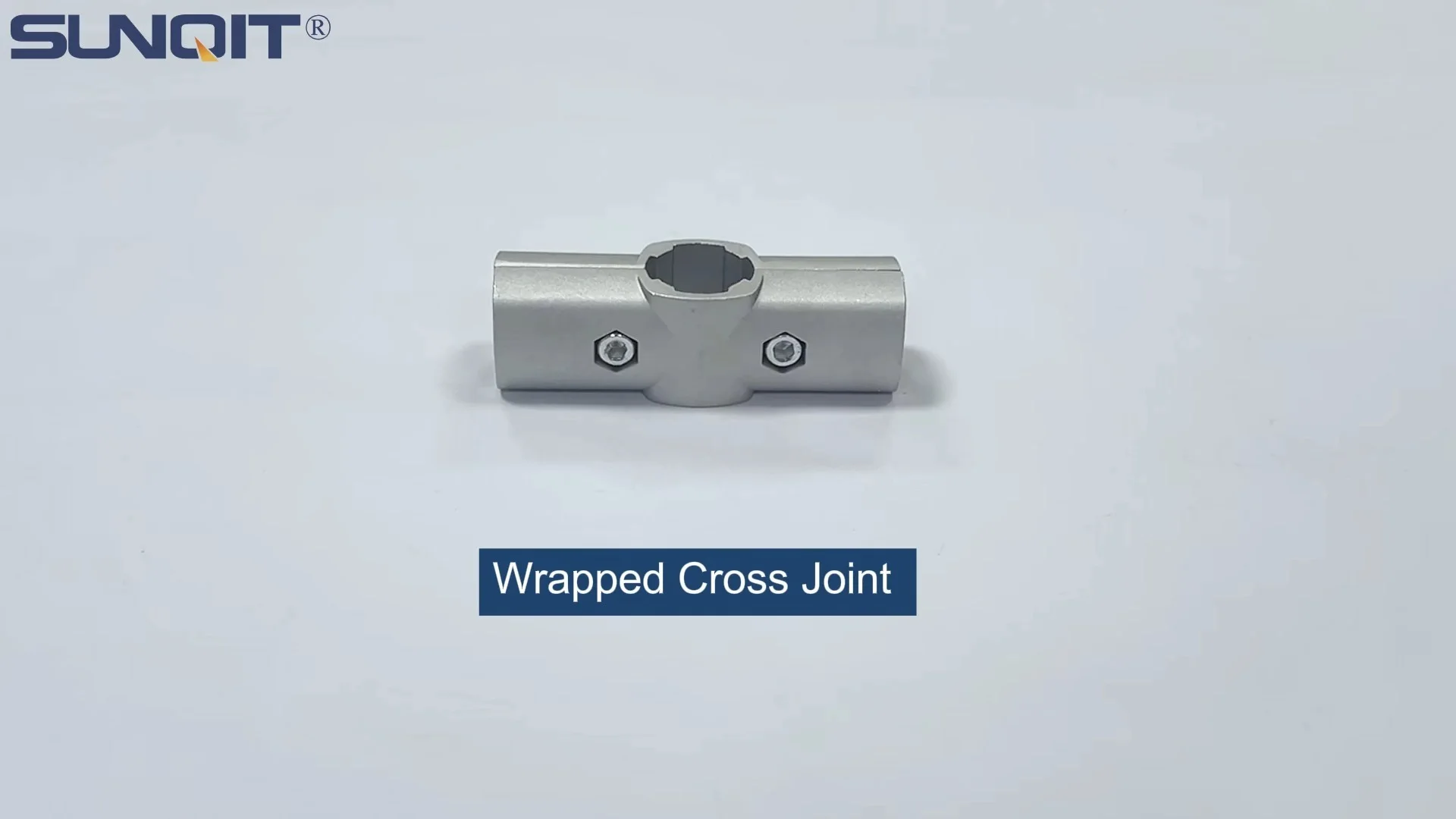
Aluminum 3 way pipe joint for 28mm aluminum pipe connection in 3 direction.
In the world of manufacturing, warehousing, and lean system setups, it's often the smallest components that keep everything running smoothly. Take the three way aluminum pipe joint, for example. These unassuming T-shaped connectors might not grab headlines, but they're the backbone of countless structures—from sturdy workbenches to multi-tiered material racks, and even the framework of lean systems that optimize workflow. Yet, despite their importance, they're easy to overlook when it comes to maintenance. Letting them wear down unchecked can lead to wobbly workstations, sagging material racks, and even safety hazards. The good news? With a little care and attention, you can significantly extend their lifespan, reduce downtime, and keep your operations running like a well-oiled machine. In this guide, we'll walk through everything you need to know about maintaining three way aluminum pipe joints, from understanding their design to implementing a practical maintenance routine.
1. Understanding Three Way Aluminum Pipe Joints: More Than Just a Connector
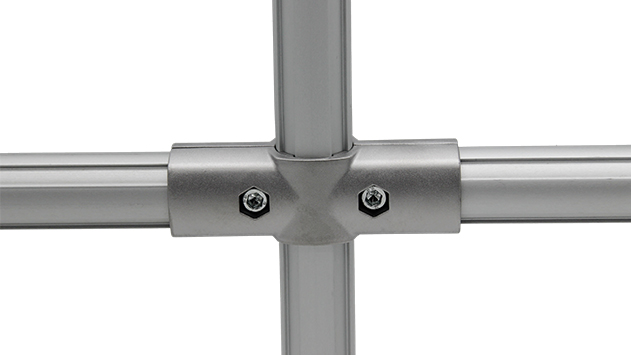
Before diving into maintenance, let's take a moment to appreciate what three way aluminum pipe joints are and why they matter. These joints are precision-engineered to connect three aluminum pipes at a 90-degree angle (forming a "T" shape), allowing for the creation of stable, modular structures. Made from lightweight yet durable aluminum alloy, they're designed to balance strength and flexibility—key traits for lean system setups where adaptability is critical. Unlike rigid welds, these joints let you assemble, disassemble, and reconfigure structures as needed, which is why they're a staple in facilities that prioritize agility.
Most three way aluminum pipe joints feature internal threads or clamping mechanisms that secure the pipes in place. Some are designed with rotational flexibility, while others are fixed, depending on the application. For instance, a fixed joint might be used in a stationary workbench frame, where stability is paramount, while a slightly flexible version could be ideal for a material rack that needs to absorb minor vibrations. Regardless of the design, their job is simple: distribute weight evenly across connected pipes and maintain structural integrity over time.
Common applications include:
- Workbenches : From single-deck workbench E setups to multi-functional stations, joints hold the legs, shelves, and crossbars together.
- Material Racks : Think material rack B (3 row and 3 floor) units, where joints support the weight of boxes, tools, and inventory across multiple levels.
- Lean System Frames : Whether it's a flow rack for parts distribution or a conveyor support structure, joints ensure the framework stays aligned and sturdy.
- Turnover Trolleys : Mobile carts rely on joints to keep their frames rigid, even when moving over uneven floors.
The bottom line? These joints are the "glue" that holds your lean system infrastructure together. And like any glue, they need care to stay effective.
2. Why Maintenance Matters: The Cost of Neglect
It's easy to think, "If it ain't broke, don't fix it." But when it comes to three way aluminum pipe joints, neglecting maintenance can have hidden costs that add up fast. Let's break down what's at stake:
Safety Risks : A loose or worn joint can turn a stable workbench into a wobbly hazard. Imagine a technician leaning on a workbench to reach for a tool, only for the joint to give way—resulting in a fall or damaged equipment. In a warehouse, a sagging material rack could lead to collapsed inventory, putting workers at risk of injury.
Increased Wear on Connected Parts : When a joint loosens, it shifts stress to other components, like aluminum profile accessories (e.g., brackets, end caps) or the pipes themselves. Over time, this extra strain can bend pipes, crack brackets, or strip threads, turning a small joint issue into a costly system-wide problem.
Production Downtime : A sudden joint failure might force you to halt operations to make repairs. For example, if a joint in a conveyor support structure fails, the conveyor could jam, stopping the flow of materials and delaying production. The longer the downtime, the more money you lose.
Higher Replacement Costs : Replacing a single joint is cheap, but if you wait until multiple joints fail—or until the damage spreads to other parts—you'll end up paying for new joints, pipes, and accessories. In the worst case, you might even need to replace an entire structure, like a material rack or workbench, which is far more expensive than proactive maintenance.
Consider this real-world example: A small electronics manufacturer noticed their assembly workbench was becoming increasingly wobbly. Instead of inspecting the joints, they ignored it. A month later, the bench collapsed during a shift, damaging a batch of circuit boards and requiring a full day of downtime to replace the bench frame. The root cause? A few worn, loose three way aluminum pipe joints that could have been fixed with 15 minutes of tightening and lubrication. The cost of the damaged boards and lost production? Thousands of dollars—all avoidable with basic maintenance.
3. Common Culprits: What Shortens a Joint's Lifespan?
To maintain three way aluminum pipe joints effectively, you need to know what's working against them. Here are the most common factors that wear and tear:
Vibration : Machinery, foot traffic, and even the movement of materials can send vibrations through your structures. Over time, these vibrations loosen the joint's connection to the pipes, especially if the joint relies on threaded bolts or clamps. In high-vibration areas (like near a stamping machine), joints may loosen faster than in quieter zones.
Overloading : Every joint has a weight limit, and exceeding it is a surefire way to shorten its lifespan. For example, stacking heavy boxes on a material rack B beyond its recommended capacity puts extra stress on the joints, causing them to bend or crack over time. Always check the manufacturer's weight ratings for both the joints and the structure as a whole.
Corrosion : Aluminum is naturally resistant to rust, but it's not immune to corrosion. Exposure to moisture (from humidity, spills, or cleaning chemicals), salt (in coastal areas), or acidic substances (like certain industrial cleaners) can cause pitting or discoloration on the joint's surface. Corrosion weakens the metal, making the joint more prone to failure.
Improper Installation : Even the best joints will fail early if installed incorrectly. This includes overtightening (which strips threads or cracks the joint), undertightening (leading to looseness), or using mismatched pipes (e.g., a pipe with a diameter slightly too small for the joint, causing a loose fit). Rushing through assembly is a recipe for maintenance headaches later.
Dirt and Debris Buildup : Dust, grease, and debris can accumulate in the joint's threads or clamping mechanism. This not only makes it harder to adjust or tighten the joint but also acts like sandpaper, wearing down the metal surfaces every time the joint moves or vibrates.
Lack of Lubrication : Joints with moving parts (like those with rotational capabilities) rely on lubrication to reduce friction. Without it, metal-on-metal contact causes wear, leading to stiffness or seizing over time.

4. Maintenance Best Practices: A Step-by-Step Routine
Now that we know what threatens three way aluminum pipe joints, let's outline a practical maintenance routine to protect them. The goal is simple: prevent wear, catch issues early, and keep joints functioning like new. Follow these steps, and you'll add years to their lifespan.
4.1 Regular Cleaning: Keep Debris at Bay
Dirt and grime are enemy number one for moving parts, and three way aluminum pipe joints are no exception. Aim to clean joints at least once a week in high-traffic areas (like assembly lines) and once a month in lower-use zones (like storage racks). Here's how:
Tools needed : Soft-bristled brush, microfiber cloth, mild detergent (like dish soap), and a small amount of warm water.
Steps :
- Start by brushing away loose dust and debris from the joint and surrounding pipes. Pay special attention to crevices, threads, and clamping areas where dirt likes to hide.
- Dampen the microfiber cloth with warm water and a drop of mild detergent. Gently wipe the joint to remove grease or sticky residue. Avoid using abrasive sponges or harsh chemicals (like bleach or ammonia), as these can damage the aluminum's protective oxide layer.
- For stubborn grime (e.g., dried oil or adhesive), use a cotton swab dipped in isopropyl alcohol to spot-clean. Alcohol evaporates quickly, so it won't leave moisture behind.
- Once clean, dry the joint thoroughly with a dry microfiber cloth to prevent water spots or corrosion.
Pro tip : In dusty environments (like woodworking shops), consider using a can of compressed air to blow out debris from tight spaces before wiping. This prevents scratching the aluminum surface with abrasive particles.
4.2 Lubrication: Keep Things Moving Smoothly
If your three way aluminum pipe joints have moving parts—like rotational hinges or adjustable clamps—lubrication is key. It reduces friction, prevents seizing, and repels moisture. Here's how to do it right:
Tools needed : Silicone-based lubricant (spray or liquid), clean cloth, cotton swabs.
Steps :
- First, clean the joint as described above—you don't want to trap dirt under the lubricant.
- Apply a small amount of silicone-based lubricant to the moving parts. Avoid petroleum-based oils, which can attract dust and degrade plastic components (if your joint has any).
- For threaded joints, apply a thin layer of lubricant to the threads before tightening. This makes future adjustments easier and prevents threads from seizing.
- Wipe away excess lubricant with a clean cloth to avoid attracting dirt. A little goes a long way!
Frequency : Lubricate moving joints every 3 months under normal use. In high-humidity or dusty environments, do it every 2 months.
4.3 Inspection: Catch Issues Early
Regular inspections are your first line of defense against joint failure. Set aside time each month to check all three way aluminum pipe joints in critical structures (like workbenches and material racks). Here's what to look for:
Visual checks :
- Cracks or dents : Even small cracks in the aluminum can weaken the joint. Pay attention to stress points, like where the joint meets the pipes.
- Corrosion : Look for white, powdery deposits (oxidation) or pitting on the surface. Light oxidation can be cleaned, but deep pitting means the joint is compromised.
- Loose connections : Gently wiggle the connected pipes. If there's movement, the joint is loose and needs tightening.
- Stripped threads : If bolts or screws spin without tightening, the threads are stripped. This is a common issue with over-tightening.
Tactile checks :
- Warmth : A joint that feels warm to the touch (when the structure isn't in use) could be rubbing against a pipe, causing friction and wear.
- Grittiness : If moving parts feel gritty when rotated, there's dirt or debris inside—time for a deep clean and lubrication.
Pro tip : Use a torque wrench to check bolt tightness on critical joints. Most manufacturers specify a recommended torque (e.g., 10 Nm), which ensures you're tight enough to secure the joint without stripping threads.
4.4 Tightening: Keep Joints Secure
Loose joints are a common problem, thanks to vibration and regular use. Tightening them is quick and easy, but it's important to do it correctly to avoid damage. Here's how:
Tools needed : Hex key (Allen wrench), torque wrench (for critical joints), marker.
Steps :
- Identify loose joints during your inspection (wiggle test).
- Use the correct size hex key to tighten the bolts or clamps. Turn clockwise until snug, but don't over-tighten—stop when you feel resistance.
- For joints with multiple bolts (e.g., some heavy-duty models), tighten them in a crisscross pattern to distribute pressure evenly.
- To track future looseness, mark the bolt and joint with a small line of permanent marker after tightening. If the lines no longer align during your next inspection, you'll know the bolt has loosened.
Warning : Never use pliers or adjustable wrenches on hex bolts—they can round off the edges, making future tightening impossible.
4.5 Environmental Control: Protect Joints from the Elements
Aluminum joints thrive in dry, moderate environments, but harsh conditions can take a toll. Here's how to protect them:
Humidity and moisture : If your facility is humid (e.g., a food processing plant) or prone to spills, take extra steps to prevent corrosion:
- Wipe up spills immediately, especially acidic liquids like battery fluid or cleaning solutions.
- Use a dehumidifier in enclosed spaces to keep moisture levels below 60%.
- Apply a thin coat of car wax to joints (after cleaning) to create a protective barrier against moisture.
Chemicals and abrasives : Avoid exposing joints to harsh chemicals, like bleach, ammonia, or industrial solvents. If cleaning near joints is necessary, use a mild detergent and rinse thoroughly. In abrasive environments (e.g., metalworking shops with flying sparks), consider covering joints with heat-resistant tape or sleeves to prevent scratches and pitting.

5. Creating a Maintenance Schedule: Consistency is Key
The best maintenance routine is one you'll actually stick to. To make it easy, create a simple schedule tailored to your facility's needs. Below is a sample schedule you can adapt:
| Frequency | Maintenance Tasks | Tools Needed | Focus Areas |
|---|---|---|---|
| Daily | Quick visual check for obvious looseness or damage | None (just your eyes!) | High-use workbenches, material racks in active zones |
| Weekly | Clean joints with brush and cloth; tighten visibly loose bolts | Soft brush, microfiber cloth, hex key | All joints in production areas |
| Monthly | Thorough inspection (cracks, corrosion, stripped threads); lubricate moving parts | Flashlight, torque wrench, silicone lubricant, cotton swabs | All joints, with extra attention to vibration-prone areas |
| Quarterly | Deep clean (including compressed air for crevices); check torque on critical joints; apply wax coating (humid environments) | Compressed air can, torque wrench, car wax (optional) | Joints in humid or dusty zones; heavy-load structures |
| Annually | replace worn or damaged joints; reconfigure structures if needed | Replacement joints, hex key, screwdriver | Joints with visible corrosion, cracks, or stripped threads |
Pro tip : Assign a specific team member to oversee maintenance, and keep a logbook to track when tasks are completed. This ensures accountability and helps identify patterns (e.g., joints in a certain area loosen faster, indicating a vibration issue).
6. Troubleshooting Common Issues: When Joints Need Extra Help
Even with regular maintenance, you might run into problems. Here's how to troubleshoot common issues:
Issue 1: Joint is loose, but bolts won't tighten
Possible cause
: Stripped threads or worn clamping mechanism.
Solution
: If threads are stripped, replace the bolt (if possible) or the entire joint. For clamping mechanisms, check if the clamp pads are worn—some manufacturers sell replacement pads. If the joint itself is worn, it's time for a new one.
Issue 2: White, powdery residue on the joint
Possible cause
: Oxidation (aluminum's natural reaction to moisture).
Solution
: Mix equal parts white vinegar and water, apply to the residue with a cloth, and gently scrub. Rinse with clean water and dry thoroughly. For stubborn oxidation, use a specialized aluminum cleaner (available at hardware stores). After cleaning, apply a protective wax coating.
Issue 3: Joint is bent or cracked
Possible cause
: Overloading, impact (e.g., a dropped pallet), or manufacturing defect.
Solution
: replace the joint immediately. Bent or cracked joints can't be repaired safely—they're structural weak points that could fail under load.
Issue 4: Moving joint is stiff or seized
Possible cause
: Lack of lubrication or dirt buildup.
Solution
: Clean the joint thoroughly with isopropyl alcohol to dissolve old lubricant and debris. Let it dry, then apply a fresh coat of silicone lubricant. Work the joint back and forth to distribute the lubricant. If it's still stiff, the internal components may be worn and need replacement.
7. When to replace: Knowing When It's Time to Let Go
No maintenance routine can make a joint last forever. Even with the best care, aluminum will eventually wear out. Knowing when to replace a joint is just as important as maintaining it. Here are signs it's time to swap in a new one:
- Cracks : Any visible crack, no matter how small, means the joint's structural integrity is compromised.
- Severe corrosion : Deep pitting or extensive oxidation that can't be cleaned off.
- Stripped threads or bolts : If bolts spin freely or won't tighten, and replacement bolts don't help.
- Permanent bending : A joint that's bent out of shape, even slightly, won't distribute weight evenly.
- Looseness despite tightening : If a joint keeps loosening within days of tightening, the internal clamping mechanism is likely worn.
When replacing, always choose high-quality joints from a reputable supplier. Cheap, low-quality joints may save money upfront, but they'll wear out faster and could compromise your entire structure. Look for joints made from 6061 or 6063 aluminum alloy—these are known for their strength and corrosion resistance.
Conclusion: Small Steps, Big Results
Three way aluminum pipe joints might not be the most glamorous part of your lean system, but they're undeniably essential. By taking the time to clean, inspect, and care for them, you're not just extending their lifespan—you're protecting your equipment, your workers, and your bottom line. Remember, maintenance doesn't have to be complicated. A few minutes of cleaning and tightening each week, paired with monthly inspections, can prevent costly downtime and replacements down the line.
So, the next time you walk through your facility, take a moment to appreciate those humble T-shaped joints. Give them a quick check, tighten a loose bolt, or wipe away some dust. Your future self (and your lean system) will thank you.