How to Extend the Lifespan of Your Duplex Aluminum Pipe Joints
Related Product
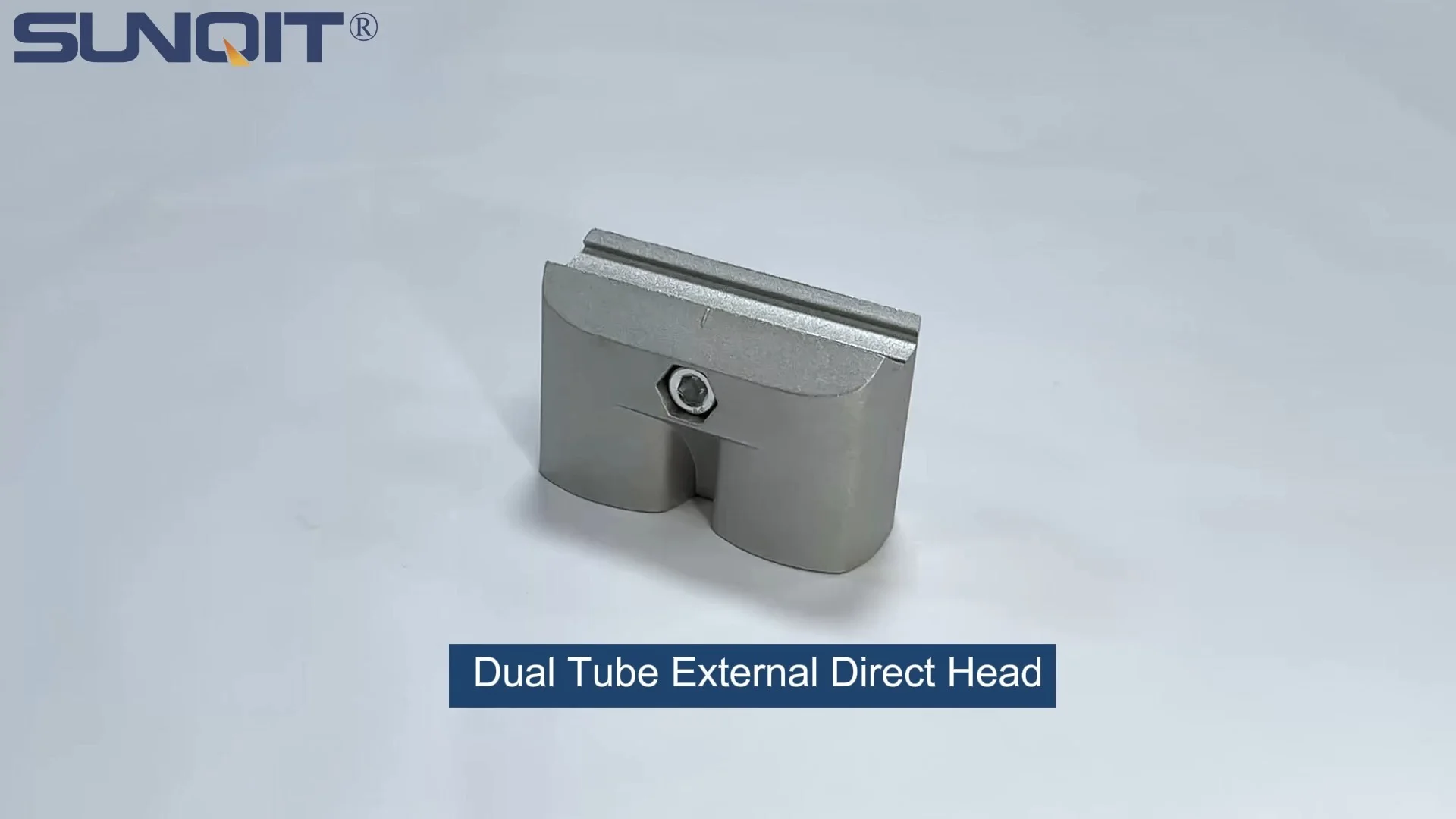
Duplex Aluminum Pipe Joint
Duplex Aluminum pipe joint used for one pcs 28pcs aluminum pipe and one pcs of 28mm duplex pipe connection in straight angle.
Duplex Aluminum Pipe Joint

Introduction: The Unsung Heroes of Efficient Workspaces

Walk into any modern factory, warehouse, or assembly line, and you'll likely spot a network of sturdy, modular structures—workbenches, material racks, turnover trolleys, and flow racks—all working together to keep operations running smoothly. Behind these structures, holding everything together with quiet reliability, are duplex aluminum pipe joints. These small but critical components are the backbone of lean systems, ensuring that workspaces are flexible, efficient, and adaptable to changing needs. But like any hardworking tool, they need care to keep performing at their best.

Whether you're managing a bustling production floor or setting up a small workshop, the lifespan of your duplex aluminum pipe joints directly impacts your bottom line. A loose or corroded joint can turn a seamless workflow into a day of repairs, delaying deadlines and increasing costs. On the flip side, well-maintained joints keep your lean system sturdy, your workbench stable, and your team focused on what matters most—productivity. In this guide, we'll explore how to give your duplex aluminum pipe joints the care they deserve, so they can keep supporting your operations for years to come.

Understanding Duplex Aluminum Pipe Joints: More Than Just a "Connector"

Before diving into maintenance, it helps to know what makes duplex aluminum pipe joints unique. Unlike standard steel or plastic connectors, these joints are engineered for precision and durability. Made from high-grade aluminum, they're lightweight yet strong, resistant to rust, and designed to fit seamlessly with aluminum profiles and aluminum pipe accessories. Their "duplex" design often refers to their ability to connect two pipes at various angles—think 90°, 45°, or even 135°—making them incredibly versatile for building custom structures like workbenches or material racks.

What sets them apart is their reliance on friction and mechanical grip rather than welding or adhesives. This means they can be disassembled, reconfigured, and reused without losing strength—perfect for lean systems that thrive on flexibility. But this flexibility also means they're more dependent on proper installation and upkeep. A poorly installed joint might hold temporarily, but over time, vibrations from daily use or heavy loads can loosen it, leading to instability. Understanding their design is the first step in keeping them strong.

Why Lifespan Matters in Lean Systems

Lean systems are all about eliminating waste—whether it's time, materials, or unnecessary effort. When a duplex aluminum pipe joint fails, it introduces waste in spades: downtime while repairs are made, the cost of replacement parts, and the frustration of a disrupted workflow. In a lean environment, even small delays can snowball into bigger issues, affecting everything from production targets to team morale.

Consider a simple scenario: a material rack B (3 row and 3 floor) used to store components for assembly. If a duplex joint holding the middle shelf loosens, the shelf might sag, risking damage to the materials or even injury to an employee. Fixing it means stopping work, finding a replacement joint, and reinstalling—time that could have been spent assembling products. Now multiply that by a dozen joints across a facility, and the impact becomes clear: extending joint lifespan isn't just about saving money on parts; it's about protecting the efficiency that lean systems are built to deliver.

Key Factors That Affect Duplex Aluminum Pipe Joint Lifespan

To keep your joints in top shape, you need to know what threatens their longevity. Here are the biggest culprits:

1. Material Quality: Not all aluminum is created equal. Duplex joints made from low-grade aluminum or mixed with impurities are more prone to bending, cracking, or corroding. Reputable suppliers (like those specializing in aluminum profile and lean system components) use high-purity aluminum alloys that balance strength and lightweight properties, ensuring joints can handle heavy loads without deforming.

2. Installation Missteps: It's easy to rush through installation, especially when setting up a new workbench or rack. But over-tightening a joint can strip its threads or warp the aluminum, while under-tightening leaves it loose and vulnerable to vibrations. Using the wrong tools—like a regular wrench instead of a torque wrench—can also damage the joint's surface, weakening its grip over time.

3. Environmental Conditions: Aluminum is naturally resistant to rust, but it's not invincible. Humid environments, exposure to chemicals (like oils or cleaning agents), or extreme temperatures can cause oxidation or pitting. Even something as simple as leaving a joint exposed to rain during outdoor storage can deterioration.

4. Wear and Tear from Usage: Joints in high-traffic areas—like the casters on a turnover trolley or the roller tracks on a flow rack—take more abuse. Constant movement, heavy loads, and accidental bumps can loosen connections or wear down the joint's internal components, like the internal rotary aluminum joint mechanisms that allow for adjustability.

Step-by-Step: Proper Installation for Longevity

You've heard the saying: "An ounce of prevention is worth a pound of cure." Nowhere is this truer than with duplex aluminum pipe joints. A well-installed joint can last years longer than one that's slapped together haphazardly. Here's how to get it right:

1. Start with Clean, Undamaged Components: Before installing, inspect both the duplex joint and the aluminum pipes. Look for dents, cracks, or burrs on the joint's threads or connection points. Even a small nick can prevent a tight fit. Wipe down the pipes and joint with a clean, dry cloth to remove dust, grease, or debris—anything that might get in the way of a secure connection.

2. Align Pipes Precisely: Duplex joints are designed to connect pipes at specific angles (like 90° or 45°). Misaligning the pipes—even by a few degrees—puts extra stress on the joint, causing uneven wear. Use a square or angle guide to ensure pipes are straight and correctly positioned before tightening.

3. Use the Right Tools and Torque: Most duplex joints come with recommended torque settings (usually printed on the packaging or provided by the supplier). Invest in a torque wrench to avoid over-tightening. A good rule of thumb: tighten until the joint is snug, then add a quarter-turn—no more. Over-tightening can crack the aluminum, while under-tightening leaves the joint wobbly.

4. Secure with Compatible Aluminum Pipe Accessories: Sometimes, joints need extra support—especially in heavy-load applications. Use aluminum pipe clamps, parallel fixation aluminum pipe joints, or angle codes to reinforce connections. For example, a workbench E (single deck-without caster) might benefit from additional brackets to distribute weight evenly across its joints.

5. Test for Stability: After installation, give the structure a gentle shake or apply light pressure to the joint. It should feel solid, with no movement or creaking. If it wobbles, double-check the alignment and torque—don't assume it will "tighten up" with use. It won't.

Maintenance 101: Keeping Joints Strong with Regular Care

Installing a joint correctly is just the first step. To maximize its lifespan, you need a regular maintenance routine. Think of it like caring for a car—small, consistent efforts prevent big breakdowns later. Below is a simple maintenance schedule to follow:

Maintenance Task Frequency What to Do
Visual Inspection Weekly Check for looseness, cracks, or corrosion. Pay extra attention to joints in high-load areas (e.g., material racks or caster wheels).
Cleaning Monthly Wipe joints with a damp cloth to remove dust and grime. For stubborn dirt, use a mild soap solution—avoid harsh chemicals like bleach or abrasive cleaners.
Tightening Connections Quarterly Use a torque wrench to re-tighten joints to their recommended settings. Vibrations from daily use can loosen even well-installed connections.
Lubrication (for moving joints) Every 6 months Apply a small amount of silicone-based lubricant to internal rotary aluminum joints or roller track connectors to reduce friction and wear.
Corrosion Check Every 6 months (more often in humid areas) Look for white, powdery oxidation or pitting on the joint's surface. Treat with a mild aluminum cleaner and dry thoroughly.

Pro Tip: Keep a log of maintenance activities. Note which joints were tightened, cleaned, or repaired, and when. This helps you spot patterns—like a particular joint that loosens—and address underlying issues (e.g., maybe the pipe is bent, or the joint is damaged).

Another key part of maintenance is knowing when to replace accessories. Components like caster wheels, roller track guide rails, or plastic pipe sleeves wear out faster than the joints themselves. A worn caster can cause extra stress on the joint it's attached to, so replacing it promptly protects the joint from unnecessary damage.

Protecting Joints from the Elements: Environmental Defense Strategies

Even the toughest duplex aluminum pipe joints struggle in harsh environments. Here's how to shield them from common environmental threats:

Humidity and Moisture: In damp warehouses or outdoor settings, moisture can lead to oxidation. To combat this, keep joints dry by using dehumidifiers in enclosed spaces or covering outdoor structures with tarps during rain. If a joint gets wet, dry it immediately with a cloth—don't let water sit on the surface.

Chemicals and Oils: Spills happen, especially in production areas. Oils, solvents, or cleaning agents can eat away at aluminum's protective oxide layer. If a spill occurs, wipe the joint with soap and water as soon as possible. Avoid using abrasive pads, which can scratch the aluminum and make it more vulnerable to corrosion.

Extreme Temperatures: Aluminum expands and contracts with temperature changes. In hot climates, avoid placing joints in direct sunlight for extended periods—use shade cloths or paint structures with heat-reflective coatings. In cold environments, ensure joints are not exposed to freezing rain, which can cause water to seep into connections and expand, cracking the aluminum.

Dust and Debris: Dust buildup can act like sandpaper, wearing down joint surfaces over time. Regular cleaning (as outlined in the maintenance table) is key, but you can also install dust covers on rarely used joints or use compressed air to blow out debris from hard-to-reach areas.

Usage Best Practices: Treating Joints with Care

Even with perfect installation and maintenance, joints will wear out faster if misused. Training your team on proper usage habits is just as important as any tool or cleaner. Here are simple rules to follow:

Respect Weight Limits: Every joint and structure has a rated load capacity (e.g., a material rack B might be designed for 50kg per shelf). Exceeding this puts immense stress on joints, causing them to bend or crack. Post load limits clearly on racks and workbenches, and enforce them—no exceptions.

Avoid Impact Damage: Accidental bumps with forklifts, pallet jacks, or heavy tools are a leading cause of joint failure. Install bumpers or guards on structures in high-traffic areas, and train staff to move equipment carefully around modular structures. A small scratch might seem harmless, but it can weaken the aluminum over time.

Handle Adjustments Properly: One of the benefits of duplex joints is their adjustability—you can reconfigure a workbench or rack as needs change. But when disassembling, loosen joints gradually and evenly to avoid warping. Never yank or twist pipes to separate them—this can bend the joint's internal components.

Store Spare Joints Correctly: If you keep extra duplex aluminum pipe joints in storage, protect them from dust, moisture, and crushing. Store them in a dry, cool area, and avoid stacking heavy items on top of them. A simple plastic bin with dividers works well to keep joints organized and damage-free.

Troubleshooting Common Issues: When Joints Start to Fail

Even with the best care, joints can develop problems. The key is to catch issues early and fix them before they escalate. Here are three common problems and how to solve them:

Issue 1: Loose Joints
Signs: Wobbling structures, creaking sounds, or visible gaps between the joint and pipe.
Solution: First, check the torque—tighten the joint to the recommended setting. If it still loosens after a few days, inspect the pipe and joint for damage. A stripped thread or bent pipe will prevent a secure fit, and both need replacement.

Issue 2: Corrosion
Signs: White, powdery spots or pitting on the joint's surface.
Solution: For mild corrosion, clean the joint with a mixture of water and baking soda (gently scrub with a soft brush), then rinse and dry thoroughly. For severe corrosion (deep pitting or holes), replace the joint—corroded aluminum loses strength, and there's no way to "fix" it.

Issue 3: Stiff or Seized Joints
Signs: Difficulty adjusting or disassembling the joint.
Solution: Apply a small amount of silicone lubricant to the joint's threads or moving parts. Let it sit for 10–15 minutes, then gently work the joint back and forth. Avoid using oil-based lubricants, which can attract dust and gum up the mechanism.

Choosing Quality: Why Supplier Matters for Longevity

Finally, the lifespan of your duplex aluminum pipe joints starts with the supplier you choose. A reputable supplier (specializing in aluminum profile, lean system components, and aluminum pipe accessories) will use high-quality materials, rigorous testing, and precise manufacturing processes to ensure joints meet industry standards. Avoid cheap, generic joints from unknown suppliers—they may save money upfront, but they'll cost you more in replacements and downtime later.

When evaluating suppliers, ask about their aluminum alloy (6063 is common for structural components), quality control processes, and customer support. A good supplier will also provide detailed installation guides, torque recommendations, and warranty information—all signs they stand behind their products. Remember: investing in quality joints today means fewer headaches tomorrow.

Conclusion: Long-Lasting Joints, Long-Lasting Success

Duplex aluminum pipe joints may be small, but their impact on your workspace's efficiency and safety is huge. By installing them correctly, maintaining them regularly, protecting them from environmental threats, and using them properly, you can extend their lifespan from years to decades—saving time, money, and frustration along the way.

At the end of the day, a well-cared-for joint is more than just a connector—it's a commitment to the lean system principles of efficiency, reliability, and continuous improvement. So take the time to inspect that workbench, tighten that loose joint, and train your team on proper usage. Your future self (and your bottom line) will thank you.


Get In Touch with us

Hey there! Your message matters! It'll go straight into our CRM system. Expect a one-on-one reply from our CS within 7×24 hours. We value your feedback. Fill in the box and share your thoughts!