- Company Articles
- Products and Technology
- Installation And Maintenance
- How to Extend the Lifespan of Your Roller Track Placon Mount Connector

How to Extend the Lifespan of Your Roller Track Placon Mount Connector
Related Product
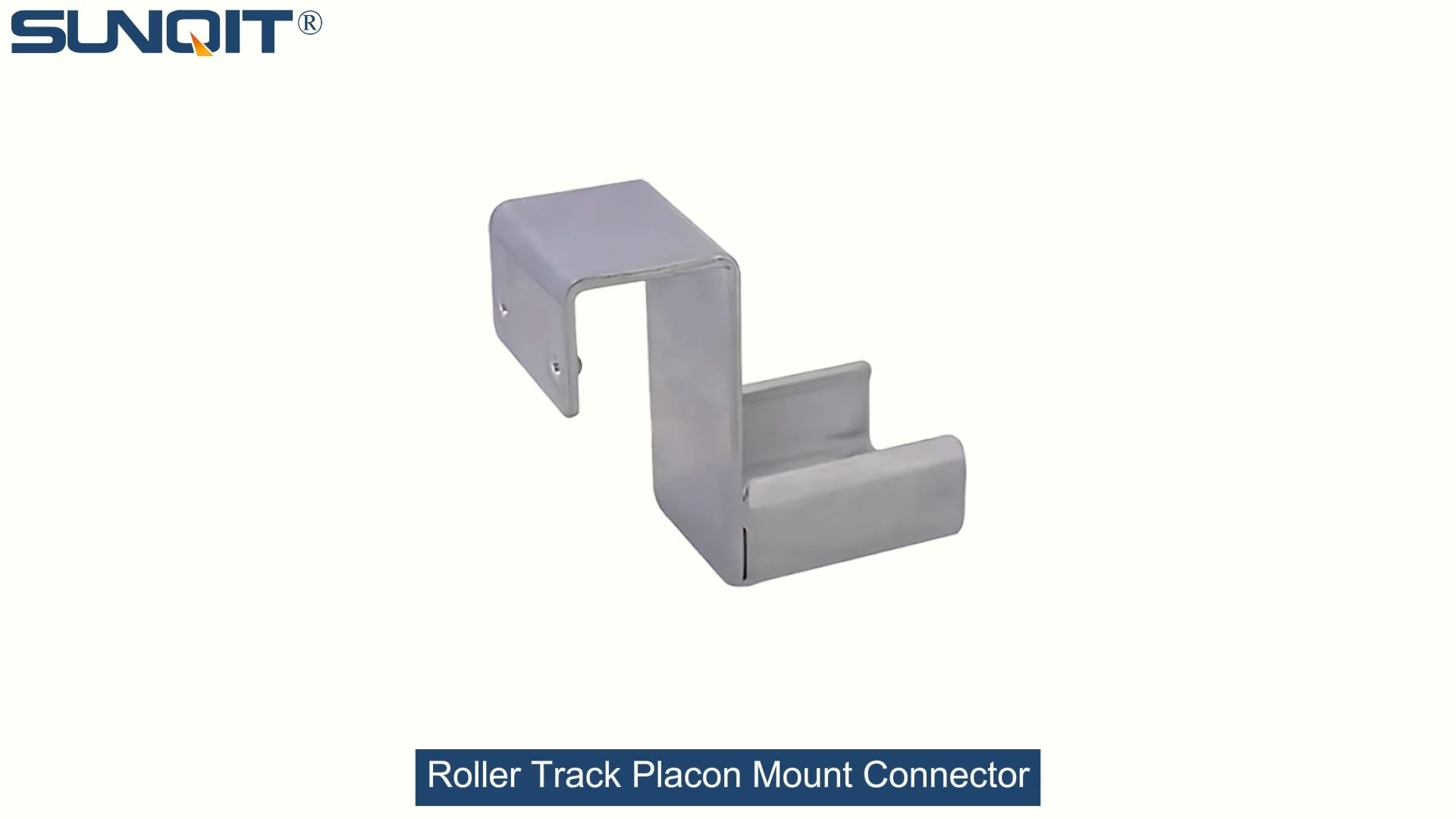
Roller Track Placon Mount Connector
Roller track placon mount work as a connector for roller track and pipe or aluminum profile in rack syetem, it is a necessary parts in rack system which widely used in industrial plant and logistic,warehouse storage.
In the fast-paced world of manufacturing, every second counts. When your production line hums along smoothly, deadlines are met, teams stay motivated, and your bottom line stays healthy. But what happens when a small, unassuming part like a roller track placon mount connector fails? Suddenly, that smooth flow grinds to a halt. Let's talk about how to keep these unsung heroes of your lean system working longer, stronger, and more reliably—because a little care today saves big headaches tomorrow.
1. First Things First: What Even Is a Roller Track Placon Mount Connector?
Before we dive into maintenance tips, let's make sure we're all on the same page. You've probably seen it a hundred times, but maybe never stopped to name it. The roller track placon mount connector is that hardworking piece that holds your roller track firmly to aluminum profiles or frames—think of it as the "glue" that keeps your flow rack stable, your conveyor aligned, and your entire material handling system from wobbling like a loose bookshelf.
Whether you're running a bustling 3C assembly line or managing a busy warehouse, these connectors are everywhere. They're in the lean pipe workbenches where your team assembles products, in the roller tracks that move components from station to station, and even in the custom solutions designed for your unique workflow. In short, they're the silent backbone of your lean system.
Quick Tip:
Take a walk around your production floor today and spot these connectors. Notice how they're positioned—are they holding heavy loads? Exposed to dust? Near moisture? These observations will help you tailor your maintenance plan later!
2. Start Strong: The Secret to Long Life Is in the Installation
You wouldn't build a house on a shaky foundation, right? The same goes for your roller track placon mount connectors. A botched installation is the number one reason these parts fail prematurely. Let's break down the do's and don'ts to get it right the first time.
Do: Use the Right Tools and Torque
Grab your torque wrench—yes, that specific tool, not just a random screwdriver. Over-tightening is a common mistake: cranking down too hard can warp the connector or strip the threads, weakening it from day one. Under-tightening is just as bad; loose connectors vibrate, wear out faster, and can even come loose mid-operation.
Check your supplier's guidelines (a good lean pipe supplier will always provide this!) for the recommended torque settings. For most aluminum profile accessories like these connectors, it's usually between 2-4 Nm—enough to hold firm without damaging the material.
Don't: Ignore Alignment
Imagine trying to fit a square peg into a round hole—frustrating, right? If your roller track isn't perfectly aligned with the connector during installation, the connector will bear uneven stress. Over time, that stress cracks welds, bends metal, and turns a small misalignment into a big problem.
Use a level and straightedge to ensure everything lines up before tightening. It might take an extra 5 minutes, but trust us—your future self (and your production schedule) will thank you.
Do: Inspect Components Before Installation
Ever opened a package and found a part that looked a little… off? A bent flange, a cracked plastic insert, or rust on metal parts? Don't just shrug and install it anyway! Even minor defects weaken the connector's structural integrity.
Reputable suppliers (like those specializing in aluminum profile accessories) will have strict quality control, but it never hurts to double-check. If something looks wrong, reach out to your supplier—most will replace defective parts quickly to keep your project on track.

3. Daily Habits: Small Actions, Big Results
Now that your connectors are installed correctly, let's talk about the daily care that keeps them going strong. Think of it like brushing your teeth—small, consistent efforts prevent big issues later. Here's your daily, weekly, and monthly checklist:
| Frequency | Task | Why It Matters |
|---|---|---|
| Daily | Visual inspection for looseness or damage | Catch small issues (like a loose screw) before they cause downtime |
| Daily | Clean dust/debris with a soft brush or cloth | Dust acts like sandpaper, wearing down moving parts over time |
| Weekly | Check torque on fasteners | Vibration from production can loosen screws gradually |
| Monthly | Lubricate moving contact points (if applicable) | Reduces friction, especially in connectors with swivel or sliding parts |
| Quarterly | Deep clean with mild detergent (avoid harsh chemicals) | Removes built-up grime that traps moisture and causes corrosion |
Pro Tip: Make It a Team Effort
You don't have to handle maintenance alone! Train your operators to spot issues during their shifts. A quick "Hey, this connector looks wobbly" from someone on the line can prevent a breakdown. Create a simple logbook or digital checklist where anyone can note observations—collaboration is key to keeping your lean system running smoothly.

4. Material Matters: Choose Connectors Built to Last
Not all roller track placon mount connectors are created equal. The material they're made from plays a huge role in how long they'll survive in your facility. Let's break down the options and which environments they thrive in:
Aluminum: Lightweight and Corrosion-Resistant
Aluminum connectors are a popular choice for most manufacturing settings, especially when paired with aluminum lean pipe or profiles. They're lightweight, so they don't add unnecessary stress to your structure, and they naturally resist rust—great for areas with moderate humidity or occasional spills.
Look for connectors made from high-grade aluminum (like 6063-T5, a common alloy in aluminum extrusion profiles) for added strength. Many suppliers also offer anodized finishes, which add a protective layer to resist scratches and corrosion even further.
Stainless Steel: Tough for Harsh Environments
If your facility deals with heavy moisture, chemicals, or food-grade applications, stainless steel connectors are worth the investment. They're more durable than aluminum and stand up to rust and corrosion in environments like food processing plants or outdoor warehouses.
Keep in mind: stainless steel is heavier, so make sure your frame (like your lean pipe workbench or flow rack) can support the extra weight without bending.
Plastic: Budget-Friendly but Limited
Plastic connectors are cheap, but they're best for light-duty, low-stress applications. Avoid them in high-load areas or environments with extreme temperatures—they can warp, crack, or become brittle over time. Save them for temporary setups or non-critical parts of your system.
Material Matchmaker:
Not sure which material to choose? Ask your supplier about your specific environment. A good lean system supplier will analyze factors like load weight, temperature, and exposure to elements to recommend the best fit.

4. Tame the Environment: Control What You Can
Your facility's environment can be a connector's best friend or worst enemy. Let's tackle the biggest environmental threats and how to neutralize them:
Humidity and Moisture: The Silent Rust-Maker
Even aluminum can corrode if exposed to constant moisture—think condensation in a poorly ventilated warehouse or spills near the production line. Wipe up spills immediately, and consider installing dehumidifiers in damp areas. For extra protection, apply a thin coat of anti-corrosion spray (check with your supplier to ensure it's compatible with your connector material).
Dust and Debris: The Abrasive Invader
Dust, metal shavings, and even product residues (like adhesives or oils) act like tiny abrasives. When they build up on your connectors, they grind away at surfaces, weaken joints, and make moving parts stick. Make daily cleaning (as we mentioned earlier!) non-negotiable, and use dust covers for equipment that's not in use.
Extreme Temperatures: Hot and Cold Extremes
Ever noticed how metal expands in the heat and contracts in the cold? Rapid temperature changes (like moving connectors from a freezing warehouse to a warm assembly line) cause stress fractures over time. If your facility has extreme temp swings, insulate sensitive areas or choose connectors with thermal stability (stainless steel handles this better than aluminum).
5. Know When to Repair vs. replace
Even with perfect care, no connector lasts forever. The key is knowing when to fix a small issue and when to bite the bullet and replace the part. Here's how to decide:
Repair When:
- Loose screws or bolts: Tighten them to the correct torque—good as new!
- Minor surface rust: Sand it off, apply anti-corrosion spray, and monitor.
- Cracks in non-load-bearing parts: If the crack is small and not in a critical area, a professional repair (like welding for metal connectors) might work.
replace When:
- Bent or warped metal: Once metal bends, it never regains its original strength—this is a safety hazard.
- Stripped threads: A connector with stripped threads can't hold torque, so it will loosen again immediately.
- Deep cracks or breaks: Any crack that runs through a load-bearing section means the connector is compromised.
When in doubt, err on the side of caution. A new connector costs far less than the downtime from a sudden failure.
6. Partner with the Pros: Your Supplier as a Maintenance Ally
You don't have to go it alone. A reliable lean pipe supplier isn't just someone who sells you parts—they're a partner in keeping your system running smoothly. Here's how to leverage their expertise:
Ask for Custom Maintenance Guides
Every facility is different. Your supplier should be able to create a tailored maintenance plan based on your specific setup—whether you're using connectors in an ESD workstation, a high-speed conveyor, or a heavy-duty flow rack. They can even train your team on best practices!
Stock Spare Parts Strategically
Work with your supplier to figure out which parts you should keep in stock. Having a few extra roller track placon mount connectors on hand means you can replace a faulty one in minutes, not days (no more waiting for emergency shipments!).
Schedule Regular Check-Ins
Many suppliers offer annual or bi-annual system audits. They'll send a technician to inspect your entire lean system, including connectors, and catch issues you might have missed. Think of it as a "checkup" for your production line—preventive care that saves you from costly repairs later.
FAQ: Your Connector Questions Answered
Q: How long should a roller track placon mount connector last with proper care?
A: With good installation, regular maintenance, and the right material for your environment, you can expect 5-7 years of reliable use. In low-stress settings, some even last a decade!
Q: Can I mix and match connectors from different suppliers?
A: It's not recommended. Different suppliers use slightly different tolerances and materials, which can lead to poor fit and premature failure. Stick with one trusted supplier for consistency.
Q: My connectors are in an ESD workstation—any special care needed?
A: Yes! ESD environments often use special coatings to dissipate static. Avoid harsh cleaners that can strip these coatings—stick to mild, static-neutralizing cleaning solutions recommended by your supplier.
Final Thoughts: Invest in Longevity, Invest in Your Team
At the end of the day, extending the lifespan of your roller track placon mount connectors isn't just about saving money on replacement parts. It's about creating a production line that your team can rely on—one that doesn't break down unexpectedly, one that runs smoothly, and one that lets everyone focus on what they do best: building great products.
So start small: pick one habit from this guide to implement this week—maybe that daily visual inspection or checking torque settings. Over time, these small steps add up to a leaner, more efficient, and more resilient operation.
And remember: your connectors work hard for you. It's time to return the favor.