- Company Articles
- Products and Technology
- Installation And Maintenance
- How to Extend the Lifespan of Your T Slot Aluminum Pipe with Board Holder

How to Extend the Lifespan of Your T Slot Aluminum Pipe with Board Holder
Related Product
T Slot Aluminum Pipe with Board Holder
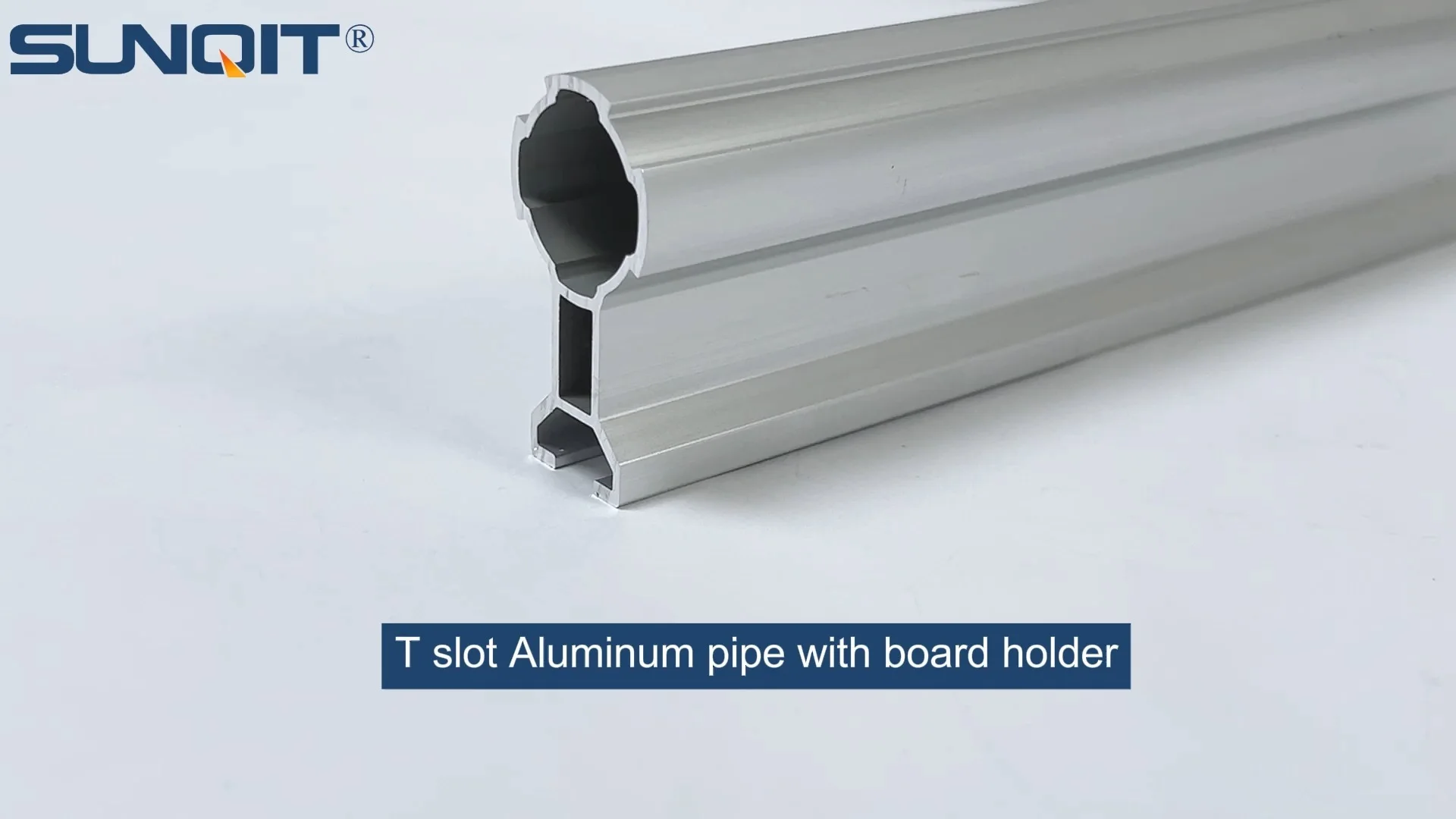
T slot Aluminum pipe with board holder,the pipe one side connected by a joint, the other side with a slot which can hold a tray or a aluminum pannel
Walk into any modern workshop, factory floor, or even a well-organized garage, and you'll likely spot them: sleek, sturdy structures holding tools, materials, or workstations together. More often than not, those structures are built with T slot aluminum pipes—specifically, T slot aluminum pipes with board holders. These unassuming components are the unsung heroes of efficient spaces, quietly supporting everything from assembly lines to home DIY stations. But here's the thing: even the toughest aluminum can wear out faster than it should if you don't give it a little love. In this guide, we're breaking down how to keep your T slot aluminum pipe with board holder in top shape for years (or even decades) to come. No jargon, no fancy tools—just practical, everyday tips that'll save you time, money, and the headache of replacing parts prematurely.
First Things First: What Even Is a T Slot Aluminum Pipe with Board Holder?
Before we dive into maintenance, let's make sure we're all on the same page. A T slot aluminum pipe is exactly what it sounds like: a lightweight, corrosion-resistant aluminum tube with a T-shaped groove running along its length. This groove isn't just for show—it's where you slide in connectors, brackets, or (you guessed it) board holders. The board holder, typically made of metal or a durable composite like aluminum honeycomb panel, attaches to the pipe via those T slots, creating a flat, stable surface for working, storing, or transporting items.
What makes these pipes so popular? Aluminum's natural resistance to rust, its strength-to-weight ratio (it's light enough to move but tough enough to hold heavy loads), and its versatility. Pair that with a board holder, and you've got a system that can be customized to fit almost any need. But here's the catch: aluminum might be tough, but it's not invincible. Dirt, moisture, misuse, and even poor installation can chip away at its lifespan. Let's start with the basics: installation. Because if you get that wrong, nothing else will matter.
Installation: The Foundation of Longevity (Yes, It Matters That Much)
Imagine building a house on a wonky foundation. No matter how nice the walls are, the whole thing will creak, crack, and eventually fall apart. The same goes for your T slot aluminum pipe with board holder. A shoddy installation job is the single biggest enemy of longevity. Let's walk through the do's and don'ts to get it right from day one.
1. Start with a Flat Surface (No, Your Floor Isn't "Good Enough")
Even if your workshop floor looks level, grab a spirit level and check. A slope of just 1-2 degrees might not seem like much, but over time, it'll put uneven stress on your aluminum pipes and board holder. That stress leads to bent joints, loose connections, and eventually, cracks. If your floor is uneven, use adjustable leveling feet (those handy little threaded feet that screw into the base of your structure) to even things out. Trust us—spending 10 minutes adjusting these now will save you from rebuilding the whole thing later.
2. Tighten, But Don't "Crank It to Oblivion"
When attaching the board holder to the T slot pipe, or connecting pipes to each other with aluminum profile accessories (like corner brackets or straight connectors), it's tempting to tighten the screws as much as possible. Resist that urge! Over-tightening can strip the T slot threads, warp the aluminum, or even crack the board holder. Most manufacturers recommend a specific torque (usually around 2-3 Nm for small screws). If you don't have a torque wrench, use the "finger-tight plus a quarter turn" rule—snug, but not so tight your knuckles turn white.
3. Use the Right Accessories (No Substitutes!)
That random steel bracket from your junk drawer might look like it fits, but mixing materials is a bad idea. Aluminum and steel react differently to moisture and temperature changes, which can cause corrosion (called galvanic corrosion) where they touch. Stick to aluminum accessories—like aluminum pipe clamps or aluminum foot bases—to keep everything compatible. And if your board holder is an aluminum honeycomb panel, use screws designed for honeycomb (they're shorter and have wider heads to avoid tearing the panel).

Cleaning 101: Dirt Is Your Pipe's Worst Enemy (Yes, Even Aluminum)
Aluminum is corrosion-resistant, but it's not magic. Dirt, grease, and grime act like tiny sponges, trapping moisture and chemicals against the surface. Over time, that can lead to discoloration, pitting, or even weak spots. The good news? Cleaning your T slot aluminum pipe with board holder is easy—no special tools required. Let's break it down by component.
| Component | Cleaning Agent | Tools | Pro Tips |
|---|---|---|---|
| T Slot Aluminum Pipe | Mild dish soap + warm water | Soft microfiber cloth, old toothbrush (for T slots) | Rinse thoroughly—soap residue can attract more dirt. Dry with a clean cloth to avoid water spots. |
| Board Holder (Aluminum Honeycomb Panel) | Isopropyl alcohol (70%) or vinegar + water | Lint-free cloth, soft sponge (no scrubbing!) | Avoid harsh chemicals like bleach—they can discolor the honeycomb core. |
| Aluminum Profile Accessories (Clamps, Connectors) | Baking soda paste (for tough grease) | Toothbrush, q-tips (for tight spaces) | Focus on crevices—grease builds up where the accessory meets the pipe. |
How often should you clean? Aim for once a month if it's in a low-dust area (like an office workshop), or once a week if it's in a high-grime spot (think auto repair shop). And here's a pro move: keep a small brush near your setup—swipe out the T slots every few days to prevent dirt from hardening into a stubborn mess.

Fighting the Elements: When Nature Tries to Wreck Your Pipe
Aluminum holds up well against rain, sun, and temperature swings, but it's not entirely bulletproof. Let's talk about the environmental threats that can sneak up on your T slot pipe and how to block them.
1. Humidity: The Silent Rust Accelerator
If you live in a humid area (looking at you, Florida and coastal regions), moisture in the air can cling to your aluminum pipe, especially if it's dusty. Over time, that moisture can lead to "white rust"—a powdery, chalky coating that's not as destructive as red rust but still ugly and potentially damaging. To fight back: Wipe down your pipe with a dry cloth every few days, and consider placing a dehumidifier near your setup if humidity levels regularly top 60%. For outdoor setups (yes, some people use these pipes outside!), apply a thin coat of car wax once a year—it acts as a barrier against moisture.
2. Sunlight: UV Rays and Fading
Direct sunlight won't corrode aluminum, but it can fade colored board holders (like painted aluminum honeycomb panels) or dry out rubber gaskets in accessories. If your pipe is near a window or outside, use a UV-resistant spray (the same kind used for outdoor furniture) on non-aluminum parts. For the pipe itself, sunlight can make it hot to the touch—avoid placing plastic items (like tool organizers) directly on it for hours, as the heat can warp them, which in turn scratches the pipe.
3. Extreme Temperatures: Hot vs. Cold
Aluminum expands when hot and contracts when cold—no big deal, right? Well, if your pipe is bolted down super tight in a space with big temperature swings (like a garage that freezes in winter and bakes in summer), that expansion/contraction can loosen connections or even crack the T slots. The fix? Leave a tiny bit of wiggle room in the connections. When installing, don't clamp accessories so tight that the pipe can't move slightly. Think of it like how bridges have expansion joints—your pipe needs a little breathing room too.
Spotting Trouble Early: What to Check (Before It's Too Late)
Even with perfect installation and cleaning, parts wear out. The key is catching small issues before they turn into big problems. Set a calendar reminder to do a "pipe check-up" every 3 months. It'll take 10 minutes, and here's what to look for:
- Loose connections: Gently wiggle the board holder and pipes. If anything moves more than 1/4 inch, tighten the screws (but remember—don't overdo it!).
- Scratches or dents: Small scratches are normal, but deep ones (especially in the T slot) can trap dirt. Sand them lightly with 400-grit sandpaper, then wipe with alcohol.
- White rust or discoloration: If you see that powdery white stuff, scrub it off with a baking soda paste (1 part baking soda + 2 parts water), rinse, and dry immediately.
- Bent T slots: If the slot is warped, it won't hold accessories properly. This usually happens from overloading—replace the pipe if bending is more than 1mm.
- Wobbly leveling feet: If your adjustable leveling feet spin or sink into the floor, replace the rubber tips (they're cheap and easy to swap).
Pro tip: Keep a small "maintenance kit" handy with spare screws, sandpaper, a microfiber cloth, and a tube of anti-seize lubricant (for screws that keep coming loose). You'll thank yourself when you spot a loose connection and can fix it in 2 minutes flat.
The Big No-Nos: What Not to Do
We've covered the "do's," so let's talk about the "don'ts"—habits that might seem harmless but can shorten your pipe's lifespan faster than you can say "aluminum profile accessories."
1. Don't Use Abrasive Cleaners (Say No to Steel Wool!)
Steel wool, scouring pads, or even rough sponges will scratch the aluminum's protective oxide layer, making it more vulnerable to corrosion. Stick to soft cloths and brushes—your pipe will thank you.
2. Don't Overload the Board Holder
Yes, aluminum is strong, but every board holder has a weight limit (usually listed by the manufacturer). Piling 500 lbs on a holder rated for 300 lbs will bend the pipe, crack the board, or tear the T slots. When in doubt, spread the weight out—use multiple pipes instead of relying on one.
3. Don't Ignore Leaks (Even Small Ones)
If your setup is near a sink, water heater, or any source of liquid, a tiny leak can spell disaster for your aluminum pipe. Water + dirt = corrosion, plain and simple. Fix leaks immediately, and place a waterproof mat under your pipe if spills are common.
Wrapping It Up: Your Pipe's Lifespan Is in Your Hands
At the end of the day, extending the lifespan of your T slot aluminum pipe with board holder isn't about being a perfectionist—it's about being consistent. A quick wipe-down here, a screw check there, and avoiding a few common mistakes will keep your pipe strong, stable, and ready to work. And when you do need to replace a part (because even the best-maintained gear wears out eventually), opt for quality aluminum profile accessories and genuine replacement parts. Your future self (and your wallet) will be glad you did.
So go ahead—give your pipe a little pat (gently, of course). It's been working hard for you. Now it's your turn to return the favor.