- Company Articles
- Products and Technology
- Installation And Maintenance
- How to Fix Loose Lean Pipe Clamp Chrome in Workstations

How to Fix Loose Lean Pipe Clamp Chrome in Workstations
Related Product
Lean Pipe Clamp Chrome
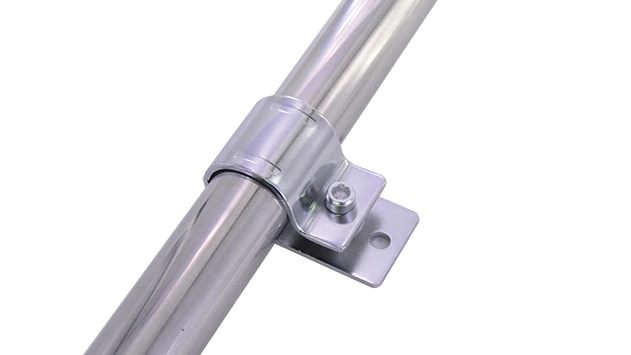
Lean pipe clamp is used for rack system hang monitor or other panel for workbenck, flowrack in production daily use.
It's 2:30 PM on a Tuesday, and Rajiv, a production assembler at a electronics manufacturing plant, is halfway through his shift. His workbench—usually a steady, reliable partner in assembling circuit boards—has started acting up. Every time he reaches for his soldering iron, the surface wobbles. A small container of screws slides off the edge, spilling across the floor. Frustrated, he kneels to inspect the underside of the bench, and there it is: the lean pipe clamp chrome, once tight and secure, is now loose, its grip on the aluminum profile weakened. "Not again," he mutters, knowing this small issue could slow down his entire afternoon if left unaddressed.
If you've ever worked with a workstation built from lean pipes, you know the feeling. These setups—whether they're workbenches, flow racks, or turnover trolleys—are the backbone of efficient production lines. They're flexible, easy to customize, and built to handle the daily grind of factory floors. But even the sturdiest systems have weak points, and the lean pipe clamp chrome is often one of them. Loose clamps don't just cause wobbles; they can lead to misaligned roller tracks, unstable material storage, and even safety hazards if left unchecked. The good news? Fixing a loose clamp isn't rocket science. With a few simple tools and a little know-how, you can have your workstation back to its steady self in no time.
Why Do Lean Pipe Clamps Chrome Loosen, Anyway?
Before diving into the fix, it helps to understand why your clamp might have come loose. These clamps are designed to hold together the aluminum profiles and lean pipes that form the frame of your workstation. They're typically made of durable materials like chrome-plated steel, built to withstand tension and vibration. But over time, several factors can chip away at their grip:
Daily Vibration: Think about what happens on a typical workday. Pneumatic tools hum, conveyor belts rattle, and workers move materials across roller tracks. All that motion sends tiny vibrations through the workstation. Over weeks and months, those vibrations can slowly loosen the clamp's bolts, like a jar lid coming undone after being shaken too much.
Weight and Stress: Workstations aren't just for show—they're loaded with tools, parts, and sometimes heavy equipment. If you regularly place large bins of components on your workbench or stack materials on a flow rack, the constant downward pressure can cause the aluminum profile to flex slightly. This flexing puts stress on the clamp, gradually weakening its hold.
Thermal Expansion and Contraction: Factory floors can get hot in the summer and cold in the winter, especially if they're not climate-controlled. Metal (like the aluminum profile and clamp) expands when warm and contracts when cool. These tiny size changes can create gaps between the clamp and the pipe, making it easier for the bolts to loosen over time.
Improper Initial Installation: Sometimes, the issue starts on day one. If the clamp wasn't tightened to the right torque during setup, or if the bolts were cross-threaded, it might hold for a while but will eventually come loose. Even something as simple as a dirty pipe (grease, dust, or debris) can prevent the clamp from gripping tightly from the start.
Wear and Tear: Clamps have threads, and threads wear out. Every time you adjust the workstation—adding a shelf, repositioning a roller track, or moving the workbench with its caster wheels—you're putting stress on the clamp's threads. Over time, those threads can strip or become smooth, making it harder for the bolt to stay tight.
Tools You'll Need (Most of Which You Probably Already Have)
Fixing a loose lean pipe clamp chrome doesn't require a fully stocked toolbox. Chances are, you already have most of these items in your maintenance kit or even in your pocket. Here's what you'll need:
- Adjustable Wrench: For gripping and turning the clamp's nut. Look for one with a smooth jaw to avoid scratching the chrome finish.
- Hex Key Set (Allen Wrench): Many clamps use hex bolts (the ones with six-sided sockets) to secure the grip. Check your clamp—if the bolt head has a star or hex shape, this is a must.
- Torque Wrench (Optional but Helpful): If you want to be precise (and prevent over-tightening), a torque wrench ensures you apply the right amount of force. Most clamps require 15-20 Nm (newton-meters) of torque, but check the manufacturer's specs if you have them.
- Thread Locker (Medium Strength): A small bottle of thread locker (like Loctite Blue) can work wonders. It's a liquid that dries to form a seal, preventing future loosening from vibration.
- Clean Cloth: To wipe away dust, grease, or rust from the clamp, pipe, and aluminum profile before tightening. A clean surface means a better grip.
- Level: To ensure your workstation is straight after tightening. A loose clamp might have thrown the bench off-kilter, and a level helps you realign it.

Step-by-Step: Fixing the Loose Lean Pipe Clamp Chrome
Now, let's get to the good part: fixing that clamp. Follow these steps, and you'll have your workstation steady again in 15-20 minutes.
Step 1: Safety First—Clear the Workstation and Power Down Equipment
Before you start tinkering, make sure the area is safe. If your workstation is near a conveyor or other machinery, power it down or lock it out to prevent accidental start-ups. Clear the workbench surface of tools, materials, and electronics—you don't want anything falling or getting damaged while you work. If the workstation has caster wheels, lock them to keep it from rolling away as you kneel or apply pressure.
Step 2: Inspect the Clamp and Surroundings
Kneel down and take a close look at the loose lean pipe clamp chrome. Is it just loose, or is there visible damage? Check for:
- Bent or Cracked Components: If the clamp itself is bent, or the aluminum profile has a dent where the clamp attaches, tightening might not be enough. You may need to replace the clamp or straighten the profile first.
- Stripped Threads: Try turning the bolt with your hex key. If it spins freely without resistance, the threads on the bolt or clamp are likely stripped. In this case, you'll need a new bolt (or clamp, if the threads in the clamp are damaged).
- Rust or Corrosion: Chrome plating resists rust, but if there's moisture or chemicals on the factory floor, you might see spots of rust on the clamp. Use a wire brush (gently!) to remove rust before proceeding—rust can prevent the clamp from gripping tightly.
- Other Loose Parts: While you're under there, check nearby clamps, joints, and roller track connectors. A loose clamp might be a sign of a bigger issue—maybe the entire frame is under stress, causing multiple components to loosen.
If the clamp looks undamaged (no cracks, stripped threads, or severe rust), you're good to move on to tightening.
Step 3: Clean the Clamp and Aluminum Profile
Dust, grease, and even small bits of debris can get trapped between the clamp and the aluminum profile, weakening the grip. Take your clean cloth and wipe down the clamp, the pipe it's attached to, and the surrounding area. Pay extra attention to the contact points where the clamp meets the profile—you want these surfaces to be as clean and smooth as possible. If there's stubborn grease, a drop of degreaser (like isopropyl alcohol) on the cloth can help.
Step 4: Tighten the Clamp—The Right Way
Now, it's time to tighten. Grab your adjustable wrench or hex key, and let's get to work. The exact method depends on the type of clamp you have, but most lean pipe clamps chrome fall into two categories: bolt-type (with a hex bolt that tightens the clamp around the pipe) or screw-type (with a thumb screw for quick adjustments). Here's how to handle both:
For Bolt-Type Clamps: insert the hex key into the bolt head. Turn it clockwise (righty-tighty!) to tighten. Start with gentle pressure—you don't want to strip the threads. As you turn, you'll feel resistance increase. Keep going until the clamp feels snug against the aluminum profile. If you have a torque wrench, set it to 15 Nm and stop when it clicks. If not, a good rule of thumb: tighten until the bolt stops turning easily, then give it a tiny extra turn (about 1/8 of a rotation) for security.
For Screw-Type Clamps: These have a large, knurled thumb screw that you can tighten by hand. Start by turning it clockwise with your fingers until it's as tight as you can get it. Then, use your adjustable wrench to give it a final quarter-turn—this adds extra tension that hand-tightening alone might miss.
Pro tip: If the clamp still feels loose after tightening, check if it's misaligned. Sometimes, the clamp might be sitting at an angle on the aluminum profile, preventing full contact. Loosen it slightly, reposition it so the jaws are parallel to the pipe, then tighten again.
Step 5: Apply Thread Locker (For Long-Term Security)
To prevent the clamp from loosening again in a month, grab your thread locker. Apply a small drop (about the size of a pinhead) to the threads of the bolt before reinserting it. Thread locker works best on clean, dry threads, so make sure you wiped them down in Step 3. Tighten the bolt as usual—the locker will dry in 10-15 minutes and form a bond that resists vibration. Avoid using too much, though—excess locker can seep out and make future adjustments messy.
Step 6: Test the Stability and Realign if Needed
You're almost done! Stand up and give your workstation a gentle shake. Push on the corners of the workbench—does it wobble? Place a heavy object (like a toolbox or a bin of parts) on the surface to simulate daily use. If it feels steady, great! If not, double-check the clamp—maybe you need to tighten it a bit more, or there's another loose component you missed.
While you're at it, use your level to ensure the workstation is flat. A loose clamp can sometimes tilt the bench, which might have been the original cause of the wobble. Place the level on the workbench surface—if the bubble is off-center, adjust the caster wheels (if your bench has them) or shim the legs slightly to realign it. A level workstation reduces stress on clamps and joints, keeping them tight longer.
Preventing Future Loosening: Habits That Keep Clamps Tight
Fixing a loose clamp is satisfying, but wouldn't it be better to avoid the problem altogether? A little proactive maintenance goes a long way in keeping your lean pipe clamps chrome (and the rest of your workstation) in top shape. Here are a few habits to adopt:
Weekly Quick Checks: Spend 5 minutes every Friday inspecting your workstation. Wiggle the clamps, check roller tracks for alignment, and tighten any bolts that feel slightly loose. Catching a minor issue early prevents it from becoming a major headache.
Monthly Deep Dive: Once a month, do a more thorough inspection. Clean all clamps and joints with a cloth, check for rust or corrosion, and apply a fresh drop of thread locker to any bolts that tend to loosen. This is also a good time to check the condition of caster wheels—worn wheels can cause extra vibration, which loosens clamps.
Avoid Overloading: Workstations are designed to hold specific weights. If you're stacking materials higher than the recommended limit, or placing heavy equipment on a shelf not built for it, the extra stress will strain clamps and joints. Check the weight rating of your workbench or flow rack, and stick to it.
Train the Team: Loose clamps often start with improper use. Make sure everyone on the production line knows to report wobbles or loose parts immediately. Encourage workers not to lean on workbenches or use them as step stools—extra pressure can bend frames and loosen clamps over time.
| Common Clamp Issue | What's Causing It | Quick Fix |
|---|---|---|
| Clamp spins but won't tighten | Stripped threads on the bolt or clamp | replace the bolt (or clamp if threads are damaged) |
| Clamp tightens but slips under weight | Dirty or greasy contact surfaces | Clean with degreaser and re-tighten; add thread locker |
| Clamp is bent or cracked | Impact damage (e.g., hitting with a tool) or over-tightening | replace the clamp entirely—damaged clamps can't be repaired safely |
| Multiple clamps loosening at once | Excess vibration from nearby machinery or misaligned roller tracks | Tighten all clamps; add vibration-dampening pads under the workstation |
When to Call in the Pros: Knowing When It's More Than a Loose Clamp
Most of the time, a loose lean pipe clamp chrome is a DIY fix. But there are cases where you should step back and call your supplier or maintenance team. If you notice any of these red flags, don't try to handle it alone:
- Severe Rust or Corrosion: If the clamp is covered in rust, or the chrome plating is peeling off, the metal underneath may be weakened. Corroded clamps can snap under pressure, posing a safety risk.
- Bent or Cracked Aluminum Profile: If the aluminum profile itself is bent or cracked, tightening the clamp won't fix the problem. The entire frame may need to be replaced or reinforced.
- Recurring Loosening: If you tighten the same clamp every week, there's an underlying issue—maybe the clamp is the wrong size for the pipe, or the workstation is being used beyond its weight capacity.
- Damaged Roller Tracks or Casters: If loose clamps are accompanied by misaligned roller tracks (materials getting stuck) or wobbly caster wheels, the entire system may need realignment.
Your supplier (the folks who sold you the lean pipe system) can help with replacement parts, and many offer maintenance guides specific to their products. Don't hesitate to reach out—they want your workstation to perform as well as you do.
Wrapping Up: A Steady Workstation = a Steady Workday
Back to Rajiv. After 15 minutes of cleaning, tightening, and adding a drop of thread locker, he stands up and gives his workbench a firm shake. No wobble. The container of screws stays put. He smiles, relieved, and gets back to assembling circuit boards. By the end of his shift, he's caught up on the time he lost—and even finished a few extra units. "Who knew a little clamp could make such a big difference?" he thinks, already planning to check the other workstations on his line during tomorrow's break.
Loose lean pipe clamps chrome are a small problem, but they're a reminder of how the little things matter in manufacturing. A steady workstation isn't just about productivity—it's about pride in your tools, confidence in your workspace, and the peace of mind that comes from knowing you're set up for success. So the next time you feel that wobble, don't sigh in frustration. Grab your hex key, roll up your sleeves, and fix it. Your future self (and your productivity metrics) will thank you.