- Company Articles
- Products and Technology
- Product knowledge
- How to Identify Genuine 4080 Aluminum Profile End Caps vs Counterfeits

How to Identify Genuine 4080 Aluminum Profile End Caps vs Counterfeits
Related Product
4080 Aluminum Profile End Cap
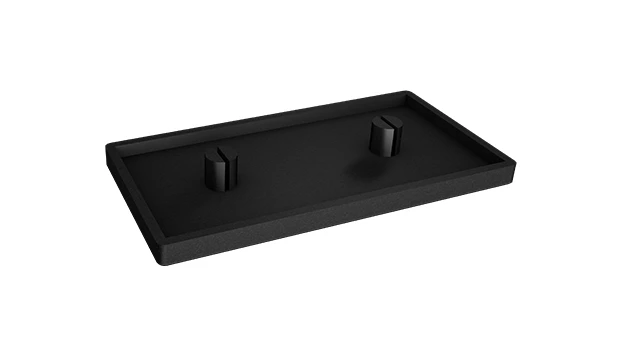
The aluminum profile end cap adds a finishing touch to your project and closes off profile ends to limit dust and debris buildup, also it can avaid some scratch for material and labor during the assemble work.
It's 8:30 AM on a busy Wednesday, and your workshop floor is buzzing. Your team is assembling a batch of aluminum extrusion profile workbenches for a local manufacturer—a project that's been in the works for weeks. You're already tight on deadlines, so when your lead technician, Raj, calls you over, you're bracing for bad news. "Take a look at these," he says, holding up a small plastic cap. "The new shipment of 4080 aluminum profile end caps —they're not fitting right. I had to force one onto the profile, and it cracked. Now the edge of the aluminum is exposed, and Lisa almost cut her hand on it earlier."
You pick up the end cap, and sure enough, the plastic feels thin and brittle. The color is slightly off—more of a dull gray than the consistent off-white you're used to. "Did we get these from our usual supplier?" you ask. Raj checks the invoice. "No, switched to a new vendor to 'save costs.' They said it was the same part, just cheaper." You sigh. Another case of counterfeit aluminum profile accessories slipping through the cracks. By the end of the day, half the batch of end caps is unusable, you've lost two hours of production time, and you're left wondering: How do you even tell the real deal from a fake when it comes to something as small as an end cap?
If you work with aluminum profile systems—whether for lean manufacturing setups, workbenches, or material racks—this scenario might hit close to home. Counterfeit accessories, especially but critical parts like end caps, are a silent threat to workshops everywhere. They're cheap, they look similar at first glance, and they can derail your operations faster than a misplaced wrench. But here's the good news: With a little know-how, you can spot fakes before they cause problems. In this guide, we're breaking down everything you need to know to identify genuine 4080 aluminum profile end caps, why it matters, and how to protect your team and your bottom line.
First Things First: Why Do 4080 Aluminum Profile End Caps Even Matter?
Let's start with the basics. If you're new to working with aluminum extrusion profiles, you might be thinking, "It's just a plastic cap—how important can it be?" Spoiler: More important than you'd think. The 4080 aluminum profile end cap is the unsung hero of your aluminum structure, with three big jobs:
1. Protecting the Aluminum Profile Itself – Aluminum extrusion profiles, like the 4080 series, have hollow ends. Without an end cap, those ends are vulnerable to dents, scratches, and corrosion from moisture or debris. Over time, even a small nick can weaken the profile, compromising the entire structure—whether it's a workbench, a conveyor frame, or a material rack.
2. Safety First – Raw aluminum extrusion edges are sharp. Ever brushed your hand against an uncovered profile end? It's not fun. End caps smooth those edges, reducing the risk of cuts and scrapes for your team. In busy workshops, where people are moving fast, this isn't just a "nice-to-have"—it's a safety requirement.
3. Keeping the Structure Tight – Believe it or not, end caps help maintain the structural integrity of the aluminum profile system. They prevent the profile from flexing or warping at the ends, especially in load-bearing setups like shelving or workbenches. A loose or cracked end cap can lead to wobbly structures, which in turn cause parts to misalign or tools to slip.
In short: End caps might be small, but they're the glue (literally, in some cases) that holds your aluminum systems together. And when they're counterfeit? Those small problems turn into big headaches.
The Rise of Counterfeit Aluminum Profile Accessories: Why It's a Growing Problem
Counterfeiters aren't just targeting luxury goods or electronics—they're going after aluminum profile accessories too. Why? Because demand is high, and the barrier to entry is low. Aluminum extrusion profile systems are everywhere: in factories, labs, warehouses, even retail stores. That means a steady market for parts like end caps, brackets, and connectors.
Counterfeiters exploit this by churning out cheap knockoffs. They use low-grade materials (think: recycled plastic instead of high-quality polymers), skip quality control, and sell them at rock-bottom prices. To the untrained eye, they look identical to the real thing. But here's the catch: Those savings up front? They vanish the second the end cap cracks, the profile gets damaged, or someone gets hurt.
So what does a counterfeit 4080 aluminum profile end cap look like, exactly? Let's break it down.

What Counterfeit 4080 Aluminum Profile End Caps Are Made Of (Spoiler: It's Not Good)
Genuine end caps are typically made from high-grade plastics like ABS (acrylonitrile butadiene styrene) or polypropylene. These materials are tough, heat-resistant, and flexible enough to absorb minor impacts without cracking. They're also UV-stabilized, so they won't fade or degrade when exposed to light—important if your profiles are near windows or in outdoor settings.
Counterfeit end caps, on the other hand, are usually made from whatever's cheapest. Common culprits include:
Recycled PVC – PVC is cheap and easy to mold, but it's brittle. It cracks under pressure, warps in heat, and releases toxic fumes when heated (not great for workshops with machinery). Recycled PVC is even worse—it's often contaminated with other plastics, leading to inconsistent quality.
Low-Density Polyethylene (LDPE) – LDPE is soft and flexible, but it's not strong enough for end caps. It stretches over time, meaning the cap will loosen and fall off the profile, leaving the end exposed.
Mixed Plastic Scrap – Some counterfeiters just melt down random plastic waste—old bottles, broken toys, you name it—and mold it into end caps. The result? A patchwork material that's weak, discolored, and prone to crumbling.
The worst part? You can't always tell by looking. Counterfeiters have gotten good at copying colors and basic shapes. That's why you need a system to spot fakes—before they end up on your workshop floor.

4 Foolproof Ways to Spot a Genuine 4080 Aluminum Profile End Cap
Now, the part you've been waiting for: How to tell if an end cap is the real deal. We've tested dozens of genuine and counterfeit caps in workshops across the country, and these four checks will help you separate the wheat from the chaff.
Check #1: The Visual Clues (Your Eyes Are Your First Tool)
Start with a good, old-fashioned visual inspection. Genuine end caps are made with precision—counterfeits? Not so much. Here's what to look for:
Color Consistency – Genuine 4080 aluminum profile end caps have a uniform color. Most manufacturers stick to neutral tones: off-white, gray, or black. Counterfeits often have splotchy coloring, with lighter or darker patches. If the cap looks like it was dyed unevenly, that's a red flag.
Surface Finish – Run your finger along the cap. Genuine caps have a smooth, matte finish with minimal texture. Counterfeits? They might feel rough, sticky, or overly glossy. You might also notice visible mold lines—thick, uneven ridges where the plastic seeped out of the mold during manufacturing. Genuine caps have faint mold lines, if any.
Branding and Markings – Reputable manufacturers stamp their end caps with identifying marks. This could be a logo, a part number (like "4080-EC" for 4080 end caps), or even a batch code. These marks are crisp and easy to read. Counterfeits might have blurry, misspelled, or missing markings. One workshop we visited found counterfeit caps stamped with "4080-ED" (typo included) and a logo that looked like a smudged version of the real thing.
Edge Quality – Flip the cap over and check the edges. Genuine caps have rounded, smooth edges to prevent cuts. Counterfeits often have sharp, jagged edges—another sign of poor mold quality.
Check #2: The Squeeze Test (Flexibility Tells the Story)
Genuine end caps are tough but flexible. Here's a quick test: Gently squeeze the cap between your thumb and forefinger. It should give a little, then spring back to shape. Counterfeit caps? They'll either be rock-hard (brittle plastic) or floppy (soft, cheap plastic). If it cracks when you squeeze it, or stays bent out of shape, toss it.
Check #3: The Fit Test (It Should Slide In—No Force Required)
The ultimate test? Try fitting the cap onto a 4080 aluminum profile . Genuine caps are designed to fit snugly, with just enough friction to stay in place. They should slide onto the profile with gentle pressure—no hammering, no prying. If you have to force it, or if it falls off when you shake the profile, that's a counterfeit.
Pro tip: Keep a "control" cap—one you know is genuine—on hand for comparison. When a new shipment arrives, compare the fit of the new caps to your control. Even a small difference in size can mean big problems down the line.
Check #4: The Supplier Check (Don't Trust "Too Good to Be True" Deals)
Here's the truth: The best way to avoid counterfeits is to buy from a reputable aluminum profile supplier . But how do you know if a supplier is trustworthy? Ask these questions:
Do they have a physical address and factory? Counterfeit suppliers often operate out of basements or online-only stores with no real location. Reputable suppliers will list their factory address and even let you visit.
Can they provide certifications? Look for ISO 9001 certification (quality management) or RoHS compliance (no harmful chemicals). Genuine suppliers are happy to share these documents.
What's their return policy? A supplier who stands by their products will offer a no-hassle return policy if you receive defective caps. Counterfeit suppliers? They'll ghost you the second you complain.
Remember: If a deal seems too good to be true, it probably is. Genuine end caps cost between $0.50 and $1.50 each, depending on quantity. If someone is selling them for $0.10 or $0.20, they're cutting corners—and you'll pay for it later.
Genuine vs. Counterfeit: A Side-by-Side Comparison
Still not sure? This table breaks down the key differences between genuine and counterfeit 4080 aluminum profile end caps. Print it out and keep it by your receiving dock for quick reference:
| Feature | Genuine 4080 Aluminum Profile End Cap | Counterfeit 4080 Aluminum Profile End Cap |
|---|---|---|
| Material | High-grade ABS or polypropylene with UV stabilizers | Recycled PVC, LDPE, or mixed plastic scrap |
| Color | Uniform, consistent (off-white, gray, or black) | Splotchy, with lighter/darker patches |
| Surface Feel | Smooth, matte, no stickiness | Rough, glossy, or sticky to the touch |
| Mold Lines | Faint, thin, and even | Thick, uneven, or jagged |
| Branding | Crisp logo, part number, or batch code | Blurry, misspelled, or missing markings |
| Flexibility | Bends slightly, returns to shape | Brittle (cracks when bent) or floppy (stays bent) |
| Fit on Profile | Snug, slides on with gentle pressure | Too loose (falls off) or too tight (requires force) |
| Price per Unit | $0.50–$1.50 (bulk pricing) | $0.10–$0.30 (suspiciously low) |
| Supplier Support | Certifications, returns, and batch testing available | No documentation, unresponsive to complaints |
The Hidden Cost of Counterfeit End Caps (It's More Than Just Money)
We get it: Budgets are tight, and saving a few cents per end cap might seem like a smart move. But let's do the math. Suppose you buy 10,000 counterfeit end caps at $0.20 each, instead of genuine ones at $1.00 each. You "save" $8,000 upfront. Sounds great—until reality hits:
Production Downtime – If 30% of the counterfeit caps crack or don't fit, you'll spend hours replacing them. At $50/hour for a technician, 10 hours of work costs $500. Multiply that by multiple shipments, and the savings vanish.
Profile Damage – A cracked end cap leaves the aluminum profile exposed. If even 10% of your profiles get damaged, you're looking at $20–$50 per profile to replace. For 100 profiles, that's $2,000–$5,000.
Worker Injuries – Sharp, uncovered profiles can lead to cuts. A single injury could cost $1,000–$10,000 in medical bills and lost work time. Not to mention the human cost of a team member in pain.
One manufacturer we worked with learned this the hard way. They saved $5,000 on counterfeit end caps, then spent $12,000 fixing damaged profiles and covering an injury claim. The "savings" turned into a $7,000 loss. Genuine end caps aren't an expense—they're insurance.
Final Thoughts: Protect Your Workshop, Protect Your Team
At the end of the day, 4080 aluminum profile end caps are small parts with a big job. They keep your aluminum extrusion profile systems safe, strong, and efficient. Counterfeit caps might look the part, but they're a ticking time bomb for your workshop.
The good news? With the checks we've outlined—visual inspection, flexibility tests, fit checks, and supplier verification—you can keep fakes out of your facility. And when in doubt, trust your gut: If a deal seems too good to be true, it probably is. Invest in genuine aluminum profile accessories , and you'll sleep better knowing your team, your products, and your bottom line are protected.
Now, go grab that box of end caps from the corner of your receiving dock. Take 5 minutes to run through these checks. You might be surprised by what you find. And if you spot a fake? Send it back. Your workshop (and your team) will thank you.