- Company Articles
- Products and Technology
- Product knowledge
- How to Identify High-Quality Lean Pipe Clamps: Key Indicators

How to Identify High-Quality Lean Pipe Clamps: Key Indicators
Related Product
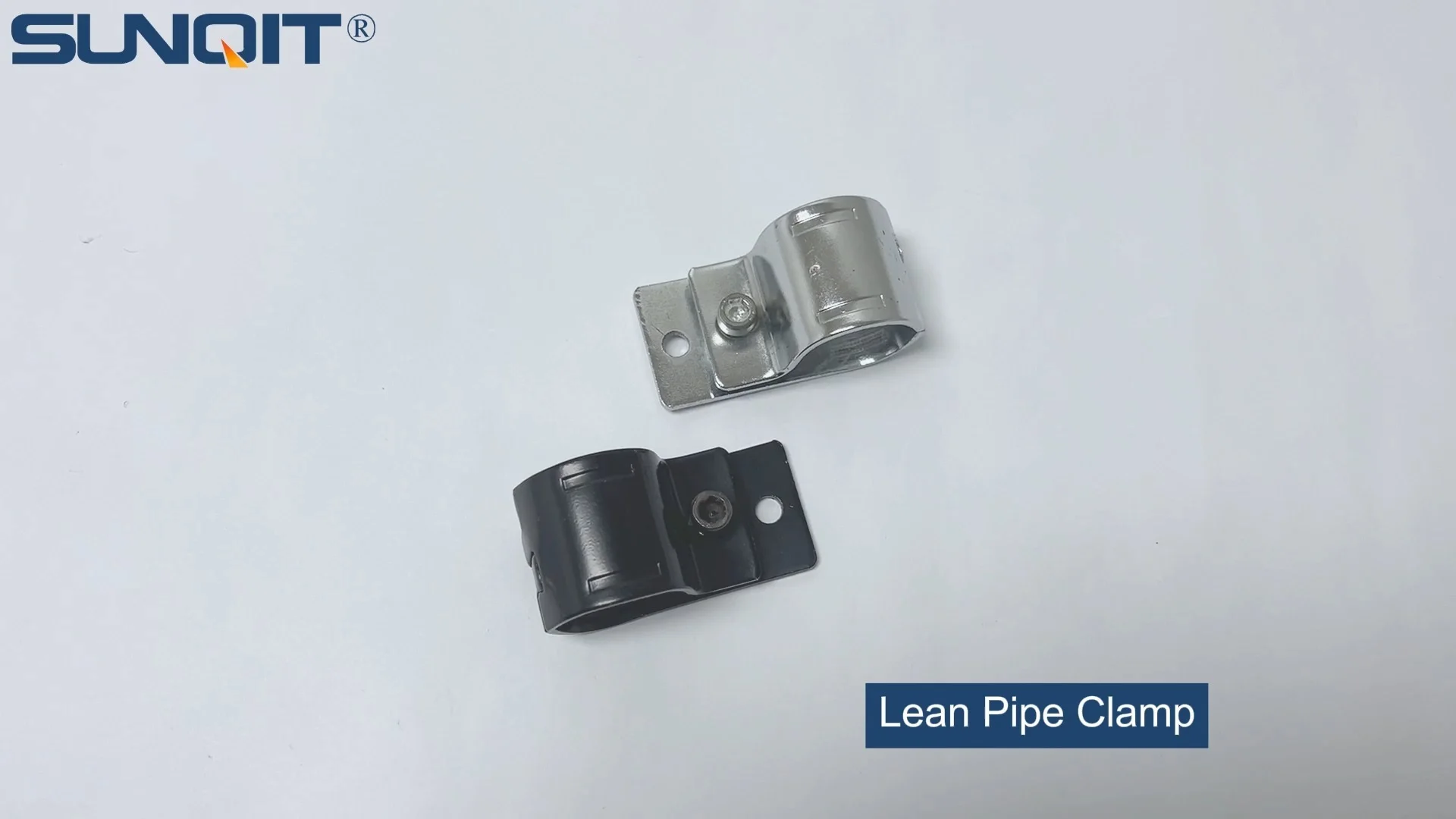
Lean Pipe Clamp
Lean pipe clamp is used for rack system hang monitor or other panel for workbenck, flowrack in production daily use.
Walk into any well-run manufacturing facility, warehouse, or assembly plant today, and you'll likely spot the telltale signs of a lean system at work: sleek workbenches, streamlined flow racks, and agile conveyor setups that keep materials moving like clockwork. These setups don't just happen by accident—they're built on a foundation of simple, modular components, and at the heart of that foundation are lean pipe clamps . These small but mighty connectors are the unsung heroes holding everything together, turning basic pipes into functional, flexible structures that drive efficiency. But here's the thing: not all clamps are created equal. A shoddy clamp can turn a smooth-running lean operation into a frustrating, error-prone mess—wasting time, money, and even putting workers at risk. So, how do you separate the durable, reliable clamps from the ones that'll let you down? Let's dive in.
First Things First: What Even Are Lean Pipe Clamps?
Before we get into the nitty-gritty of quality, let's make sure we're all on the same page. Lean pipe clamps are the hardware that connects lean pipes (think aluminum, steel, or stainless steel tubes) together, allowing you to build custom structures like workstations, material racks, or turnover trolleys. They're the reason lean systems are so flexible—you can disassemble, reconfigure, and rebuild your setup as your needs change, all thanks to these clamps. Whether you're putting together a simple lean pipe workbench or a complex network of flow racks, the clamps are what keep the pipes securely joined, ensuring stability and safety.
But here's where it gets tricky: because they seem "simple," it's easy to overlook their quality. Many buyers default to the cheapest option, assuming all clamps do the same job. Spoiler: they don't. A low-quality clamp might look the part at first, but after a few weeks of use, you'll notice the wobble. Then the loose connections. Then, eventually, the whole structure might start to sag or even collapse. That's why knowing how to spot a high-quality lean pipe clamp is non-negotiable if you want your lean system to deliver on its promise of efficiency.
Key Indicator #1: Material Quality—It All Starts Here
The first clue to a clamp's quality is the material it's made from. Think of it like building a house: you wouldn't use cardboard for the foundation, right? The same logic applies here. Lean pipe clamps are typically made from steel, aluminum, or stainless steel, each with its own strengths, but the quality of that material matters just as much as the type.
Let's start with aluminum. An aluminum pipe clamp is lightweight, corrosion-resistant, and ideal for environments where weight or rust is a concern—like cleanrooms or food processing facilities. But not all aluminum clamps are equal. High-quality aluminum clamps will feel substantial, not flimsy. They'll have a smooth, consistent finish (no rough spots or discoloration) and won't bend easily if you apply gentle pressure. Cheaper aluminum clamps, on the other hand, might feel hollow or overly lightweight, and their surfaces might have uneven coloring or visible defects—red flags for poor manufacturing.
Steel clamps are another common option, prized for their strength. Look for clamps made from high-grade steel (like Q235 or higher) that's been treated for rust resistance, such as zinc plating or powder coating. A quick test: run your finger along the surface. It should feel smooth, not gritty, and there should be no signs of chipping or flaking in the coating. If the steel feels thin or bends when you grip it firmly, that's a sign it's low-quality.
Stainless steel clamps are the heavyweights, designed for harsh environments with moisture, chemicals, or extreme temperatures. Check for a uniform, matte finish (no streaks or discoloration) and look for markings like "304" or "316" (grades of stainless steel known for durability). If a stainless steel clamp feels cheap or has visible seams, it's likely made from a lower-grade alloy that won't hold up over time.

Key Indicator #2: Design and Manufacturing Precision—The Devil's in the Details
Even the best materials can be ruined by shoddy manufacturing. A well-designed lean pipe clamp should fit together like a puzzle piece—snug, secure, and without any wiggle room. Here's what to look for:
Fit and Finish: When you hold a clamp, run your fingers along its edges. Are there sharp burrs or rough spots? Those aren't just annoying—they can tear gloves, scratch pipes, or even cut hands during assembly. High-quality clamps will have smooth, rounded edges and a consistent finish, whether that's painted, plated, or anodized (for aluminum). The clamp's opening (where the pipe fits) should be perfectly circular and sized to match standard pipe diameters (often 28mm or 30mm for lean pipes). A cheap clamp might have an oval or misshapen opening, leading to a loose fit that wobbles over time.
Thread Quality: Many clamps use bolts or screws to tighten around the pipe. Take a close look at the threads—they should be clean, evenly spaced, and free of dents or stripping. If you can, test tightening the clamp by hand: it should turn smoothly without sticking or skipping. A clamp with poorly cut threads might seize up, making it impossible to adjust or remove later—defeating the whole "flexible" point of a lean system.
Symmetry and Balance: Hold the clamp up to eye level and check if it's symmetrical. A lopsided clamp is a sign of lazy manufacturing, and it will pull unevenly on the pipe, leading to stress cracks or instability. High-quality clamps are engineered to distribute pressure evenly, ensuring the pipe stays centered and secure.

Key Indicator #3: Load Capacity and Durability—Can It Handle the Heat?
Let's get practical: a clamp's job is to hold weight. Whether it's supporting a stack of boxes on a flow rack or keeping a workbench steady during assembly, the clamp needs to withstand constant pressure without bending, warping, or breaking. So, how do you know if a clamp can handle the load?
Start by checking the manufacturer's specifications. Reputable brands will clearly list the maximum load capacity for each clamp (e.g., "50kg per clamp" or "200lbs vertical load"). But don't just take their word for it—look for third-party testing or certification. A clamp that's been tested to meet industry standards (like ISO or ANSI) is far more likely to perform as advertised than one with vague claims like "heavy-duty."
You can also do a simple "stress test" (gently, of course). Hold the clamp in both hands and apply moderate pressure—does it flex or bend? A high-quality clamp will feel rigid and unyielding. If it gives way easily, imagine what happens when you stack 30kg of materials on top of it. Another red flag: thin walls. Pinch the clamp between your thumb and forefinger—if you can easily indent the metal, it's too flimsy for serious use.
Durability is about more than just strength, too. It's about how well the clamp holds up over time. Look for signs of long-term resilience, like reinforced stress points (where the clamp is most likely to bend) or corrosion-resistant coatings. A clamp that rusts after a few months in a humid warehouse isn't just ugly—it's a safety hazard, as rust weakens the metal and can cause sudden failure.

Key Indicator #4: Compatibility with Lean Pipes and Joints
Lean systems thrive on modularity, which means your clamps need to play nice with other components—especially lean pipe joints and the pipes themselves. A clamp that only works with one brand of pipe or joint is a recipe for frustration, limiting your ability to reconfigure or expand your setup.
First, check the pipe diameter. Most lean pipes are 28mm or 30mm, but some systems use smaller or larger sizes. A quality clamp will clearly state which pipe size it's designed for (e.g., "for 28mm aluminum lean pipe"). If the label is vague ("fits most pipes"), proceed with caution—it might be a one-size-fits-none situation.
Next, consider compatibility with other joints and accessories. For example, if you're building a flow rack, you might need clamps that work with roller track connectors or caster wheels. High-quality brands design their clamps to integrate seamlessly with standard lean system components, so you won't be stuck hunting for "mystery parts" when you want to add a new shelf or extend a conveyor.
Pro tip: If you're unsure, ask the supplier for a compatibility chart or sample. A reputable supplier will be happy to send you a clamp to test with your existing pipes and joints—no strings attached. If they hesitate, that's a warning sign they might be selling clamps that don't play well with others.
Key Indicator #5: Corrosion and Wear Resistance—Built to Last, Not Just Look Good
Factories and warehouses are tough environments. There's dust, moisture, oils, and sometimes even chemicals in the air—all of which can take a toll on metal components. A clamp that isn't resistant to corrosion and wear will start to degrade quickly, leading to rust, pitting, or weakened connections.
For steel clamps, look for protective coatings like zinc plating (silver or gold finish), powder coating (matte or glossy colors), or galvanization (dull gray, rough texture). These coatings act as a barrier against moisture and rust. Aluminum clamps often use anodization—a process that creates a hard, protective layer on the surface—look for a consistent, even color (no splotches) to ensure the anodization is done properly.
If your facility has extreme conditions (like a food processing plant with frequent washdowns or a chemical lab), consider stainless steel clamps. Stainless steel is naturally resistant to corrosion, but as we mentioned earlier, not all grades are equal—316 stainless steel is better for harsh chemicals than 304, so check the specs.
Wear resistance is just as important. The parts of the clamp that rub against the pipe (like the inner surface) should be smooth but tough—no rough spots that will scratch or weaken the pipe over time. Some clamps even have rubber or plastic inserts to protect the pipe and reduce friction, which is a nice bonus for longevity.
A Quick Comparison: Low-Quality vs. High-Quality Lean Pipe Clamps
| Feature | Low-Quality Clamp | High-Quality Clamp |
|---|---|---|
| Material | Thin, low-grade steel or aluminum; prone to bending. | High-grade steel, aluminum, or stainless steel; rigid and durable. |
| Finish | Rough, uneven; visible burrs or rust spots. | Smooth, consistent; no burrs; corrosion-resistant coating. |
| Fit | Oval or misshapen pipe opening; loose or wobbly fit. | Precisely circular opening; snug, tight fit with standard pipes. |
| Threads | Stripped, uneven, or poorly cut; hard to tighten. | Clean, sharp threads; smooth tightening/loosening. |
| Load Capacity | Vague or untested claims; bends under moderate weight. | Clear, tested specs; holds rated weight without flexing. |
| Compatibility | Works with limited pipe/joint brands; poor integration. | Compatible with standard lean pipes/joints; modular design. |
Key Indicator #6: The Supplier's Reputation—Your Partner in Quality
Last but never least: the company behind the clamp matters. A reputable lean pipe supplier or manufacturer will stand behind their products, offering clear warranties, responsive customer service, and transparent information about their manufacturing processes. Here's what to look for:
Transparent Sourcing and Testing: Good suppliers will tell you where their materials come from and how their clamps are tested. Do they use recycled or low-quality metals? Do they test each batch for strength and durability? If a supplier can't answer these questions, that's a red flag.
Customer Reviews and References: Check online reviews or ask for references from other businesses in your industry. A supplier with a history of happy customers is far more likely to deliver quality clamps than one with a string of complaints about "wobbly connections" or "clamps breaking after a month."
Warranty and Support: A confident supplier will offer a warranty (e.g., "1-year warranty against defects") and be easy to reach if you have issues. Avoid suppliers that offer no warranty or make you jump through hoops to get support—if something goes wrong, you'll be on your own.
Common Mistakes to Avoid When Choosing Lean Pipe Clamps
Now that you know what to look for, let's cover a few pitfalls to steer clear of:
Going for the Cheapest Option: It's tempting to save a few dollars per clamp, but remember: a $2 clamp that fails is more expensive than a $5 clamp that lasts for years. Cheap clamps lead to rework, downtime, and potential safety issues—costing you far more in the long run.
Ignoring Load Capacity: Don't assume "all clamps are strong enough." Always check the load rating and err on the side of caution. If your workbench needs to hold 100kg, use clamps rated for 150kg—overkill is better than failure.
Overlooking Compatibility: Buying clamps without checking if they fit your existing pipes or joints is a recipe for frustration. Always verify size and compatibility before ordering in bulk.
Final Thoughts: Invest in Quality, Reap the Rewards
Lean pipe clamps might be small, but their impact on your operation is huge. They're the glue that holds your lean system together, and choosing high-quality clamps is one of the smartest investments you can make in efficiency, safety, and long-term success. By focusing on material quality, precision, load capacity, compatibility, and supplier reputation, you'll be able to spot the clamps that will keep your operation running smoothly—and avoid the ones that will let you down.
So, the next time you're shopping for lean pipe clamps, take a closer look. Feel the weight, check the finish, test the fit. Your lean system (and your bottom line) will thank you.