- Company Articles
- Products and Technology
- Product knowledge
- How to Identify High-Quality Parallel Lean Pipe Joints: Inspection Tips

How to Identify High-Quality Parallel Lean Pipe Joints: Inspection Tips
Related Product
Parallel Lean Pipe Joint
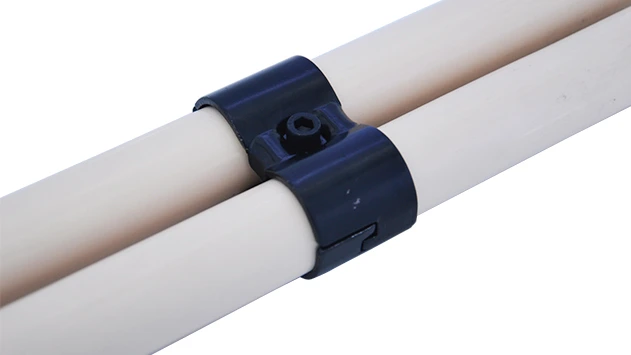
Parallel lean pipe joint used for 2 pcs 28MM lean pipe connection in parallel direction to enhance frame structure, usually for heavy payload requirement for workbench. flow rack, hand trolley.
In the fast-paced world of manufacturing and assembly, every component plays a silent but critical role in keeping operations running smoothly. When it comes to building efficient workbenches, flow racks, or material handling systems, few parts are as yet essential as the parallel lean pipe joint. These small connectors are the unsung heroes that hold your lean system together, ensuring stability, flexibility, and longevity in your workspace. But not all parallel lean pipe joints are created equal. A low-quality joint can lead to wobbly workbenches, sagging material racks, and even safety hazards—costing you time, money, and peace of mind in the long run. So, how do you separate the durable, reliable joints from the ones that'll let you down? This guide will walk you through practical, hands-on inspection tips to help you identify high-quality parallel lean pipe joints, ensuring your lean system stands the test of daily wear and tear.
Understanding Parallel Lean Pipe Joints: The Backbone of Your Lean System
Before diving into inspection, let's clarify what parallel lean pipe joints are and why they matter. In lean manufacturing, systems are built around the idea of minimizing waste and maximizing efficiency. Parallel lean pipe joints are the connectors that link aluminum or steel lean pipes together, forming the framework for workbenches, conveyor systems, and turnover trolleys. Unlike fixed joints, parallel joints are designed to connect pipes that run alongside each other—think of the horizontal supports under a workbench or the side rails of a flow rack. Their job? To distribute weight evenly, maintain structural integrity, and allow for easy adjustments or reconfigurations as your needs change.
Imagine a workbench in an electronics assembly line. It holds circuit boards, tools, and components all day, every day. The parallel lean pipe joints under that bench are quietly bearing the load, ensuring the surface doesn't dip or shift. If those joints are poorly made, the bench might start to wobble, leading to misaligned assemblies or even dropped parts. Over time, loose joints can cause pipes to rub against each other, wearing down the coating and creating metal shavings that contaminate sensitive components. That's why choosing high-quality joints isn't just about durability—it's about protecting your products, your team, and your bottom line.
Imagine a workbench in an electronics assembly line. It holds circuit boards, tools, and components all day, every day. The parallel lean pipe joints under that bench are quietly bearing the load, ensuring the surface doesn't dip or shift. If those joints are poorly made, the bench might start to wobble, leading to misaligned assemblies or even dropped parts. Over time, loose joints can cause pipes to rub against each other, wearing down the coating and creating metal shavings that contaminate sensitive components. That's why choosing high-quality joints isn't just about durability—it's about protecting your products, your team, and your bottom line.
Key Material Checks: What's It Made Of?
The first clue to a joint's quality lies in its material. Most parallel lean pipe joints are made from aluminum, steel, or a combination of metals, often with coatings to resist corrosion. Here's how to inspect materials like a pro:
1. Aluminum Alloys: Lightweight but Strong
Aluminum is a popular choice for lean pipe systems because it's lightweight, resistant to rust, and easy to handle. High-quality parallel lean pipe joints made from aluminum should use a durable alloy—look for labels like 6061 or 6063, which are known for their strength and weldability. To check, ask the supplier for material certification or test reports. If you're holding the joint in hand, it should feel solid but not overly heavy; cheap aluminum alloys often feel flimsy or have a "hollow" sound when tapped gently against a hard surface.
2. Coating and Finish: Smooth, Even, and Consistent
Even the best aluminum can corrode if not properly coated. Inspect the joint's surface for a smooth, uniform finish. High-quality joints will have a powder-coated or anodized layer that resists scratches and chipping. Run your finger along the edges—if you feel rough spots, bubbles, or uneven color, that's a red flag. For example, a yellow plastic coating on a roller track guide rail should be vibrant and free of streaks; a dull or patchy coating suggests rushed manufacturing.
3. Steel Components: Look for Thickness and Rust Resistance
Some joints, especially those designed for heavy loads, use steel parts. Check the thickness of steel components—high-quality joints will have a gauge of at least 1.5mm (thicker for heavy-duty applications). Hold a magnet near the joint; if it sticks, it's likely steel. Then, inspect for signs of rust or pitting, even in small crevices. A good steel joint should have a zinc plating or galvanized coating to prevent corrosion. If you see any orange-brown spots, that coating is compromised, and the joint will degrade faster in humid or dusty environments.
1. Aluminum Alloys: Lightweight but Strong
Aluminum is a popular choice for lean pipe systems because it's lightweight, resistant to rust, and easy to handle. High-quality parallel lean pipe joints made from aluminum should use a durable alloy—look for labels like 6061 or 6063, which are known for their strength and weldability. To check, ask the supplier for material certification or test reports. If you're holding the joint in hand, it should feel solid but not overly heavy; cheap aluminum alloys often feel flimsy or have a "hollow" sound when tapped gently against a hard surface.
2. Coating and Finish: Smooth, Even, and Consistent
Even the best aluminum can corrode if not properly coated. Inspect the joint's surface for a smooth, uniform finish. High-quality joints will have a powder-coated or anodized layer that resists scratches and chipping. Run your finger along the edges—if you feel rough spots, bubbles, or uneven color, that's a red flag. For example, a yellow plastic coating on a roller track guide rail should be vibrant and free of streaks; a dull or patchy coating suggests rushed manufacturing.
3. Steel Components: Look for Thickness and Rust Resistance
Some joints, especially those designed for heavy loads, use steel parts. Check the thickness of steel components—high-quality joints will have a gauge of at least 1.5mm (thicker for heavy-duty applications). Hold a magnet near the joint; if it sticks, it's likely steel. Then, inspect for signs of rust or pitting, even in small crevices. A good steel joint should have a zinc plating or galvanized coating to prevent corrosion. If you see any orange-brown spots, that coating is compromised, and the joint will degrade faster in humid or dusty environments.
Pro Tip:
Compare joints side by side. Take a joint from a trusted lean pipe supplier and one from a new vendor. Weigh them—high-quality aluminum joints will feel heavier than cheap, thin alternatives, even if they're the same size. The extra weight often comes from denser, higher-grade alloys.

Design and Engineering: Precision in the Details
A joint's design is just as important as its material. High-quality parallel lean pipe joints are engineered with precision, ensuring a tight, secure fit with minimal play. Here's what to look for:
1. Machining Precision: No Gaps or Burrs
Examine the holes where the lean pipe inserts. They should be perfectly round, with smooth edges. Run your finger around the hole—any burrs, sharp edges, or uneven diameters mean poor machining. A well-machined joint will grip the pipe snugly; if you can wiggle the pipe inside the joint, that's a problem. For example, a parallel lean pipe joint designed for a 28mm aluminum pipe should have a hole diameter of exactly 28mm, with no slop.
2. Load-Bearing Structure: Ribs and Reinforcements
Flip the joint over and look at its underside or back. High-quality joints often have reinforcing ribs or gussets—small, triangular metal pieces that add strength without adding much weight. These ribs prevent the joint from bending under heavy loads. For instance, a joint used in a material rack with three rows and three floors (like "material rack b" in many catalogs) will need extra reinforcement to support the weight of stacked bins. If the joint is flat with no ribs, it might flex or crack over time.
3. Thread Quality: Smooth and Consistent
Many parallel lean pipe joints use screws or bolts to secure pipes in place. Check the threads on these fasteners—they should be clean, evenly spaced, and free of damage. If the threads are cross-cut, bent, or have chunks missing, the bolt might not tighten properly, leading to loose connections. Try threading a bolt into the joint by hand; it should turn smoothly without sticking or skipping. If you need a wrench to start the thread, that's a sign of poor quality.
1. Machining Precision: No Gaps or Burrs
Examine the holes where the lean pipe inserts. They should be perfectly round, with smooth edges. Run your finger around the hole—any burrs, sharp edges, or uneven diameters mean poor machining. A well-machined joint will grip the pipe snugly; if you can wiggle the pipe inside the joint, that's a problem. For example, a parallel lean pipe joint designed for a 28mm aluminum pipe should have a hole diameter of exactly 28mm, with no slop.
2. Load-Bearing Structure: Ribs and Reinforcements
Flip the joint over and look at its underside or back. High-quality joints often have reinforcing ribs or gussets—small, triangular metal pieces that add strength without adding much weight. These ribs prevent the joint from bending under heavy loads. For instance, a joint used in a material rack with three rows and three floors (like "material rack b" in many catalogs) will need extra reinforcement to support the weight of stacked bins. If the joint is flat with no ribs, it might flex or crack over time.
3. Thread Quality: Smooth and Consistent
Many parallel lean pipe joints use screws or bolts to secure pipes in place. Check the threads on these fasteners—they should be clean, evenly spaced, and free of damage. If the threads are cross-cut, bent, or have chunks missing, the bolt might not tighten properly, leading to loose connections. Try threading a bolt into the joint by hand; it should turn smoothly without sticking or skipping. If you need a wrench to start the thread, that's a sign of poor quality.

Functional Testing: Put It to Work (Before You Buy)
The best way to test a joint's quality is to simulate real-world use. Here are simple tests you can do in your workshop or warehouse:
1. Load Testing: How Much Weight Can It Handle?
Even if the supplier lists a load capacity, verify it yourself. Set up a small test frame using the joint, two short lean pipes, and a flat surface (like a piece of plywood). Gradually add weight to the surface—start with 50 lbs, then 100 lbs, and so on—and check for bending or shifting. A high-quality parallel lean pipe joint should hold the rated load without deforming. For example, if the joint is supposed to support 200 lbs, the frame shouldn't sag, and the joint shouldn't creak or crack under that weight.
2. Adjustment Test: Can It Handle Repeated Moves?
Lean systems are all about flexibility, so your joints should handle being adjusted. Loosen the bolts, slide the pipes to a new position, and retighten. Repeat this 5–10 times. High-quality joints will maintain their grip after multiple adjustments; low-quality ones might start to slip or strip the threads. If the joint feels looser after the third adjustment, it's not built for long-term use.
3. Vibration Resistance: Shake It Like It's Tested
Manufacturing floors are noisy, with machines vibrating all day. Secure the joint to a workbench and use a power tool (like a drill with a sander attachment) to create vibration nearby. After 10–15 minutes, check if the joint has loosened. High-quality joints with tight tolerances and secure fasteners will stay put; cheaper ones might start to rattle or shift.
1. Load Testing: How Much Weight Can It Handle?
Even if the supplier lists a load capacity, verify it yourself. Set up a small test frame using the joint, two short lean pipes, and a flat surface (like a piece of plywood). Gradually add weight to the surface—start with 50 lbs, then 100 lbs, and so on—and check for bending or shifting. A high-quality parallel lean pipe joint should hold the rated load without deforming. For example, if the joint is supposed to support 200 lbs, the frame shouldn't sag, and the joint shouldn't creak or crack under that weight.
2. Adjustment Test: Can It Handle Repeated Moves?
Lean systems are all about flexibility, so your joints should handle being adjusted. Loosen the bolts, slide the pipes to a new position, and retighten. Repeat this 5–10 times. High-quality joints will maintain their grip after multiple adjustments; low-quality ones might start to slip or strip the threads. If the joint feels looser after the third adjustment, it's not built for long-term use.
3. Vibration Resistance: Shake It Like It's Tested
Manufacturing floors are noisy, with machines vibrating all day. Secure the joint to a workbench and use a power tool (like a drill with a sander attachment) to create vibration nearby. After 10–15 minutes, check if the joint has loosened. High-quality joints with tight tolerances and secure fasteners will stay put; cheaper ones might start to rattle or shift.
Manufacturing Standards: Does It Meet the Mark?
Reputable manufacturers follow industry standards to ensure consistency and safety. Ask the supplier about certifications or compliance with standards like ISO 9001 (quality management) or RoHS (restriction of hazardous substances). A high-quality lean pipe supplier will be happy to share test reports or third-party audits.
For example, look for joints that meet DIN (German Institute for Standardization) specifications for lean pipe systems. DIN standards outline requirements for material strength, dimensional accuracy, and corrosion resistance. If a supplier can't provide documentation of compliance, that's a warning sign—they might be cutting corners to save costs.
Also, check for batch consistency. Take two joints from the same batch and measure their key dimensions (hole diameter, length, width) with a caliper. High-quality manufacturing will have minimal variation—differences of more than 0.1mm could mean inconsistent performance when building your system.
For example, look for joints that meet DIN (German Institute for Standardization) specifications for lean pipe systems. DIN standards outline requirements for material strength, dimensional accuracy, and corrosion resistance. If a supplier can't provide documentation of compliance, that's a warning sign—they might be cutting corners to save costs.
Also, check for batch consistency. Take two joints from the same batch and measure their key dimensions (hole diameter, length, width) with a caliper. High-quality manufacturing will have minimal variation—differences of more than 0.1mm could mean inconsistent performance when building your system.
Evaluating the Supplier: More Than Just a Product
A joint is only as good as the company that makes it. When choosing a lean pipe supplier, look beyond the product to the supplier's reputation and support:
1. Experience in Lean Systems
Suppliers who specialize in lean pipe systems (not just general hardware) are more likely to understand the unique demands of manufacturing environments. Ask how long they've been making parallel lean pipe joints—five years or more is a good benchmark. An experienced supplier will also offer technical support, helping you choose the right joint for your specific application (e.g., a heavy-duty joint for a material rack vs. a lightweight one for a mobile trolley).
2. Customer Reviews and References
Search online for reviews or ask the supplier for customer references. Look for feedback about durability, delivery times, and problem resolution. If multiple customers mention joints failing after a few months, that's a red flag. On the flip side, reviews praising "rock-solid joints" or "responsive support" are good indicators of quality.
3. After-Sales Support
Even the best products can have issues. A reliable supplier will stand behind their joints with a warranty (at least one year) and a clear return policy. Avoid suppliers who offer no warranty or make it hard to return defective parts—they might not believe in their product's quality.
1. Experience in Lean Systems
Suppliers who specialize in lean pipe systems (not just general hardware) are more likely to understand the unique demands of manufacturing environments. Ask how long they've been making parallel lean pipe joints—five years or more is a good benchmark. An experienced supplier will also offer technical support, helping you choose the right joint for your specific application (e.g., a heavy-duty joint for a material rack vs. a lightweight one for a mobile trolley).
2. Customer Reviews and References
Search online for reviews or ask the supplier for customer references. Look for feedback about durability, delivery times, and problem resolution. If multiple customers mention joints failing after a few months, that's a red flag. On the flip side, reviews praising "rock-solid joints" or "responsive support" are good indicators of quality.
3. After-Sales Support
Even the best products can have issues. A reliable supplier will stand behind their joints with a warranty (at least one year) and a clear return policy. Avoid suppliers who offer no warranty or make it hard to return defective parts—they might not believe in their product's quality.
Common Red Flags: Signs of Low-Quality Joints
As you inspect, watch out for these warning signs that indicate a low-quality parallel lean pipe joint:
- Uneven or rough casting: Bubbles, pits, or visible seams in the metal mean poor manufacturing.
- Loose fittings: Pipes wiggle inside the joint even when fully tightened.
- Flimsy fasteners: Screws or bolts that bend easily when tightened.
- Inconsistent sizing: Joints from the same batch have varying hole diameters or lengths.
- Strong chemical odors: A sharp, metallic or plastic smell might indicate low-quality coatings or adhesives.
- Missing labels or markings: No part numbers, material specs, or manufacturer logos—hard to trace if problems arise.
High-Quality vs. Low-Quality: A Quick Reference Table
To make inspection easier, here's a side-by-side comparison of what to look for:
| Feature | High-Quality Parallel Lean Pipe Joint | Low-Quality Parallel Lean Pipe Joint |
|---|---|---|
| Material | 6061/6063 aluminum alloy or galvanized steel; smooth, even coating | Cheap aluminum or uncoated steel; rough, patchy finish |
| Machining | Round, burr-free holes; precise thread alignment | Irregular holes with sharp edges; cross-threaded or bent fasteners |
| Load Capacity | Holds rated weight without bending; reinforced ribs for support | Sags or cracks under load; no reinforcing structures |
| Adjustability | Maintains grip after multiple adjustments | Loosens or slips after 2–3 moves |
| Supplier Support | ISO certifications, warranty, technical help | No documentation, vague warranty, unresponsive support |
Conclusion: Invest in Quality, Invest in Peace of Mind
Identifying high-quality parallel lean pipe joints isn't about overcomplicating things—it's about paying attention to the details. By checking materials, design, functionality, and supplier credibility, you can ensure your lean system is built to last. Remember, a few extra minutes of inspection today can save hours of downtime tomorrow. Whether you're setting up a new workbench, upgrading a flow rack, or building a custom conveyor, choosing the right joints will make your operations smoother, safer, and more efficient. So the next time you're evaluating a lean pipe supplier, take these tips with you. Your team, your products, and your bottom line will thank you.