- Company Articles
- Products and Technology
- Product knowledge
- How to Identify High-Quality Plastic Pipe End Caps for Industrial Use

How to Identify High-Quality Plastic Pipe End Caps for Industrial Use
Related Product
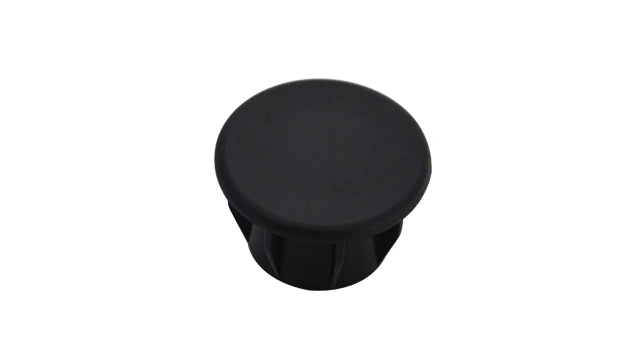
Plastic pipe end cap
Plastic pipe cover, used for 28mm two end cover and protection, to avoid any scratch from sharp metal surface.
In the fast-paced world of industrial manufacturing and assembly, it's easy to overlook the small components that keep operations running smoothly. Take, for example, the humble plastic pipe end cap. At first glance, it might seem like little more than a trivial accessory—something to "cap off" a pipe and call it a day. But anyone who's worked on a lean pipe assembly line, maintained a busy workbench, or managed a fleet of caster wheel-equipped trolleys knows better. These unassuming caps play a critical role in protecting equipment, ensuring worker safety, and preserving the integrity of entire systems. A poorly made end cap can lead to jamming conveyor belts, damaged lean pipe joints, or even workplace injuries from sharp pipe edges. So, how do you separate the durable, reliable end caps from the flimsy, short-lived ones? Let's dive in.
Why Plastic Pipe End Caps Matter in Industrial Settings
Before we get into the nitty-gritty of identifying quality, let's clarify why these caps are so important. In industrial environments—whether automotive plants, electronics factories, or logistics hubs—lean pipe systems, workbenches, and material racks are the backbone of daily operations. These structures rely on interconnected pipes (often aluminum lean pipe or stainless steel series) to support tools, materials, and even heavy machinery. Without proper end caps, exposed pipe ends become magnets for dust, debris, and moisture, which can corrode internal components over time. Worse, sharp, uncovered pipe edges pose a laceration risk to workers handling materials or adjusting equipment. On mobile units like turnover trolleys with caster wheels, loose or cracked end caps can rattle loose, causing instability or even damaging floors. Simply put: skimping on end caps is a false economy that leads to higher maintenance costs, downtime, and safety hazards down the line.
Material Quality: The Foundation of a Reliable End Cap
The first clue to a high-quality plastic pipe end cap lies in its material. Not all plastics are created equal, and the type used directly impacts durability, flexibility, and resistance to wear. Let's break down the most common materials and what to look for:
1. Virgin vs. Recycled Plastics
Reputable manufacturers prioritize virgin plastic resins (e.g., polypropylene, nylon, or high-density polyethylene) for end caps. Virgin plastics are free from contaminants, have consistent molecular structures, and offer predictable performance. Recycled plastics, while eco-friendly in theory, often contain impurities like dirt, residual chemicals, or inconsistent polymer blends. These flaws weaken the material, making end caps prone to cracking under stress or warping in extreme temperatures. To spot recycled content, check for uneven coloration (e.g., streaks or discoloration), visible specks, or a grainy texture—all red flags for low-quality, recycled materials.
2. Key Plastic Types and Their Benefits
Different plastics excel in different environments. Here's a quick guide to help you match the cap to your needs:
- Polypropylene (PP): Ideal for general-purpose use. PP is lightweight, chemical-resistant (to oils, solvents, and most cleaning agents), and has good impact strength. It's a top choice for lean pipe systems in dry, moderate-temperature settings (think assembly line workbenches).
- Nylon (Polyamide): Best for high-wear applications. Nylon is tougher than PP, with excellent abrasion resistance—perfect for end caps on caster wheel mounts or roller track systems, where constant movement could wear down softer plastics.
- PVC (Polyvinyl Chloride): Great for moisture-prone areas. PVC is inherently water-resistant and rigid, making it suitable for outdoor racks or washdown zones (e.g., food processing facilities). Note: Avoid flexible PVC (often used in cheap imports) as it tends to harden and crack over time.
3. How to Test Material Quality On-Site
You don't need a lab to assess plastic quality. Try these simple tests when evaluating samples:
- Flex Test: Gently bend the end cap (if it's small enough). A high-quality cap should flex slightly without cracking or creaking. If it snaps or develops white stress marks, it's likely made of brittle, low-grade plastic.
- Smell Test: Hold the cap close to your nose. Virgin plastics have little to no odor. A strong, chemical-like smell often indicates the use of recycled materials or harmful additives (e.g., phthalates in low-quality PVC).
- Visual Inspection: Check for uniformity. The surface should be smooth, with no bubbles, pits, or discoloration. Uneven coloring or visible mold lines suggest poor manufacturing standards.

Design and Fit: The Difference Between "Good Enough" and "Built to Last"
Even the best material can't save a poorly designed end cap. A high-quality cap should fit snugly, stay in place, and complement the pipe's function. Here's what to focus on:
1. Snugness of Fit
The cap should slide onto the pipe with gentle pressure —not too loose, not too tight. A loose cap will fall off during use, while an overly tight one may crack when forced on or damage the pipe's outer coating (especially critical for ESD workbenches, where coating integrity ensures static dissipation). To test fit, try twisting the cap after installation. It should resist rotation; if it spins freely, the diameter is mismatched. Common pipe sizes in industrial settings include 1 inch, 0.5 inch, and 38mm (for aluminum lean pipe), so always verify the cap's listed size matches your pipe before purchasing.
2. Lip and Flange Design
Look for a reinforced lip or flange around the cap's base. This extra layer of plastic adds structural support, preventing the cap from deforming when pressure is applied (e.g., when leaning on a workbench or loading materials onto a rack). On caps for vertical pipes, a flanged edge also helps seal out dust by creating a tighter barrier between the cap and pipe.
3. Thickness and Reinforcement
Not all caps are created equal in thickness. For heavy-duty applications—like caps on material rack B (3 row and 3 floor) or stainless steel pipe series—opt for caps with thicker walls (at least 2mm). Thinner caps (less than 1mm) may save cost but will crack under impact or repeated use. Some manufacturers add ribbing or internal supports to strengthen the cap without adding excess weight—keep an eye out for these details.
4. Edge Finish
Run your finger along the cap's edges. They should be completely smooth , with no sharp burrs or "flash" (excess plastic from poor mold quality). Sharp edges defeat the purpose of the cap, as they can still scratch workers or snag materials. High-quality caps are trimmed or polished post-molding to eliminate these hazards.

Durability Testing: Ensuring Longevity in Real-World Conditions
A cap might look good on the shelf, but how will it hold up in your facility? While you can't replicate years of use in a day, these quick tests will reveal weaknesses:
1. Impact Resistance
drop the capped pipe (from waist height) onto a concrete floor. A durable cap should absorb the impact without cracking or popping off. If it shatters or loosens, it's not built for industrial environments. For extra rigor, repeat the test with the cap facing down—this mimics the stress of a falling tool or material hitting the cap directly.
2. Temperature and Chemical Resistance
Industrial settings expose caps to extreme temperatures (from hot machinery to cold storage) and harsh chemicals (oils, degreasers, cleaning agents). To test temperature tolerance, place the cap in a freezer overnight, then immediately submerge it in hot water (around 60°C/140°F). It should remain flexible and intact. For chemicals, apply a small amount of your facility's most common solvent (e.g., isopropyl alcohol or machine oil) to the cap and let it sit for 24 hours. If the plastic swells, discolors, or becomes sticky, it's not compatible.
3. Compatibility with Other Components
End caps rarely work alone. They must integrate seamlessly with lean pipe joints, roller track connectors, and even caster wheel assemblies. For example, if you're using a cap on a roller track placon mount for aluminum profile, ensure the cap's design doesn't block the track or interfere with roller movement. Similarly, on workbench E (single deck-without caster), the cap should sit flush with the workbench surface to avoid creating a tripping hazard. Always test the cap with the exact components it will be used with—don't assume "one size fits all."
High-Quality vs. Low-Quality: A Side-by-Side Comparison
To summarize, here's a table the key features of high-quality and low-quality plastic pipe end caps:
| Feature | High-Quality End Cap | Low-Quality End Cap |
|---|---|---|
| Material | Virgin polypropylene/nylon; no impurities | Recycled plastic with visible contaminants |
| Fit | Snug, requires gentle pressure to install/remove | Loose (falls off easily) or overly tight (cracks when installed) |
| Edge Finish | Smooth, no burrs or flash | Sharp edges, visible mold lines, or untrimmed flash |
| Impact Resistance | Withstands 5ft drop on concrete; no cracking | Cracks or shatters on 3ft drop |
| Chemical Resistance | Unaffected by oils, solvents, and cleaning agents | Swells, discolors, or degrades when exposed to chemicals |
| Odor | Little to no smell | Strong chemical or "plastic" odor |
Avoiding Common Pitfalls: What to Watch Out For
Even with these guidelines, it's easy to fall for marketing hype or misleading claims. Here are three common mistakes to avoid:
1. Assuming "All Plastic Caps Are the Same"
Don't be fooled by generic listings or vague product descriptions. A cap labeled "plastic pipe end cap" could be made of cheap PVC or durable nylon—always ask for material specs and certifications (e.g., RoHS compliance for electronics facilities, FDA approval for food-grade environments).
2. Prioritizing Price Over Quality
It's tempting to buy the cheapest cap in bulk, but consider the cost of replacement. A $0.50 cap that lasts 6 months is more expensive than a $1.50 cap that lasts 3 years. Factor in downtime, labor for replacements, and potential injury costs—quality pays off.
3. Ignoring Supplier Reputation
A reliable lean pipe supplier or aluminum profile accessories manufacturer will stand behind their products. Look for suppliers with positive reviews, clear warranty policies, and responsive customer service. Avoid "no-name" vendors with limited contact information—if something goes wrong, you'll have no recourse.
Conclusion: Investing in Quality for Smoother Operations
At the end of the day, identifying high-quality plastic pipe end caps is about attention to detail. By focusing on material, design, fit, and real-world durability, you can ensure your lean pipe systems, workbenches, and caster wheel assemblies stay safe, efficient, and low-maintenance. Remember: these small components are the unsung heroes of industrial operations. Treat them with the care they deserve, and they'll repay you with years of reliable service.
So, the next time you're sourcing end caps, take a moment to inspect, test, and verify. Your team, your equipment, and your bottom line will thank you.