- Company Articles
- Products and Technology
- Procurement Guidelines
- How to Identify High-Quality Two Way Lean Pipe Joint Chrome Suppliers

How to Identify High-Quality Two Way Lean Pipe Joint Chrome Suppliers
Related Product
Two Way Lean Pipe Joint Chrome
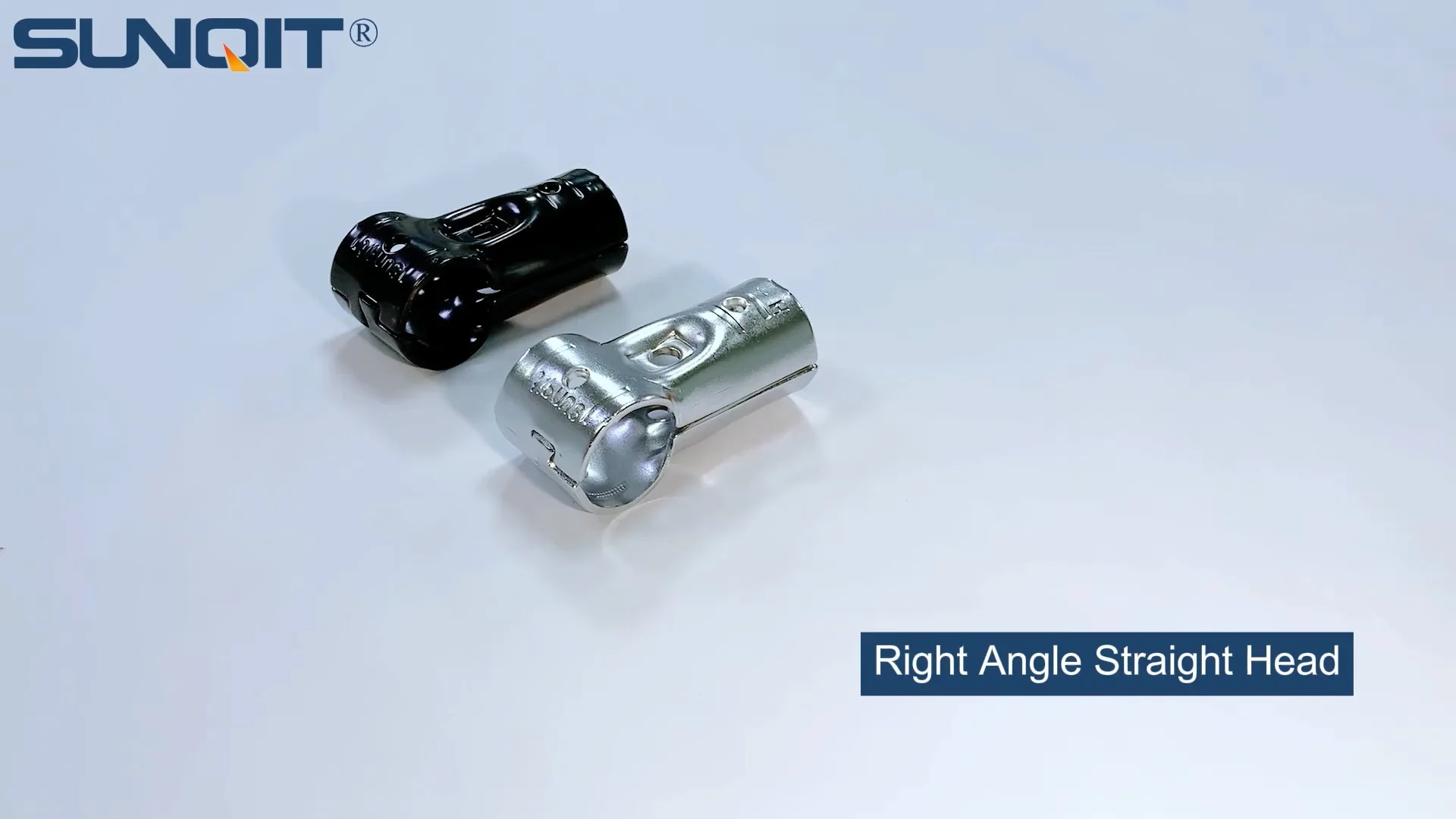
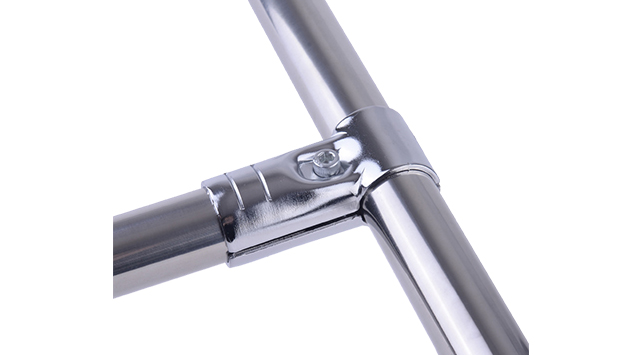
Two way lean pipe joint for 2 pcs 28MM lean pipe connection in straight angle, which used widely in workbench, flow rack, hand trolley frame connection.
In the fast-paced world of manufacturing and production, efficiency isn't just a buzzword—it's the backbone of success. Every component on your factory floor, from the largest conveyor to the smallest connector, plays a role in keeping operations running smoothly. When it comes to building flexible, adaptable workspaces, few components are as critical as the humble lean pipe joint. Specifically, two way lean pipe joint chrome products are the unsung heroes that hold together lean systems, workbenches, flow racks, and turnover trolleys, enabling teams to reconfigure layouts on the fly and maintain optimal workflow. But here's the catch: not all joints are created equal. A low-quality joint can lead to wobbly workbenches, sagging material racks, and even costly downtime when connections fail. That's why choosing the right supplier isn't just a purchasing decision—it's an investment in your team's productivity, safety, and long-term success. In this guide, we'll walk you through the key steps to identify suppliers who deliver not just products, but reliability, quality, and peace of mind.
Understanding the Role of Two Way Lean Pipe Joints in Lean Systems
Before diving into supplier evaluation, let's take a moment to appreciate why two way lean pipe joint chrome matters. Lean systems are all about minimizing waste, maximizing flexibility, and creating spaces that adapt to changing production needs. Whether you're assembling electronics on an ESD workstation or moving materials through a flow rack, lean pipes (often aluminum or stainless steel) form the structure, and joints are the "glue" that holds these structures together. Two way joints, as the name suggests, connect two pipes at various angles—90 degrees, 45 degrees, or even custom configurations—allowing for the creation of everything from simple workbench frames to complex multi-tiered material racks.
The "chrome" in two way lean pipe joint chrome refers to the plating applied to the joint's surface. This isn't just for aesthetics; chrome plating adds a layer of corrosion resistance, making the joints suitable for use in environments where moisture or chemicals might be present. It also enhances durability, reducing wear and tear from repeated assembly, disassembly, and adjustments. In short, a high-quality two way lean pipe joint chrome isn't just a connector—it's a durable, adaptable component that ensures your lean system can evolve with your business.
Key Qualities to Demand in Two Way Lean Pipe Joint Chrome
Not all two way lean pipe joint chrome products meet the same standards. To separate the best from the rest, start by understanding the specific qualities that define a high-quality joint. These are the non-negotiables you should verify before partnering with a supplier.
1. Material Integrity: The Foundation of Durability
The first thing to inspect is the base material of the joint. Most reputable suppliers use either high-grade steel or aluminum as the core, as these materials offer the strength needed to support heavy loads without bending or warping. For example, steel joints are ideal for industrial settings where weight capacity is critical, while aluminum joints may be preferred for lighter applications or environments where corrosion resistance is a priority (though aluminum is often anodized rather than chromed). Ask your supplier for details on the material grade—look for terms like "cold-rolled steel" or "6061 aluminum alloy," which indicate higher quality.
Then there's the chrome plating itself. A thin or uneven plating job will chip, peel, or rust over time, defeating the purpose of choosing chrome. High-quality joints should have a plating thickness of at least 0.0005 inches (12.7 microns), applied via an electroplating process that ensures uniform coverage. Run your finger over the surface— it should feel smooth, with no bumps, pits, or discoloration. A quick visual check can reveal a lot: dull spots or uneven color often signal shoddy plating work.
2. Structural Strength: Load Capacity and Stress Resistance
A joint is only as good as its ability to hold weight. Whether you're building a workbench that will support heavy tools or a flow rack carrying boxes of components, the two way lean pipe joint chrome must withstand both static and dynamic loads. Reputable suppliers will provide load capacity ratings for their joints—for example, "safe working load of 50kg per joint"—and these numbers should be backed by testing, not just marketing claims.
To test this (or to verify a supplier's claims), look for signs of stress testing. Does the supplier subject joints to tension, compression, or fatigue tests? For instance, a good joint should survive repeated assembly and disassembly without stripping threads or weakening the connection. If a supplier can't provide test reports or vague about load limits, that's a red flag. Remember: a joint that fails under load isn't just an inconvenience—it's a safety hazard for your team.
3. Precision Fit: Compatibility with Your Lean Pipes
There's nothing more frustrating than ordering a batch of joints only to find they don't fit your existing lean pipes. Two way lean pipe joint chrome products should be designed to work seamlessly with standard pipe diameters—typically 28mm or 30mm for lean pipes, or 40mm for heavier-duty aluminum profiles. The internal threading (if applicable) should be clean and precise, allowing for easy, tight connections without cross-threading.
If you're using a specific type of pipe—say, aluminum lean pipe or stainless steel pipe series—ask the supplier if their joints are compatible. Some suppliers offer custom sizing, but even then, precision is key. A joint that's slightly too loose will create a wobbly structure, while one that's too tight may damage the pipe or require excessive force to assemble, increasing the risk of worker injury.
Evaluating the Supplier: Beyond the Product
A great product is essential, but a great supplier offers more than just parts. When vetting two way lean pipe joint chrome suppliers, you're not just buying joints—you're entering a partnership. Here's what to look for in that partnership.
1. Manufacturing Expertise: Do They Control the Process?
The best suppliers don't just import and resell products—they have control over the manufacturing process. Ask where their two way lean pipe joint chrome products are made. Do they have their own factories, or do they outsource production to third parties? While outsourcing isn't inherently bad, suppliers with in-house manufacturing are more likely to maintain strict quality control standards. They can oversee everything from material sourcing to plating to final inspection, ensuring consistency batch after batch.
If possible, request a virtual tour of their facility or ask for photos of their production line. Look for signs of modern equipment—CNC machining centers, automated plating lines, and quality control stations. A supplier that invests in technology is more likely to produce precise, reliable joints. Conversely, suppliers who are vague about their manufacturing process or can't provide details on production standards may be cutting corners.
2. Certifications: Proof of Quality and Compliance
Certifications are more than just pieces of paper—they're independent verification that a supplier meets global standards for quality and safety. For two way lean pipe joint chrome, the most important certification is ISO 9001, which ensures the supplier has a robust quality management system in place. This means they regularly audit their processes, track defects, and continuously improve their products.
Depending on your industry, you may also need additional certifications. For example, if you work in electronics manufacturing, ESD (Electrostatic Discharge) compliance is critical—look for joints that meet ANSI/ESD S20.20 standards. If your facility operates in a food or pharmaceutical environment, stainless steel joints with food-grade chrome plating (meeting FDA standards) may be necessary. Don't be afraid to ask for copies of certifications—reputable suppliers will happily provide them.
3. Customer Support: From Inquiry to After-Sales
Even the best products can run into issues, which is why strong customer support is non-negotiable. A quality supplier should be responsive from the moment you first reach out. Do they answer your emails and calls promptly? Are their representatives knowledgeable about their products—can they explain the difference between chrome-plated steel and aluminum joints, or help you choose the right joint for your specific application?
After-sales support is equally important. What's their warranty policy? Most reputable suppliers offer at least a 12-month warranty on two way lean pipe joint chrome products, covering defects in materials or workmanship. What about returns or replacements? If a batch of joints arrives damaged or doesn't meet your specs, will they resolve the issue quickly, or leave you stuck with unusable parts?
Real-Life Example: The Value of Responsive Support
A mid-sized electronics manufacturer in Ohio recently shared their experience with a lean pipe supplier. They'd ordered a bulk shipment of two way lean pipe joint chrome products for a new production line, only to discover that the joints were slightly undersized for their aluminum pipes. Instead of stonewalling, the supplier sent a technical team to inspect the issue within 48 hours, confirmed the sizing error, and rushed a replacement batch at no extra cost. The line was up and running on schedule, and the manufacturer now considers them a trusted partner. This is the kind of support that turns one-time buyers into long-term clients.

Assessing Reliability: Reviews, References, and Track Record
A supplier can talk about quality and service all day, but actions speak louder than words. To get a true sense of a supplier's reliability, look beyond their website and marketing materials. Here's how:
1. Customer Reviews and Testimonials
Start with online reviews. Platforms like Google, Alibaba, or industry-specific directories (like Thomasnet) can provide insights into other customers' experiences. Look for patterns—are multiple reviewers praising the supplier's product quality and on-time delivery, or are there consistent complaints about delays or defective parts? Keep in mind that no supplier is perfect, but a handful of negative reviews among hundreds of positive ones is normal. However, if the negative reviews mention the same issues (e.g., "joints rusted after 3 months" or "customer service ignored our emails"), take note.
Don't rely solely on public reviews—ask the supplier for references. A reputable lean pipe supplier will be happy to connect you with current clients, especially those in your industry. When speaking to references, ask specific questions: How long have they been working with the supplier? Have they experienced any quality issues? How does the supplier handle problems when they arise? Their answers will give you a clearer picture than any sales pitch.
2. Track Record and Industry Experience
How long has the supplier been in business? While newer companies can certainly deliver quality, a supplier with 10+ years of experience in the lean pipe industry has likely weathered market fluctuations, refined their processes, and built a network of reliable material suppliers. They're also more likely to understand the unique needs of different industries—whether you're in automotive, aerospace, or consumer goods.
Look for suppliers who specialize in lean system components, rather than those who sell a little bit of everything. A supplier that focuses on lean pipe, joints, workbenches, and flow racks is more likely to have the expertise to help you find the right solutions, compared to a general hardware supplier.
Pricing: Balancing Cost and Quality
Let's be honest: cost is always a factor. But when it comes to two way lean pipe joint chrome, choosing the cheapest option can end up costing you more in the long run. A low-priced joint may save you a few dollars upfront, but if it fails after a few months, you'll spend more on replacements, repairs, and downtime. That said, the most expensive option isn't always the best either. The goal is to find a supplier who offers fair pricing for high-quality products—what we call "value for money."
When comparing quotes, look beyond the per-unit price. Consider factors like minimum order quantities (MOQs)—can the supplier accommodate small orders if you need to test their joints first? What about shipping costs and lead times? A slightly higher per-unit price might be worth it if the supplier offers faster delivery or lower shipping fees. Also, ask about bulk discounts—if you plan to order large quantities, a supplier who rewards loyalty with lower prices can help reduce long-term costs.
Remember: quality joints have a longer lifespan, meaning you'll replace them less frequently. They also reduce the risk of accidents and downtime, which can cost thousands of dollars per hour in lost production. When you factor in these "hidden costs," investing in a reputable supplier often makes better financial sense than chasing the lowest price.
Key Criteria at a Glance: Choosing Your Supplier
| Criteria | What to Look For | Red Flags |
|---|---|---|
| Material Quality | High-grade steel/aluminum core, chrome plating ≥12.7 microns, smooth, even finish. | Thin or uneven plating, visible pits/discoloration, vague material specs. |
| Structural Strength | Clear load capacity ratings (e.g., 50kg safe working load), test reports available. | No load ratings, refusal to provide test data, joints bend/strip easily. |
| Precision Fit | Compatible with standard pipe diameters (28mm/30mm/40mm), clean threading, tight connections. | Loose or tight fits, cross-threading, incompatibility with common pipes. |
| Certifications | ISO 9001, ESD compliance (if needed), FDA/food-grade plating (if applicable). | No certifications, expired certifications, inability to provide copies. |
| Customer Support | Responsive communication, knowledgeable reps, 12+ month warranty, easy returns. | Slow response times, unhelpful reps, no warranty, rigid return policies. |
Final Thoughts: Your Supplier, Your Partner
Choosing a two way lean pipe joint chrome supplier isn't just about checking boxes—it's about finding a partner who understands your goals and is committed to helping you achieve them. The right supplier will not only deliver high-quality joints but will also provide the expertise, support, and reliability you need to keep your operations running smoothly. By focusing on material quality, structural strength, precision, certifications, and customer support, you can avoid the pitfalls of working with low-quality suppliers and build a lean system that grows with your business.
Remember, every component on your factory floor matters. Invest the time to research, ask questions, and test samples before making a decision. Your team, your productivity, and your bottom line will thank you.