- Company Articles
- Products and Technology
- Product knowledge
- How to Identify Quality Duplex Aluminum Pipe Joints for Your Project

How to Identify Quality Duplex Aluminum Pipe Joints for Your Project
Related Product
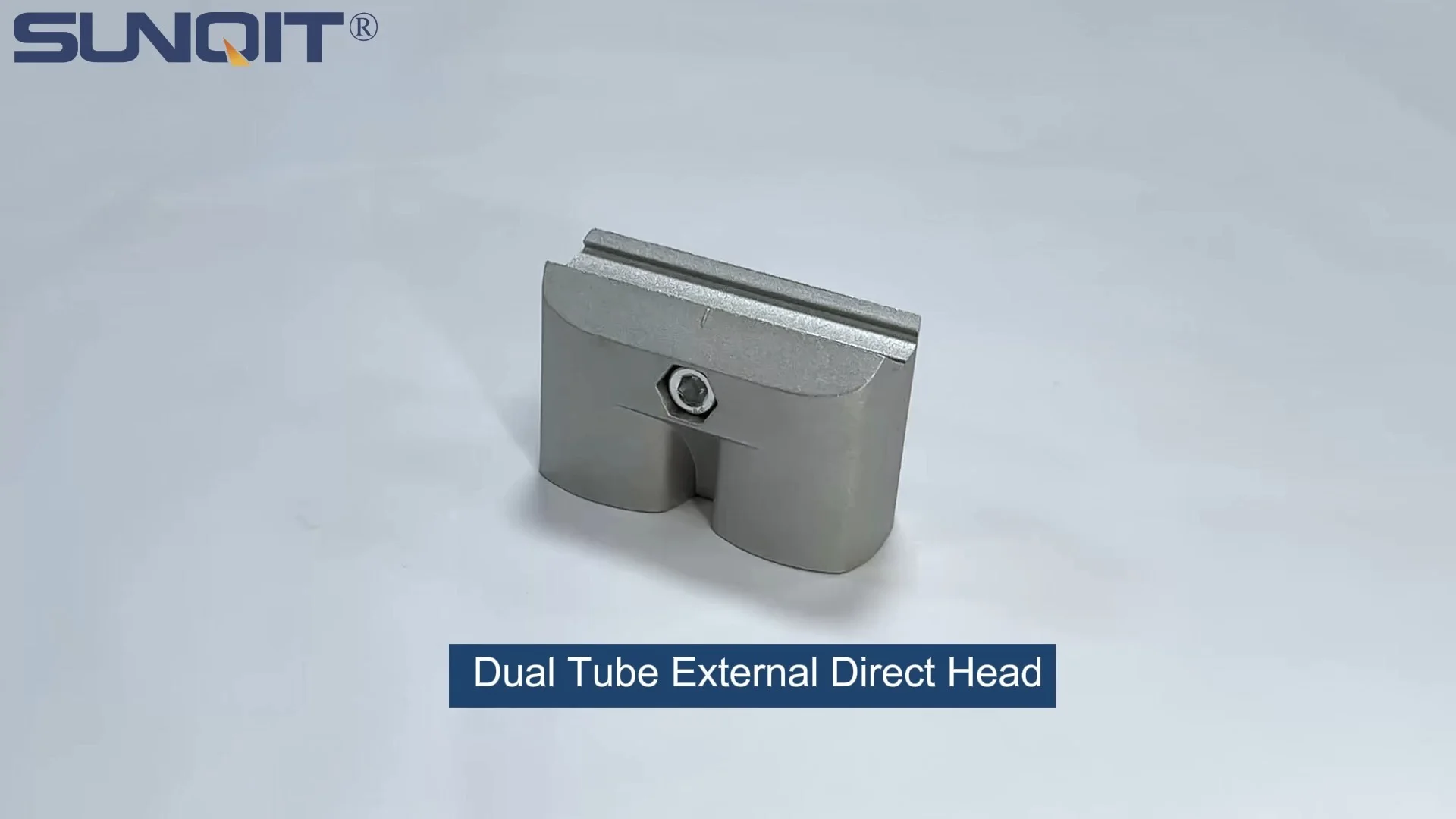
Duplex Aluminum Pipe Joint
Duplex Aluminum pipe joint used for one pcs 28pcs aluminum pipe and one pcs of 28mm duplex pipe connection in straight angle.
In the world of manufacturing, warehousing, and workspace design, the smallest components often hold the biggest impact. When you're building a workbench , setting up a material rack, or constructing a lean system to streamline production, every part matters—but few are as critical as the joints that hold everything together. Today, we're zeroing in on a component that's easy to overlook but impossible to ignore when things go wrong: the duplex aluminum pipe joint. These unassuming connectors are the unsung heroes of stable, efficient setups, and choosing the right ones can mean the difference between a workspace that hums with productivity and one plagued by wobbly structures, frequent repairs, and even safety risks. Let's dive into how to spot quality duplex aluminum pipe joints, why they matter, and what to avoid in the crowded market of aluminum pipe accessories and aluminum profile accessories .
What Are Duplex Aluminum Pipe Joints, Anyway?
Before we jump into identifying quality, let's make sure we're on the same page about what a duplex aluminum pipe joint actually is. Simply put, these are specialized connectors designed to link aluminum pipes or profiles at various angles, creating sturdy frameworks for everything from workbenches and material racks to conveyor systems and assembly lines. Unlike single-angle or fixed joints, "duplex" typically refers to their ability to handle two directions of connection—think T-joints, L-joints, or even multi-axis connectors that allow pipes to intersect at 90°, 45°, or other angles. They're a staple in modular setups because they offer flexibility: you can reconfigure your structure as needs change without welding or complex tools.
But here's the catch: not all duplex joints are created equal. A cheap, poorly made joint might look the part at first glance, but after a few months of supporting tools, materials, or daily use, it could bend, crack, or loosen—threatening the integrity of your entire setup. On the flip side, a high-quality joint becomes almost invisible in your workflow: it holds tight, resists wear, and keeps your structure stable for years. So how do you tell them apart?
1. Start with the Material: Aluminum Alloys Matter
The first clue to a joint's quality lies in the aluminum itself. Aluminum is prized for its strength-to-weight ratio, corrosion resistance, and malleability, but the alloy and manufacturing process make all the difference. Most quality duplex aluminum pipe joints are crafted from heat-treated aluminum alloys, with 6061 and 6063 being the most common choices—and for good reason.
6061 aluminum is known for its high tensile strength and excellent weldability, making it ideal for joints that need to bear heavy loads. It's often used in industrial settings where durability is non-negotiable. 6063 aluminum, on the other hand, offers superior extrudability, which means it can be shaped into complex joint designs with precise dimensions. It's slightly less strong than 6061 but more corrosion-resistant, making it a great pick for environments with moisture or chemicals.
So how do you check the alloy? Reputable manufacturers will clearly state the alloy grade on their product specs or packaging. If a supplier can't tell you what alloy their joint is made from, that's a red flag. Subpar joints often use unalloyed or low-grade aluminum, which feels lightweight (in a bad way), dents easily, and corrodes quickly when exposed to even mild moisture. To test this, try pressing a fingernail firmly against an uncoated part of the joint—if it leaves a permanent indent, the material is too soft. High-quality aluminum alloys will resist such marks.

2. Design and Engineering: Precision in Every Curve
A quality duplex aluminum pipe joint isn't just a hunk of metal—it's a product of thoughtful engineering. Let's break down the design features that separate the best from the rest.
Load-Bearing Capacity: It's All in the Geometry
The primary job of a joint is to transfer weight and stress from one pipe to another. A well-designed joint will distribute this load evenly, preventing weak points that could fail under pressure. Look for joints with reinforced stress points—think thicker walls at the base of the connection, rounded edges (to avoid stress concentration), and a snug fit with the pipes they're meant to connect. For example, a T-shaped duplex joint should have a beefed-up "crossbar" section where the two pipes meet, ensuring that downward force from the top pipe doesn't crack the joint at the intersection.
To test this (without breaking the joint!), check the manufacturer's load ratings. Reputable suppliers will provide data on maximum vertical load, horizontal shear, and even fatigue resistance (how well it holds up under repeated stress). If a joint claims to support 50kg but feels flimsy in your hand, trust your instincts—subpar designs often overpromise and underdeliver.
Fit Precision: No Wiggle Room
Ever assembled a bookshelf where the screws never quite tightened, leaving the whole thing wobbly? That's what happens when a joint doesn't fit its pipe perfectly. High-quality duplex aluminum pipe joints are machined to tight tolerances, meaning the inner diameter of the joint's socket should match the outer diameter of the pipe exactly—usually within ±0.1mm. A gap here or there might seem minor, but over time, that play allows the pipe to shift, weakening the joint and the entire structure.
How to check the fit? If you have a sample pipe on hand, slide the joint onto it. It should require a firm push (no forcing!) and sit snugly, with no visible gaps between the pipe and the joint. If it slides on too easily or feels loose, the tolerances are off. Another trick: rotate the joint slightly while it's on the pipe—there should be minimal to no movement. A quality joint will "grip" the pipe, creating a stable connection even before you add fasteners.
Flexibility (When Needed): Rotation Without Weakness
Some duplex joints are designed to allow limited rotation (e.g., for adjustable workbenches or tilting material racks). In these cases, the rotation mechanism should be smooth but controlled. Look for joints with integrated bearings or bushings made from durable materials like nylon or brass—these reduce friction and wear, ensuring the joint rotates evenly without seizing up. Avoid joints with rough, plastic components that feel gritty when turned; these will degrade quickly, leading to jerky movement or joints.

3. Finish and Coating: Protection and Professionalism
The way a joint looks can tell you a lot about its quality. High-quality aluminum pipe accessories often feature anodized or powder-coated finishes, which do more than just make them look shiny—they protect against corrosion, scratches, and wear. Anodizing, in particular, creates a hard, porous oxide layer on the aluminum's surface that can be dyed (common colors include silver, black, or blue) and sealed for extra durability. Run your finger along the finish— it should feel smooth and consistent, with no rough patches, bubbles, or peeling. A cheap paint job, on the other hand, might chip off with a light scrape, leaving the raw aluminum exposed to rust (yes, aluminum can corrode in harsh environments!).
Also, pay attention to the little details: Are the edges deburred? Sharp, jagged edges are a sign of lazy manufacturing and can even cut hands during assembly. Quality joints will have smooth, rounded edges, indicating careful post-machining. Similarly, threaded holes (for bolts or screws) should be clean and precise, with no stripped threads or metal shavings inside. A quick test: screw in a matching bolt by hand—if it binds or feels rough, the threading is poor.

4. Testing and Certification: Proof of Performance
Talk is cheap, but third-party testing and certification? That's where the rubber meets the road. Reputable manufacturers subject their duplex aluminum pipe joints to rigorous testing to ensure they meet industry standards. Look for certifications like ISO 9001 (quality management), ASTM B209 (aluminum alloy standards), or even specific load-testing certifications from bodies like SGS or TÜV. These labels mean the joint has been independently verified to perform as claimed.
To make this tangible, let's compare a quality joint with a subpar one using common industry tests:
| Test Type | Quality Duplex Joint | Subpar Duplex Joint |
|---|---|---|
| Vertical Load Test (100kg for 24 hours) | No visible deformation; returns to original shape | Noticeable bending at stress points; permanent warping |
| Salt Spray Corrosion Test (500 hours) | Minimal surface rust (if uncoated); no pitting | Heavy rust, pitting, or flaking of coating |
| Fatigue Test (10,000 cycles of 50kg load) | No cracks or loosening of fasteners | Cracks at stress points; fasteners begin to strip |
| Impact Test (1kg weight dropped from 1m) | Dents but no structural failure | Shatters or splits at the joint connection |
If a manufacturer can't provide test reports or dodges your questions about certification, it's a major red flag. Quality joints come with proof of performance—no exceptions.
5. Real-World Performance: Stories from the Shop Floor
Sometimes, the best way to gauge quality is to hear from people who've used the product day in and day out. Let's look at two scenarios to illustrate why quality duplex aluminum pipe joints matter in practice.
Scenario 1: The Manufacturing Workbench
A mid-sized electronics manufacturer invested in a new assembly line, using duplex aluminum pipe joints to build workbenches for soldering and testing. They opted for budget joints to cut costs, figuring "a joint is a joint." Six months later, operators began complaining that their workbenches were wobbly—especially when using heavy testing equipment. Upon inspection, the maintenance team found that the joints had developed hairline cracks at the stress points, and some had even started to corrode despite the climate-controlled factory. The fix? Replacing all 45 workbenches with high-quality joints—costing three times the original savings in downtime and replacement parts.
Scenario 2: The Lean System Material Rack
A automotive parts distributor wanted to streamline their warehouse with a lean system, using aluminum profiles and duplex joints to build flow racks for parts. They chose a reputable supplier with certified joints. A year later, during a routine audit, they found that even the busiest racks—loaded with 20kg boxes of parts, slid in and out dozens of times daily—showed no signs of wear. The joints still fit snugly, the structure was rock-solid, and there had been zero accidents or downtime. The initial investment in quality joints paid off in spades.
These stories highlight a simple truth: in lean system setups, where efficiency and reliability are everything, cutting corners on aluminum profile accessories like duplex joints is a false economy. Quality joints keep your workflow moving, your team safe, and your maintenance costs low.
6. Avoiding Red Flags: Common Signs of Low-Quality Joints
Now that we know what to look for, let's talk about what to avoid. Here are the red flags that should send you running from a duplex aluminum pipe joint:
- Rough or uneven surfaces: Casting or machining flaws like burrs, pits, or uneven edges are signs of shoddy manufacturing. These not only look unprofessional but can weaken the joint and even damage pipes during assembly.
- Inconsistent coloring or coating: A quality finish is uniform. If the joint has splotchy paint, missing coating, or areas where the color fades, it's likely a low-quality coating that will peel or corrode quickly.
- Loose or mismatched fasteners: Many duplex joints use set screws or bolts to secure pipes. If the included fasteners are made of soft metal (they bend easily with a screwdriver) or don't fit the joint's threads, the connection will never be tight.
- No branding or part numbers: Reputable manufacturers stamp their joints with part numbers, batch codes, or logos. An unmarked joint is a mystery—you have no way to trace its origin or verify its specs.
- Too-good-to-be-true pricing: Aluminum isn't cheap, and precision machining costs money. If a joint is priced 50% lower than competitors, it's almost certainly cutting corners on material, design, or testing.
7. Choosing the Right Supplier: Your Partner in Quality
Finally, even the best joint is only as good as the supplier behind it. When vetting suppliers of duplex aluminum pipe joints (and other aluminum pipe accessories ), ask these questions:
- Can you provide material certificates and test reports? A trustworthy supplier will have these on hand and happy to share them.
- What's your quality control process? Look for suppliers who inspect every batch, not just random samples.
- Do you offer samples? Reputable suppliers will send you a few joints to test before you commit to a large order.
- What's your warranty? A one-year warranty is standard for quality aluminum accessories; anything less is a warning sign.
Wrapping Up: Invest in Joints That Last
At the end of the day, duplex aluminum pipe joints are more than just connectors—they're the backbone of your workspace. Whether you're building a simple workbench or a complex lean system , choosing quality joints means investing in stability, safety, and long-term efficiency. By focusing on material quality, design precision, testing, and supplier reliability, you can avoid the headaches of low-quality aluminum profile accessories and build structures that stand the test of time. Remember: in the world of workspace design, the best joints are the ones you never have to think about—because they just work.