- Company Articles
- Products and Technology
- Product knowledge
- How to Identify Quality Saddle Pipe Clamps: Material & Craftsmanship Checks

How to Identify Quality Saddle Pipe Clamps: Material & Craftsmanship Checks
Related Product
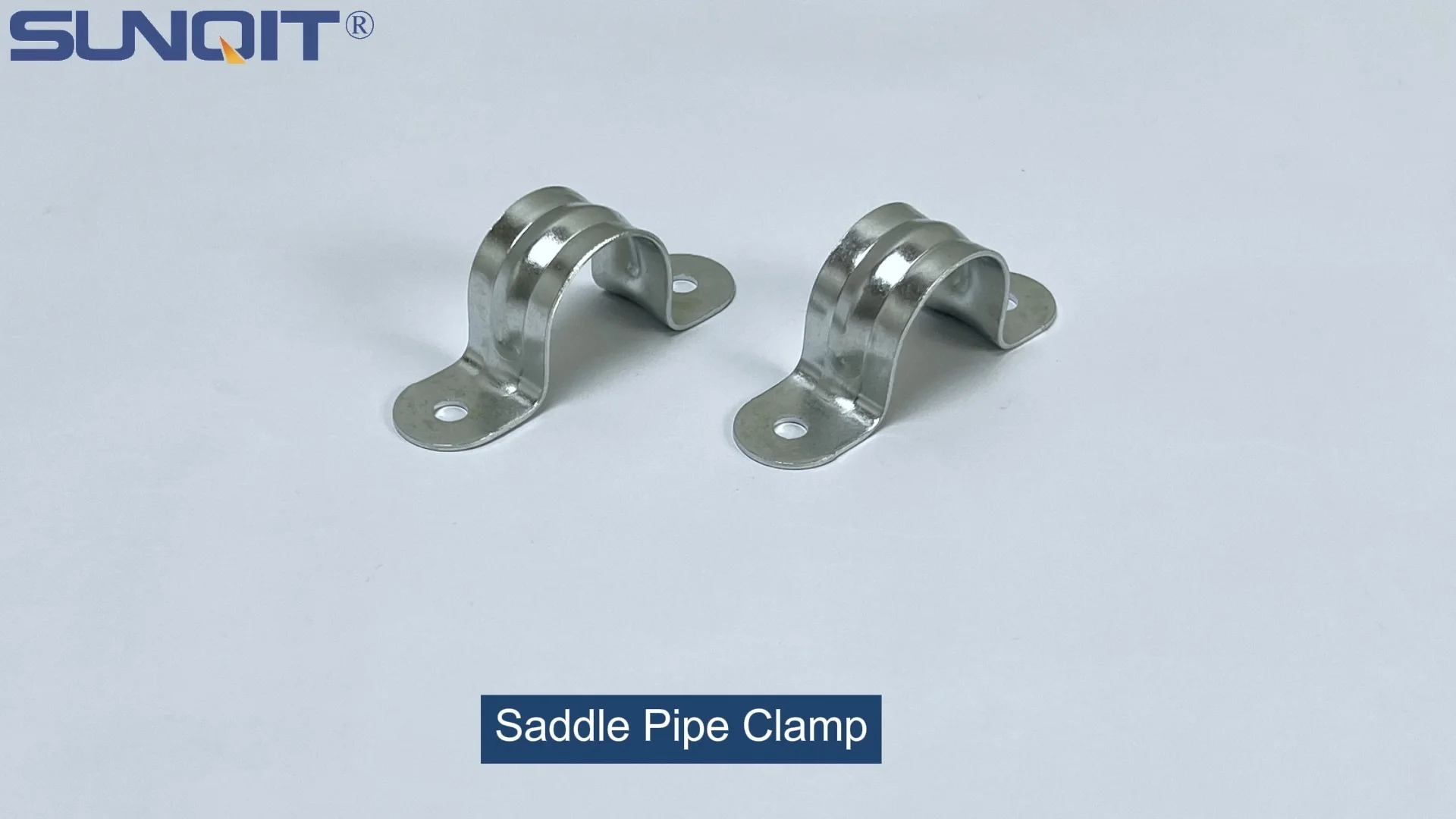
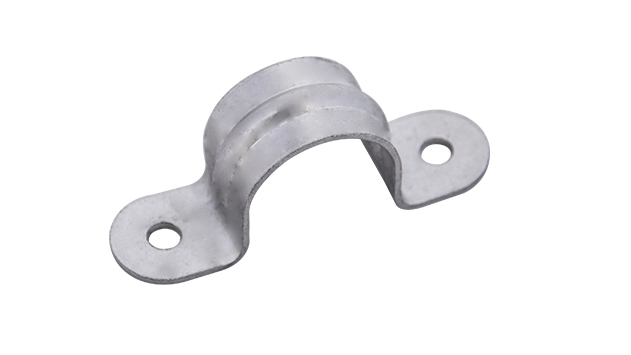
Saddle Pipe Clamp
Saddle pipe clamp, used for board connect with pipe, usually for table top installation.
Introduction: The Unsung Hero of Lean Systems
In the bustling world of manufacturing, warehousing, and industrial setups, there's a quiet workhorse that keeps everything together—quite literally. Saddle pipe clamps might not grab headlines, but they're the backbone of stable, efficient structures. Whether you're building a workbench, setting up a conveyor system, or organizing a material rack, these small but mighty components ensure pipes stay securely in place, supporting everything from lightweight tools to heavy machinery.
But here's the thing: not all saddle pipe clamps are created equal. A shoddy clamp can turn a well-designed lean system into a safety hazard, causing pipes to slip, structures to wobble, and productivity to grind to a halt. That's why knowing how to spot quality—starting with materials and craftsmanship—is critical. In this guide, we'll walk you through the key checks to ensure you're investing in clamps that don't just "work" but last , keeping your operations smooth, safe, and efficient.
What Are Saddle Pipe Clamps, Anyway?
Before diving into quality checks, let's make sure we're on the same page. Saddle pipe clamps are U-shaped or semi-circular fasteners designed to wrap around pipes (or tubes) and secure them to a surface, beam, or another pipe. They typically consist of a curved "saddle" that fits the pipe's diameter and two legs (or a base) with holes for bolts, allowing you to tighten them down. Think of them as the "hugs" that keep pipes from moving—firm, reliable, and tailored to the job.
These clamps come in all shapes and sizes, but their core purpose remains the same: to provide stable, adjustable support. They're used everywhere from automotive assembly lines to food processing plants, and their performance directly impacts the durability of the entire structure they're part of. So, whether you're sourcing clamps for a simple workbench or a complex lean system, getting the quality right isn't just about saving money—it's about protecting your team, your equipment, and your bottom line.
Material Matters: Why the "What" is as Important as the "How"
If craftsmanship is the "how" of making a great clamp, material is the "what." The right material ensures the clamp can handle its intended job—whether that's resisting corrosion in a damp warehouse, supporting heavy loads in a factory, or staying lightweight for mobile structures. Let's break down the most common materials used in saddle pipe clamps and why they matter.
Stainless Steel Pipe Series: The Gold Standard for Durability
When it comes to strength and corrosion resistance, stainless steel is hard to beat. It's a popular choice for saddle pipe clamps, especially in industries where moisture, chemicals, or harsh environments are par for the course (think food processing, marine, or pharmaceutical setups). But not all stainless steel is the same—you'll often hear terms like "304" or "316," and these numbers make a world of difference.
304 stainless steel is the most common grade, offering excellent resistance to rust and mild chemicals. It's perfect for indoor use or dry environments where the clamp won't be exposed to heavy moisture. 316, on the other hand, is the "marine grade" option, with added molybdenum that makes it resistant to saltwater, acids, and extreme humidity. If your clamps will be outdoors, near water, or in a chemical-rich area, 316 is worth the extra cost.
But grade isn't the only factor. The thickness of the stainless steel matters too. A thin, flimsy clamp might look like stainless steel, but it'll bend or warp under pressure. Aim for clamps with a material thickness of at least 1.5mm—thicker if you're supporting heavy loads. Also, check the finish: a smooth, uniform surface (often brushed or polished) isn't just for looks; it indicates careful manufacturing and reduces the risk of rust starting in rough, pitted areas.
Aluminum: Lightweight Strength for Dynamic Setups
If stainless steel is the heavyweight champion, aluminum is the agile contender. Lightweight yet surprisingly strong, aluminum saddle pipe clamps are ideal for structures that need to be moved (like mobile workbenches or turnover trolleys) or where reducing overall weight is key. They're also naturally resistant to corrosion, thanks to a thin oxide layer that forms on their surface—though this layer can be enhanced with anodization for extra protection.
When evaluating aluminum clamps, pay attention to the alloy. Most industrial aluminum clamps use 6000-series alloys (like 6061 or 6063), which offer a great balance of strength, weldability, and machinability. Avoid cheap, unalloyed aluminum—these are prone to bending and won't hold up under stress. You should also check for signs of poor finishing: aluminum is soft, so rough edges or dents can weaken the clamp and make it harder to fit with aluminum pipe accessories (like brackets or connectors).
Plastic: A Niche Player with Caveats
Plastic saddle pipe clamps exist, but they're more niche. They're lightweight, affordable, and resistant to certain chemicals, making them suitable for light-duty applications (like securing PVC pipes in low-pressure systems). However, they're not ideal for heavy loads or high temperatures—most plastics soften or warp when exposed to heat above 60°C (140°F). If you do opt for plastic, look for high-quality polymers like nylon or polypropylene, and avoid thin, brittle options that crack easily.
| Material | Best For | Key Advantages | Red Flags to Watch For |
|---|---|---|---|
| Stainless Steel (304/316) | Heavy loads, corrosive environments | High strength, rust resistance, durability | Thin gauge (<1.5mm), rough finish, unmarked grade |
| Aluminum (6000-series) | Lightweight structures, mobile setups | Lightweight, corrosion-resistant, easy to machine | Soft, bendable alloy, dented/rough edges, no anodization |
| Plastic (Nylon/Polypropylene) | Light-duty, low-temperature applications | Affordable, chemical-resistant, non-conductive | Brittleness, thin walls, lack of temperature rating |

Craftsmanship: The Art of Making Clamps That Last
Even the best materials can be ruined by poor craftsmanship. A stainless steel clamp with perfect grade and thickness might still fail if it's poorly manufactured—think uneven bends, sloppy welds, or misaligned holes. Craftsmanship is about precision, attention to detail, and a commitment to making a product that performs as intended. Here's what to look for.
Precision in Design: Does It Fit Like a Glove?
A well-crafted saddle pipe clamp should fit your pipes like a tailor-made suit—snug, secure, and without gaps. Start by checking the curvature of the saddle: it should match the diameter of your pipe exactly. If it's too loose, the pipe will wobble; too tight, and you'll struggle to install it (or risk damaging the pipe's surface). Most clamps list the pipe diameter they're designed for (e.g., 1-inch, 1.5-inch), but don't just take the label at face value—measure the saddle's inner curve with a caliper to confirm.
Next, look at the bolt holes. They should be evenly spaced, centered, and free of burrs. Misaligned holes make it impossible to tighten the clamp properly, leading to instability. Run your finger around the edges of the holes—if they're sharp or rough, that's a sign of lazy manufacturing. Quality clamps have deburred holes, ensuring bolts slide in smoothly and don't get stuck.
Welding: No Room for Imperfection
Some saddle pipe clamps (especially heavier-duty ones) have welded components—like a saddle welded to a base plate. Welding is a make-or-break step here: a bad weld can snap under load, turning a stable structure into a disaster. So, what makes a good weld?
First, it should be continuous and uniform. No gaps, no "cold" spots (where the metal didn't fully melt), and no excess "spatter" (tiny metal droplets around the weld). The weld bead should be smooth and slightly concave—convex beads often hide voids or weaknesses underneath. If you can see cracks, pores, or discoloration (like dark, burnt spots), walk away—those are signs of a weak weld that won't hold up.
Surface Treatment: More Than Just Shine
A clamp's surface isn't just about aesthetics—it's about protection. Stainless steel clamps often have a brushed or polished finish, which removes sharp edges and creates a uniform surface that resists rust. Aluminum clamps might be anodized (a process that thickens the oxide layer, boosting corrosion resistance) or powder-coated (for color and extra protection). Even plastic clamps should have a smooth, consistent surface—no rough patches or visible mold lines.
To test surface quality, run a soft cloth over the clamp. It should glide without catching on burrs or sharp edges. For metal clamps, check for signs of pitting (small holes caused by corrosion) or discoloration, which could indicate poor material or improper storage. A high-quality clamp feels solid in your hand—no flimsiness, no rough spots, just a sense of deliberate, careful construction.
Load-Bearing Capacity: Craftsmanship Under Pressure
At the end of the day, a saddle pipe clamp's job is to hold weight. Craftsmanship directly impacts how much weight it can handle. For example, a clamp with a poorly bent saddle might crack when tightened, while one with uneven bolt holes won't distribute pressure evenly, leading to stress points. Most reputable manufacturers list a clamp's maximum load capacity (in kg or lbs)—but don't just take their word for it. If possible, ask for test reports or certifications (like ISO standards) that verify the load rating.
You can also do a simple at-home test: clamp it to a pipe, tighten the bolts to the recommended torque (check the manufacturer's specs), and apply gradual pressure (using a lever or weight). A quality clamp should flex slightly but return to shape—no permanent bending, no creaking, and definitely no snapping. If it deforms under moderate pressure, it's not up to the task.

Practical Checks: How to Test Quality Before You Buy
You don't need a lab to assess saddle pipe clamp quality. With a few simple tests and a keen eye, you can separate the best from the rest. Here's how to do it.
Visual Inspection: Trust Your Eyes
Start with a thorough visual check. Lay the clamp on a flat surface and look for:
- Defects: Cracks, dents, or scratches—especially on stress points like the saddle or bolt holes.
- Finish: Uniform color and texture. For stainless steel, no rust spots; for aluminum, no peeling anodization; for plastic, no discoloration or warping.
- Symmetry: The clamp should be balanced—no lopsided legs or a saddle that's off-center.
If something looks "off" visually, it probably is. Manufacturers who cut corners on appearance often cut corners on performance too.
Fit Test: Pair It with Your Pipes
A clamp is only as good as its fit. Grab a pipe of the diameter the clamp is supposed to work with (and any aluminum pipe accessories you'll be using, like brackets) and test it out. Slide the clamp onto the pipe—there should be no gaps between the saddle and the pipe. Tighten the bolts finger-tight: the clamp should grip firmly, with no slipping. Now, try to twist the pipe—if it moves, the clamp is too loose. If you can't tighten the bolts all the way without stripping the threads, the holes are misaligned.
Stress Test: Simulate Real-World Conditions
For a quick stress test, secure the clamped pipe to a sturdy surface (like a workbench) and hang a weight from the pipe (start with 10kg/22lbs and go up). Let it sit for an hour—if the clamp bends, the pipe slips, or the bolts loosen, it's not strong enough. For heavier-duty clamps, use a lever (like a long pipe) to apply downward pressure—quality clamps will flex slightly but not deform.
Corrosion Test: Protect Against the Elements
If you're using stainless steel clamps, do a simple corrosion test. Mix a tablespoon of salt with a cup of water and apply the solution to the clamp with a cloth. Let it sit for 24 hours, then wipe it off. If there's rust or discoloration, it's likely not 304 or 316 stainless steel—more like a cheaper, lower-grade steel with a stainless "wash." Aluminum clamps can be tested similarly: leave them in a damp area for a week. If they develop white, powdery corrosion (oxidation), the anodization is poor.
Red Flags: When to Walk Away
Even with all these checks, some clamps are obvious duds. Here are the red flags that should make you put the clamp down and look elsewhere:
- No brand or specs: If the clamp has no manufacturer name, material grade, or load rating, it's a mystery product—avoid it.
- Inconsistent sizing: Clamps in the same batch have different saddle diameters or hole spacing.
- Sharp edges: Burrs or rough spots that could cut hands or damage pipes.
- Loose welds: Welds that move when you wiggle the clamp, or beads that flake off.
- Cheap packaging: Clamps thrown loose in a bag (instead of boxed or wrapped) are more likely to be damaged or low-quality.
Choosing a Reputable Supplier: Your First Line of Defense
At the end of the day, the easiest way to get quality saddle pipe clamps is to buy from a supplier you trust. Reputable suppliers (like those specializing in lean system components or aluminum pipe accessories) have strict quality control processes, sourcing materials from reliable mills and testing products before they hit the market. So, what should you ask a supplier before buying?
- Material certifications: Can they provide a certificate of analysis (COA) for stainless steel or aluminum grades?
- Manufacturing standards: Do they follow ISO 9001 or other quality management systems?
- Test reports: Can they share load-bearing or corrosion test results?
- Warranty: A supplier who stands behind their product will offer a warranty (even a short one, like 6 months).
If a supplier hesitates to answer these questions or provides vague responses, that's a red flag. Quality suppliers are proud of their processes and happy to prove their clamps are up to the task.
Conclusion: Invest in Quality, Reap the Rewards
Saddle pipe clamps might be small, but their impact is huge. A quality clamp ensures your lean system runs smoothly, your workbench stays stable, and your team stays safe. By focusing on materials (stainless steel grade, aluminum alloy, thickness) and craftsmanship (precision fit, welding quality, surface treatment), you can avoid the headaches of failed clamps and invest in components that last.
Remember: price tag isn't everything. A cheap clamp might save you a few dollars today, but it could cost you far more tomorrow in repairs, downtime, or accidents. So, take the time to inspect, test, and ask questions. Your lean system—and your peace of mind—will thank you.