- Company Articles
- Products and Technology
- Installation And Maintenance
- How to Identify Wear & Tear in Aluminum Side Guards: Maintenance Checklist

How to Identify Wear & Tear in Aluminum Side Guards: Maintenance Checklist
Related Product
Aluminum Side Guard
Aluminum side guard, it works with a aluminum pipe or a roller track as side guard to prevent material drop,or move to wrong direction.
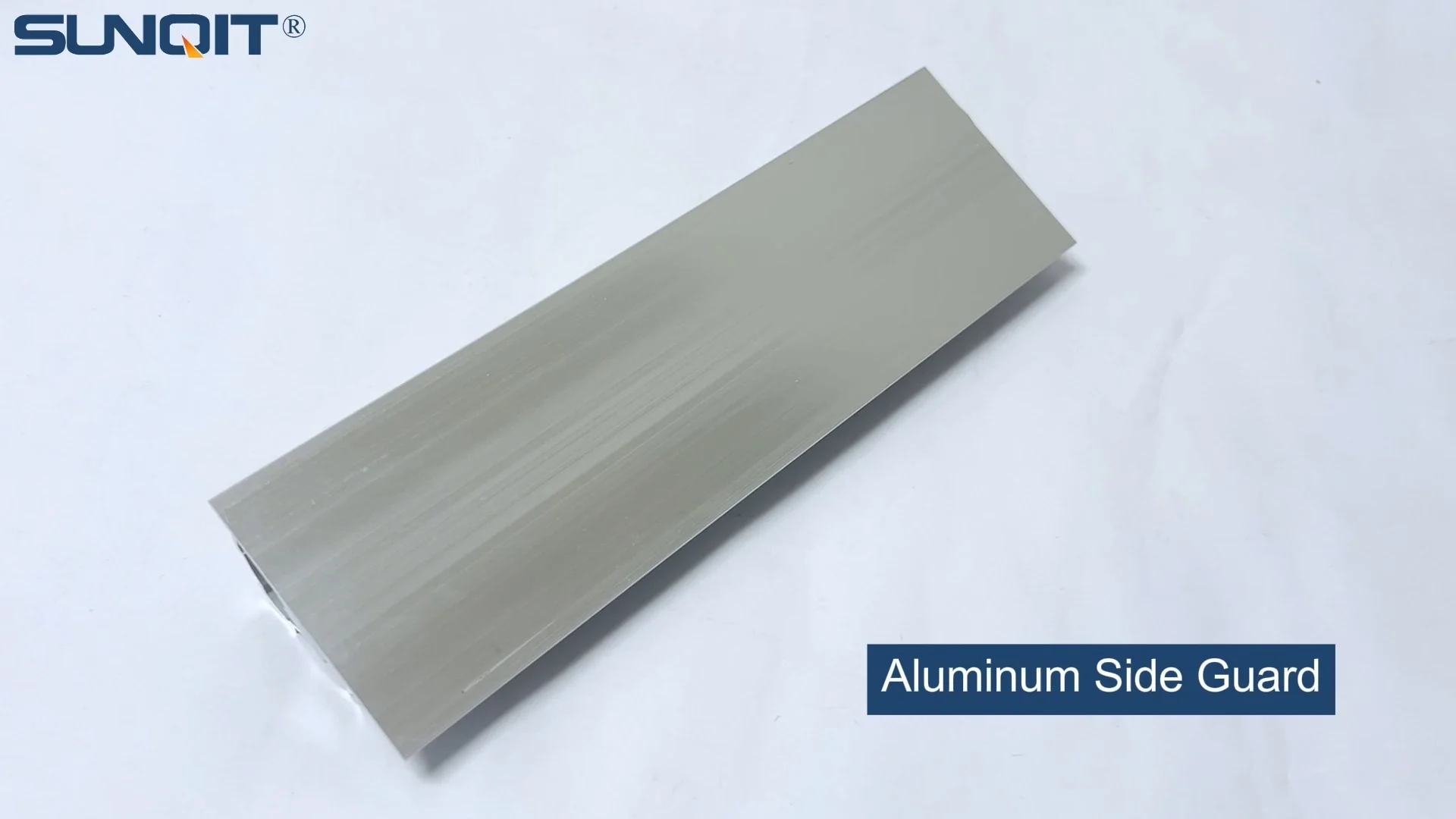
Walk through any busy factory, warehouse, or production floor, and you'll spot them: aluminum side guards, quietly standing sentinel along roller tracks, workbenches, and material racks. These unassuming components—often crafted from durable aluminum profile and paired with aluminum pipe accessories—are the unsung heroes of efficient workflows. They keep materials sliding smoothly along roller tracks, prevent accidental spills from cluttering workspaces, and protect both equipment and employees from collisions. But like any hardworking tool, aluminum side guards don't last forever. Wear and tear sneak in gradually, starting with tiny scratches or loose joints, and if ignored, can snowball into costly downtime, safety hazards, or even broken production lines.
The good news? With a little vigilance and a structured maintenance routine, you can catch early signs of damage, extend the life of your aluminum side guards, and keep your operations running like clockwork. In this guide, we'll break down how to spot wear before it becomes a problem, walk through a step-by-step maintenance checklist, and share pro tips to keep your side guards in top shape—no engineering degree required.
Why Aluminum Side Guards Deserve Your Attention
Before we dive into the "how," let's talk about the "why." Aluminum side guards might seem like minor components, but their role in lean systems and daily operations is critical. Here's why keeping them well-maintained matters:
- Safety First: A bent or loose side guard on a roller track or material rack can cause boxes, parts, or tools to slip off, risking employee injuries or product damage.
- Efficiency Uninterrupted: When side guards wear out, materials jam on roller tracks, slowing down production. Imagine a flow rack where a warped aluminum side guard makes every third box catch—that's minutes of downtime per hour, adding up to lost productivity.
- Cost Savings: Replacing a small section of worn aluminum profile or a few aluminum pipe accessories is far cheaper than replacing an entire guard or fixing a damaged workbench after an accident.
- Longevity of Equipment: Side guards protect not just materials, but the equipment they're attached to. A well-maintained guard on an ESD workstation, for example, prevents scratches and dents on the workstation frame itself.
Signs of Wear & Tear: What to Look For
Aluminum side guards don't fail overnight—they send warning signs. The key is knowing how to spot these early. Here are the most common red flags:
1. Visual Damage: Scratches, Dents, and Corrosion
Start with a close visual inspection. Aluminum profile is durable, but it's not indestructible. Look for:
- Deep scratches: Small surface scratches are normal, but deep grooves (especially those exposing the raw aluminum beneath any protective coating) can trap moisture and dirt, leading to corrosion.
- Dents: A minor ding might seem harmless, but if it's on a curved section of the guard (like along a roller track), it can disrupt material flow. Severe dents can weaken the guard's structural integrity.
- Corrosion: Aluminum resists rust, but it can develop white, powdery oxidation if exposed to moisture or harsh chemicals. Check corners, joints, and areas near the floor (where spills or condensation often collect) for these spots.
- Chipped or faded coating: Many aluminum side guards have a protective finish (like anodization or paint). Chips or fading mean the metal is exposed to the elements—prime for corrosion.
2. Structural Issues: Loose Joints and Misalignment
Aluminum side guards are held together (and attached to workbenches, racks, or roller tracks) with aluminum pipe accessories like clamps, connectors, and brackets. Over time, these can loosen or fail:
- Wobbly connections: Gently shake the guard—if it moves independently of the frame it's attached to, the joints (like parallel lean pipe joints or aluminum guide rail connectors) are loose.
- Bent or broken brackets: Check the metal brackets that secure the guard to the workbench or material rack. Cracks or bends here mean the guard isn't properly supported.
- Misalignment: Use a level tool to check if the guard is straight. If it's tilted or curved (especially along a roller track), materials will catch as they slide, wearing down both the guard and the materials.
3. Functional Problems: Sticking, Jamming, or Noisy Operation
If your aluminum side guard is part of a moving system (like a flow rack or roller track), watch for signs that it's interfering with workflow:
- Materials catching: When pushing a box or part along the roller track, does it suddenly slow down or stop? A warped or misaligned side guard could be the culprit.
- Unusual noises: Squeaking, grinding, or rattling as materials move past the guard often means the guard is rubbing against the rollers or materials—wearing both down faster.
- Uneven spacing: On dual-sided guards (like those on a turnover trolley), check the gap between the two guards. If it's wider in some spots, materials might tip or fall through.

The Ultimate Aluminum Side Guard Maintenance Checklist
Preventive maintenance is key. Use this checklist to stay ahead of wear and tear, with tasks tailored to different timeframes:
| Frequency | Tasks | What to Look For |
|---|---|---|
| Daily | Quick visual scan | Obvious damage (large dents, cracks, loose parts). Check for materials stuck against the guard. |
| Weekly |
• Inspect joints and connections
• Test material flow • Clean surface |
• Loose aluminum pipe clamps or connectors (tighten with a wrench if needed)
• Materials sliding smoothly without catching • Dirt, grease, or spills (wipe with a damp cloth) |
| Monthly |
• Deep corrosion check
• Alignment test • Check attachment to workbench/rack |
• Tiny white oxidation spots (treat with anti-corrosion spray)
• Use a level to ensure guard is straight • Brackets and mounting plates secure (no bending or cracks) |
| Quarterly |
• Lubricate moving parts (if applicable)
• Check for wear on adjacent parts |
• Apply silicone lubricant to roller track placon mounts or caster accessories if guard interacts with moving parts
• Wear on roller wheels or caster wheels that might rub against the guard |
Pro Tip: Keep a logbook or digital note (on your phone or tablet) to record inspections. Note dates, issues found, and fixes made—this helps spot patterns (e.g., "Side guard near the sink always corrodes faster") and track when parts need replacement.

Common Causes of Wear: Avoid These Mistakes
Understanding what wears down aluminum side guards can help you prevent damage in the first place. Here are the biggest culprits:
- Overloading: Aluminum profile has weight limits. Stacking heavy boxes or tools against the guard (or slamming materials into it) bends or dents the metal over time.
- Poor installation: Using the wrong aluminum pipe accessories (e.g., a weak clamp instead of a heavy-duty bracket) or skipping steps (like tightening all bolts) leads to loose connections.
- Environmental hazards: Moisture (from spills, rain, or high humidity) causes corrosion. Chemicals (like harsh cleaners or oils) can strip protective coatings off the aluminum.
- Ignoring small issues: A tiny scratch today becomes a corrosion spot tomorrow. A loose joint today becomes a wobbly guard next month—don't put off fixes!
- Misaligned equipment: If caster wheels on a trolley are wobbly or a roller track is uneven, materials will rub against the side guard, wearing both down.
Maintenance Tips: Keep Your Guards in Top Shape
Spotting wear is half the battle—fixing it (and preventing more) is the other. Here's how to maintain your aluminum side guards like a pro:
1. Clean Regularly
Dirt and grime trap moisture, so wipe down guards weekly with a soft cloth and mild soap (avoid abrasive sponges or harsh chemicals like bleach). For tough grease, use a degreaser specifically labeled safe for aluminum.
2. Fix Minor Damage Fast
- Scratches: Sand minor scratches with fine-grit sandpaper, then apply a touch-up paint that matches the guard's color (ask your aluminum profile supplier for recommendations).
- Loose joints: Tighten aluminum pipe clamps, connectors, or brackets with the right tool (usually a wrench or screwdriver). If a joint is stripped (won't tighten), replace it immediately—don't risk a loose guard.
- Small dents: Use a rubber mallet to gently tap out shallow dents from the inside (if possible). For deeper dents, consult a professional to avoid weakening the metal.
3. Fight Corrosion
Treat early corrosion with a commercial aluminum cleaner (follow the instructions!) to remove oxidation. Then, apply a thin coat of clear sealant (like car wax or aluminum protectant) to shield the surface from moisture.
4. replace Worn Parts
If a bracket is cracked, a connector is bent, or a section of aluminum profile is severely damaged, replace it. Order parts from a reputable aluminum pipe supplier to ensure they fit and match the original specs (e.g., same thickness of aluminum profile or type of roller track placon mount).
5. Lubricate Moving Connections
If your side guard has moving parts (like hinges or adjustable sections), apply a silicone-based lubricant quarterly to reduce friction. Avoid oil-based lubricants—they attract dirt.
Real-World Example: The Cost of Ignoring Wear
Consider a small electronics manufacturer we worked with last year. Their production line used aluminum side guards on a flow rack to guide circuit boards to assembly stations. For months, employees noticed the boards were "catching" on one section of the guard—but no one reported it. By the time maintenance checked, the guard was bent, and the constant friction had scratched the circuit boards, causing 10% of them to fail quality checks.
Fixing the bent guard took 2 hours (and $50 in parts), but the downtime and scrapped boards cost the company over $2,000. A weekly inspection would have caught the bend early, saving them time, money, and frustration.
Conclusion: Protect What Protects Your Workflow
Aluminum side guards might not be the most glamorous part of your workspace, but they're essential. By learning to spot wear (scratches, loose joints, misalignment), following a regular maintenance checklist, and fixing issues fast, you'll keep your guards strong, your workflows smooth, and your team safe.
Remember: A little time spent inspecting today saves hours of downtime tomorrow. Your aluminum side guards work hard for you—return the favor.