- Company Articles
- Products and Technology
- Installation And Maintenance
- How to Inspect External Straight Aluminum Joints for Wear & Tear

How to Inspect External Straight Aluminum Joints for Wear & Tear
Related Product
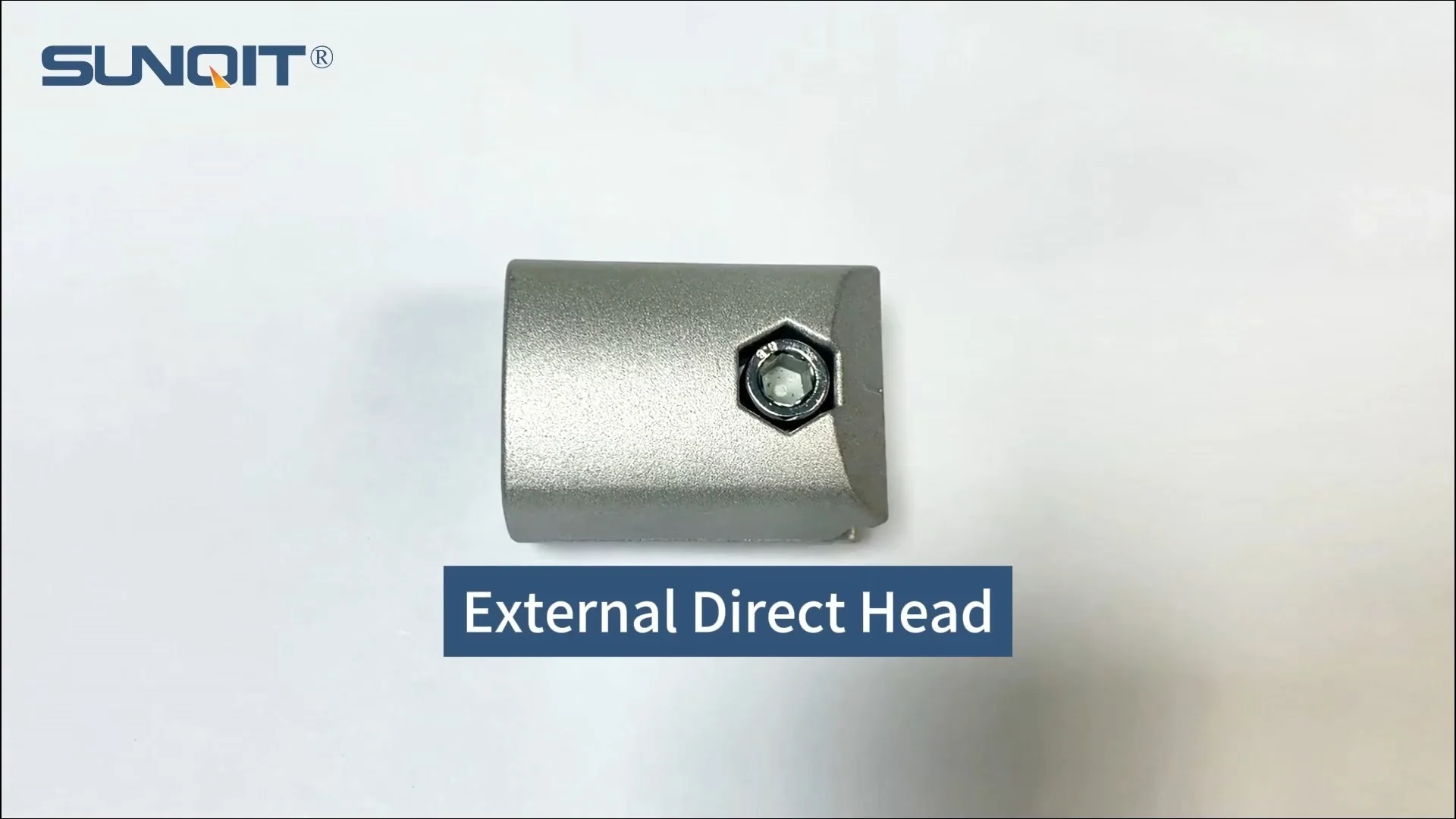
External Straight Aluminum Joint
Aluminum pipe joint outside connection used for two pcs 28pcs aluminum pipe connection in straight angle,it connects two pcs pipe from outside.
In the bustling world of manufacturing, warehousing, and production, every component of your workspace matters—especially the ones you might not notice at first glance. Take, for example, the external straight aluminum joint: a small but mighty piece that holds together aluminum pipes, workbenches, material racks, and even entire lean systems. These joints are the unsung heroes of efficiency, ensuring that your aluminum pipe structures stay stable, your workflows remain uninterrupted, and your team can focus on what truly matters—getting the job done. But like any hardworking component, they're prone to wear and tear over time. Ignoring the signs of deterioration here isn't just a minor oversight; it can lead to wobbly workstations, inefficient material flow, or worse, safety hazards that put your team and operations at risk.
If you've ever wondered why your once-sturdy aluminum profile setup feels a little less reliable these days, or if you're looking to proactively maintain your equipment, you're in the right place. In this guide, we'll walk through everything you need to know about inspecting external straight aluminum joints for wear and tear—from identifying the earliest warning signs to knowing when it's time to replace them. We'll keep things practical, conversational, and grounded in the realities of day-to-day operations, because we know you don't have time for jargon. Let's dive in.
What Are External Straight Aluminum Joints, Anyway?
Before we jump into inspection, let's make sure we're all on the same page about what an external straight aluminum joint is. Simply put, it's a connector designed to join two or more aluminum pipes in a straight line, forming the backbone of structures like workbenches, material racks, or conveyor systems. Unlike internal joints that fit inside pipes, external straight joints clamp around the outside of aluminum pipes, using screws, bolts, or friction to create a secure bond. They're part of a broader family of aluminum profile accessories—tools that turn basic aluminum pipes into functional, customizable workspaces.
What makes these joints so valuable? For starters, they're lightweight yet surprisingly strong, thanks to aluminum's natural durability and resistance to rust (though not impervious, as we'll discuss later). They're also modular, meaning you can disassemble and reconfigure your setup as your needs change—no welding required. Whether you're building a simple hand trolley or a complex multi-tiered material rack, external straight aluminum joints are the quiet force holding it all together. And because they're used in high-traffic areas—think constant loading/unloading, vibrations from machinery, or even accidental bumps from forklifts—they take a lot of daily abuse. That's why regular inspection isn't just good practice; it's essential.
Common Signs of Wear & Tear to Watch For
Wear and tear on external straight aluminum joints rarely happens overnight. It's a slow, gradual process, often hiding in plain sight until a small issue becomes a big problem. To catch it early, you need to know what to look for. Here are the most common red flags:
1. Corrosion: The Silent Eater
Aluminum is naturally resistant to corrosion, but it's not invincible—especially if your workspace is humid, exposed to chemicals, or near coastal areas with salt in the air. Corrosion on external straight joints usually shows up as a white, powdery film (aluminum oxide) or, in more severe cases, greenish spots. At first, it might just look like dirt, but if you wipe it away and it keeps coming back, that's a sign the metal is breaking down. Over time, corrosion weakens the joint's structural integrity, making it prone to cracks or snapping under load.
2. Cracks: Tiny Lines, Big Risks
Cracks are perhaps the most dangerous sign of wear, as they can lead to sudden failure. They often start as hairline fractures around the joint's connection points—where the clamp meets the pipe, or around screw holes from repeated tightening/loosening. You might spot them along the edges of the joint or in the threaded areas where bolts secure it. Cracks can form from overloading (e.g., stacking too much weight on a material rack), impact (like a dropped tool hitting the joint), or metal fatigue from years of vibration. Even a small crack can grow rapidly under stress, so if you see one, don't ignore it.
3. Looseness: When the Joint Stops Holding
A loose joint is easier to notice than corrosion or cracks—you might feel it when you lean on a workbench, or hear a rattle when materials move along a conveyor. Looseness happens when the joint's grip on the aluminum pipe weakens, often due to worn threads (from over-tightening), stripped bolts, or deformation of the clamp itself. Over time, a loose joint can cause the entire structure to wobble, leading to misaligned work surfaces, inefficient material flow, or even parts falling off. If you can twist or rotate the joint by hand when the structure is unloaded, that's a clear sign it's time to inspect further.
4. Deformation: Bends and Dents That Compromise Strength
Aluminum is strong, but it's not indestructible. External straight joints can deform—bend, dent, or warp—from heavy impacts or chronic overloading. For example, if a pallet is dropped onto a material rack, the force could bend the joint where the rack meets the support pipe. Deformation might not look dramatic at first—a slight curve in the clamp, or a dent that changes the joint's shape—but it disrupts the even distribution of weight, putting extra stress on other parts of the structure. A deformed joint can't grip the pipe as tightly, leading to looseness, and in severe cases, it might not even fit properly with replacement parts.
5. Surface Abrasion: When the Protective Layer Wears Thin
Many external straight aluminum joints come with a protective coating—anodized, painted, or powder-coated—to shield against scratches and corrosion. Over time, this coating can wear off from friction (e.g., pipes rubbing against the joint during reconfiguration) or abrasion (tools, materials, or even workers' gloves scraping against it). Once the coating is gone, the raw aluminum underneath is exposed to the elements, making it more vulnerable to corrosion and damage. Look for areas where the color has faded, or where the surface feels rough instead of smooth—these are weak spots waiting to get worse.
Step-by-Step Inspection Process: How to Check Your Joints Like a Pro
Now that you know what to look for, let's walk through a detailed inspection process. Set aside 15–20 minutes per joint (more if you're checking an entire system), and make sure you're working in good light—natural light is best, but a flashlight works too. Safety first: if you're inspecting a tall structure, use a ladder (never stand on a workbench!), and wear gloves to protect your hands from sharp edges or corrosion.
Step 1: Start with a Thorough Visual Inspection
Begin by examining the joint from all angles. Get up close—kneel down if you need to—and scan every inch. Look for the signs we mentioned: corrosion (white/green powder), cracks (tiny lines, especially around screw holes), dents or bends (compare to nearby joints to spot irregularities), and worn coatings (faded color, rough patches). Pay extra attention to areas where the joint connects to the aluminum pipe—this is where stress is highest. If you're inspecting a material rack or workbench, check the joints at the corners and load-bearing points first; these take the most abuse.
Pro tip: Take photos of each joint during inspection. Comparing photos over time can help you spot changes you might miss with the naked eye—like corrosion spreading or a crack growing longer. It also gives you a record to reference if you need to consult a supplier or colleague later.
Step 2: Test for Looseness with a Gentle Wiggle
After the visual check, it's time to get hands-on. With the structure unloaded (never test a joint while it's holding heavy materials!), gently grasp the joint and the connected aluminum pipe. Try to twist, pull, or push them in opposite directions. A healthy joint should feel solid—no movement, no creaking, no give. If you can move the joint even slightly, or if you hear a "click" or "rattle," that means it's loose. Check the bolts or screws securing the joint: are they tight? If they're loose, try tightening them (we'll cover how to do this properly later), then test again. If they won't tighten—or if they loosen immediately after—there's likely internal wear, like stripped threads.
Step 3: Measure for Wear (Yes, You'll Need a Caliper)
Some wear isn't visible to the naked eye—like a joint that's stretched or warped internally. To catch this, use a digital caliper (a small, handheld tool that measures dimensions with precision). First, measure the inner diameter of the joint's clamp (the part that wraps around the aluminum pipe). Compare this to the outer diameter of the pipe it's holding. A properly fitted joint should have a snug grip—there should be less than 0.2mm of space between the joint and the pipe. If the gap is larger, the joint has likely stretched from repeated use, and can't hold the pipe securely anymore.
Next, measure the thickness of the joint's metal at the connection points (e.g., around screw holes). Corrosion or cracks can thin the metal, weakening it. If the thickness is less than 80% of a new joint (check the manufacturer's specs or compare to an unused joint), it's time to replace it.
Step 4: Test Under Load (Safely!)
A joint might feel tight when unloaded, but fail under the weight of materials. To test this, reload the structure with a typical load (e.g., place boxes on a material rack, or set tools on a workbench). Then, check the joint again: does it creak? Does the structure sag or wobble? If the joint moves under load but was tight when empty, that's a sign it can't handle the stress anymore. This is especially common with joints that have internal cracks or weakened threads—they might hold when there's no weight, but give way when pressure is applied.
Step 5: Inspect the Surrounding Area for Clues
Wear on a joint rarely happens in isolation. Check the aluminum pipe it's connected to: is the pipe bent, corroded, or dented? A damaged pipe can put extra stress on the joint, causing it to wear faster. Also, look for signs of leaks (if your workspace uses liquids), dust buildup (which can hide corrosion), or debris trapped between the joint and pipe (which can scratch the surface). Even something as simple as a loose caster wheel on a trolley can cause vibration that wears down joints over time—so don't stop at the joint itself; inspect the entire system.
Wear Types Compared: A Quick Reference Table
| Wear Type | Visual Cues | Common Causes | Inspection Method |
|---|---|---|---|
| Corrosion | White/green powder, pitted surface, discoloration | Moisture, humidity, chemical exposure, salt air | Wipe surface; if residue returns, corrosion is active. Measure metal thickness with caliper. |
| Cracks | Hairline lines, especially around screw holes or edges; may catch on a fingernail | Overloading, impact, metal fatigue, over-tightening bolts | Use magnifying glass to check for cracks. Tap joint gently with a screwdriver; a hollow sound may indicate a crack. |
| Looseness | Visible gap between joint and pipe; joint moves when wiggled | Vibration, stripped threads, worn clamp, loose bolts | Gently twist joint; if it moves, check bolt tightness. Test under load for movement. |
| Deformation | Bends, dents, or warping; joint doesn't align with pipe | Impact (dropped objects), overloading, uneven weight distribution | Compare to a new joint; measure dimensions with caliper for warping. Check if pipe sits flush in joint. |
| Surface Abrasion | Faded coating, rough patches, exposed raw aluminum | Friction from pipes, tools, materials; repeated handling | Run finger over surface; rough areas indicate coating loss. Check for exposed metal with flashlight. |
Tools You'll Need for Effective Inspection
You don't need a fully equipped lab to inspect external straight aluminum joints, but having the right tools will make the process faster and more accurate. Here's what to keep in your inspection kit:
- Flashlight: For illuminating dark corners, especially under workbenches or in material racks. A headlamp frees up your hands—handy for holding a caliper or camera.
- Digital Caliper: To measure joint dimensions, pipe diameter, and metal thickness. Look for one with a resolution of 0.01mm for precision.
- Magnifying Glass: Essential for spotting tiny cracks or corrosion that the naked eye might miss. A 5x or 10x magnifier works best.
- Torque Wrench: To check if bolts are tightened to the manufacturer's specs (over-tightening can damage joints, under-tightening causes looseness).
- Gloves: Nitrile or leather gloves protect your hands from sharp edges, corrosion, or cleaning chemicals.
- Camera/Phone: To take photos for comparison over time, or to show a supplier if you need replacement parts.
- Mild Detergent and Cloth: For wiping away dirt or grease that might hide wear. Avoid harsh cleaners like bleach, which can damage aluminum.
- Screwdriver Set: To tighten loose bolts during inspection (and to disassemble joints if needed for closer checks).
Pro tip: Keep a small notebook or digital document to record your findings. Note the date, joint location (e.g., "Workbench A, left front leg"), and any issues you spot. Over time, this log will help you spot patterns—like joints in humid areas corroding faster—and plan maintenance more effectively.
Preventive Maintenance: How to Keep Joints Stronger, Longer
Inspection is critical, but the best way to deal with wear and tear is to prevent it in the first place. With regular maintenance, you can extend the life of your external straight aluminum joints by years. Here's how:
1. Clean Joints Regularly (Yes, Even the "Hidden" Ones)
Dirt, grease, and debris trap moisture, accelerating corrosion and hiding wear. Wipe down joints with a soft cloth and mild detergent (like dish soap) every 2–3 months. For hard-to-reach areas (e.g., between the joint and pipe), use a toothbrush or cotton swab. Rinse with clean water and dry thoroughly—never leave joints wet, as standing water is a corrosion magnet.
2. Tighten Bolts (But Don't Overdo It)
Vibration from machinery or daily use can loosen bolts over time. Every month, check and tighten the bolts on your external straight joints using a torque wrench. Refer to the manufacturer's specs for the correct torque (usually printed on the joint or in the installation manual). Over-tightening can strip threads or crack the joint, so resist the urge to "crank it tight." If a bolt won't stay tight, replace it—stripped threads are a common cause of looseness.
3. Protect Against Corrosion (Especially in Humid Areas)
If your workspace is humid, near water, or exposed to chemicals, give joints an extra layer of protection. Apply a thin coat of anti-corrosion spray (like WD-40 Specialist Long-Term Corrosion Inhibitor) every 6 months. For outdoor setups, consider anodized joints—anodizing creates a thicker, more durable oxide layer that resists corrosion better than standard aluminum.
4. Avoid Overloading (Know Your Joint's Limits)
Every external straight aluminum joint has a weight limit—check the manufacturer's specs before loading up a workbench or material rack. Overloading is one of the biggest causes of cracks and deformation. If you're unsure, err on the side of caution: distribute weight evenly, and avoid sudden impacts (like dropping heavy objects onto the structure). If you need to increase capacity, add extra support joints instead of pushing existing ones beyond their limits.
5. Reconfigure Carefully (Don't Force Joints)
One of the perks of aluminum profile systems is their modularity—but reconfiguring them carelessly can damage joints. When disassembling, loosen bolts fully before removing the joint; never yank or twist pipes to separate them, as this can bend or crack the joint. When reassembling, align pipes carefully—forcing a misaligned joint onto a pipe can warp it. If a joint doesn't fit smoothly, check for deformation or debris before trying again.
When to replace Your External Straight Aluminum Joint
Even with the best maintenance, all joints wear out eventually. The key is to replace them before they fail. Here are clear signs it's time to retire an old joint:
- Cracks are present: Any visible crack—no matter how small—means the joint's structural integrity is compromised. Cracks grow under stress, and a failed joint could lead to injuries or damaged equipment.
- Corrosion is extensive: If corrosion covers more than ¼ of the joint's surface, or if the metal is pitted (small holes from rust), replacement is safer than repair. Corroded metal can't hold tension, and the joint may snap unexpectedly.
- Looseness can't be fixed: If tightening bolts doesn't stop the joint from moving, or if bolts strip immediately, the threads or clamp are worn out. Continuing to use it risks the joint failing under load.
- Deformation is severe: A bent, warped, or dented joint can't grip pipes properly, and may throw off the alignment of your entire structure. Even if it feels tight, deformation weakens the metal, making it prone to failure.
- It fails the load test: If the joint moves or creaks when loaded with typical materials, it can't support the weight it was designed for. This is a major safety hazard—replace it immediately.
When replacing, always buy from a reputable aluminum pipe supplier. Cheap, low-quality joints may look similar, but they're often made with thinner metal or inferior coatings, wearing out faster and putting your workspace at risk. Look for suppliers that provide specs like material thickness, weight capacity, and corrosion resistance—this ensures you're getting a joint that matches your needs.
Conclusion: Your Joints Deserve Attention
External straight aluminum joints might not be the most glamorous part of your workspace, but they're essential to keeping things running smoothly. By taking the time to inspect them regularly, you're not just maintaining equipment—you're protecting your team, your productivity, and your bottom line. Remember: wear and tear is normal, but ignoring it isn't. A 15-minute inspection today could prevent a costly breakdown tomorrow.
So grab your flashlight, caliper, and gloves, and give your joints the attention they deserve. Check for corrosion, cracks, looseness, and deformation. Tighten bolts, clean away grime, and replace worn parts when needed. Your aluminum pipe structures—and your peace of mind—will thank you.