- Company Articles
- Products and Technology
- Installation And Maintenance
- How to Lubricate Vertical Lean Pipe Joint Chrome for Smooth Rotation

How to Lubricate Vertical Lean Pipe Joint Chrome for Smooth Rotation
Related Product
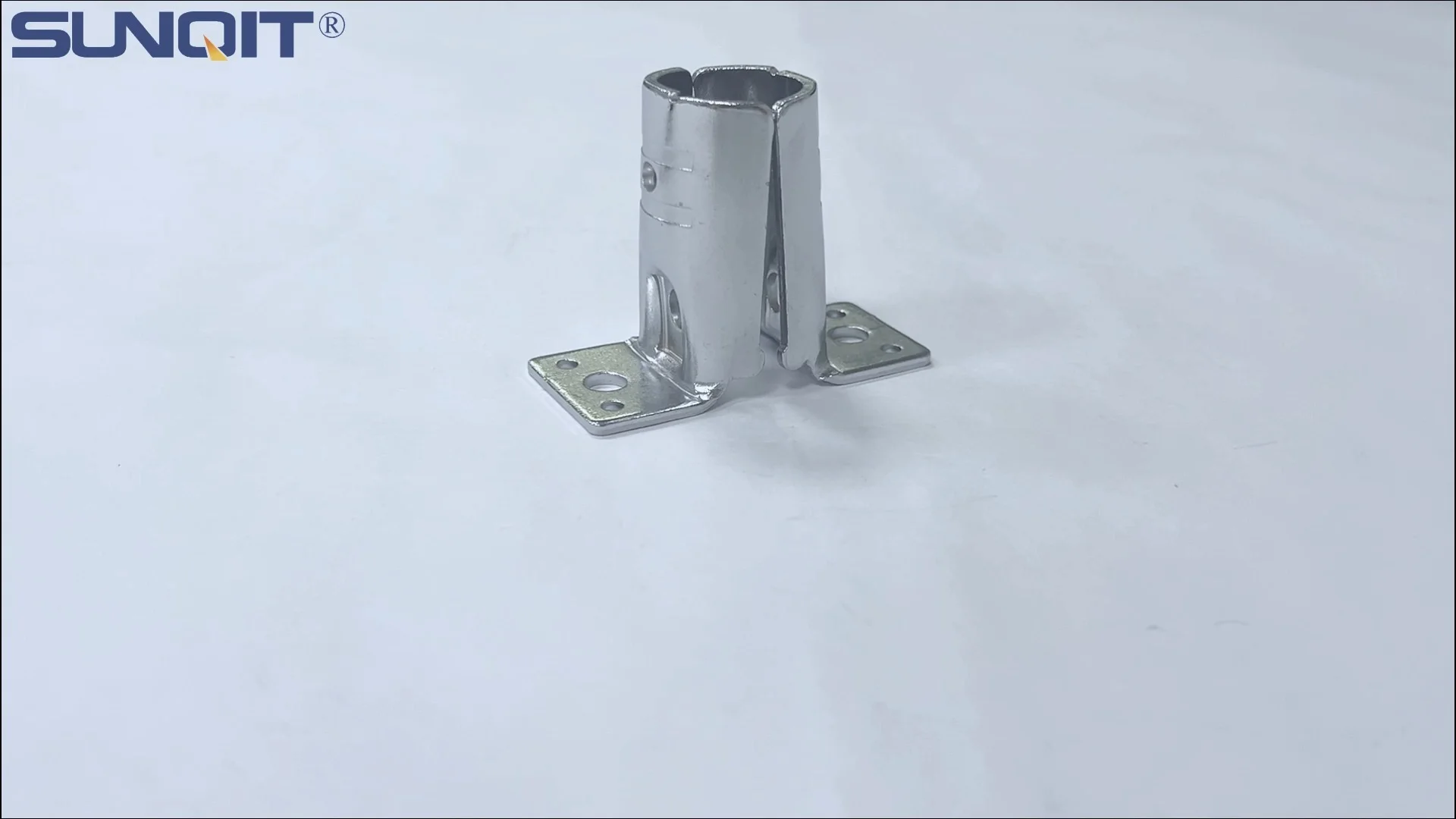
Vertical Lean Pipe Joint Chrome
Vertical lean pipe joint is used for 28mm lean pipe fixed on ground and keep it stable.
Walk into any well-run workshop, and you'll notice something subtle but powerful: everything moves like it's supposed to. Conveyors glide, workbenches adjust with a gentle push, and material racks rotate smoothly to present parts exactly when needed. But behind that seamless flow often lies a small but critical component: the vertical lean pipe joint chrome. These unassuming connectors are the unsung heroes of lean manufacturing, holding together workbenches, assembly lines, and material handling systems while allowing the flexibility to rotate, pivot, and adjust. Yet, when they start to stick or grind, the ripple effects are immediate—delays, frustration, and even increased wear on your entire lean pipe and accessories setup. In this guide, we'll break down how to keep these joints moving smoothly, step by step, so your team can focus on what matters: building great products, not fighting stuck equipment.
Understanding the Vertical Lean Pipe Joint Chrome: More Than Just a Connector
Before we dive into lubrication, let's take a moment to appreciate what makes the vertical lean pipe joint chrome so essential. If you've ever assembled a workbench or a material rack, you've likely encountered these joints. They're the shiny, metallic connectors that link lean pipes (often aluminum or steel) at vertical angles, allowing parts of the structure to rotate or pivot. Unlike fixed joints, which lock components in place, vertical lean pipe joints are designed for movement—think of the adjustable arm on a workbench that swings parts into position, or the rotating shelf on a material rack that lets operators grab tools without leaning. Their chrome plating isn't just for looks, either: it adds corrosion resistance, which is crucial in busy environments where oil, coolant, or moisture might otherwise cause rust and seize the joint.
But here's the thing: that movement relies on precision. Inside every vertical lean pipe joint chrome, there are small bearings, grooves, or contact points that slide against each other. Over time, dust, debris, and even the natural oils from human hands can build up in these tiny spaces, turning a smooth rotation into a jerky, noisy struggle. And when that happens, it's not just an annoyance. A sticky joint on a workbench might mean an operator has to use extra force to adjust their setup, leading to fatigue over a shift. On a conveyor system, it could cause uneven movement, risking damage to delicate parts. In short, keeping these joints lubricated isn't just about maintenance—it's about protecting your team's productivity and the longevity of your lean system.
Why Lubrication Matters: The Cost of a Sticky Joint
Let's start with the obvious: time. I once consulted with a small electronics manufacturer where a single vertical lean pipe joint on their main assembly workbench had been sticking for weeks. The operator, a seasoned tech named Maria, had gotten used to giving it a hard yank to rotate the tool shelf into place. At first, it was just a minor irritation—maybe 5 seconds extra per adjustment. But Maria adjusted that shelf 20 times a day. Do the math: 5 seconds x 20 = 100 seconds, or nearly 2 minutes, lost each day. Over a 5-day workweek, that's 10 minutes. A month? 40 minutes. And that's just one joint on one workbench. Multiply that by a factory with dozens of lean pipe joints, and suddenly you're looking at hours of lost productivity every month.
Then there's wear and tear. When a joint sticks, operators don't just "deal with it"—they apply more force. That extra pressure can warp the joint's internal components, strip threads, or even bend the lean pipe itself. I've seen cases where a neglected vertical lean pipe joint chrome became so seized that the entire workbench frame had to be replaced, costing hundreds of dollars in parts and downtime. Compare that to the cost of a tube of lubricant and 10 minutes of maintenance, and the ROI becomes crystal clear.
Safety is another factor. A joint that suddenly gives way after being stuck can cause tools or parts to shift unexpectedly, leading to spills or even injuries. And let's not forget the mental toll: struggling with equipment creates frustration, and frustrated teams are less engaged and more prone to mistakes. Lubricating your vertical lean pipe joint chrome isn't just about mechanics—it's about respecting your team's time, safety, and morale.

Tools and Materials You'll Need: Gather These Before You Start
You don't need a fully stocked workshop to lubricate a vertical lean pipe joint chrome, but having the right tools will make the job faster and more effective. Here's what you'll need, organized by category:
| Category | Items | Why You Need Them |
|---|---|---|
| Cleaning Supplies | Microfiber cloths, compressed air canister, mild degreaser (e.g., isopropyl alcohol), small wire brush (soft-bristled) | Dust and debris trap lubricant, so cleaning first ensures the joint absorbs the lube properly. |
| Lubricants | Silicone-based lubricant (clear, spray or gel), lithium grease (for heavy-duty use), ESD-safe lubricant (if used near electronics) | Silicone works best for most vertical lean pipe joints; lithium grease for high-load applications; ESD-safe to avoid static damage. |
| Application Tools | Precision oiler (for small joints), disposable gloves, cotton swabs, small funnel (for gel lubricants) | Precision tools help target the lubricant to where it's needed, avoiding messy over-application. |
| Safety Gear | Safety glasses, nitrile gloves | Protect eyes from debris when using compressed air; gloves keep hands clean and prevent oil from transferring to other surfaces. |
Pro tip: Keep a small "lean pipe maintenance kit" stocked with these items near your most-used workbenches or material racks. That way, when someone notices a sticky joint, they don't have to hunt down supplies—they can fix it on the spot.

Step-by-Step Guide: Lubricating Your Vertical Lean Pipe Joint Chrome
Step 1: Safety First—Power Down and Secure the Area
Before you touch anything, make sure the area around the joint is safe. If the joint is part of a conveyor system or a motorized workbench, turn off the power and lock it out (tagout procedures apply here—don't skip this!). If it's a manual workbench or material rack, clear the area around it: remove tools, parts, or any debris that might get in the way. You don't want to knock over a box of screws while you're adjusting the joint. Also, put on your safety glasses and gloves—compressed air can kick up dust, and lubricants can be messy (or, in some cases, irritating to skin).
Step 2: Inspect the Joint—Look for Damage or Debris
Take a close look at the vertical lean pipe joint chrome. Is there visible rust or corrosion? Chrome plating should be smooth and shiny—if you see pitting or flaking, that's a sign the joint might need replacement, not just lubrication. Check for loose screws or bolts, too; a wobbly joint might be due to a loose fastener, not lack of lube. Next, try rotating the joint by hand. Does it stick in one spot, or is it rough all the way around? Note where the resistance is—that's where you'll focus your cleaning and lubrication.
Also, check for debris. In dusty environments, sawdust, metal shavings, or even bits of tape can get caught in the joint's moving parts. I once found a piece of a sticker wedged in a joint that was causing it to lock up—after removing it, the joint rotated like new. So take a moment to brush away any visible dirt with a soft cloth before moving on.
Step 3: Clean the Joint Thoroughly—Don't Lubricate Over Grime
Here's a golden rule: never lubricate a dirty joint. Lubricant mixed with dust creates a gritty paste that will wear down the joint faster than no lubricant at all. So grab your cleaning supplies and get to work.
Start by wiping the exterior of the joint with a microfiber cloth to remove surface dust. Then, use compressed air to blow out any debris from the crevices—hold the canister a few inches away and aim the nozzle at the joint's moving parts (the area where the pipe meets the joint body). If there's stubborn grime, dampen a cloth with mild degreaser (isopropyl alcohol works great) and gently wipe the contact points. For really tight spaces, use a cotton swab dipped in degreaser to reach into grooves or around bearings.
Once you've cleaned, let the joint dry completely. Alcohol evaporates quickly, but if you used a heavier degreaser, give it a few minutes to air out. You want the surface to be clean and dry before applying lubricant—moisture mixed with lube can lead to corrosion later.
Step 4: Choose the Right Lubricant—Not All Greases Are Created Equal
Now, let's talk lubricants. The goal here is to choose something that will reduce friction without attracting too much dust. For most vertical lean pipe joint chrome applications, a silicone-based lubricant (either spray or gel) is your best bet. Silicone is water-resistant, won't degrade rubber or plastic components (important if your joint has plastic washers), and leaves a smooth, dry film that doesn't attract dirt like oil-based lubes do. I prefer gel silicone for vertical joints because it stays in place better than spray, which can run off before it's absorbed.
If the joint is under heavy load—say, supporting a heavy shelf on a material rack—lithium grease might be a better choice. Lithium grease is thicker and more durable, making it ideal for high-pressure applications. Just be aware that it's messier and can attract more dust over time, so you'll need to clean and reapply it more often.
And if your workspace involves electronics (like an ESD workbench), opt for an ESD-safe lubricant. These are specially formulated to prevent static buildup, which can damage sensitive components. Check the label—most ESD-safe lubes will be marked as such.
Step 5: Apply Lubricant Properly—Less Is More
You've cleaned the joint, chosen your lubricant—now it's time to apply. The key here is precision, not quantity. Too much lubricant will ooze out, attract dust, and make a mess. Too little, and the joint won't get the protection it needs.
For silicone gel: Apply a small amount (about the size of a pea) to the moving contact points of the joint. If the joint has a visible bearing or pivot point, focus there. Then, rotate the joint back and forth slowly to work the lubricant into the grooves. You should feel the resistance decrease as the lube spreads.
For spray lubricant: Hold the can 6–8 inches from the joint and spray in short bursts, focusing on the moving parts. Then rotate the joint immediately to distribute the lube—spray can evaporate quickly, so don't let it sit.
For lithium grease: Use a small brush or a precision oiler to apply a thin layer to the contact surfaces. Again, rotate the joint to spread the grease evenly, then wipe away any excess with a clean cloth.
After applying, let the lubricant set for a minute or two, then rotate the joint several times to ensure full coverage. If you notice any excess lube oozing out, wipe it away with a cloth—you don't want it dripping onto work surfaces or parts.
Step 6: Test and Adjust—Make Sure It Moves Like New
Now, the moment of truth: test the joint. Rotate it through its full range of motion. It should move smoothly, with no sticking or grinding. If it still feels rough, don't just add more lube—go back to step 3 and check for missed debris. Sometimes a small particle gets dislodged during rotation and needs to be cleaned out. If the joint is still stiff after cleaning again, you might need to disassemble it (if possible) to check for internal damage. Most vertical lean pipe joints are designed to be taken apart with a wrench—just be sure to keep track of small parts like washers or bearings if you go this route.
Once the joint is moving smoothly, give it a final wipe to remove any remaining excess lube, and you're done! Take a step back and admire your handiwork—you've just saved your team time, reduced wear on your equipment, and kept your lean system running like it should.
Troubleshooting: When Lubrication Isn't Enough
Even with careful cleaning and lubrication, some joints might still give you trouble. Here are a few common issues and how to fix them:
Issue: The joint is still sticky after lubrication. Possible causes: Debris trapped inside, worn bearings, or a bent lean pipe. Try disassembling the joint (if possible) and inspecting the internal parts. If bearings are pitted or cracked, replace them—most lean pipe suppliers sell replacement parts for common joints. If the pipe itself is bent, straighten it gently with a pipe bender or replace it if damage is severe.
Issue: Lubricant keeps leaking out. This is usually due to over-application. Wipe away excess lube and apply a smaller amount next time. If the joint has a seal (like an O-ring), check if it's damaged—cracked or worn seals can't hold lube, so replace them with new ones from your lean pipe and accessories kit.
Issue: The joint is noisy, even after lubrication. Noise often means metal-on-metal contact. Check if the chrome plating has worn off in spots, exposing bare metal. In this case, the joint is likely beyond repair and should be replaced. Look for a replacement vertical lean pipe joint chrome from a reputable supplier—avoid cheap knockoffs, which often have poor-quality plating and internal components.
Maintenance Schedule: How Often Should You Lubricate?
There's no one-size-fits-all answer, but a good rule of thumb is to inspect vertical lean pipe joints monthly and lubricate them every 3–6 months, depending on usage. Here's a quick guide to help you tailor the schedule:
- High-use joints (e.g., workbench arms adjusted daily): Inspect weekly, lubricate every 3 months.
- Medium-use joints (e.g., material rack shelves rotated a few times a week): Inspect monthly, lubricate every 6 months.
- Low-use joints (e.g., rarely adjusted structural supports): Inspect quarterly, lubricate annually.
Environmental factors matter too. In dusty or humid environments, joints will need more frequent cleaning and lubrication—dust accelerates wear, and humidity can cause corrosion. If your workshop uses coolants or oils, those can degrade lubricants faster, so check joints near machining areas more often.
Pro tip: Create a simple checklist and assign a team member to inspect joints during routine maintenance. Even better, train operators to report sticky joints as soon as they notice them—they're the ones using the equipment daily, so they'll be the first to spot issues.
Common Mistakes to Avoid
Lubricating vertical lean pipe joints is straightforward, but there are a few pitfalls to watch out for:
Mistake #1: Using the wrong lubricant. Motor oil or household grease might seem like a quick fix, but they can damage plastic components or attract excessive dust. Stick to silicone-based lubes, lithium grease (for heavy loads), or ESD-safe options (for electronics workbenches).
Mistake #2: Over-lubricating. More lube isn't better—it just creates a mess and attracts dirt. A thin, even layer is all you need.
Mistake #3: Skipping cleaning. Lubricating over grime is worse than not lubricating at all. Take the time to clean first.
Mistake #4: Ignoring damage. If a joint is rusted, cracked, or badly worn, lubrication won't fix it. replace it before it fails completely.
Conclusion: Small Steps, Big Impact
Lubricating a vertical lean pipe joint chrome might seem like a small task—something that can be put off until "later." But as we've seen, those small tasks add up. A few minutes spent maintaining these joints can save hours of downtime, reduce frustration, and extend the life of your lean pipe and accessories. In lean manufacturing, we talk a lot about eliminating waste—muda, as the Japanese call it. Sticky joints are a form of waste: waste of time, waste of energy, and waste of resources. By taking care of them, you're not just maintaining equipment—you're living the principles of lean.
So the next time you walk through your workshop, take a moment to check a vertical lean pipe joint. Rotate it. Feel how it moves. If it's not smooth, grab your lubricant and cleaning supplies. Your team will thank you, your bottom line will thank you, and your lean system will keep flowing—just like it's supposed to.