- Company Articles
- Products and Technology
- Installation And Maintenance
- How to Maintain 3030 National Standard Profile A: Cleaning & Corrosion Prevention

How to Maintain 3030 National Standard Profile A: Cleaning & Corrosion Prevention
Related Product
3030 National Standard Profile A
Workbench, production line, logistic rack, warehouse rack Industry: Manufacturer workshop, Automobile, Electronic, Assembling, logistic
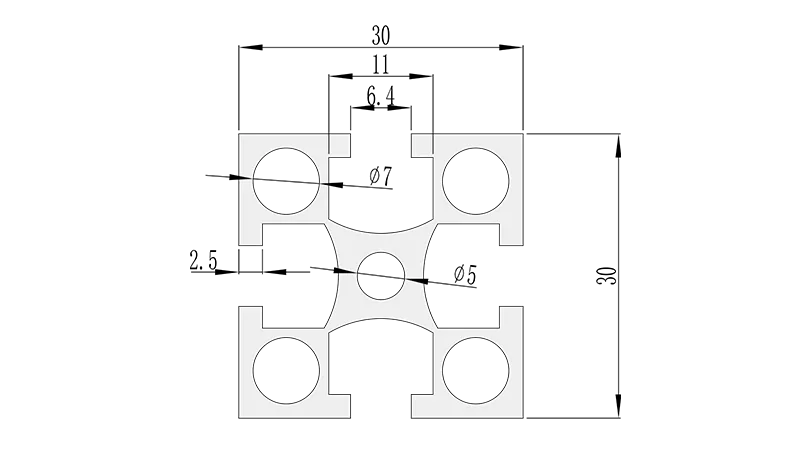
If you've spent any time in a workshop, factory, or even a well-organized garage, you've probably seen aluminum profiles hard at work. They're the backbone of workbenches, material racks, assembly lines, and countless other structures that keep operations running smoothly. Among these, the 3030 National Standard Profile A stands out as a workhorse—durable, versatile, and widely used in everything from simple shelving to complex production setups. But like any hardworking tool, it needs care to stay in top shape. Neglecting maintenance can lead to dull surfaces, corrosion, loose joints, and even reduced structural integrity over time. In this guide, we'll walk through the ins and outs of keeping your 3030 profiles clean and corrosion-free, ensuring they keep supporting your workflow for years to come.
Why 3030 National Standard Profile A Deserves Special Attention
First, let's talk about why this specific profile matters. The 3030 National Standard Profile A is a popular choice for good reason: its 30mm x 30mm cross-section strikes a perfect balance between strength and weight, making it ideal for medium-duty applications. You'll find it in workbenches (like the aptly named Workbench E, a single-deck setup without casters), Material Rack B (with 3 rows and 3 floors), and even turnover trolleys. Because it's often exposed to dust, grease, spills, and daily wear, its maintenance directly impacts not just appearance, but also functionality. A grimy profile might make sliding accessories like aluminum guide rails sticky; corrosion could weaken joints, putting safety at risk. Simply put, taking care of your 3030 profiles is an investment in productivity and safety.
Cleaning 3030 Aluminum Profiles: The Basics
Cleaning might seem straightforward, but aluminum—while resilient—has its quirks. Scratches, harsh chemicals, or abrasive tools can damage its protective oxide layer, leaving it vulnerable to corrosion. Let's break down the process step by step, from everyday dusting to tackling tough stains.
Tools You'll Need
Before you start, gather these supplies—most you probably already have in your workshop or cleaning closet:
- Soft microfiber cloths (avoid paper towels; they can leave lint or scratch)
- Mild dish soap or a dedicated aluminum cleaner (pH-neutral is key)
- Soft-bristled brushes (an old toothbrush works great for tight spaces)
- Distilled water (tap water with high mineral content can leave spots)
- A spray bottle (for mixing cleaning solutions)
- Aluminum profile rubber strip (yes, really! More on this later)
- A soft sponge (non-abrasive, no scouring pads)
Step 1: Regular Dusting – The First Line of Defense
Dust might seem harmless, but over time, it mixes with moisture or grease to form a gritty paste that can scratch surfaces. Get into the habit of dusting your 3030 profiles at least once a week. Use a dry microfiber cloth and wipe along the length of the profile, including the T-slots (those grooves that hold accessories like bolts or brackets). For T-slots, a soft-bristled brush works wonders—gently sweep out dust and debris to prevent buildup. If you're short on time, a quick once-over with a feather duster will do in a pinch, but nothing beats the thoroughness of a microfiber cloth.
Step 2: Deep Cleaning – When Dust Turns to Grime
Every 2-4 weeks (or more often if your profiles are in a high-traffic area), it's time for a deeper clean. Here's how:
- Mix your solution: In a spray bottle, combine 1-2 teaspoons of mild dish soap with 2 cups of distilled water. Avoid harsh detergents, bleach, or ammonia—these can break down the oxide layer.
- Test first: Spray a small, inconspicuous area (like the back of a rack) and let it sit for 30 seconds. Wipe it off—if there's no discoloration or dulling, you're good to go.
- Wipe gently: Spray the solution onto the cloth (not directly onto the profile—excess water can seep into joints), then wipe the profile in the direction of the grain (yes, aluminum has a grain!). Pay extra attention to areas with fingerprints, grease, or sticky residue—these are common culprits for buildup.
- Rinse and dry: Dampen a clean cloth with distilled water and wipe away any soap residue. Immediately dry with a fresh microfiber cloth to prevent water spots. This step is crucial in humid environments—standing water is a corrosion risk.
Tackling Tough Stains: Grease, Oil, and More
Even with regular cleaning, you might encounter stubborn stains. Grease from machinery, oil spills, or even adhesive residue from labels can cling to the profile. Here's how to handle them without damaging the surface:
| Stain Type | Recommended Cleaning Solution | Tools Needed | Pro Tips |
|---|---|---|---|
| Fingerprints/Oil | Mild dish soap + water (as above) | Microfiber cloth, soft sponge | Wipe with a dry cloth first to remove excess oil, then clean with soapy water. For extra shine, buff with a dry cloth afterward. |
| Grease | Isopropyl alcohol (70%) or white vinegar (diluted 1:1 with water) | Soft cloth, old toothbrush (for T-slots) | Apply alcohol/vinegar to the cloth, not the profile. Let it sit for 1 minute to break down grease, then wipe clean. Rinse with water and dry. |
| Adhesive Residue | Rubbing alcohol or citrus-based degreaser (test first!) | Cotton ball, soft cloth | Dab the residue with alcohol-soaked cotton ball—don't scrub. The adhesive should dissolve; wipe away gently. |
| Water Spots | Distilled water + a drop of dish soap | Microfiber cloth, soft sponge | Buff the spot in circular motions with a damp cloth, then dry immediately. For stubborn spots, add a tiny bit of baking soda to the cloth (but go easy—abrasion is risky!) |
What to Avoid When Cleaning
Now, let's cover the "don'ts." These mistakes can do more harm than good:
- Abrasive tools: Steel wool, scouring pads, or rough brushes will scratch the surface, breaking the oxide layer. Stick to soft cloths and brushes.
- Harsh chemicals: Bleach, ammonia, oven cleaner, or acidic solutions (like muriatic acid) can etch or discolor aluminum. Even some "all-purpose" cleaners are too strong—always check the label for "aluminum-safe" wording.
- High-pressure washers: While tempting for large setups, the force can drive water into joints, leading to internal corrosion. Hand cleaning is safer.
- Letting soap dry: Soap residue can leave streaks or film. Always rinse and dry promptly.
Corrosion Prevention: Protecting the Oxide Layer
Aluminum is naturally corrosion-resistant thanks to its thin, invisible oxide layer. When exposed to air, it forms this layer on its own, acting as a shield against moisture and oxygen. But this layer isn't indestructible. Scratches, dents, or exposure to harsh environments (like high humidity, salt air, or chemical spills) can damage it, leaving the metal underneath vulnerable. Here's how to keep that shield strong.
Common Causes of Corrosion on 3030 Profiles
Understanding what causes corrosion is the first step to preventing it. Watch out for these culprits:
- Moisture buildup: Water trapped in T-slots, joints, or between profiles and the floor can lead to pitting or white, powdery corrosion (called "white rust").
- Chemical exposure: Acids, alkalis, or even salt (from de-icing in winter or coastal environments) can eat away at the oxide layer.
- Scratches and dents: Deep scratches expose bare aluminum, which can react with moisture or chemicals.
- Contact with dissimilar metals: If your 3030 profile is bolted to steel without a barrier (like rubber or plastic washers), galvanic corrosion can occur—this is when two metals react electrically in the presence of moisture.
Proven Corrosion Prevention Strategies
Now, let's turn to solutions. These simple habits and tools will go a long way in keeping corrosion at bay.
1. Keep It Dry (and Elevated)
Moisture is the biggest enemy, so start by minimizing contact with water. If your 3030 structure is floor-mounted (like a workbench or material rack), use adjustable leveling feet. These small but mighty aluminum profile accessories lift the profile off the ground, preventing direct contact with spills, floor moisture, or cleaning runoff. Make it a habit to check the leveling feet monthly: tighten any loose ones, replace worn rubber pads, and ensure the structure is stable. A wobbly rack or workbench not only risks damage to the profile but also to whatever's on it!
2. Protect the Surface with Aluminum Profile Accessories
Aluminum profile rubber strips are a game-changer here. These flexible strips fit into the T-slots of your 3030 profiles, acting as a barrier against dust, moisture, and debris. They also cushion the edges, reducing the risk of scratches from tools or parts sliding across the profile. For high-traffic areas (like the edges of a workbench), consider adding edge caps—they're easy to install and absorb impacts that could damage the oxide layer. Even something as simple as a plastic end cap (to seal the ends of cut profiles) prevents water and dirt from getting inside the tube, where corrosion can start unseen.
3. Touch Up Scratches Promptly
No matter how careful you are, scratches happen. A dropped wrench, a sliding part, or even a rough cleaning cloth can leave a mark. When you notice a scratch, clean the area with soap and water, dry it thoroughly, then apply a thin coat of clear acrylic spray paint (aluminum-safe, of course). This seals the exposed metal and prevents moisture from seeping in. For deeper dents, you might need to sand the area gently with 400-grit sandpaper first (always sand in the direction of the grain!) to smooth the edges before painting.
4. Avoid Corrosive Environments (or Adapt to Them)
If your workshop is in a coastal area (salt air) or handles chemicals, take extra precautions. In these cases, consider using stainless steel fasteners instead of regular steel ones (to avoid galvanic corrosion) and apply a protective coating like wax or a specialized aluminum sealant every 3-6 months. These sealants add an extra layer of protection over the oxide layer, repelling water and chemicals. Just make sure to clean the profile thoroughly before applying—wax won't stick to grease or dust!
Troubleshooting Common Issues
Even with the best maintenance, you might run into issues. Here's how to spot and fix them early:
White Rust (Powdery Corrosion)
White rust looks like a chalky, white substance on the surface. It's usually caused by trapped moisture (like water left on the profile after cleaning or high humidity). To fix it: mix a solution of 50% white vinegar and 50% water, apply with a soft cloth, and gently rub the affected area. The vinegar will dissolve the rust. Rinse thoroughly with water, dry, and then apply a clear sealant to prevent recurrence. If the rust is in a T-slot, use a soft brush to dislodge any residue before cleaning.
Pitting (Small Holes in the Surface)
Pitting is more serious—it looks like tiny holes or dimples and is often caused by prolonged exposure to salt, acids, or standing water. Unfortunately, pitting can't be reversed, but you can stop it from spreading. Clean the area with soap and water, dry, then sand lightly with 400-grit sandpaper to remove any loose material. Apply a clear sealant to protect the surrounding area. If the pitting is extensive, consider replacing the affected section—safety first!
Loose Joints or Sticky Accessories
If your aluminum guide rails are sticking or joints feel wobbly, dirt or corrosion might be to blame. Disassemble the joint (if possible), clean the T-slots and accessories with a soft brush and soapy water, then dry thoroughly. Apply a tiny amount of silicone lubricant (avoid oil-based lubricants—they attract dust) to moving parts like guide rails or roller tracks. For joints, check if the bolts or connectors are corroded—replace them with new aluminum profile accessories if needed. Tighten bolts gently (over-tightening can strip T-slots!) to ensure a snug fit.
Final Thoughts: Maintenance as a Habit, Not a Chore
At the end of the day, maintaining your 3030 National Standard Profile A isn't about perfection—it's about consistency. A quick weekly dusting, a monthly deep clean, and a quarterly check for corrosion or loose parts will go further than a yearly "spring cleaning." Think of it like maintaining a car: regular oil changes and tire checks prevent breakdowns, just as regular profile care prevents costly replacements or safety hazards.
And remember, you're not just caring for metal—you're caring for the workflow, the people, and the projects that depend on these structures. A clean, corrosion-free workbench is easier to work at; a sturdy material rack keeps parts organized and accessible; a smooth assembly line reduces downtime. So grab your microfiber cloth, check those adjustable leveling feet, and give your 3030 profiles the attention they deserve. They'll repay you by keeping your operation running strong, day in and day out.