- Company Articles
- Products and Technology
- Installation And Maintenance
- How to Maintain 40 Steel Roller Track Yellow for Long-Term Performance

How to Maintain 40 Steel Roller Track Yellow for Long-Term Performance
Related Product
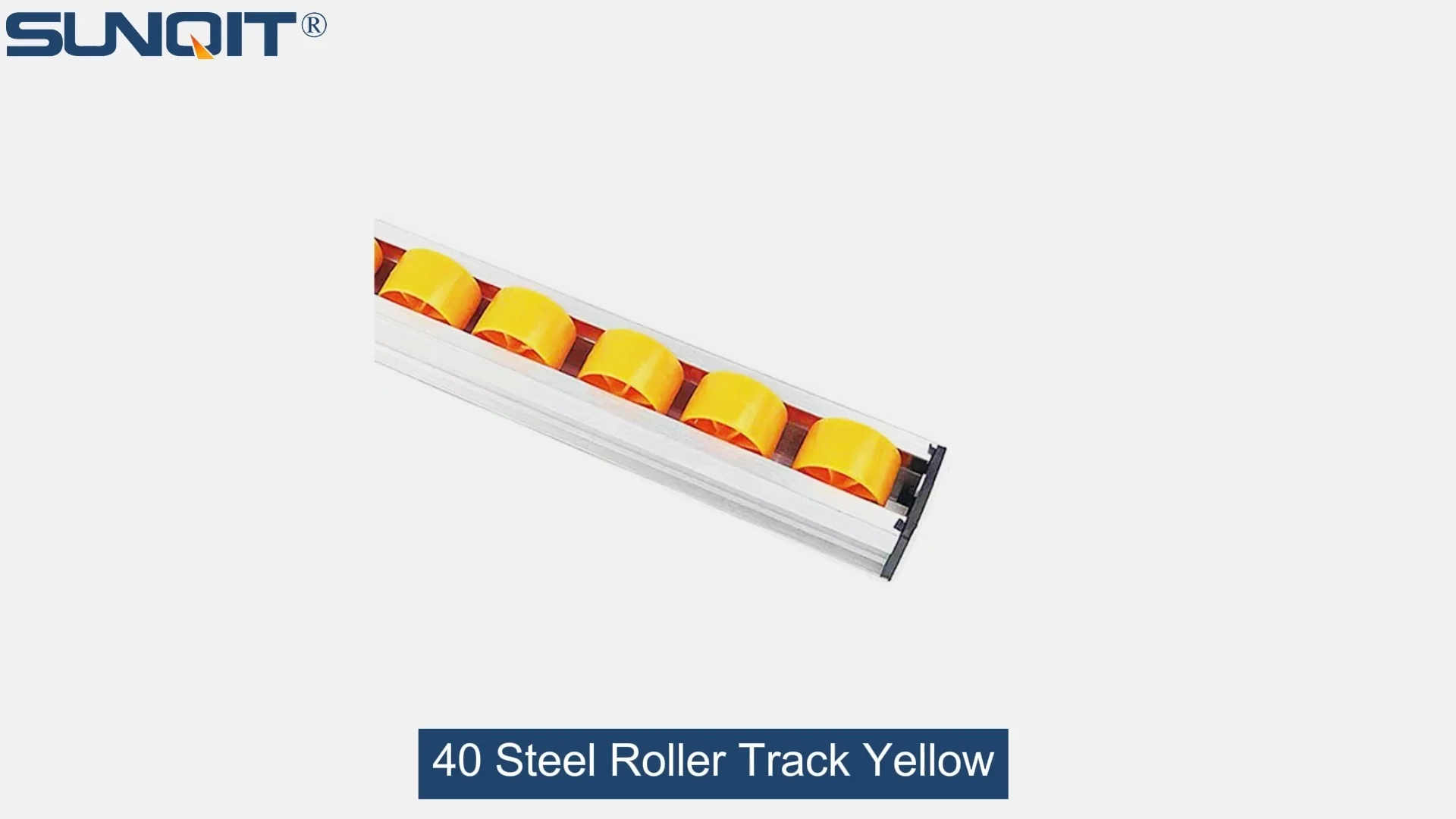
40 Steel Roller Track Yellow
The roller track can be installed with multiple accessories to create different slopes and configurations of flow racks.All steel conveyor 40 roller track accessories are engineered to perfectly fit the sliding rail.
Why Maintenance Matters for Your Roller Tracks
In the fast-paced world of manufacturing and logistics, every component of your production line plays a critical role in keeping operations running smoothly. The 40 steel roller track yellow is no exception—it's a workhorse that powers the flow of materials in conveyors, flow racks, and lean workstations across industries like 3C assembly, automotive, and medical device manufacturing. But without proper care, even the most durable roller track can degrade over time, leading to stuck items, uneven flow, and costly downtime. This guide will walk you through the essential steps to maintain your 40 steel roller track yellow, ensuring it supports your lean system goals and delivers reliable performance for years to come.
Understanding the 40 Steel Roller Track Yellow
The 4O steel roller track yellow is a versatile and robust solution designed for heavy-duty material handling. Crafted from high-grade steel with a durable yellow powder coating, it resists corrosion and wear, making it ideal for high-traffic environments. Its 40mm width accommodates a wide range of items, from small electronic components to large shipping boxes, and its smooth rollers enable frictionless movement that aligns with lean system principles of waste reduction and efficiency.
This roller track is commonly integrated into conveyors and flow racks, where it facilitates just-in-time material delivery—eliminating excess inventory and keeping production lines supplied with exactly what they need. Whether you're using it in a warehouse for order fulfillment or in a factory for assembly line parts transport, the 40 steel roller track yellow is built to withstand constant use. However, like any piece of equipment, it requires regular maintenance to preserve its functionality.

Step-by-Step Maintenance Guide
Proactive maintenance is the key to extending the life of your 40 steel roller track yellow. Below is a detailed breakdown of the tasks you should perform regularly:
1. Regular Inspection
Inspection is the foundation of effective maintenance. Implement a two-tiered schedule to catch issues early:
- Weekly Quick Checks: Walk the length of the track to look for visible signs of damage. Check for rollers that don't spin freely, bent frame sections, loose roller track connectors, and debris buildup. If you spot any issues, address them immediately to prevent further damage.
- Monthly Deep Inspections: Remove all items from the track and examine each component closely. Spin every roller to ensure smooth rotation—any resistance indicates a problem. Check the frame for rust spots, especially in areas exposed to moisture. Tighten all bolts and nuts, paying special attention to roller track accessories like brackets and connectors. Document your findings to track wear patterns over time.
2. Thorough Cleaning
Dirt, dust, and debris are the biggest enemies of roller track performance. Follow these cleaning steps:
- Use a soft-bristled brush (like a paintbrush) or compressed air with a narrow nozzle to remove loose dust and particles from between rollers and frame gaps. Compressed air is ideal for hard-to-reach areas where debris can accumulate and cause rollers to stick.
- For sticky residues or grease buildup, mix a mild detergent (like dish soap) with warm water. Dip a soft cloth in the solution and gently wipe the track frame and rollers. Avoid harsh chemicals that could damage the yellow coating or corrode the steel.
- After cleaning, dry the track thoroughly with a clean towel. Moisture left on steel surfaces can lead to rust, so pay extra attention to roller axles and frame joints. For added protection, you can apply a thin layer of rust-resistant spray to the frame (ensure it's compatible with the yellow coating).
3. Proper Lubrication
Rollers need lubrication to reduce friction and spin freely. Here's how to do it right:
- Choose the right lubricant: Light machine oil (like 3-in-1 oil) or silicone lubricant works best. Silicone lubricant is preferred for dusty environments because it doesn't attract dirt as much as oil. If your track is used in food processing, opt for food-grade lubricants.
- Apply lubricant sparingly: Use a dropper to place one small drop of lubricant on the axle of each roller. Spin the roller several times to distribute the lubricant evenly across the axle and bearings. Wipe off any excess with a cloth to prevent buildup.
- Schedule lubrication every 3-6 months: Adjust the frequency based on usage—tracks in high-traffic areas may need lubrication every 2 months, while those in low-use areas can go 6 months between applications.
4. Tightening and Alignment
Loose parts and misaligned rollers can disrupt material flow. Follow these steps:
- Tighten all fasteners: Use a wrench or torque wrench to tighten bolts and nuts on roller track connectors, brackets, and frame sections. Be careful not to over-tighten, as this can strip threads or bend the frame.
- Check track level: Place a spirit level on the track to ensure it's horizontal. If it's uneven, adjust the feet or mounting brackets to level the track. Uneven tracks cause items to slide to one side or get stuck.
- Align rollers: Ensure all rollers are parallel to each other and perpendicular to the direction of material flow. If a roller is misaligned, loosen its bracket, adjust its position, and retighten the bolts. Misaligned rollers can cause items to jostle or get caught.
5. Addressing Wear and Tear
Over time, parts will wear out. Here's how to handle common wear issues:
- replace worn rollers: If a roller has flat spots, cracks, or doesn't spin freely even after cleaning and lubrication, replace it with a new one. Use genuine roller track accessories from your supplier to ensure compatibility and quality.
- Repair bent frames: Minor bends can be straightened using a hammer and a block of wood (to protect the frame). For major bends, replace the affected section of the track. Bent frames cause uneven material flow and can damage items being transported.
- Fix rust spots: If you notice rust on the frame, use a wire brush to remove the rust, then apply a rust-resistant primer and touch-up paint that matches the yellow coating. This prevents the rust from spreading and keeps the track looking new.

Common Issues and Troubleshooting
Even with regular maintenance, you may encounter issues. Here's how to resolve them:
| Common Issue | Possible Causes | Solutions |
|---|---|---|
| Rollers sticking or not spinning | Debris buildup, lack of lubrication, bent axle | Clean the roller and axle, apply lubricant, replace roller if axle is bent |
| Uneven material flow | Track not level, misaligned rollers, worn rollers | Adjust track level, realign rollers, replace worn rollers |
| Excessive noise | Loose parts, worn bearings, dry rollers | Tighten bolts, replace worn bearings, lubricate rollers |
| Items getting stuck mid-track | Debris between rollers, bent frame section, misaligned roller | Remove debris, straighten frame, adjust roller position |
| Rust formation | Moisture exposure, lack of protective coating | Remove rust, apply primer and touch-up paint, increase drying time after cleaning |

Best Practices for Long-Term Performance
To maximize the lifespan of your 40 steel roller track yellow, adopt these best practices:
1. Train Your Team
Empower your operators to perform basic maintenance tasks. Train them to identify common issues like stuck rollers or loose bolts and report them promptly. Create a simple checklist for daily inspections so everyone knows what to look for. This not only keeps the track in good shape but also fosters a culture of accountability.
2. Integrate with Lean System Principles
Your roller track is part of a larger lean system—use maintenance as an opportunity to improve efficiency. For example, implement the 5S methodology (Sort, Set in Order, Shine, Standardize, Sustain) to keep the area around the track clean and organized. This reduces debris buildup and makes maintenance easier. Regularly review maintenance records to identify patterns and optimize your schedule.
3. Use Genuine Accessories
When replacing parts, always use genuine roller track accessories from a trusted supplier. Generic parts may not fit properly or be as durable, leading to more frequent breakdowns. Reliable suppliers offer high-quality parts that are designed to work seamlessly with your 40 steel roller track yellow, ensuring optimal performance.
4. Monitor Usage and Adjust Maintenance
Keep track of how often the track is used and adjust your maintenance schedule accordingly. If the track handles heavy loads or operates 24/7, increase the frequency of inspections and lubrication. Use data from maintenance logs to predict when parts will need replacement, allowing you to order them in advance and avoid downtime.
5. Protect from Environmental Factors
If your track is in an outdoor or high-moisture environment, take extra precautions. Cover the track when not in use to protect it from rain or snow. Use rust-resistant coatings and increase the frequency of rust checks. For dusty areas, install dust shields to prevent debris from accumulating on the rollers.
Conclusion
Maintaining your 40 steel roller track yellow is an investment in the efficiency and reliability of your operation. By following the steps outlined in this guide—regular inspection, thorough cleaning, proper lubrication, tightening and alignment, and addressing wear and tear—you can ensure your track delivers long-term performance. This not only reduces downtime and repair costs but also supports your lean system goals by keeping materials flowing smoothly and efficiently.
Remember, a well-maintained roller track is more than just a piece of equipment—it's a critical component that helps you meet production targets, reduce waste, and stay competitive in today's fast-paced market. So take the time to care for your 40 steel roller track yellow, and it will serve you well for years to come.