- Company Articles
- Products and Technology
- Installation And Maintenance
- How to Maintain 4040F EU Standard Aluminum Profile Structures: Cleaning & Inspection Tips

How to Maintain 4040F EU Standard Aluminum Profile Structures: Cleaning & Inspection Tips
Related Product
4040F EU Standard Aluminum Profile
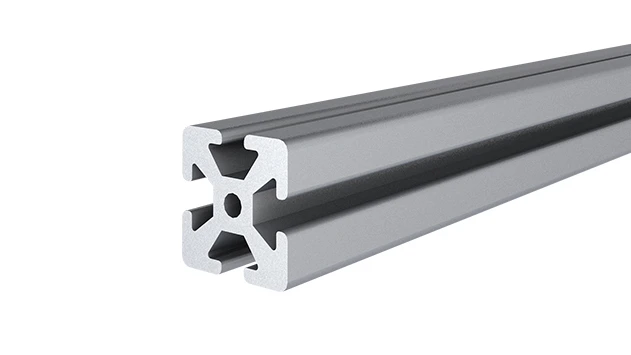
4040F is a 4.00x4.00 CM fractional 40 series square extrusion T-slot profile with four side open T-slots, each side with 4.00cm face. The profile has align-a-grooves to assist in aligning connecting profiles.
If you've ever walked through a busy workshop, a bustling factory floor, or even a well-organized garage, chances are you've seen aluminum profile structures hard at work. From sturdy workbenches and material racks to conveyor systems and machine guards, these frameworks are the unsung heroes of efficiency and organization. And among the most popular players in this space? The 4040F EU Standard Aluminum Profile. With its robust build, versatile T-slot design, and compatibility with countless accessories, it's no wonder it's a go-to for everything from small-scale workstations to large industrial setups. But here's the thing: even the toughest materials need a little TLC. Without regular care, your 4040F structure might start showing signs of wear—loose joints, grimy surfaces, or worn-out parts—that could slow down your workflow, compromise safety, or shorten its lifespan. So today, let's dive into the nitty-gritty of maintaining these workhorses: how to clean them properly, what to look for during inspections, and how to keep those aluminum profiles (and their accessories) in top shape for years to come.
Why Maintenance Matters: It's Not Just About Looks
Before we get into the "how," let's talk about the "why." You might think, "Aluminum is strong—why bother with regular cleaning or checks?" Well, consider this: aluminum profiles like the 4040F are designed to handle heavy loads, constant use, and even minor impacts. But over time, dust, grease, moisture, and everyday wear can take a toll. A layer of grime might hide small dents or cracks that could weaken the structure. Loose aluminum profile accessories (think end caps, connectors, or hinges) can turn a stable workbench into a wobbly hazard. And if moisture seeps into the hollow core of the profile because a 4040 aluminum profile end cap is cracked or missing? That could lead to internal corrosion, which is far harder to fix than preventing it in the first place. In short, maintenance isn't just about keeping your setup looking neat—it's about preserving functionality, safety, and value. A little time spent now can save you from costly repairs or replacements later.
Cleaning 101: Keeping Your 4040F Profile Sparkling (and Protected)
Let's start with the basics: cleaning. Aluminum profiles don't require fancy tools or harsh chemicals, but they do need consistent care to avoid buildup. Here's how to approach it, step by step.
1. Regular Dusting: The First Line of Defense
Dust might seem harmless, but when it mixes with moisture or oil, it can form a gritty paste that eats away at surfaces over time. For weekly maintenance, grab a microfiber cloth or a soft-bristled brush and give your 4040F structure a quick once-over. Pay extra attention to horizontal surfaces (like workbench tops or rack shelves) where dust tends to settle, and don't forget the T-slots—those narrow grooves are magnets for debris. A small, soft brush (like a clean paintbrush) works wonders for dislodging dust from T-slots without scratching the aluminum. If you're dealing with a larger setup (say, a long conveyor frame), a handheld vacuum with a brush attachment can speed things up—just avoid using high suction directly on the aluminum, as it might scratch delicate finishes.
2. Tackling Grease, Oil, and Stubborn Stains
In workshops or production areas, grease and oil splatters are par for the course. Left unchecked, they can attract more dust, become sticky, or even corrode the aluminum's protective oxide layer. For these messes, skip the abrasive sponges or harsh chemicals (looking at you, bleach and ammonia)—aluminum is surprisingly sensitive to strong acids and alkalis, which can discolor or pit the surface. Instead, mix a few drops of mild dish soap (the kind you use for handwashing dishes) with warm water. Dip a soft cloth into the solution, wring it out well (you don't want dripping water), and gently wipe the affected area. For extra-tough spots (like dried oil), let the soapy cloth sit on the stain for 2-3 minutes to loosen it before wiping. Once clean, rinse the cloth with plain water, wring it out, and wipe the area again to remove any soap residue. Dry immediately with a clean, dry microfiber cloth to prevent water spots—this is especially important if your workspace is humid.
3. Cleaning Accessories: Don't Overlook the Small Parts
Your 4040F structure is only as strong as its weakest component, and that includes aluminum profile accessories like end caps, rubber strips, and connectors. Let's break down how to care for a few key ones:
- 4040 Aluminum Profile End Caps: These plastic or rubber caps seal the ends of the profile, keeping dust, moisture, and small debris from getting inside the hollow core. To clean them, simply wipe with a damp cloth during your weekly dusting. While you're at it, give them a gentle tug to make sure they're securely attached—loose end caps are a common culprit for rattling noises and debris buildup inside the profile.
- Aluminum Profile Rubber Strip: Found along the edges of workbenches or racks, these strips protect both the profile and whatever you're moving across it (think tools, materials) from scratches. Rubber can dry out and crack over time, especially if exposed to harsh cleaners. Avoid alcohol, acetone, or petroleum-based products (like WD-40, unless it's specifically silicone-based) when cleaning rubber strips—they break down the rubber's elasticity. Instead, use the same mild soapy water as the frame, and pat dry with a cloth. If the strip is detachable, you can remove it gently, clean the groove underneath, and reattach it to prevent dirt from getting trapped.
- Connectors and Hinges: Metal accessories like T-slot nuts, bolts, and hinges can collect grime in their crevices. Wipe them down with a soapy cloth, and for moving parts (like hinges or adjustable joints), a quick spritz of silicone-based lubricant (every 3-6 months, depending on use) will keep them moving smoothly without attracting dust.
4. Avoiding Common Cleaning Mistakes
Even with the best intentions, it's easy to slip up. Here are a few pitfalls to avoid: Never use steel wool or abrasive pads —they'll scratch the aluminum's surface, making it more prone to future staining. Skip pressure washers unless you're dealing with heavy industrial grime (and even then, keep the nozzle at least 12 inches away and use low pressure). High-pressure water can force its way into T-slots or under end caps, trapping moisture and causing corrosion. And always dry thoroughly after cleaning—standing water, especially in humid environments, can lead to spots or, over time, oxidation.

Inspection: What to Look For (and When)
Cleaning keeps your structure looking good, but inspections keep it safe and functional. Think of it like a health checkup—catching small issues early prevents them from turning into big problems. How often should you inspect? Aim for a quick weekly "walk-around" and a more thorough monthly check. Here's what to look for.
Weekly Quick Checks: The "Sniff Test" for Your Structure
These are fast, 5-10 minute checks to spot obvious issues. Start by listening —a rattle, squeak, or creak when you move near the structure could mean a loose joint or worn accessory. Then look for: loose end caps (as mentioned), visible dents or bends in the profile (especially around load-bearing areas like shelf supports), and any debris blocking T-slots (which can make it hard to attach new accessories later). Finally, feel —run a hand along the edges to check for sharp burrs (from nicks or scratches) that could snag gloves or materials.
Monthly Deep Dive: Getting Up Close and Personal
Once a month, set aside 20-30 minutes to really inspect your 4040F structure. Grab a flashlight (to check inside T-slots or under end caps) and a small wrench or screwdriver (for tightening loose fasteners). Here's your checklist:
| Area to Inspect | What to Look For | Action to Take |
|---|---|---|
| 4040 Aluminum Profile Frame |
- Dents, especially in load-bearing sections
- Scratches deeper than the surface (exposing raw aluminum) - Signs of corrosion (white, powdery spots or pitting) |
- Minor dents: If shallow, gently tap from the inside (using a soft mallet and a block of wood to avoid further damage).
- Deep scratches/corrosion: Clean the area with mild soap, dry, then apply a thin coat of aluminum anti-corrosion spray (test on an inconspicuous spot first to check for discoloration). |
| End Caps & Rubber Strips |
- 4040 aluminum profile end caps: Cracks, missing caps, or gaps between cap and profile.
- Aluminum profile rubber strip: Cracks, brittleness, or detachment from the edge. |
- Loose end cap: Tighten with a Phillips or flathead screwdriver (depending on the cap type). If stripped, replace with a new cap.
- Cracked rubber strip: Peel off the old strip, clean the groove with soapy water, dry, then press a new strip into place (use rubber adhesive if needed). |
| Aluminum Profile Accessories (Connectors, Bolts, Hinges) |
- Loose bolts or nuts (wiggle them gently to check)
- Rust on metal parts - Stripped threads or bent fasteners |
- Loose hardware: Tighten with the appropriate tool (don't over-tighten—this can strip threads).
- Rust: Scrub lightly with a wire brush, then apply a rust-inhibiting primer. - Stripped/bent parts: replace with new accessories (keep spares on hand for quick fixes). |
| T-Slots |
- Debris buildup (dust, metal shavings, small tools)
- Bent or deformed slot edges (from over-tightening accessories) |
- Debris: Use a small brush or compressed air (low pressure) to clear out slots.
- Bent edges: If minor, gently bend back with needle-nose pliers (be careful not to crack the aluminum). |
When to Call in the Pros
Not every issue is a DIY fix. If you notice severe corrosion (large areas of pitting or holes), structural bends (the frame is visibly warped), or multiple loose/worn accessories (like hinges that no longer align), it might be time to consult a professional. A warped frame could compromise the entire structure's stability, and trying to bend it back yourself could make things worse. Most aluminum profile suppliers offer repair or replacement services for damaged sections—don't hesitate to reach out if you're unsure.
Long-Term Care: Protecting Your Investment for the Long Haul
Consistent cleaning and inspections are key, but a few extra steps can extend your 4040F structure's lifespan even further.
1. Control the Environment
Aluminum is resistant to rust, but it's not immune to corrosion—especially in humid or salty environments (like coastal workshops) or areas with high chemical exposure (paint shops, labs). If possible, keep your structure away from direct moisture (leaky pipes, open windows during rain) and use a dehumidifier in damp spaces. For outdoor setups (yes, aluminum profiles can be used outdoors!), consider an extra layer of clear coat or anodization to boost corrosion resistance.
2. Document and Track Maintenance
A simple log (digital or paper) can work wonders. Note when you cleaned the structure, what issues you found during inspection, and what fixes you made. Over time, this helps you spot patterns—maybe a certain end cap keeps coming loose, indicating a need for a stronger adhesive, or corrosion tends to form in a specific corner, pointing to a ventilation problem. It also ensures consistency if multiple people are responsible for maintenance.
3. replace Worn Accessories Proactively
Accessories like end caps, rubber strips, and even bolts have a lifespan. Instead of waiting for them to fail (and risk damaging the profile), replace them at the first sign of wear. Most suppliers sell these parts individually, so you don't have to replace the entire structure. Keep a small stock of common spares—like 4040 aluminum profile end caps and aluminum profile rubber strips —in your workshop for quick swaps.
Wrapping Up: Small Efforts, Big Results
Maintaining your 4040F EU Standard Aluminum Profile structure might not be the most glamorous task, but it's one of the smartest investments you can make in your workspace. A few minutes of dusting each week, a monthly inspection with a flashlight and wrench, and replacing worn accessories before they fail—these small steps add up to a structure that's safer, more efficient, and built to last. Remember: aluminum profiles are tough, but they're not indestructible. With a little care, your 4040F setup will keep supporting your projects, streamline your workflow, and look great for years to come. So grab that microfiber cloth, check those end caps, and give your aluminum workhorse the attention it deserves—you'll be glad you did.