- Company Articles
- Products and Technology
- Installation And Maintenance
- How to Maintain 4040r EU Standard Aluminum Profile Systems: Longevity Tips

How to Maintain 4040r EU Standard Aluminum Profile Systems: Longevity Tips
Related Product
4040R EU Standard Aluminum Profile
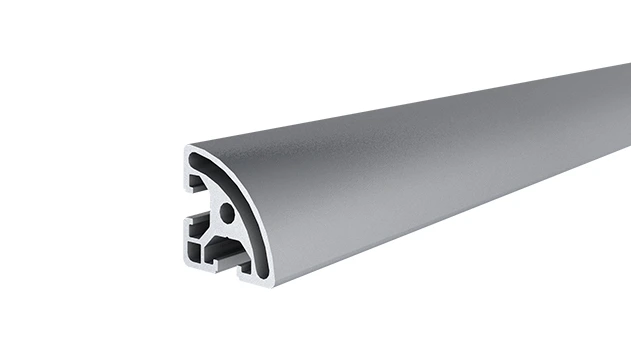
4040R is a 4.00x4.00 CM fractional 40 series square extrusion T-slot profile with two side open T-slots, each side with 4.00cm face,the other side is round face. The profile has align-a-grooves to assist in aligning connecting profiles.
Walk into any modern workshop, manufacturing plant, or even a well-organized home garage, and you'll likely spot the quiet backbone of efficient spaces: aluminum profile systems. Among these, the 4040r EU Standard Aluminum Profile stands out as a true workhorse. Its versatility—whether you're building workbenches, material racks, or production lines—makes it a favorite for engineers, DIY enthusiasts, and facility managers alike. But here's the thing: even the sturdiest tools need care. A little maintenance today can save you from costly replacements, frustrating downtime, and wobbly structures tomorrow. Let's dive into how to keep your 4040r aluminum profile system in top shape for years to come.
Understanding Your 4040r Aluminum Profile System
First, let's get familiar with what we're working with. The 4040r EU Standard Aluminum Profile is a square extrusion, typically 40mm x 40mm, with precision-engineered T-slots running along its length. These slots are where the magic happens—they let you attach everything from brackets and shelves to conveyor tracks, using aluminum profile accessories like end caps, connectors, and t-slot rubber seal covers. Think of it as a modular building block: strong enough to support heavy loads, lightweight enough to reconfigure, and designed to adapt to your needs. But all those moving parts and exposed surfaces mean there are more spots where wear and tear can sneak in.
Whether your system is holding up a workbench in a busy factory or organizing tools in a lab, its longevity depends on how well you care for both the profile itself and the small but crucial components that hold it all together. Let's start with the basics.
The First Rule: Keep It Clean
Dirt, dust, and grime are the silent enemies of aluminum profiles. Over time, they can clog T-slots, corrode surfaces, and even scratch the anodized finish that protects the metal. The good news? Cleaning is simple, and you don't need fancy tools.
What to do: Grab a soft microfiber cloth or a sponge—avoid abrasive scouring pads, which can scratch the surface—and wipe down the profiles regularly. For everyday dust, dry wiping works. If there's oil, grease, or sticky residue (common in workshops), mix a little mild dish soap with warm water. Gently scrub the affected areas, then wipe clean with a damp cloth and dry thoroughly. Pay extra attention to the T-slots: use a soft-bristled brush (an old toothbrush works!) to dislodge dirt stuck in the grooves. Clogged slots make it hard to insert accessories later, so don't skip this step.
Pro tip: If you're cleaning a large system, work in sections. Don't let water pool on the profiles—aluminum resists rust, but standing water can still damage accessories like aluminum profile end caps or rubber strips over time.

Inspect (and Protect) the Accessories
Your 4040r profile is only as strong as its weakest accessory. Aluminum profile accessories like end caps, t-slot rubber seal covers, and connectors take a lot of hidden abuse. Let's break down how to check and care for them:
Aluminum Profile End Caps: These small caps seal the ends of the profiles, keeping out dust, debris, and moisture. Over time, they can loosen or crack—especially if the profile gets bumped or moved frequently. Every few weeks, give each end cap a gentle tug. If it wiggles, push it back into place; if it's cracked, replace it. A loose end cap might seem minor, but it lets water and dirt inside the profile, which can lead to internal corrosion down the line.
T-Slot Rubber Seal Covers: These flexible strips slide into the T-slots to protect them from dust and prevent small parts (like screws or washers) from falling in. Run your finger along the rubber strip—if it's brittle, cracked, or peeling, it's time for a new one. In workshops with lots of debris, check these monthly; in cleaner spaces, quarterly might be enough. Replacing a $5 rubber strip now beats having to drill out a clogged T-slot later!
Connectors and Joints: The brackets, angle codes, and screws that hold your system together can loosen with vibration—common in production environments. Every month, walk around your setup with a hex key (the same one you used to assemble it) and gently tighten any loose connections. Be careful not to over-tighten—aluminum is strong, but stripping a thread in the T-slot is a hassle to fix.
Fight Wear and Tear Head-On
Even with regular cleaning and inspections, your 4040r profiles will show signs of use. Here's how to handle common issues:
Scratches: Minor surface scratches are normal—they're just battle scars. But deep scratches that expose the raw aluminum (not the anodized layer) need attention. For shallow scratches, try buffing with a soft cloth and a tiny bit of metal polish (test on an inconspicuous spot first!). For deeper ones, clean the area, apply a small amount of clear nail polish (yes, really!) to seal the scratch, and let it dry. This prevents moisture from getting in and causing corrosion.
Bent Profiles: If a profile gets bent (maybe from a fallen tool or a heavy impact), assess the damage. Small bends in non-load-bearing parts can sometimes be gently straightened with a rubber mallet (tap, don't whack!). But if the bend is severe or in a structural part (like a vertical support), replace the profile. A bent profile compromises the entire system's stability—don't risk it.
Corrosion Spots: Aluminum is naturally corrosion-resistant, but in humid or chemical-heavy environments (think coastal areas or factories with cleaning agents), you might see white, powdery spots. Wipe these off with a cloth dampened in vinegar (mild acid cuts through corrosion), then rinse with water and dry. If the spot is deep, consider applying a thin coat of clear aluminum sealant to protect it.
The Maintenance Schedule: A Quick Reference
Consistency is key. Use this table to stay on track—adjust frequencies based on how heavily your system is used (e.g., a production line needs weekly checks; a garage setup might be monthly):
| Frequency | Tasks | Tools Needed |
|---|---|---|
| Daily | Wipe down visible dust; check for loose end caps or wobbly structures. | Microfiber cloth |
| Weekly | Deep clean with soapy water; brush T-slots; tighten loose connectors. | Soft sponge, mild soap, toothbrush, hex key |
| Monthly | Inspect rubber seal covers for cracks; check end caps; buff minor scratches. | Replacement rubber strips, metal polish (optional) |
| Quarterly | Check for corrosion; test stability of large structures; replace worn accessories. | Vinegar, clear sealant (optional), replacement end caps/connectors |
Environmental Protection: Where You Place It Matters
Your aluminum profile system's environment plays a big role in its lifespan. Here are a few easy fixes to protect it:
Humidity: In damp areas (like basements or coastal workshops), consider adding a dehumidifier. If that's not possible, wipe down profiles and accessories with a dry cloth weekly to prevent moisture buildup.
Chemicals: Keep strong solvents, acids, or alkalis away from the profiles. If a spill happens, wipe it immediately with water—don't let it sit. Some workshop cleaners can eat away at the anodized finish over time, so stick to mild soaps when possible.
Sunlight: Direct UV rays can fade colored accessories (like yellow or grey plastic components) and make rubber strips brittle. If your system is near a window, use curtains or blinds, or opt for UV-resistant accessories where possible.
When to Call in the Pros
Most maintenance is DIY-friendly, but there are times to seek help. If you notice severe corrosion (pitting, not just surface spots), major bends in load-bearing profiles, or accessories that keep loosening despite tightening, a professional can assess if parts need repair or replacement. Many aluminum profile suppliers (like the ones who sold you the 4040r) offer maintenance tips or replacement parts, so don't hesitate to reach out—they want your system to last as much as you do.
Final Thoughts: Invest a Little, Gain a Lot
Maintaining your 4040r EU Standard Aluminum Profile system isn't about spending hours with tools—it's about small, consistent habits. A quick wipe-down after a busy day, a monthly check of the end caps, and replacing a $2 rubber strip when it cracks. These steps add up to a system that stays sturdy, safe, and efficient for years. After all, the goal of using aluminum profiles is to make your space work for you—not the other way around. With a little care, your 4040r system will keep supporting your projects, your team, and your productivity for the long haul.