- Company Articles
- Products and Technology
- Installation And Maintenance
- How to Maintain 60 Steel Roller Track Small Wheels for Extended Lifespan

How to Maintain 60 Steel Roller Track Small Wheels for Extended Lifespan
Related Product
60 Steel Roller Track Small Wheel
Modular system roller tracks aluminum gravity roller tracks are an excellent solution for transporting materials within industrial environments, warehouses and distribution centres.
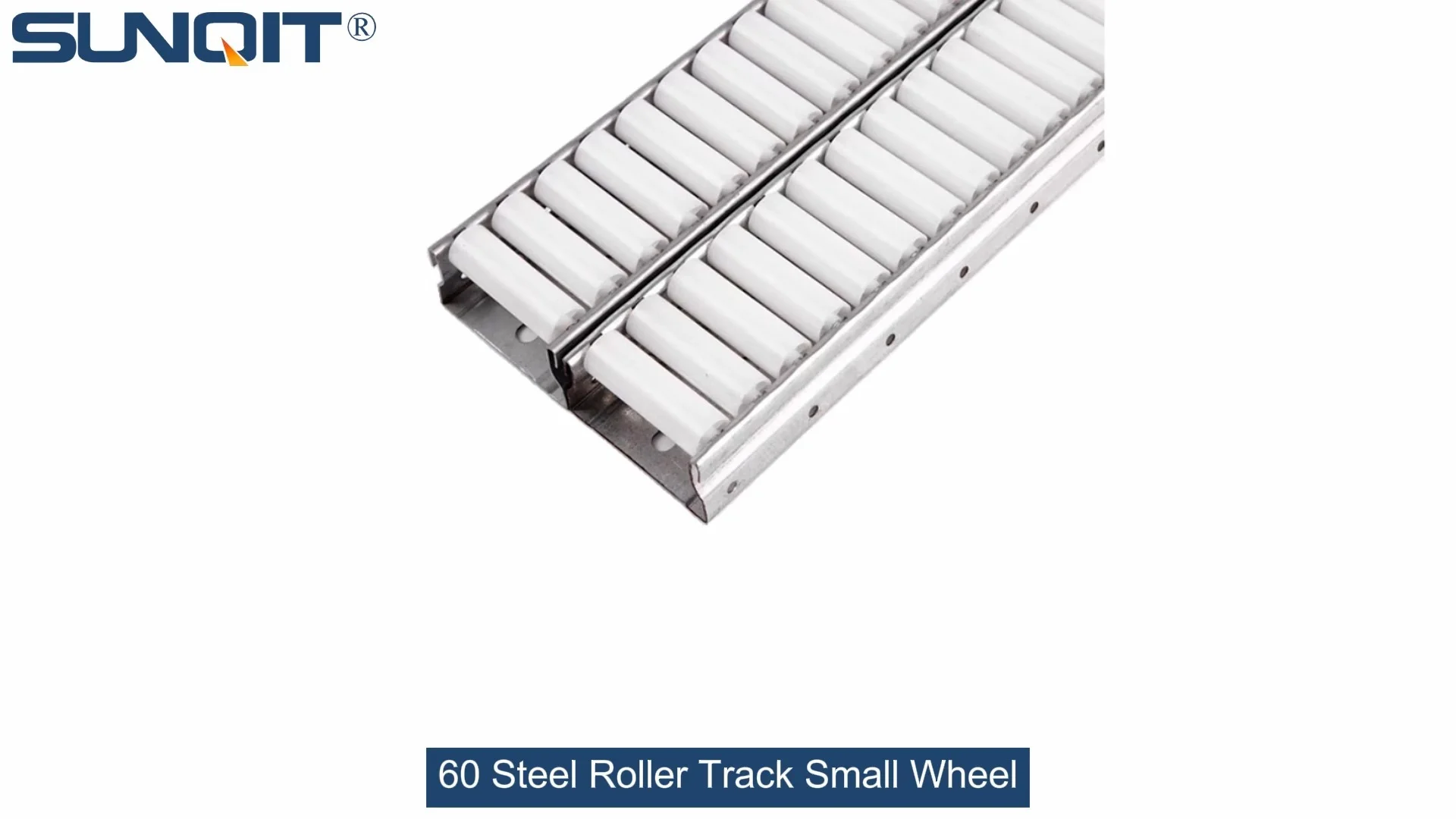
How to Maintain 60 Steel Roller Track Small Wheels for Extended Lifespan
Think about your warehouse or production line without smoothly rolling wheels—boxes get stuck, parts pile up, and your team spends more time fixing issues than getting work done. That's why your 60 steel roller track small wheels deserve your attention. These little heroes are everywhere: in flow racks holding components, on conveyors moving finished products, and even in lean pipe workstations where precision matters most. They're tough, but they're not invincible. Dirt, wear, and neglect can turn them from assets into liabilities. But don't worry—this guide will walk you through everything you need to know to keep them rolling strong for years to come.
What Are 60 Steel Roller Track Small Wheels, Anyway?
60 steel roller track small wheels are exactly what they sound like—small, durable wheels made of steel that fit into 60mm wide roller tracks. They're designed to handle light to medium loads, making them perfect for moving boxes, parts, and products across short distances. You'll find them in a variety of setups: from flow racks in storage areas to conveyors on assembly lines. They often work alongside other components like roller track accessories (think connectors, guides, and brackets) to keep the track stable and the wheels aligned. And if your setup uses caster wheels for mobility, these roller track wheels complement them by providing smooth, fixed-path movement.
For example, in a 3C assembly line, these wheels are used in flow racks to move smartphone components from one station to another. If those wheels fail, the entire line can stop, leading to delays and lost productivity. That's why understanding how to maintain them is critical for any manufacturing or logistics operation.
For example, in a 3C assembly line, these wheels are used in flow racks to move smartphone components from one station to another. If those wheels fail, the entire line can stop, leading to delays and lost productivity. That's why understanding how to maintain them is critical for any manufacturing or logistics operation.
Step-by-Step Maintenance Guide
1. Regular Inspection: Catch Problems Early
Regular inspections are the first line of defense against wheel failure. For high-use areas (like a busy 3C assembly line), you should check your wheels weekly. For low-use spots (like a storage flow rack that's only accessed occasionally), monthly checks are enough. What should you look for?
Wear and Tear: Are the wheels scuffed, dented, or cracked? Even small cracks can lead to bigger problems down the line—they can expand under load and cause the wheel to break.
Debris: Dirt, dust, or small pieces of material (like plastic or metal shavings) can get stuck between the wheels and the track. This can cause friction and slow down rolling. For example, in a medical device manufacturing facility, tiny plastic fragments from packaging can accumulate in the track, leading to stuck wheels.
Loose Parts: Check if the bolts holding the track or wheels are tight. If they're loose, the track might misalign, leading to uneven rolling. This is especially important in lean pipe workstations where the track is attached to a flexible frame—loose bolts can cause the entire setup to wobble.
Rust: Steel wheels can rust if exposed to moisture. Look for any orange or brown spots—rust can weaken the wheels and cause them to stick. In warehouses with high humidity, rust is a common issue, so regular checks are essential.
To make inspections easier, keep a small toolkit handy: a flashlight to see hard-to-reach spots, a soft brush to remove debris, and a wrench to tighten loose bolts. And don't forget to use roller track accessories like alignment guides if you need to check if the track is straight.
Wear and Tear: Are the wheels scuffed, dented, or cracked? Even small cracks can lead to bigger problems down the line—they can expand under load and cause the wheel to break.
Debris: Dirt, dust, or small pieces of material (like plastic or metal shavings) can get stuck between the wheels and the track. This can cause friction and slow down rolling. For example, in a medical device manufacturing facility, tiny plastic fragments from packaging can accumulate in the track, leading to stuck wheels.
Loose Parts: Check if the bolts holding the track or wheels are tight. If they're loose, the track might misalign, leading to uneven rolling. This is especially important in lean pipe workstations where the track is attached to a flexible frame—loose bolts can cause the entire setup to wobble.
Rust: Steel wheels can rust if exposed to moisture. Look for any orange or brown spots—rust can weaken the wheels and cause them to stick. In warehouses with high humidity, rust is a common issue, so regular checks are essential.
To make inspections easier, keep a small toolkit handy: a flashlight to see hard-to-reach spots, a soft brush to remove debris, and a wrench to tighten loose bolts. And don't forget to use roller track accessories like alignment guides if you need to check if the track is straight.
2. Cleaning: Keep Wheels and Tracks Gunk-Free
Cleaning is one of the simplest yet most effective ways to extend the lifespan of your 60 steel roller track small wheels. Dirt and debris are the biggest enemies of smooth rolling, so keeping them clean is non-negotiable.
Tools You'll Need: Soft brush, compressed air, mild detergent (like dish soap), warm water, and a clean cloth.
Step-by-Step Cleaning:
1. Remove Debris: Use a soft brush to sweep away loose dirt from the wheels and track. For hard-to-reach spots, use compressed air to blow away dust and small fragments.
2. Wash the Track: Mix mild detergent with warm water. Dip a clean cloth into the solution and wipe down the track. Avoid using harsh chemicals (like bleach) as they can damage the steel surface.
3. Clean the Wheels: Gently wipe each wheel with the soapy cloth. Be careful not to apply too much pressure—you don't want to scratch the wheels.
4. Rinse and Dry: Use a damp cloth to rinse off any soap residue. Then, dry the wheels and track thoroughly with a clean towel. Moisture left on the surface can cause rust.
Frequency: For high-use areas, clean every two weeks. For low-use areas, quarterly cleaning is sufficient. If your operation deals with dusty materials (like metal shavings), you might need to clean more often.
Tools You'll Need: Soft brush, compressed air, mild detergent (like dish soap), warm water, and a clean cloth.
Step-by-Step Cleaning:
1. Remove Debris: Use a soft brush to sweep away loose dirt from the wheels and track. For hard-to-reach spots, use compressed air to blow away dust and small fragments.
2. Wash the Track: Mix mild detergent with warm water. Dip a clean cloth into the solution and wipe down the track. Avoid using harsh chemicals (like bleach) as they can damage the steel surface.
3. Clean the Wheels: Gently wipe each wheel with the soapy cloth. Be careful not to apply too much pressure—you don't want to scratch the wheels.
4. Rinse and Dry: Use a damp cloth to rinse off any soap residue. Then, dry the wheels and track thoroughly with a clean towel. Moisture left on the surface can cause rust.
Frequency: For high-use areas, clean every two weeks. For low-use areas, quarterly cleaning is sufficient. If your operation deals with dusty materials (like metal shavings), you might need to clean more often.
3. Lubrication: Reduce Friction and Wear
Lubrication is key to keeping your wheels rolling smoothly. It reduces friction between the wheels and their bearings, preventing wear and tear. But choosing the right lubricant and applying it correctly is important.
Best Lubricants: Lithium grease is the top choice for 60 steel roller track small wheels. It's water-resistant, long-lasting, and doesn't attract dust like oil does. Avoid using vegetable oil or motor oil—they can go rancid or attract dirt, which will cause more harm than good.
How to Apply:
1. Prepare the Wheels: Clean the wheels and bearings to remove any old grease or debris.
2. Apply Lubricant: Use a small brush or applicator to apply a thin layer of lithium grease to the bearings. Don't over-apply—too much grease can squeeze out and attract dust.
3. Wipe Excess: Use a clean cloth to wipe off any excess grease from the wheels and track.
Frequency: For high-use areas, lubricate monthly. For low-use areas, every three months is enough. If you notice the wheels are starting to stick or make noise, it's time to re-lubricate.
Best Lubricants: Lithium grease is the top choice for 60 steel roller track small wheels. It's water-resistant, long-lasting, and doesn't attract dust like oil does. Avoid using vegetable oil or motor oil—they can go rancid or attract dirt, which will cause more harm than good.
How to Apply:
1. Prepare the Wheels: Clean the wheels and bearings to remove any old grease or debris.
2. Apply Lubricant: Use a small brush or applicator to apply a thin layer of lithium grease to the bearings. Don't over-apply—too much grease can squeeze out and attract dust.
3. Wipe Excess: Use a clean cloth to wipe off any excess grease from the wheels and track.
Frequency: For high-use areas, lubricate monthly. For low-use areas, every three months is enough. If you notice the wheels are starting to stick or make noise, it's time to re-lubricate.
4. Tightening & Alignment: Keep Tracks Straight and Secure
Loose bolts and misaligned tracks are common causes of wheel failure. Over time, vibration from rolling loads can loosen bolts, and heavy loads can bend the track. Regular tightening and alignment checks will prevent these issues.
Tightening: Use a wrench to check all bolts holding the track and wheels. Tighten any loose bolts, but don't over-tighten—this can strip the threads or damage the track. For roller track connectors, make sure they're securely fastened to the frame. If you're using a lean pipe system, check the lean pipe accessories (like clamps) to ensure they're tight.
Alignment: A misaligned track will cause wheels to roll unevenly, leading to wear and noise. To check alignment:
1. Place a straightedge along the length of the track. If there are gaps between the straightedge and the track, it's misaligned.
2. Adjust the track using roller track accessories like alignment brackets or shims. For lean pipe workstations, you can easily adjust the frame to straighten the track.
3. Test the wheels after adjustment—they should roll smoothly without wobbling.
Frequency: For high-use areas, check tightening and alignment every two months. For low-use areas, every six months is sufficient.
Tightening: Use a wrench to check all bolts holding the track and wheels. Tighten any loose bolts, but don't over-tighten—this can strip the threads or damage the track. For roller track connectors, make sure they're securely fastened to the frame. If you're using a lean pipe system, check the lean pipe accessories (like clamps) to ensure they're tight.
Alignment: A misaligned track will cause wheels to roll unevenly, leading to wear and noise. To check alignment:
1. Place a straightedge along the length of the track. If there are gaps between the straightedge and the track, it's misaligned.
2. Adjust the track using roller track accessories like alignment brackets or shims. For lean pipe workstations, you can easily adjust the frame to straighten the track.
3. Test the wheels after adjustment—they should roll smoothly without wobbling.
Frequency: For high-use areas, check tightening and alignment every two months. For low-use areas, every six months is sufficient.
5. Replacement: Know When to Swap Worn Parts
Even with regular maintenance, wheels will eventually wear out. Knowing when to replace them will save you from costly downtime.
Signs to replace:
- The wheel is cracked or dented beyond repair.
- The wheel is rusted through (not just surface rust).
- The wheel sticks or rolls unevenly even after cleaning and lubrication.
- The bearing is damaged (you can hear a grinding noise when rolling).
Choosing Replacement Parts:
- Always use the exact same type of wheel as the original. Different wheels have different sizes and load capacities—using the wrong one can cause issues.
- For roller track connectors or caster accessories (if your system uses caster wheels), choose parts from a reliable supplier to ensure compatibility.
- If you're replacing wheels in a lean pipe system, make sure the new parts work with your existing lean pipe accessories.
How to replace:
1. Remove the old wheel by loosening the bolts holding it to the track.
2. Clean the area where the new wheel will be installed.
3. Install the new wheel and tighten the bolts securely.
4. Test the new wheel to ensure it rolls smoothly.
Signs to replace:
- The wheel is cracked or dented beyond repair.
- The wheel is rusted through (not just surface rust).
- The wheel sticks or rolls unevenly even after cleaning and lubrication.
- The bearing is damaged (you can hear a grinding noise when rolling).
Choosing Replacement Parts:
- Always use the exact same type of wheel as the original. Different wheels have different sizes and load capacities—using the wrong one can cause issues.
- For roller track connectors or caster accessories (if your system uses caster wheels), choose parts from a reliable supplier to ensure compatibility.
- If you're replacing wheels in a lean pipe system, make sure the new parts work with your existing lean pipe accessories.
How to replace:
1. Remove the old wheel by loosening the bolts holding it to the track.
2. Clean the area where the new wheel will be installed.
3. Install the new wheel and tighten the bolts securely.
4. Test the new wheel to ensure it rolls smoothly.
Common Issues & Troubleshooting
Sticking or Slow-Rolling Wheels
If your wheels aren't gliding like they used to, the first thing to check is debris. Dirt, dust, or small bits of material can get stuck between the wheels and the track. Grab a soft brush or compressed air to blow away the gunk. If that doesn't work, it might be a lubrication issue—old grease can harden and cause friction. Try cleaning the bearings and reapplying fresh lubricant. For persistent problems, check if the track is misaligned; you might need to adjust it using roller track connectors or alignment tools.
Noise When Rolling
Noise is a sign of friction or misalignment. First, check for loose bolts—tighten them if needed. Next, lubricate the bearings. If the noise persists, check if the wheels are worn or the track is bent. For example, in a conveyor system, a bent track can cause wheels to rub against the sides, leading to noise. Adjust the track or replace the worn wheels to fix the issue.
Uneven Rolling
Uneven rolling is usually caused by misaligned tracks or worn wheels. Check the track alignment using a straightedge. If the track is straight, inspect the wheels for wear—if one wheel is more worn than others, it will cause uneven rolling. replace the worn wheel to fix the problem. For flow racks, make sure all wheels are at the same height to ensure smooth rolling.
Maintenance Schedule & Checklist
| Maintenance Task | High-Use Areas (e.g., 3C Assembly Lines) | Low-Use Areas (e.g., Storage Flow Racks) | Tools Needed |
|---|---|---|---|
| Visual inspection for wear, debris, loose parts, rust | Weekly | Monthly | Flashlight, soft brush, wrench |
| Clean wheels and track (remove debris, wash, dry) | Bi-weekly | Quarterly | Soft brush, compressed air, mild detergent, cloth |
| Lubricate bearings with lithium grease | Monthly | Every 3 months | Lithium grease, applicator brush, cloth |
| Tighten bolts and roller track connectors | Monthly | Every 6 months | Wrench, screwdriver |
| Check track alignment | Every 2 months | Every 6 months | Straightedge, level, alignment brackets |
| replace worn wheels or parts | As needed | As needed | Wrench, replacement parts |
Pro Tips for Longevity
- Avoid Overloading: Every wheel has a load capacity. Check the manufacturer's specifications and never exceed it. Overloading can bend the track or damage the wheels.
- Use Caster Wheels Wisely: If your system uses caster wheels (like in a turnover trolley), make sure they're compatible with the roller track. For example, caster accessories like brake pads can help keep the trolley stable when loading or unloading.
- Integrate with Lean Pipe Systems: Lean pipe systems are designed for easy maintenance. Using lean pipe workstations with flow racks allows you to quickly disassemble and clean the track, using lean pipe accessories like clamps for easy adjustments.
- Train Your Team: Teach your team how to spot signs of wear and perform basic maintenance. This will help catch issues early and keep your system running smoothly.
- Keep Spare Parts On Hand: Having spare wheels, roller track connectors, and caster accessories on hand will reduce downtime if a part fails. Make sure to store them in a dry, clean place to prevent rust.
Taking care of your 60 steel roller track small wheels isn't just about extending their lifespan—it's about keeping your entire operation running smoothly. By following these simple steps—regular inspections, cleaning, lubrication, and using the right roller track accessories—you can avoid costly downtime and repairs. Remember, a little maintenance today goes a long way in keeping your flow racks, conveyors, and lean pipe systems working at their best. Whether you're in the 3C assembly industry or a warehouse, these tips will help your wheels roll strong for years to come.