- Company Articles
- Products and Technology
- Installation And Maintenance
- How to Maintain 60 Steel Roller Track White for Extended Lifespan

How to Maintain 60 Steel Roller Track White for Extended Lifespan
Related Product
60 Steel Roller Track White
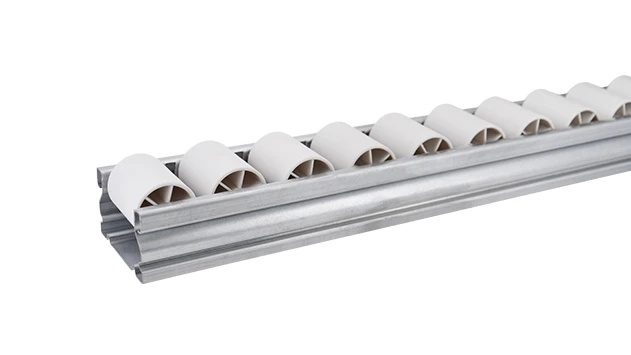
The roller track can be installed with multiple accessories to create different slopes and configurations of flow racks.All steel conveyor 60 roller track accessories are engineered to perfectly fit the sliding rail.It is enable the movement of SLC boxes.
How to Maintain 60 Steel Roller Track White for Extended Lifespan
If you've ever worked with flow racks or busy production lines, you know how much a smooth-running roller track can impact daily operations. The 60 Steel Roller Track White isn't just a piece of industrial equipment—it's a workhorse that keeps materials moving, assembly lines flowing, and warehouses efficient. But like any hardworking tool, it needs regular TLC to stay in top shape. Neglecting maintenance can lead to jams, worn-out wheels, rust spots, or even safety hazards that slow down your team and cost you money. So let's dive into the ins and outs of keeping your 60 Steel Roller Track White performing at its best for years to come.
Pre-Maintenance Prep: Gather Your Tools & Parts
Before you roll up your sleeves, let's make sure you have everything you need to get the job done right. First, grab a soft-bristled brush—nothing too stiff, since you don't want to scratch the track's white finish. A microfiber cloth is next (it picks up dust without leaving lint, which is perfect for keeping the track clean). For deeper cleaning, you'll need mild dish soap (avoid harsh chemicals that can damage the coating) and warm water. A torque wrench is non-negotiable here—you can't just guess how tight roller track connectors should be; precision matters to avoid over-tightening or under-tightening. Then, pick up a can of silicone spray or lithium grease (both are great for lubrication without attracting too much dust). Don't forget gloves—latex or nitrile will protect your hands from dirt and lubricants. And if you have a roller track and accessories kit handy, keep extra 60 steel roller track small wheels and roller track connectors nearby—you never know when a quick replacement will save the day.
Step 1: Regular Cleaning – Keep It Dust-Free & Bright
Cleaning is the foundation of good maintenance, and it's something you should do on a daily basis (yes, daily—even small amounts of dust can add up). Let's break it down by frequency:
Daily Cleaning:
Start with your soft-bristled brush. Run it along the gaps between the 60 steel roller track small wheels to remove loose debris like dirt, sawdust, or tiny pieces of packaging. Then, use your microfiber cloth to wipe down the top surface of the track—this gets rid of any remaining dust that could get stuck in the wheel bearings. If you notice any sticky spots (from spilled glue or grease), dab a little warm, soapy water on the cloth and gently rub the area until it's clean. Just make sure to dry it right away—moisture is the enemy of steel tracks.
Weekly Cleaning:
Once a week, give the track a more thorough wipe-down. Mix a few drops of dish soap into a bucket of warm water, dip your microfiber cloth in it (wring it out well—you don't want dripping water), and run it along the entire length of the track. Pay extra attention to the areas where the track sections connect (near the roller track connectors) because dust tends to build up there. After cleaning, dry the track completely with a clean cloth to prevent rust.
Monthly Deep Clean:
For this, you might need to remove the track sections from their frame (using your roller track connectors to detach them). Fill a basin with warm, soapy water and soak the track sections for 15-20 minutes (don't leave them in too long—steel can start to rust if submerged for hours). Use your soft brush to gently scrub each 60 steel roller track small wheel, making sure to get into the bearings. Rinse the track sections with clean water and dry them thoroughly with a towel. If you have a hair dryer (on cool setting), you can use it to blow dry the bearings—this ensures no moisture is left behind.
Step 2: Inspection – Catch Problems Early
Cleaning is great, but inspection helps you spot issues before they turn into big problems. Let's go through each part of the track you need to check:
Check the Wheels:
Take each 60 steel roller track small wheel and spin it manually. It should rotate smoothly without any grinding or resistance. If a wheel is stuck or makes noise, that's a sign of dirt in the bearings or a lack of lubrication. Also, look for cracks or chips on the wheel surface—if you see any, replace the wheel immediately (use a genuine part from your roller track and accessories kit to ensure compatibility).
Inspect Roller Track Connectors:
Gently tug on each roller track connector to see if it's loose. If it moves more than a millimeter, it needs to be tightened. Loose connectors can cause track sections to misalign, leading to jams or uneven movement of materials. Also, check the connector for any signs of wear—like stripped threads or bent parts. If a connector is damaged, replace it right away.
Look for Bent Track Sections:
Take a straight edge (like a ruler or level) and place it along the length of the track. If there's a gap between the straight edge and the track of more than 1mm, the section is bent. Bent tracks can cause items to jam or wear out wheels faster. For minor bends (less than 2mm), you can use a rubber mallet to gently straighten the track. For larger bends, it's better to replace the section—trying to fix it might make it worse.
Check for Rust Spots:
The white coating on the track helps prevent rust, but it can chip or wear off over time. Look for tiny brown spots on the track surface—these are early signs of rust. If you find any, don't ignore them—rust spreads quickly and can weaken the steel.
Step 3: Lubrication – Keep It Rolling Smoothly
Lubrication is key to keeping the wheels and connectors moving freely. Let's cover the basics:
Which Parts to Lubricate:
Focus on two areas: the bearings inside each 60 steel roller track small wheel and the pivot points of any movable roller track connectors. These are the parts that rub against each other and need lubrication to reduce friction.
Choose the Right Lubricant:
Avoid oil-based lubricants—they attract dust and dirt, which can clog the bearings. Instead, use a light silicone spray or lithium grease. Silicone spray is great because it's non-greasy and dries quickly, while lithium grease is more durable for heavy usage (like in high-volume flow racks).
How to Apply Lubricant:
For the wheels: Spray a small amount of lubricant directly onto the bearing area (where the wheel meets the axle). Spin the wheel a few times to distribute the lubricant evenly. Don't overdo it—too much lubricant will drip onto the track and attract dust. For the connectors: If your roller track connectors have movable parts (like pivot points), apply a tiny drop of lubricant to the area and move the connector back and forth to spread it.
How Often to Lubricate:
For light usage (like in a small warehouse), once a month is enough. For heavy usage (like in a busy production line or flow rack that's used all day), lubricate every two weeks. Keep a log of when you lubricate—this helps you stay consistent.
Step 4: Tightening & Alignment – Keep It Straight & Secure
Loose connectors or misaligned tracks can cause a lot of headaches. Let's fix that:
Tighten Roller Track Connectors:
Grab your torque wrench and set it to the manufacturer's recommended torque (usually between 8-10 Nm for steel connectors). Tighten each connector until you hear the wrench click—this means it's at the right tightness. Don't over-tighten, as this can damage the connector or the track. If you don't have a torque wrench, ask your supplier for the correct tightness guidelines—guessing is risky.
Align Track Sections:
If you noticed any misaligned sections during inspection, now's the time to fix them. Loosen the roller track connectors slightly, then adjust the track sections until they're straight (use a straight edge to check). Once aligned, tighten the connectors back to the correct torque. Misaligned tracks can cause items to get stuck or wear out wheels faster, so this step is crucial.
Step 5: Rust Prevention – Keep It Looking New
Steel tracks are prone to rust, but with the right care, you can keep it at bay:
Treat Minor Rust Spots:
For small rust spots, take a fine-grit sandpaper (like 2000 grit) and gently sand the area until the rust is gone. Be careful not to sand through the white coating—you just want to remove the rust. Once the rust is gone, wipe the area clean with a dry cloth. Then, apply a thin layer of rust-inhibiting primer (make sure it's compatible with steel) and let it dry for an hour. After that, touch up the area with a matching white paint (ask your supplier for the exact shade if you don't have it). Let the paint dry completely before using the track.
Prevent Future Rust:
To keep rust from coming back, make sure the track is always dry. If you clean it with water, dry it immediately. For areas that are exposed to moisture (like a warehouse with high humidity), apply a clear protective coating every six months. This coating adds an extra layer of protection against water and dust.
Common Issues & Troubleshooting
Even with regular maintenance, you might run into some problems. Let's fix them:
Problem 1: Wheels Not Rolling Smoothly
Why it happens: Dust in the bearings, lack of lubrication, or worn-out wheels.
Fix: Clean the bearings (as per the deep cleaning steps), lubricate the wheels, or replace the wheel with a genuine 60 steel roller track small wheel from your roller track and accessories kit.
Why it happens: Dust in the bearings, lack of lubrication, or worn-out wheels.
Fix: Clean the bearings (as per the deep cleaning steps), lubricate the wheels, or replace the wheel with a genuine 60 steel roller track small wheel from your roller track and accessories kit.
Problem 2: Loose Roller Track Connectors
Why it happens: Vibration from heavy usage or improper initial tightening.
Fix: Tighten the connector with a torque wrench to the correct specification. If the connector is damaged, replace it.
Why it happens: Vibration from heavy usage or improper initial tightening.
Fix: Tighten the connector with a torque wrench to the correct specification. If the connector is damaged, replace it.
Problem 3: Items Jamming on the Track
Why it happens: Misaligned track sections, dirty wheels, or bent tracks.
Fix: Align the track sections, clean the wheels, or replace bent track sections.
Why it happens: Misaligned track sections, dirty wheels, or bent tracks.
Fix: Align the track sections, clean the wheels, or replace bent track sections.
Problem 4: Rust Spots Spreading
Why it happens: Ignoring minor rust spots or exposure to moisture.
Fix: Treat the rust spots immediately (as per the rust prevention steps) and apply a protective coating.
Why it happens: Ignoring minor rust spots or exposure to moisture.
Fix: Treat the rust spots immediately (as per the rust prevention steps) and apply a protective coating.
Long-Term Care Tips for Maximum Lifespan
To keep your track going for years, follow these long-term tips:
Stick to a Maintenance Schedule:
Consistency is key. Use the table below to create a schedule that works for your usage:
| Task Type | Frequency | Details | Tools Needed |
|---|---|---|---|
| Daily Cleaning | Every Day | Remove loose debris from wheels and track surface. | Soft brush, microfiber cloth |
| Weekly Cleaning | Once a Week | Wipe down track with soapy water and dry. | Microfiber cloth, mild detergent, warm water |
| Monthly Maintenance | Once a Month | Deep clean track, lubricate wheels/connectors, replace worn wheels. | Brush, soapy water, torque wrench, lubricant, replacement wheels |
| Quarterly Inspection | Every 3 Months | Full check of all parts, rust treatment, re-align tracks. | Straight edge, sandpaper, primer, paint, torque wrench |
Follow Usage Guidelines:
Don't overload the track beyond its weight capacity (check the manufacturer's specs). For example, if your 60 Steel Roller Track White is rated for 50kg per meter, don't put 60kg on it—this can bend the track or wear out wheels. Also, load items in the direction of the wheels—don't push against the grain. And avoid dragging sharp or heavy items across the track—this can scratch the white coating or dent the steel.
Store Extra Tracks Properly:
If you have extra track sections, keep them in a dry, cool area. Cover them with a plastic sheet to prevent dust and moisture. Don't stack heavy items on top of stored tracks—this can bend them. And if you're storing tracks for a long time, apply a thin layer of lubricant to the wheels to keep them from seizing up.
Use Genuine Parts:
When replacing parts (like wheels or connectors), always use genuine items from your roller track and accessories kit. Generic parts might be cheaper, but they often don't fit properly or have the same quality. For example, a generic 60 steel roller track small wheel might not have the same load capacity as a genuine one, leading to premature failure. Using genuine parts ensures your track stays safe and efficient.
Final Thoughts
Maintaining your 60 Steel Roller Track White isn't just about keeping it clean—it's about keeping your operations running smoothly, saving money on replacements, and ensuring the safety of your team. By following these steps, you can extend the lifespan of your track from a few years to a decade or more. Remember: small, regular maintenance tasks go a long way. So take 10 minutes each day to clean the track, check the wheels, and tighten any loose connectors. Your team (and your budget) will thank you.
And if you ever need help with replacement parts or have questions about maintenance, reach out to your supplier—they're there to help. After all, a well-maintained roller track is a happy roller track.