- Company Articles
- Products and Technology
- Installation And Maintenance
- How to Maintain 85 Staggered Roller Track for Longevity

How to Maintain 85 Staggered Roller Track for Longevity
Related Product
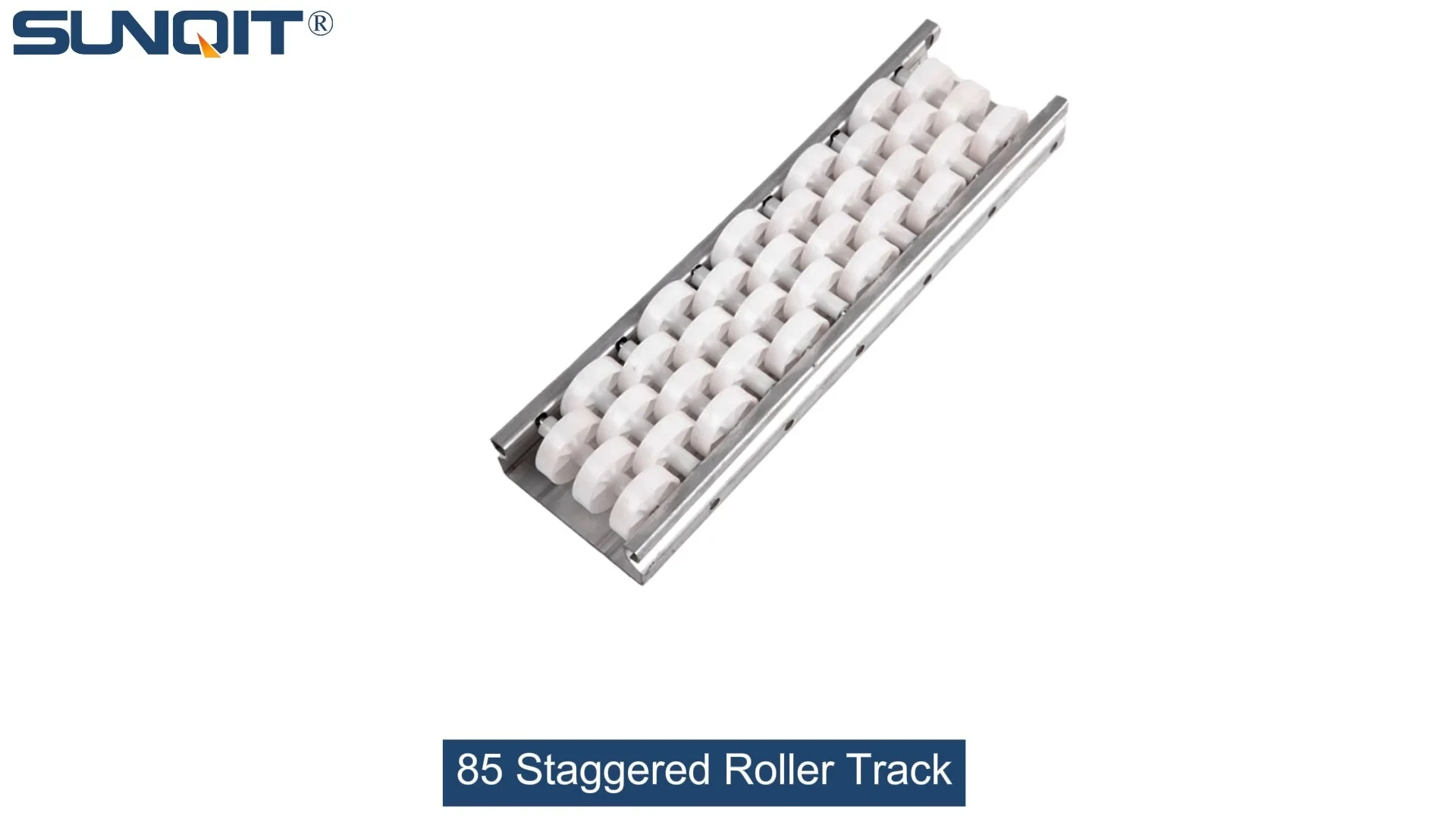
85 Staggered Roller Track
Triple staggered roller track is designed to enhance carton flow in various applications, such as flow racks and carton flow systems. This triple-staggered roller track is ideal for bins, boxes, or products that require smoother, more efficient rolling.
In the busy world of manufacturing, where every second counts and production lines hum with relentless energy, there's a silent workhorse that keeps things moving—literally. The 85 staggered roller track, a key component in flow racks and conveyor systems, is the unsung hero behind smooth material flow, efficient assembly, and seamless order fulfillment. Whether it's guiding components through a 3C assembly line or transporting medical supplies in a healthcare facility, this humble yet critical piece of equipment bears the weight of your productivity. But like any hardworking team member, it needs care to keep performing at its best. Neglecting maintenance isn't just about a squeaky wheel or a stuck roller; it's about risking production delays, compromised safety, and unnecessary replacement costs. So let's dive into how to give your 85 staggered roller track the attention it deserves, ensuring it serves your operations reliably for years to come.
Why 85 Staggered Roller Track Maintenance Matters
Before we roll up our sleeves and get into the "how," let's talk about the "why." Think of your roller track as the backbone of your material handling system. When it's working well, you barely notice it—products glide smoothly, workers don't waste time pushing stuck items, and your lean pipe workbench or flow rack operates at peak efficiency. But when it's neglected? A single jammed roller can slow down an entire line, causing bottlenecks that ripple through your workflow. Over time, unaddressed wear and tear can lead to misaligned tracks, damaged rollers, or even structural issues—all of which cost far more to fix than regular maintenance. Worse, a faulty roller track isn't just an efficiency killer; it's a safety risk. Jagged edges from worn components, unstable material movement, or sudden jolts can put your team in harm's way. In short, maintaining your 85 staggered roller track isn't an extra chore—it's an investment in your team's safety, your production's reliability, and your bottom line.
Daily Checks: The First Line of Defense
Just like you'd check your car's tires before a long drive, your roller track needs daily attention to catch small issues before they become big problems. These quick, five-minute checks can save hours of downtime later. Let's break down what to look for:
| Check Frequency | What to Inspect | What to Look For |
|---|---|---|
| Before shift starts | Roller rotation | Stiff or stuck rollers; uneven spinning |
| Before shift starts | Track alignment | Bends, gaps, or misalignment between sections |
| Throughout the day | Debris buildup | Dust, product fragments, or loose fasteners on tracks |
| End of shift | Load capacity | Signs of overloading (bent frames, cracked supports) |
Start by running your hand gently along the rollers—they should spin freely without resistance. If you feel a roller sticking, mark it for deeper inspection later. Next, visually scan the track for any obvious issues: Is there a roller that's tilted? Are the aluminum guide rails (a common component in these systems) bent or dented? Even small misalignments can cause products to jam or tip. Keep an eye out for debris too—small pieces of plastic, metal shavings, or even dust can accumulate between rollers and slow them down. A quick brush or wipe during breaks can prevent buildup from becoming a problem.
Pro Tip: Assign a "track champion"—a team member responsible for daily checks. This builds accountability and ensures nothing gets missed. A simple checklist posted near the track can turn this into a habit, not a hassle.

Deep Cleaning: Keeping Your Track Spotless
Daily checks handle the basics, but your 85 staggered roller track needs a deeper clean at least once a week—more often if your facility is dusty or handles messy materials (we're looking at you, food processing or automotive plants). Cleaning isn't just about making it look nice; it's about removing grit and grime that wear down rollers and bearings over time.
Step 1: Power down and secure the area. Safety first! Turn off any conveyor systems connected to the track and lockout/tagout the power source to prevent accidental startup. Put up a sign to let others know maintenance is in progress—you don't want someone trying to use the track while you're cleaning.
Step 2: Remove loose debris. Use a soft-bristle brush or a shop vac with a brush attachment to sweep away dust, dirt, and small particles from the rollers, tracks, and aluminum profile supports. Pay extra attention to the gaps between rollers and around the roller track connectors—these are debris magnets.
Step 3: Clean the rollers and tracks. Mix a mild detergent (like dish soap) with warm water and dampen a microfiber cloth—avoid soaking the cloth, as excess water can damage bearings. Wipe each roller gently, turning it as you go to clean all sides. For the track rails, use the same cloth to remove oil, grease, or sticky residues. If you're dealing with stubborn grime (like dried adhesive or oil spills), a plastic scraper (never metal!) can help lift it without scratching the aluminum surface.
Step 4: Dry thoroughly. Use a clean, dry microfiber cloth to wipe down all components. Moisture left on metal parts can lead to rust, especially in humid environments. For hard-to-reach areas, a can of compressed air (held at a 45-degree angle) can blow out water and debris.
Insider's Note: Avoid harsh chemicals like bleach or abrasive cleaners—they can eat away at the roller coatings or damage the aluminum lean pipe frames. Stick to gentle, pH-neutral cleaners to keep your track in top shape.

Lubrication: Keeping the Wheels Turning Smoothly
If cleaning is the "bath" for your roller track, lubrication is the "vitamin" that keeps it moving freely. Rollers, bearings, and joints rely on proper lubrication to reduce friction, prevent wear, and extend their lifespan. But not all lubricants are created equal—and over-lubricating can be just as bad as under-lubricating.
Choosing the right lubricant: For most 85 staggered roller tracks, a lightweight machine oil or silicone-based lubricant works best. Avoid heavy greases, which can attract dust and create a "gunk trap" that actually slows rollers down. If your track is in a food-grade facility or medical environment, use NSF H1-rated lubricants to ensure compliance with safety standards. For ESD (Electrostatic Discharge) workbenches or stations, opt for anti-static lubricants to prevent static buildup that could damage sensitive electronics.
Where to lubricate: Focus on the roller axles and bearings—these are the moving parts that need the most attention. You'll also want to lubricate the roller track connectors and any pivot points where the track attaches to the flow rack or conveyor frame. A good rule of thumb: if it moves, it probably needs lube.
How to lubricate: Start by cleaning the area (grease and dust mixed with lube is a recipe for clogs). Apply a small amount of lubricant to each bearing—just a drop or two per roller. Spin the roller by hand to distribute the lube evenly. For connectors, apply a thin layer to the contact points and move the joint gently to work the lube in. Wipe away any excess with a clean cloth—you want a light coating, not a puddle.
| Component | Lubrication Frequency | Amount per Application |
|---|---|---|
| Roller bearings | Every 2-4 weeks (high use); monthly (low use) | 1-2 drops per bearing |
| Track connectors | Monthly | Thin coating on contact points |
| Pivot joints (if applicable) | Every 6 weeks | Small spray or 2-3 drops |
Remember: lubrication is a balancing act. Too little, and you get friction and wear; too much, and you create a mess that attracts debris. Keep a log of when you lubricate each section—this helps you spot patterns, like a roller that needs more frequent lube (a sign it might be wearing out).

Troubleshooting Common Issues
Even with regular maintenance, problems can pop up. The key is to address them quickly before they escalate. Here are the most common issues with 85 staggered roller tracks and how to fix them:
| Problem | Likely Cause | Solution |
|---|---|---|
| Rollers won't spin freely | Dirty bearings, lack of lubrication, or debris in axle | Clean bearings with compressed air, lubricate, or replace if damaged |
| Track makes a squeaking/grinding noise | Misaligned tracks, loose connectors, or worn roller edges | Realign tracks, tighten connectors, or replace worn rollers |
| Materials slide unevenly or tip | Track is bent, rollers are missing, or load is unbalanced | Straighten track, replace missing rollers, or adjust load distribution |
| Rollers keep falling off axles | Loose axle pins or worn retaining clips | Tighten pins or replace clips with new ones from your lean pipe supplier |
Case Study: A 3C electronics manufacturer recently reached out to us with a problem: their 85 staggered roller track was jamming multiple times a day, causing delays in their assembly line. After a quick inspection, we found the issue: they'd been using a heavy grease for lubrication, which had mixed with dust to form a thick sludge around the bearings. The fix? A thorough cleaning with degreaser, followed by switching to a lightweight silicone lube. Within a day, their track was running smoothly again—no more jams, no more delays. The lesson? Sometimes the simplest solutions are the most effective.
When to call in the pros: If you notice bent aluminum profiles, cracked frames, or rollers that keep failing despite cleaning and lubrication, it's time to contact your supplier. These issues often require specialized tools or replacement parts (like new aluminum guide rails or lean pipe joints) to fix properly.
Long-Term Care: Beyond the Basics
Daily checks, cleaning, and lubrication are the "daily vitamins" for your roller track—but long-term care is like a yearly physical. It ensures your track stays healthy for the long haul, even as your production needs evolve. Here's how to plan for the future:
1. Monitor wear patterns. Keep an eye on which rollers or sections wear out fastest. Is it the first section of the track, where materials are loaded? Or the downhill section, where speed is highest? This data can help you adjust your maintenance schedule—maybe that high-wear area needs weekly lubrication instead of monthly. It can also inform how you load materials; for example, distributing weight more evenly might reduce strain on specific rollers.
2. Protect against environmental damage. Extreme temperatures, humidity, and dust can take a toll on your track. If your facility is hot and dry, consider installing a misting system to keep dust down. In humid areas, use rust-resistant coatings on metal components (like stainless steel roller balls) and check bearings more often for corrosion. For outdoor or semi-outdoor tracks, invest in weatherproof covers to shield against rain and UV rays.
3. Upgrade strategically. As your production volume grows, your roller track might need to handle heavier loads or faster speeds. Instead of replacing the entire system, talk to your lean solution provider about upgrades. For example, swapping out plastic rollers for steel ones can increase load capacity, or adding aluminum guide rails with side guides can improve stability for taller stacks. Upgrading incrementally is often cheaper than a full replacement and keeps your system aligned with your lean manufacturing goals of "sustainable improvement."
4. Train your team. Even the best maintenance plan fails if your team doesn't know how to use the track properly. Train everyone on safe loading practices—no overloading, no slamming materials onto the track, and no using the track as a "storage shelf" for tools or parts. A quick 10-minute training session during onboarding can prevent a lot of accidental damage down the line.
Final Thoughts: Your Track, Your Team, Your Success
Maintaining your 85 staggered roller track isn't just about wrenches and lubricant—it's about respecting the tools that power your business and supporting the team that relies on them. When your track runs smoothly, your workers can focus on what they do best, not on fixing jams or wrestling with stuck materials. When you invest time in maintenance, you're not just extending the life of a piece of equipment—you're investing in the reliability of your production line, the safety of your team, and the success of your business.
So start small: tomorrow, take five minutes to do a quick check of your roller track. Wipe down a few rollers, check for loose connectors, and see how it feels. Chances are, you'll notice a difference in how smoothly things run—and so will your team. Remember, every turn of a well-maintained roller is a step toward a more efficient, more productive, and more successful operation. Your track works hard for you—now it's time to return the favor.