- Company Articles
- Products and Technology
- Installation And Maintenance
- How to Maintain 85 Steel Roller Track for Longevity

How to Maintain 85 Steel Roller Track for Longevity
Related Product
85 Steel Roller Track
85 heavy duty modular system roller track.Its use is focused on the transport of heavy products. Its implantation is carried out by creating a slope for the product to move under the force of gravity.
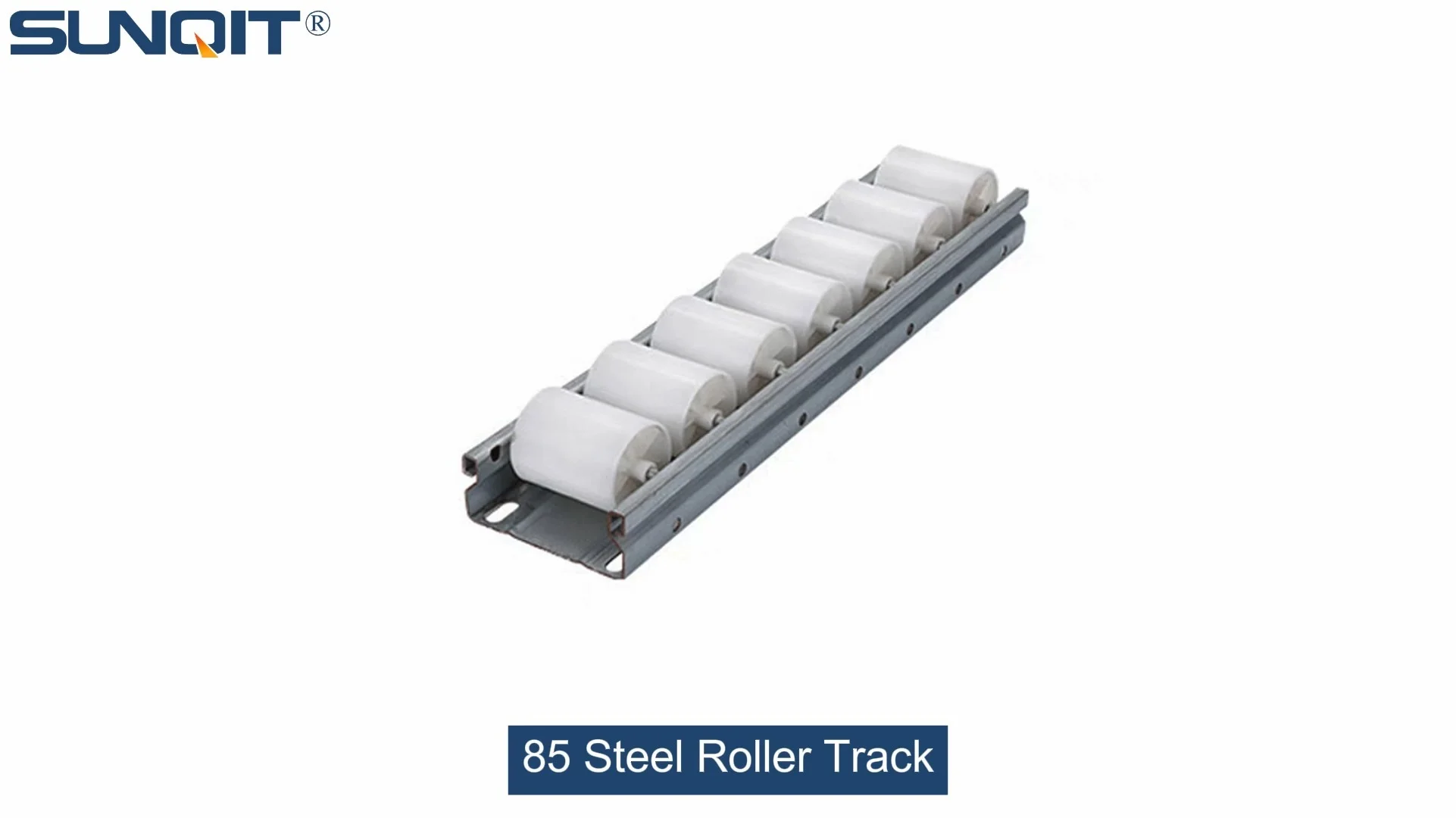
Let's talk about something that keeps your production line moving—literally. The 85 steel roller track is the unsung hero in many manufacturing setups, quietly handling the heavy lifting in flow racks, conveyor systems, and assembly lines. Whether you're in 3C assembly, automotive parts, or, this piece of equipment works tirelessly to move materials smoothly from point A to point B. But like any hardworking team member, it needs a little TLC to keep performing at its best. In this guide, we'll walk through practical, no-nonsense steps to maintain your 85 steel roller track, so it stays reliable, efficient, and ready for years to come.
Why Bother with Maintenance? It's More Than Just "Fixing Things"
You might be thinking, "If it ain't broke, don't fix it." But here's the thing: waiting for a breakdown can cost you way more than a little preventive care. Let's break down why maintenance matters:
- Longer Lifespan: A well-maintained roller track can last 5-7 years, compared to 2-3 years with neglect. That's a huge difference in ROI, especially if you're running a lean operation focused on sustainability.
- Safer Work Environment: Loose rollers or misaligned tracks aren't just efficiency killers—they're safety hazards. A sudden jam could lead to spills, injuries, or damaged products. Prioritizing maintenance keeps your team safe.
- Consistent Performance: In manufacturing, even small delays add up. A sticky roller might slow down material flow by seconds per unit, but over a shift, that's hours of lost productivity. Smooth tracks mean consistent, predictable workflows—exactly what lean solution strategies aim for.
Think of it like maintaining a car: regular oil changes and tire rotations prevent bigger, costlier problems later. Your 85 steel roller track deserves the same attention.
Daily & Weekly Checklists: Catch Issues Before They Escalate
Maintenance doesn't have to be overwhelming. Start with simple, regular checks. Here's a quick guide to what to look for, and how often:
| Check Frequency | What to Inspect | What to Look For |
|---|---|---|
| Daily | Roller Movement | Sticking, grinding, or uneven rotation; debris caught between rollers |
| Daily | Track Alignment | Bends, warps, or gaps between track sections |
| Weekly | Connectors & Fasteners | Loose bolts, missing screws, or worn lean pipe joint components |
| Weekly | Load Capacity | Signs of overloading: bent frames, cracked supports, or sagging tracks |
| Monthly | End Stops & Guides | Damage to plastic or metal guides; misalignment that could derail products |
Pro tip: Keep a small notebook or digital log to record your findings. Over time, you'll spot patterns—like a section of track that always collects debris—and adjust your routine accordingly. It's all part of that "continuous improvement" mindset that makes lean solutions so effective.

Cleaning 101: How to Keep Your Track Spotless (Without Damaging It)
Dirt, grease, and product residue are the biggest enemies of smooth roller operation. But not all cleaning methods are created equal—scrubbing too hard or using the wrong chemicals can do more harm than good. Let's walk through the right way to clean your 85 steel roller track:
Step 1: Gather Your Tools
You don't need fancy equipment—just a few basics:
- Soft-bristle brush (to avoid scratching steel)
- Microfiber cloths (for wiping down rollers)
- Mild detergent (dish soap works!) or industrial degreaser (for heavy grease)
- Low-pressure hose or spray bottle (for rinsing, if water-safe)
- Compressed air can (to blow out debris from tight spots, like roller bearings)
Step 2: Tackle Different Types of Grime
Dust & Light Debris: Start with the compressed air to blow out dust from between rollers and around lean pipe connectors. Follow up with a dry microfiber cloth to wipe down the track surface and roller exteriors.
Grease & Oil Buildup: Mix a small amount of mild detergent with warm water. Dip the soft brush in the solution and gently scrub the affected areas. For tough spots, let the soapy water sit for 5-10 minutes before scrubbing. Rinse with a damp cloth (or low-pressure hose, if the track is in a non-electrical area) and dry thoroughly with a clean cloth.
Sticky Residue (like adhesive or product spillage): Use a plastic scraper (never metal!) to gently lift off dried residue. Follow with a cloth dampened with rubbing alcohol to dissolve any remaining stickiness. Wipe dry immediately.
What to Avoid
Stay away from harsh chemicals like bleach, ammonia, or abrasive cleaners—they can corrode the steel or damage protective coatings. Also, never power-wash your track at high pressure; water can seep into roller bearings and cause rust.

Lubrication: The Secret to Silky-Smooth Rollers
Even the cleanest track will slow down if the rollers aren't properly lubricated. Think of it as giving your track a "drink of water"—it keeps everything moving freely. Here's how to do it right:
Choose the Right Lubricant
Not all lubricants work for steel roller tracks. Avoid thick greases, which attract dust and gum up the works. Instead, opt for:
- Light machine oil: Ideal for general use; penetrates bearings easily.
- Silicone spray: Great for high-temperature environments or when you need a dry, non-greasy finish.
- PTFE-based lubricant: Resists water and chemicals—perfect for tracks in damp or industrial settings.
Check your track's manual (or ask your supplier—hint: reputable lean pipe suppliers often provide maintenance guides!) for specific recommendations.
How & When to Lubricate
Frequency: Lubricate every 2-4 weeks, depending on usage. If your track runs 24/7, aim for every 2 weeks. For lighter use, monthly is usually enough.
Application Steps:
- Clean the track first (see the cleaning section above)—lubricant mixed with dirt is a recipe for clogs.
- Apply a small amount of lubricant to each roller's bearing points. You'll find these at the ends of the roller, where they connect to the track frame.
- Spin each roller by hand to distribute the lubricant evenly. You should feel it move more smoothly immediately.
- Wipe off any excess lubricant with a clean cloth—you don't want it dripping onto products or attracting dust.
Pro tip: If your track is part of a larger conveyor system, coordinate lubrication with the maintenance of other components, like lean pipe workbench wheels or flow rack rollers. Consistency across your setup ensures everything works in harmony.

Troubleshooting Common Problems: Quick Fixes for Annoying Issues
Even with regular maintenance, issues can pop up. Here's how to diagnose and fix the most common problems:
| Problem | What's Likely Causing It | How to Fix It |
|---|---|---|
| Rollers are "sticking" or moving slowly | Dirt in bearings, lack of lubrication, or bent roller axles | Clean bearings with compressed air, lubricate, or replace bent axles (use genuine lean pipe accessories for best fit) |
| Track makes loud, grinding noises | Misaligned sections, loose fasteners, or worn roller bearings | Tighten lean pipe joint bolts, realign track sections, or replace worn bearings |
| Products keep "jumping" off the track | Track is warped, end stops are missing/damaged, or side guides are misaligned | Straighten warped sections (or replace if bent beyond repair), install new end stops, adjust side guides |
| Rollers are rusting | Exposure to moisture, lack of protective coating, or using the wrong cleaner | Remove rust with a wire brush (gently!), apply rust-inhibiting spray, and improve ventilation in the area |
When in doubt, don't hesitate to reach out to your supplier. A good lean pipe supplier will have technical support teams ready to help—after all, your success with their products is their success too.
Long-Term Care: Going Beyond the Basics
Daily checks and cleaning are crucial, but for maximum longevity, you'll need a long-term plan. Here are some pro strategies to keep your 85 steel roller track in top shape for years:
Schedule Regular Professional Inspections
Even the most diligent in-house team can miss subtle issues. Once or twice a year, bring in a professional technician (or ask your lean solution provider) to do a deep dive. They'll check for hidden problems like internal bearing wear, structural fatigue, or alignment issues that could lead to big failures down the line.
replace Parts Proactively (and Use Quality Components)
Worn rollers, cracked lean pipe connectors, or bent frames shouldn't be "run until they break." replace them at the first sign of significant wear. And when you do replace parts, always opt for high-quality, compatible components—preferably from the same supplier who provided your track. Mixing and matching generic parts can lead to poor fit, increased friction, and even safety risks.
For example, if your track uses specific aluminum guide rails or roller track placon mounts, stick with the original design. It's an extra cost upfront, but it pays off in longer track life and fewer headaches.
Control the Environment
Steel tracks are tough, but they're not invincible. Extreme temperatures, high humidity, or exposure to corrosive chemicals can shorten their lifespan. If possible:
- Keep the area around the track well-ventilated to reduce moisture buildup.
- Use fans or dehumidifiers in damp workshops.
- Cover the track when not in use (e.g., during shutdowns) to protect it from dust and debris.
Wrapping It Up: Your Track Deserves the Best
Maintaining your 85 steel roller track isn't just about "fixing things"—it's about investing in the reliability of your entire operation. A little time spent on daily checks, cleaning, and lubrication can save you thousands in repairs, downtime, and replacement costs. And when you pair that with high-quality parts and a commitment to continuous improvement (hello, lean solution principles!), you'll have a track that keeps up with your production goals for years to come.
So, what are you waiting for? Grab your brush, lubricant, and logbook, and start your maintenance routine today. Your future self (and your bottom line) will thank you.