- Company Articles
- Products and Technology
- Installation And Maintenance
- How to Maintain Mini Aluminum Roller Track Black for Longevity

How to Maintain Mini Aluminum Roller Track Black for Longevity
Related Product
Mini Aluminum Roller Track Black
Mini aluminum roller track black for modular system, lean solution.Durable and smooth-running modular roller rails. The system is fully assembled. The roller rail profile contains plastic rollers mounted on steel axles.
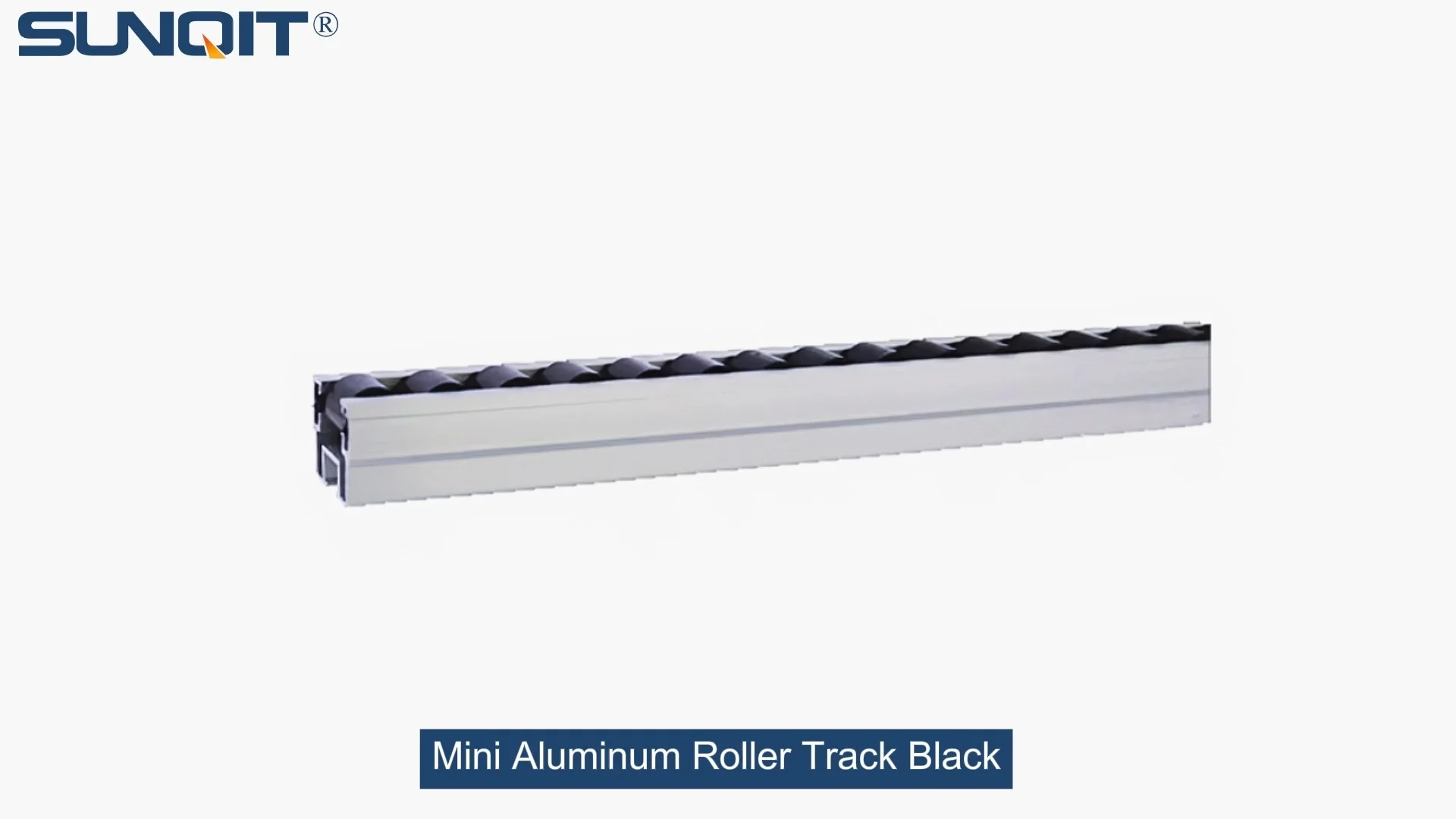
How to Maintain Mini Aluminum Roller Track Black for Longevity
Mini aluminum roller track black is a workhorse in modern manufacturing lines—especially in industries like 3C assembly, medical equipment production, and (warehousing logistics) where small, precise components need to move smoothly from one station to another. As part of a lean pipe system, this track plays a key role in streamlining operations and reducing waste. But like any piece of equipment, it needs regular care to keep it running at its best. Neglecting maintenance can lead to sticky rollers, misaligned sections, and costly downtime. This guide will walk you through everything you need to know to extend the lifespan of your mini aluminum roller track black, from daily cleaning to long-term preventive strategies.
Pre-Maintenance Preparation
Before you start maintaining your track, gather the right tools and take safety precautions to avoid accidents or damage:
- Soft microfiber cloths (non-abrasive to protect the black coating)
- Nylon brush (for removing debris from roller gaps)
- Light machine oil (suitable for aluminum components—avoid heavy grease)
- Torque wrench (set to manufacturer-recommended specs, usually 5-8 Nm)
- Replacement parts: swivel roller balls 0.5 inch, roller track connectors, plastic roller track guide rails (grey or yellow)
- Nitrile gloves (to protect hands from dirt and lubricants)
Step-by-Step Maintenance Guide
1. Regular Cleaning
Dirt, lint, and small debris are the biggest enemies of your mini roller track. They can clog rollers, scratch the surface, and cause friction that wears down components. Follow these steps for effective cleaning:
- Start with dry cleaning: Use the nylon brush to gently sweep away dust and debris from the roller gaps and track surface. Pay extra attention to the areas where rollers meet the track frame—this is where debris often accumulates.
- Wet cleaning: Dampen a microfiber cloth with warm water and a drop of mild dish soap (avoid harsh chemicals like bleach or ammonia, which can strip the black coating). Wipe the track surface and rollers gently, making sure to get into all crevices. For hard-to-reach spots (like between rollers), use a cotton swab dipped in soapy water.
- Dry thoroughly: Use a clean, dry cloth to wipe the track and rollers. Moisture left on aluminum can cause corrosion over time, so make sure every part is completely dry before moving to the next step.
2. Inspection of Critical Components
After cleaning, inspect each component carefully to spot signs of wear or damage:
- Roller Balls: Spin each roller ball with your finger. If it doesn't rotate freely or makes a grinding noise, it's time to clean or replace it. For mini tracks, swivel roller balls 0.5 inch are the most common replacement part. To replace, gently pry out the old ball with a small flathead screwdriver (be careful not to scratch the track) and press the new ball into place until it clicks.
- Roller Track Connectors: Check each connector (where track sections join) for looseness. Use the torque wrench to tighten them to the recommended torque. If a connector is cracked or stripped, replace it immediately—loose connectors can cause the track to shift, leading to jams or product damage.
- Guide Rails: If your track uses plastic roller track guide rails (grey or yellow), inspect them for scratches, cracks, or warping. These rails keep products aligned on the track, so worn ones can cause items to veer off or get stuck. replace any damaged rails with the same size and color for consistency.
- Alignment Check: Place a spirit level on the track surface. If it's not level, adjust the adjustable leveling feet under the workstation or stand holding the track. Turn the feet clockwise to raise and counterclockwise to lower until the track is perfectly level. Misaligned tracks put extra stress on rollers and connectors, so this step is crucial for long-term durability.
3. Lubrication
Proper lubrication reduces friction and prevents rust, keeping your track running smoothly. Follow these tips:
- Use light machine oil: Heavy grease attracts dust and dirt, which can clog rollers. Light oil (like 3-in-1 oil) is ideal for aluminum components.
- Lubricate key parts: Apply 1-2 drops of oil to each roller ball's bearing (lift the ball slightly to access the bearing). Also, lubricate roller track connectors to prevent rust and ensure they stay tight.
- Avoid over-lubrication: Excess oil can drip onto products or attract debris. Wipe off any extra oil with a clean cloth.
Preventive Maintenance Schedule
| Frequency | Tasks |
|---|---|
| Daily | Clean track surface with a dry cloth; check for visible debris; spin rollers to ensure smooth rotation; remove any products left on the track. |
| Weekly | Deep clean roller gaps with a nylon brush; inspect roller track connectors for looseness; lubricate all rollers and connectors; check guide rails for wear. |
| Monthly | Check track alignment with a spirit level; adjust adjustable leveling feet if needed; replace worn swivel roller balls (0.5 inch) or guide rails; tighten all connectors to recommended torque. |
| Quarterly | Complete audit of the entire track system; replace any cracked or stripped connectors; restock spare parts (roller balls, connectors, guide rails); train staff on basic maintenance tasks. |
| Annual | Disassemble the track sections; clean all components with soapy water; replace heavily worn parts; consult a trusted lean pipe supplier for professional inspection and advice. |
Common Issues & Troubleshooting
Even with regular maintenance, you may encounter issues. Here are some common problems and their fixes:
-
Issue:
Rollers are sticky or slow to rotate.
Cause: Dirt buildup in bearings or lack of lubrication.
Fix: Clean rollers with soapy water, dry thoroughly, and lubricate with light oil. If problem persists, replace with swivel roller balls 0.5 inch. -
Issue:
Products get stuck on the track.
Cause: Misaligned track sections, worn guide rails, or loose connectors.
Fix: Adjust adjustable leveling feet to level the track; replace worn guide rails; tighten roller track connectors. -
Issue:
Track makes loud squeaking/grinding noise.
Cause: Dry bearings or loose parts.
Fix: Lubricate rollers and connectors; tighten all loose components. -
Issue:
Track sections separate.
Cause: Cracked or stripped roller track connectors.
Fix: replace faulty connectors with new ones; tighten to recommended torque.
Long-Term Care Tips
Pro Tip:
As part of lean system principles, continuous improvement is key. Regularly review your maintenance process and ask your team for feedback—this helps identify recurring issues and optimize your routine.
- Train Your Team: Hold short training sessions to teach employees basic maintenance tasks (like cleaning and checking rollers). This empowers them to catch issues early and take action.
- Respect Load Limits: Never exceed the track's maximum load capacity (check your lean pipe supplier's specs). Overloading can bend the track, damage rollers, and shorten lifespan.
- Store Spare Parts: Keep a small inventory of common replacement parts (swivel roller balls 0.5 inch, roller track connectors, guide rails) in a dry, labeled container. This reduces downtime when parts need replacing.
- Consult Professionals: For complex issues or annual inspections, reach out to a trusted lean pipe supplier. They have the expertise to identify hidden problems and recommend the best solutions.
Conclusion
Maintaining your mini aluminum roller track black is an essential part of keeping your production line efficient and cost-effective. By following the steps outlined in this guide—regular cleaning, careful inspection, proper lubrication, and a consistent preventive schedule—you can extend the track's lifespan, reduce downtime, and avoid costly replacements. Remember, small, daily tasks go a long way in preventing big problems later. Whether you're in 3C assembly, medical equipment production, or any other manufacturing industry, taking care of your lean system components (like this mini roller track) is an investment in your business's success. If you need replacement parts or expert advice, don't hesitate to contact a reliable lean pipe supplier who understands your unique needs.