- Company Articles
- Products and Technology
- Installation And Maintenance
- How to Maintain Multi-Angle Fixed Aluminum Joints for Longevity

How to Maintain Multi-Angle Fixed Aluminum Joints for Longevity
Related Product
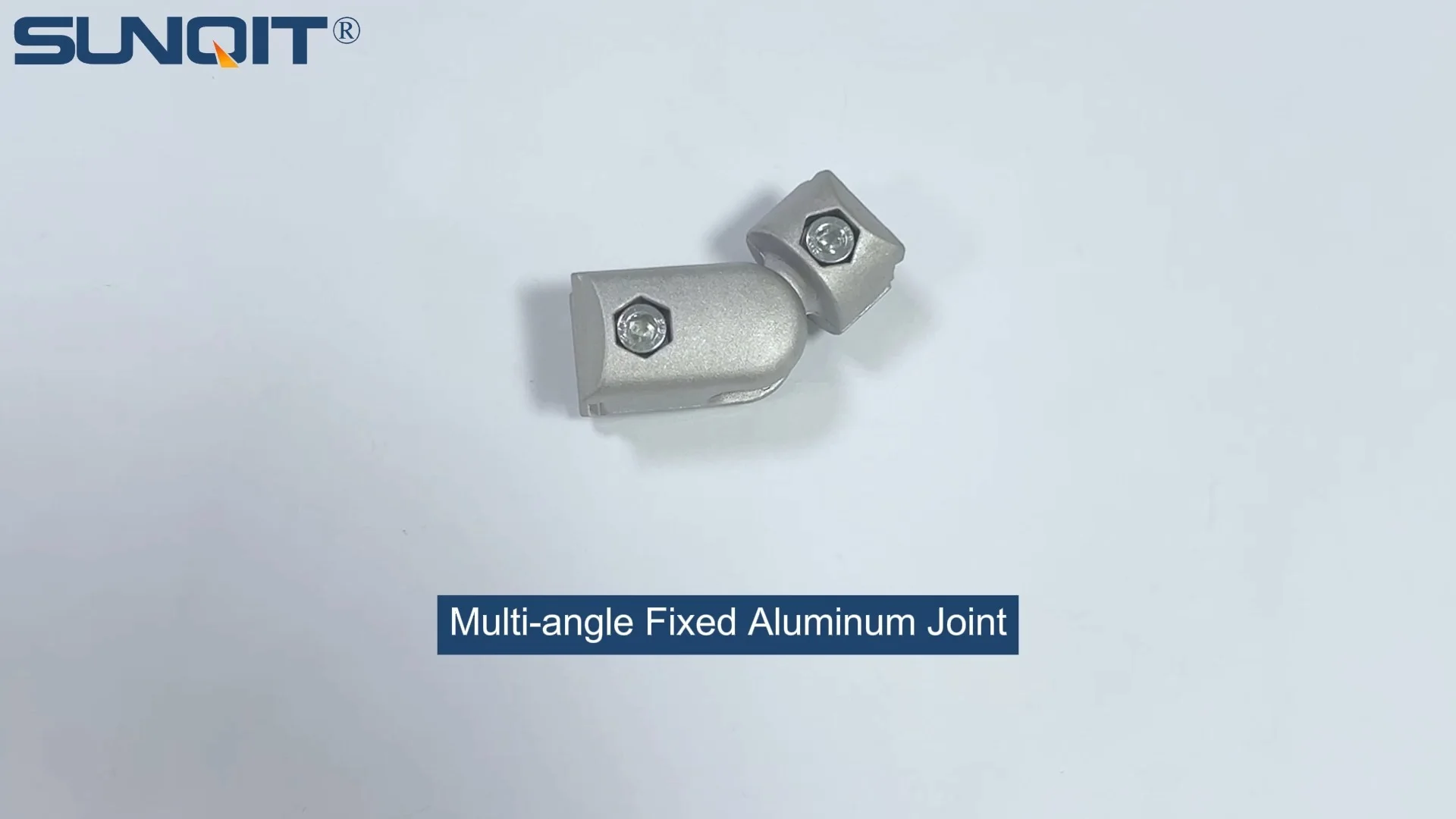
Multi-angle Fixed Aluminum Joint
Aluminum joint pipe connection for two pipe connection and work in mutiple angle.
Introduction: The Unsung Heroes of Your Workspace
Walk into any modern workshop, manufacturing plant, or assembly line, and you'll see a symphony of structures hard at work: sturdy workbenches holding precision tools, flow racks gliding materials to their next station, and conveyor systems keeping production moving like clockwork. What you might not notice at first glance is the quiet backbone holding all these pieces together: multi-angle fixed aluminum joints. These unassuming components are the glue of industrial and commercial spaces, connecting aluminum pipe, aluminum profile accessories, and lean pipe and accessories into functional, flexible structures that drive efficiency.
But here's the thing: even the strongest joints can falter without a little TLC. A loose bolt, a buildup of grime, or a tiny crack can turn a reliable workbench into a wobbly hazard or a smooth-flowing conveyor into a frustrating bottleneck. That's why maintaining your multi-angle fixed aluminum joints isn't just about saving money on replacements—it's about keeping your operations running safely, smoothly, and efficiently. In this guide, we'll walk through everything you need to know to keep these critical components in top shape for years to come.
Why Maintenance Matters: Beyond Just "Fixing What Breaks"
Let's start with the obvious: replacing a damaged multi-angle fixed aluminum joint isn't cheap. Depending on the size and specifications, a single joint can cost anywhere from $10 to $50, and that's before you factor in labor, downtime, and the ripple effects of a disrupted workflow. A small crack today might seem harmless, but over time, it can spread, weakening the entire structure. Imagine a workbench collapsing mid-assembly because a neglected joint gave way—suddenly, you're looking at damaged products, potential injuries, and hours (or days) of lost productivity.
Safety is another non-negotiable. Loose or corroded joints can cause structures to shift unexpectedly, putting workers at risk of trips, falls, or crushed fingers. In regulated industries like automotive or electronics manufacturing, even minor safety lapses can lead to fines or shutdowns. And let's not forget efficiency: a joint that's sticky or misaligned can slow down material flow, making your lean system feel more like a "lean on pause" system. When every second counts, the last thing you need is a wobbly flow rack or a conveyor that jams because a joint isn't holding steady.
The good news? Preventive maintenance is far easier (and cheaper) than reactive repairs. By spending a few minutes each week checking your joints, you can catch issues early, extend their lifespan, and keep your workspace humming. Think of it like changing the oil in your car: a small investment of time now saves you from a costly breakdown later.

Understanding Your Multi-Angle Fixed Aluminum Joints: What Makes Them Tick?
Before diving into maintenance, let's take a moment to understand what you're working with. Multi-angle fixed aluminum joints are designed to connect aluminum pipes (or profiles) at various angles—90°, 45°, 135°, and everything in between—while keeping the structure rigid once tightened. Unlike adjustable joints, which allow for movement, "fixed" here means they lock into place, making them ideal for stability-focused setups like workbenches or heavy-duty material racks.
Most joints consist of a few key parts: an aluminum alloy body (resistant to rust and lightweight), internal threads for bolts or screws, and contact surfaces that grip the aluminum pipe. Some may also have gaskets or washers to reduce friction and prevent loosening. When paired with the right aluminum pipe clamp, these joints create a connection that's strong enough to support heavy loads but flexible enough to adapt to changing workspace needs.
It's also worth noting that not all joints are created equal. Depending on your setup, you might have joints made from different grades of aluminum or with specialized coatings (like anodized finishes for extra corrosion resistance). Check the manufacturer's specs if you can—this will help you choose the right cleaning products, lubricants, and torque settings later on.

Step-by-Step Maintenance: Keeping Your Joints in Prime Condition
1. Inspection: The First Line of Defense
Inspection is the cornerstone of maintenance. You don't need fancy tools—just a keen eye, a flashlight, and a pair of gloves to protect your hands. Start with a weekly visual check: walk around each structure (workbenches, flow racks, conveyors) and examine every multi-angle fixed aluminum joint. Look for signs of trouble like:
- Cracks or chips: Even tiny fractures in the aluminum body can weaken the joint over time. Pay extra attention to areas where the joint meets the pipe—this is where stress tends to.
- Corrosion or discoloration: Aluminum is naturally resistant to rust, but it can develop a white, powdery film (oxidation) if exposed to moisture or chemicals. Severe oxidation looks like pitting or dark spots, which means the metal is breaking down.
- Loose bolts or screws: Gently wiggle the joint—if it moves, the fasteners are too loose. You might also notice gaps between the joint and the pipe, which is a red flag.
- Grime buildup: Dust, grease, or debris can hide cracks or prevent bolts from tightening properly. Thick grease might even attract more dirt, creating a abrasive paste that wears down the joint over time.
For a deeper dive, do a monthly "hands-on" inspection. Use a wrench or hex key to test bolt tightness (more on that later), and run a gloved finger along the joint's edges to feel for rough spots or sharp edges—these could indicate hidden cracks.
2. Cleaning: Wiping Away Trouble
Dirt and grime aren't just unsightly—they're silent enemies of your joints. Grease can trap moisture, leading to corrosion, while dust and metal shavings can scratch the aluminum surface, weakening it over time. Cleaning your joints regularly keeps them looking good and functioning better.
Start with the basics: a soft-bristled brush (like an old toothbrush or a small paintbrush) to sweep away loose dust and debris. For caked-on grease or oil, use a mild degreaser (avoid harsh chemicals like bleach or ammonia, which can damage aluminum). Apply the degreaser to a microfiber cloth (never spray it directly on the joint—you don't want it seeping into the threads) and gently wipe the surface. For stubborn spots, let the degreaser sit for 5-10 minutes before wiping.
If you're dealing with oxidation (that white, powdery film), mix equal parts water and white vinegar in a spray bottle. Spray the solution on the affected area, let it sit for 10 minutes, then wipe with a soft cloth. Rinse with clean water and dry thoroughly—moisture is oxidation's best friend, so don't skip the drying step!
Pro tip: Avoid abrasive tools like steel wool or scouring pads—they'll scratch the aluminum, making it more prone to future corrosion. Stick to soft cloths, brushes, and non-abrasive cleaners.
3. Tightening: Keeping It Snug (But Not Too Snug)
Loose bolts are the most common cause of wobbly joints, and they're usually easy to fix—if you catch them early. Over time, vibration from machinery, temperature changes, and regular use can loosen fasteners, so monthly tightening is a must.
First, identify the right tool for the job. Most multi-angle fixed aluminum joints use hex bolts (Allen keys) or Phillips-head screws. Check the bolt head to see what size you need—using the wrong size wrench can strip the fastener, turning a 2-minute fix into a 2-hour headache. If you're unsure, consult the manufacturer's specs for the recommended torque (how tight to make the bolt). Too loose, and the joint wobbles; too tight, and you risk stripping the threads or cracking the aluminum body.
When tightening, go slow and steady. Turn the bolt clockwise until you feel resistance, then stop—you don't need to crank it as hard as possible. If the bolt spins freely without tightening, the threads might be stripped (more on that later). For joints that see heavy vibration (like those on conveyors), consider using lock washers or thread locker (a liquid that dries to hold bolts in place). Just be sure to use a removable thread locker (like blue Loctite)—permanent (red) locker will make future repairs a nightmare.
4. Lubrication: Keeping Things Moving (Where They Should)
Not all joints need lubrication, but if your multi-angle fixed aluminum joint has moving parts (like pivot points or adjustable components), a little lube can go a long way. Lubrication reduces friction, preventing wear and tear and keeping the joint moving smoothly.
Stick to dry lubricants like PTFE spray or silicone grease—these won't attract dust and debris like oil-based lubricants. Apply a small amount to the pivot points (avoid getting it on threads or contact surfaces, where it can interfere with grip), then work the joint back and forth a few times to distribute the lube evenly. Wipe away any excess with a clean cloth—you want a thin film, not a glob.
How often? For joints that move frequently (like those on adjustable workbenches), lubricate every 3 months. For stationary joints, once a year is usually enough—unless you notice stiffness or squeaking, which means it's time for a touch-up.
5. Repair and Replacement: Knowing When to Let Go
Even with perfect maintenance, some joints will eventually wear out. The key is to spot the signs early so you can replace them before they fail. If you find a crack deeper than 1mm, severe pitting from corrosion, or stripped threads that won't hold a bolt, it's time to retire that joint. Don't try to "fix" it with glue or duct tape—these are temporary solutions that put safety at risk.
When replacing, stick to the same brand or if possible. Mixing and matching joint sizes or materials can lead to poor fit and reduced strength. And always use new bolts and washers—reusing old ones is a false economy, as they may have stretched or weakened.

Common Issues and Troubleshooting: Solving Joint Problems Fast
Even with regular maintenance, you might run into occasional hiccups. Here's how to diagnose and fix the most common joint issues:
Problem: The joint is wobbly, but the bolts are tight.
Cause: The aluminum pipe might be bent or damaged, putting uneven stress on the joint. Or the joint itself could be misaligned during installation.
Solution: Check the pipe for bends—if it's warped, replace it. If the pipe is straight, loosen the bolts, realign the joint so it sits flush against the pipe, then retighten. You might also need to add a shim (a small piece of metal or plastic) to fill gaps if the fit is loose.
Problem: Bolts keep loosening, even after tightening.
Cause: Vibration from nearby machinery is shaking them loose, or the threads are worn.
Solution: Use lock washers or thread locker (as mentioned earlier). If the threads are stripped, tap new threads with a thread repair kit or replace the joint entirely.
Problem: The joint is stuck and won't move (for adjustable models).
Cause: Rust, dirt, or lack of lubrication is jamming the pivot points.
Solution: Clean the joint thoroughly with degreaser, then apply lubricant to the pivot points. Gently tap the joint with a rubber mallet (don't use a hammer—you'll dent the aluminum) to loosen it. If it still won't move, the internal components might be damaged, and it's time for a replacement.
Creating a Maintenance Schedule: Staying Consistent
The secret to successful joint maintenance is consistency. A quick weekly check takes 10 minutes and can save you hours of trouble later. To make it easy, we've put together a handy maintenance schedule you can follow:
| Task | Frequency | Tools Needed | Notes |
|---|---|---|---|
| Visual Inspection (cracks, corrosion, loose bolts) | Weekly | Flashlight, gloves | Focus on high-stress areas (joints holding heavy loads) |
| Bolt Tightening | Monthly | Hex keys, torque wrench (optional) | Use manufacturer torque specs if available; avoid over-tightening |
| Cleaning (dust, grease, oxidation) | Bi-Monthly | Soft brush, mild degreaser, microfiber cloth, vinegar (for oxidation) | Dry thoroughly to prevent moisture damage |
| Lubrication (pivot points) | Quarterly | PTFE spray or silicone grease, cloth | Apply sparingly—excess lube attracts dirt |
| Comprehensive Inspection (measure wear, check thread integrity) | Annually | Calipers, thread gauge, all tools above | replace joints with >1mm cracks or stripped threads |
Best Practices for Longevity: Going the Extra Mile
Want to make your multi-angle fixed aluminum joints last even longer? Follow these pro tips:
- Install them right the first time: A poorly installed joint is a maintenance headache waiting to happen. Make sure pipes are straight, joints are aligned flush, and bolts are tightened to specs during setup.
- Protect from the elements: If your joints are outdoors or in a humid environment, apply a clear, anti-corrosion spray (like automotive wax) every 6 months to shield against moisture.
- Train your team: Teach workers to spot signs of trouble (wobbling, squeaking, cracks) and report them immediately. The sooner you catch an issue, the easier it is to fix.
- Keep spares on hand: Store a few extra multi-angle fixed aluminum joints, bolts, and washers in your toolbox. That way, you can replace a damaged joint in minutes instead of waiting for a shipment.
- Avoid overloading: Every joint has a weight limit—exceeding it will wear and tear. Check the manufacturer's load rating and stick to it.
Conclusion: Your Joints Deserve the Best
Multi-angle fixed aluminum joints might not be the stars of your workspace, but they're the unsung heroes that keep everything else shining. By taking a little time each week to inspect, clean, and tighten them, you'll extend their lifespan, reduce downtime, and keep your operations running like a well-oiled machine. Remember: maintenance isn't a chore—it's an investment in your team's safety, your productivity, and the long-term success of your business.
So the next time you walk past that workbench or flow rack, take a second to appreciate the joints holding it all together. Give them a quick once-over, wipe away a little dust, and tighten a loose bolt if you see one. Your future self (and your bottom line) will thank you.