- Company Articles
- Products and Technology
- Installation And Maintenance
- How to Maintain Parallel Fixation Aluminum Pipe Joints: Cleaning & Inspection Tips

How to Maintain Parallel Fixation Aluminum Pipe Joints: Cleaning & Inspection Tips
Related Product
Parallel Fixation Aluminum Pipe Joint
Aluminum parallel joint for two pcs 28mm aluminum pipe connected by parallel direction.
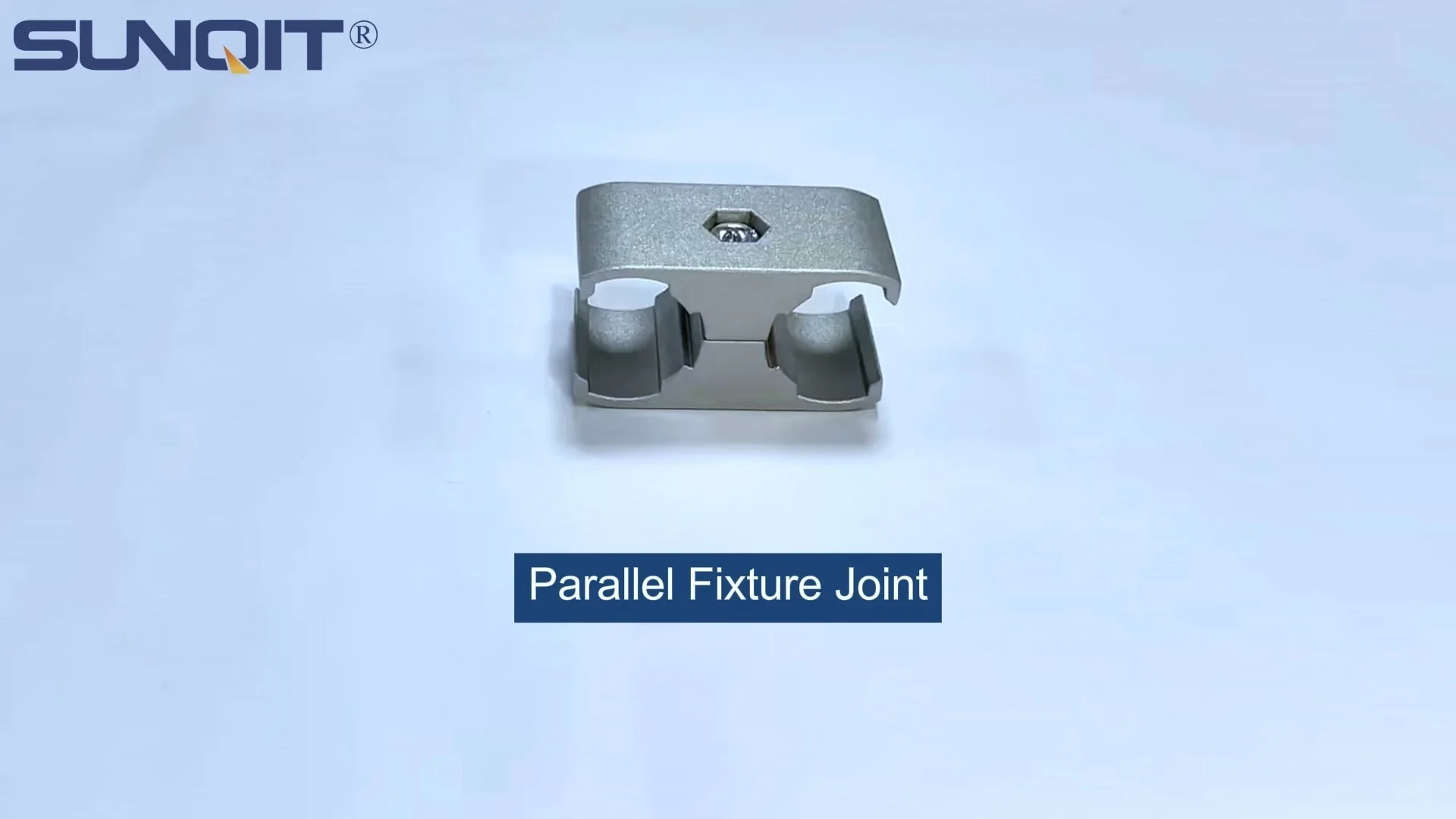
Walk into any busy manufacturing facility, and you'll see them—quietly holding everything together. Parallel fixation aluminum pipe joints are the unsung heroes of production lines, workbenches, and material racks. These small but mighty components connect aluminum pipes with precision, ensuring stability in structures that keep your operations running smoothly. But like any hardworking team member, they need care to perform at their best. Neglect them, and you might face wobbly workbenches, misaligned roller tracks, or worse—costly downtime that grinds your lean system to a halt. In this guide, we'll dive into why these joints matter, how to clean them properly, and the inspection habits that will extend their life (and your peace of mind).
Understanding Parallel Fixation Aluminum Pipe Joints
Before we roll up our sleeves, let's get to know these joints better. Parallel fixation aluminum pipe joints are designed to connect two or more aluminum pipes in a straight, parallel alignment—think of them as the glue that holds your workstation frames, material rack B (3 row and 3 floor), or aluminum workbench A together. Unlike flexible joints, their job is to keep pipes rigid and evenly spaced, which is critical for supporting weight, maintaining alignment in conveyor systems, and preventing lateral movement in high-traffic areas.
Made from lightweight, corrosion-resistant aluminum, these joints are a favorite in lean environments for good reason. Aluminum's natural resistance to rust means they hold up well in most workshops, but they're not invincible. Dust, grease, and even the subtle vibrations of daily operations can take a toll over time. Add aluminum pipe accessories like bolts, washers, or end caps into the mix, and you've got a system that relies on every part working in harmony. When a joint loosens or corrodes, it's not just that single connection that suffers—tension shifts to adjacent joints, creating a domino effect that weakens the entire structure.
Why Maintenance Isn't Just "Extra Work"
Let's talk about the cost of cutting corners. Imagine this: A material handler loads a heavy bin onto your material rack B. The rack wobbles. They pause, adjust the bin, and continue—but later that day, a shelf gives way, spilling parts across the floor. An hour of cleanup, a damaged bin, and a delayed order later, you're left wondering, "How did this happen?" Chances are, a loose parallel fixation joint was the culprit. Maintenance isn't just about keeping things shiny; it's about avoiding these "small" disasters that eat into your lean system's efficiency.
Safety is another big reason. A wobbly aluminum workbench K isn't just annoying—it's a hazard. Tools slide off, workers adjust their posture to compensate, and before you know it, you're dealing with strained muscles or even falls. Regular maintenance turns "what-ifs" into "we're covered." And let's not forget longevity: A well-cared-for joint can last 5–7 years, while a neglected one might fail in half that time. Replacing joints and aluminum pipe accessories costs money, but the real cost is the downtime between ordering, shipping, and installing new parts. In lean terms, that's waste—and we all know waste has no place in a well-run operation.

Cleaning Your Joints: A Step-by-Step Guide
Cleaning parallel fixation aluminum pipe joints isn't complicated, but it does require attention to detail. The goal? Remove dirt, grease, and moisture that can corrode metal or gum up moving parts. Here's how to do it right:
Gather Your Tools
- Soft-bristle brush (toothbrushes work great for tight spots)
- Microfiber cloths (avoid paper towels—they leave lint)
- Mild detergent (dish soap diluted in warm water works)
- Compressed air can or air compressor (for blowing out debris)
- Small bucket (for soapy water)
- Cotton swabs (for crevices around bolts)
Step 1: Disconnect (If Safe to Do So)
If the joint is part of a non-critical structure (like a spare hand trolley A), disconnecting it from the pipes makes cleaning easier. Loosen the bolts with a hex key, gently slide the joint off, and set the pipes aside. Pro tip: If you're working on a critical structure (like a loaded material rack), skip disconnection—you don't want to risk collapse. Instead, clean it in place (we'll cover that next).
Step 2: Remove Loose Debris
Start dry. Use the soft-bristle brush to sweep away dust, metal shavings, or wood chips from the joint's surface and crevices. Pay extra attention to the bolt holes and the area where the joint meets the pipe—this is where debris loves to hide. Follow up with compressed air to blast out stubborn particles from tight spots. Imagine you're cleaning out the gaps in a keyboard—you want to get rid of everything that could scratch or block the joint when it's reconnected.
Step 3: Wipe with Soapy Water
Dip your microfiber cloth in the diluted detergent solution and wring it out well—you want it damp, not soaking. Gently wipe the entire joint, focusing on greasy areas (common around workbenches where oil or lubricants drip). For bolts or threaded parts, use a cotton swab dipped in soapy water to clean the threads—gunk here can make it hard to tighten the joint later. Avoid harsh chemicals like bleach or abrasive cleaners; they can strip aluminum's protective oxide layer, leaving it vulnerable to corrosion.
Step 4: Dry Thoroughly
Moisture is aluminum's silent enemy, even if it's resistant to rust. Use a dry microfiber cloth to wipe the joint until it's completely dry. For hard-to-reach areas, blast a little compressed air to evaporate leftover water. If you disconnected the joint, set it on a clean, dry surface (like a paper towel) for 10–15 minutes to air out before reconnecting. Rushing this step is how you end up with hidden moisture that leads to pitting later.
Step 5: Reconnect (If Disconnected)
When putting the joint back on the pipes, hand-tighten the bolts first to ensure alignment, then use a hex key to snug them up—don't over-tighten! Aluminum threads are softer than steel, and stripping them is easy. A good rule: Tighten until you feel resistance, then give a quarter-turn more. If the joint has aluminum pipe accessories like washers, check that they're clean and undamaged before reusing them.

Inspection: What to Look For (and When)
Cleaning is half the battle—inspection is how you catch problems before they escalate. Think of it like a doctor's checkup: regular, thorough, and focused on early warning signs. Here's what to watch for, and how often to check.
Daily Quick Checks
These take 30 seconds per structure and can save hours of trouble. As you walk through your facility, glance at joints in high-use areas: workbenches where operators lean, material racks loaded with heavy bins, or roller tracks that see constant part movement. Look for:
- Visible gaps: If the joint is pulling away from the pipe, even a little, it's loose.
- Wobble: Gently push the structure—if it moves more than 1/4 inch, check the joints.
- Rust or discoloration: White, powdery spots (aluminum oxide) are normal, but dark brown or black spots mean corrosion is starting.
Weekly Detailed Inspections
Once a week, set aside 15–20 minutes to dig deeper. Grab a flashlight and a hex key, and focus on 2–3 critical structures (rotate weekly so you cover everything over time). For each joint:
- Check bolt tightness: Use the hex key to test each bolt—if it turns more than 1/8 inch, tighten it. Loose bolts are the No. 1 cause of joint failure.
- Inspect for cracks: Shine the flashlight along the joint's edges and bolt holes. Hairline cracks, especially around stress points, mean the joint is weakened.
- Test movement: If the joint is supposed to be fixed (not swiveling), try to twist or bend it gently. Any give means it's worn and needs replacement.
Monthly Deep Dives
Once a month, pick one structure (like your material rack B or aluminum workbench E) and disconnect a few joints for a closer look. Check the pipe ends for dents or deformation—if the pipe is bent, the joint can't seat properly, even if it's clean. Inspect the joint's inner surface where it touches the pipe—scratches or grooves here can cause instability. This is also a good time to check aluminum pipe accessories like washers or end caps for wear; a cracked washer might seem minor, but it can let moisture seep into the joint.

Common Issues (and How to Fix Them)
Even with great maintenance, problems can pop up. Here's a quick troubleshooting guide for the most common joint issues:
| Issue | What's Causing It | Quick Fix |
|---|---|---|
| Joint feels loose, even after tightening | Stripped threads on bolts or in the joint | replace the bolt first; if the joint's threads are stripped, replace the joint entirely. |
| White, powdery spots on the joint | Minor aluminum oxide (normal, but can spread if moisture is trapped) | Scrub gently with a soft brush and water; dry thoroughly. Apply a thin layer of clear acrylic spray to protect (test on a hidden spot first). |
| Joint won't align with the pipe | Debris in the pipe end or bent pipe | Clean the pipe end with a brush; if bent, replace the pipe section. |
| Bolts keep loosening | Vibration from machinery or heavy use | Add a drop of thread locker (blue, not red—red is permanent!) to the bolt threads before tightening. |
Preventive Habits for Long-Lasting Joints
The best maintenance is the kind you don't have to think about every day. These simple habits will keep your parallel fixation joints in top shape:
Keep the Area Clean
A messy workshop is a joint's worst enemy. Sweep floors regularly to reduce dust buildup, and wipe down workbenches and material racks to catch spills before they drip onto joints. If you use lubricants on conveyor systems or machinery, place drip pans under hoses to keep oil off nearby joints.
Train Your Team to Report Issues
Your operators are the first to notice wobbly workbenches or stuck roller tracks. Encourage them to flag loose joints or strange noises—make it easy with a simple "maintenance request" form or app. A worker who feels empowered to say, "This joint feels loose" can prevent a breakdown later.
Stock Spare Joints and Accessories
Nothing kills momentum like waiting for a replacement joint to ship. Keep a small stock of parallel fixation aluminum pipe joints, bolts, and washers in your tool room. Label them clearly so anyone can grab what they need—this turns a "2-day delay" into a "10-minute fix."
Align with Lean System Goals
Remember, maintenance is part of your lean system, not a distraction from it. By keeping joints tight and clean, you reduce waste (no more rework from unstable workbenches), improve safety (fewer accidents), and extend the life of your equipment (so you don't buy new racks or workbenches prematurely). It's lean thinking in action—small, consistent efforts that add up to big results.
Final Thoughts: Invest in the "Small Stuff"
Parallel fixation aluminum pipe joints might not get the glory, but they're the backbone of your facility's efficiency. By taking 10 minutes a week to clean and inspect them, you're not just maintaining equipment—you're protecting your lean system, your team's safety, and your bottom line. The next time you walk past a steady workbench or a smoothly flowing conveyor, take a second to appreciate those joints. They've earned it.
So grab your brush, your microfiber cloth, and start small. Pick one structure today, give its joints a little love, and see how good it feels to know you're in control. Your future self (and your production schedule) will thank you.