- Company Articles
- Products and Technology
- Installation And Maintenance
- How to Maintain Single Side Aluminum Pipe for Long-Term Performance

How to Maintain Single Side Aluminum Pipe for Long-Term Performance
Related Product
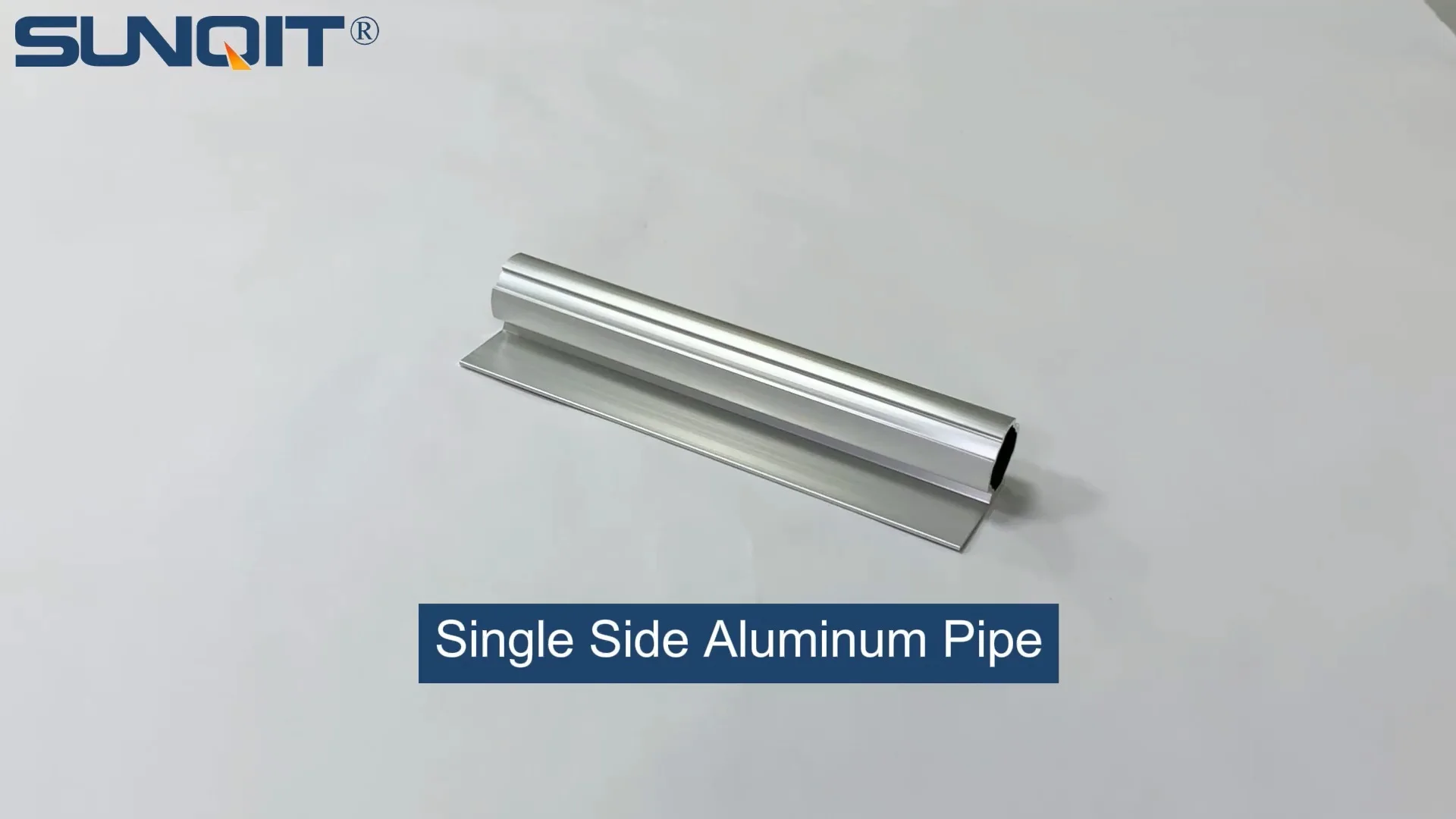
Single Side Aluminum Pipe
The single-sided plane can be installed with a back-mounted material box, and can also be used as a sidewall or partition.
Introduction: The Backbone of Lean Systems
Walk into any modern manufacturing facility, warehouse, or assembly line, and you'll likely spot it: the unassuming yet indispensable single side aluminum pipe. From constructing workbenches and material racks to forming the skeleton of flow racks and conveyor systems, this component is the silent workhorse of lean production environments. Its lightweight design, resistance to corrosion, and modularity make it a favorite among engineers and facility managers aiming to optimize workflow and reduce waste—cornerstones of lean system philosophy. But here's the thing: even the sturdiest aluminum pipe (a term we'll circle back to) isn't invincible. Without proper care, what starts as a minor scratch or loose joint can escalate into costly downtime, safety hazards, or the need for premature replacement.
In this guide, we're diving deep into the art and science of maintaining single side aluminum pipe. Whether you're managing a bustling production floor, a small workshop, or a distribution center, these actionable steps will help you extend the lifespan of your aluminum pipe systems, ensure they perform at their best, and protect your investment. We'll cover everything from daily inspections and cleaning routines to troubleshooting common issues and storing pipes when they're not in use. Along the way, we'll also touch on the role of aluminum pipe accessories —those small but critical components that keep your setup sturdy and functional. By the end, you'll have a roadmap to keeping your aluminum pipe systems in top shape for years, if not decades, to come.
Understanding Single Side Aluminum Pipe: More Than Just Metal
Before we roll up our sleeves and talk maintenance, let's take a moment to understand what single side aluminum pipe is and why it's worth protecting. Unlike stainless steel pipe series or plastic-coated lean pipes, aluminum pipe is crafted from aluminum alloys—typically 6061 or 6063, known for their excellent strength-to-weight ratio and corrosion resistance. These alloys are heat-treated to enhance durability, making them ideal for heavy-duty applications like supporting tool racks, guiding materials along roller tracks, or forming the frame of a workbench E (single deck-without caster).
What sets "single side" aluminum pipe apart is its design: one side is often flat or features a specialized groove, allowing for easy attachment of accessories like brackets, roller tracks, or workbench surfaces. This design aligns perfectly with lean principles, as it enables quick reconfiguration of workspaces without welding or complex tools. For example, a manufacturing team might rearrange their production line by simply detaching a section of aluminum pipe and reattaching it with a lean pipe joint —no downtime, no hassle.
But here's the catch: aluminum's strengths (lightweight, malleable) can also be weaknesses if mishandled. Its surface, while naturally resistant to rust, can still develop oxidation spots if exposed to harsh chemicals or prolonged moisture. Its joints, often secured by internal rotatary aluminum joint or external brackets, can loosen over time with vibration or heavy loads. And accessories like caster wheels or roller track connectors? They rely on the pipe's structural integrity to function safely. In short, maintaining the pipe itself is non-negotiable if you want your entire setup to hold up.

Daily Inspection Routine: Catch Problems Before They Escalate
Preventive maintenance starts with visibility. A 5-minute daily inspection can mean the difference between a minor adjustment and a major repair. Think of it like checking your car's oil before a long drive—small effort, big payoff. Below is a breakdown of key components to inspect, how often to check them, and what to look for.
| Component | Inspection Frequency | What to Look For | Action Steps |
|---|---|---|---|
| Pipe Surface | Daily | Scratches, dents, discoloration (signs of corrosion), or bending | Note deep scratches for later touch-up; replace severely bent sections immediately. |
| Lean Pipe Joints | Daily (critical areas); Weekly (secondary areas) | Looseness, cracks, or stripped threads | Tighten with a wrench if loose; replace if cracked or stripped. |
| Aluminum Pipe Accessories | Weekly | Wear on roller tracks, cracked brackets, or missing end caps | replace worn accessories (e.g., plastic roller track guide rail yellow) to prevent jams. |
| Connections to Workbenches/Racks | Bi-weekly | Gaps between pipe and mounting plates, loose bolts | Reinforce with additional brackets if gaps appear; torque bolts to specs. |
Pro Tip: Assign a "zone owner" for each section of your aluminum pipe setup. This team member becomes responsible for daily checks, creating accountability and ensuring no area is overlooked. Equip them with a simple checklist or a digital tool to log findings—consistency is key!
During inspections, pay extra attention to high-stress areas: joints where pipes meet at 90° angles, sections supporting heavy loads (like material rack B with 3 rows and 3 floors), or parts exposed to frequent movement (e.g., near conveyor systems). A loose lean pipe joint here isn't just a nuisance; it could cause a rack to collapse or materials to jam, halting production.

Cleaning and Corrosion Prevention: Keep It Shining, Keep It Strong
Aluminum pipe's natural oxide layer is its first line of defense against corrosion, but this layer isn't indestructible. Oils, chemicals, salt, or even prolonged humidity can break it down over time, leading to unsightly spots or, worse, structural weakening. The good news? Cleaning aluminum pipe is simple, and with the right products, you can enhance its protective properties.
Step 1: Choose the Right Cleaner
Skip the abrasive scrubs, steel wool, or harsh chemicals like bleach—these can scratch the surface or strip the oxide layer. Instead, opt for a mild, pH-neutral detergent (think dish soap) mixed with warm water. For tough grime (e.g., grease from machinery), add a few drops of white vinegar to the solution—its acidity cuts through oil without harming aluminum. Avoid ammonia-based cleaners, as they can react with aluminum and cause discoloration.
Step 2: Gently Scrub and Rinse
Dip a soft microfiber cloth or sponge into the soapy solution and wipe the pipe surface in the direction of the grain (if visible). For crevices around joints or accessories like aluminum guide rail A, use a soft-bristled brush (an old toothbrush works!) to dislodge dirt. Rinse thoroughly with clean water to remove soap residue—leftover detergent can attract dust and cause streaks. Dry immediately with a lint-free cloth to prevent water spots, especially in humid environments.
Step 3: Boost Protection with Sealant
For pipes in high-moisture areas (e.g., near wash stations) or outdoor setups, consider applying a thin coat of carnauba wax or a specialized aluminum sealant. This adds an extra barrier against corrosion and makes future cleaning easier. Apply the sealant with a soft cloth, let it sit for 5-10 minutes, then buff gently with a clean cloth to a shine. Reapply every 3-6 months, depending on exposure.

Handling Aluminum Pipe Accessories: The Devil in the Details
Your aluminum pipe is only as strong as the accessories holding it together. From aluminum pipe accessories like brackets and connectors to moving parts like caster wheels and roller tracks, these components demand attention too. Here's how to keep them in shape:
Joints and Connectors: Tighten, Don't Over-Tighten
Loose joints are a common culprit behind wobbly workbenches or sagging material racks. Check lean pipe joint and internal rotatary aluminum joint daily for play—if you can wiggle the pipe by hand, it's time to tighten. Use a wrench (avoid power tools!) to snug up bolts or set screws, but stop when you feel resistance. Over-tightening can strip threads or warp the joint, weakening it over time. If a joint feels "spongy" even after tightening, inspect the threads—stripped threads mean it's time for a replacement.
Roller Tracks and Casters: Keep Them Rolling Smoothly
Roller tracks (like plastic roller track guide rail grey or aluminum roller track black esd) and caster wheels are prone to debris buildup, which can cause jamming or uneven movement. Weekly, wipe roller tracks with a dry cloth to remove dust or small particles. For casters, check for hair, string, or dirt wrapped around the axle—use a pair of tweezers or a small brush to remove it. Lubricate caster bearings every 3 months with a silicone-based lubricant (avoid oil, which attracts dust) to keep them rolling silently and smoothly.
End Caps and Guards: Prevent Fraying and Injury
Exposed pipe ends are more than just an eyesore—they can snag clothing, scratch equipment, or collect moisture. Ensure all open ends are fitted with plastic pipe end caps or rubber guards (check your aluminum pipe accessories inventory for spares). If a cap is cracked or missing, replace it immediately—this simple step also prevents debris from entering the pipe and causing internal corrosion.
Troubleshooting Common Issues: From Scratches to Bends
Even with meticulous care, issues can pop up. Here's how to tackle the most frequent problems:
Problem 1: Surface Scratches
Cause: Contact with sharp tools, dropped items, or rough handling.
Solution: For shallow scratches, buff gently with 400-grit sandpaper (wet sanding to avoid dust) in a circular motion until the scratch is less noticeable. Follow with a polish to restore shine. Deep scratches that expose bare metal should be treated with a corrosion-resistant primer to prevent oxidation.
Problem 2: Minor Bends
Cause: Overloading, impact, or improper storage.
Solution: For small bends (less than 5°), use a rubber mallet to gently tap the pipe back into shape. Place the pipe on a flat surface and support the area around the bend to avoid creating new kinks. If the bend is severe or the pipe is creased, replace it—bent aluminum weakens structurally and may fail under load.
Problem 3: Corrosion Spots
Cause: Prolonged exposure to moisture, chemicals, or salt.
Solution: Mix equal parts white vinegar and water, apply to the spot with a cloth, and let sit for 10 minutes. Scrub gently with a soft brush, then rinse and dry. For stubborn spots, use a commercial aluminum cleaner (follow the manufacturer's instructions). After cleaning, apply a sealant to prevent recurrence.
Long-Term Storage: Protect Pipes When They're Not in Use
Whether you're rotating seasonal setups or storing extra pipe for future projects, how you store aluminum pipe matters. Follow these steps to keep it pristine:
Clean First: Before storing, give pipes a thorough cleaning (as outlined earlier) and dry completely. Any dirt or moisture trapped during storage will accelerate corrosion.
Choose a Dry Location: Store pipes in a cool, dry area away from direct sunlight, heaters, or air vents. Avoid basements or garages prone to flooding or high humidity. If indoor space is limited, cover pipes with a breathable tarp (not plastic, which traps moisture) and elevate them off the ground with pallets.
Prevent Bending: Lay pipes horizontally on racks or stack them vertically in a dedicated holder—never lean them against walls at an angle, as this can cause warping. If stacking, place a piece of cardboard between layers to prevent scratches.
Accessories Separate: Store aluminum pipe accessories in labeled plastic bins to avoid loss or damage. Organize by type (joints, brackets, end caps) and include a small packet of silica gel in each bin to absorb moisture.
Conclusion: Invest in Care, Reap the Rewards
Maintaining single side aluminum pipe isn't just about preserving metal—it's about preserving productivity, safety, and your bottom line. By incorporating daily inspections, gentle cleaning, and proactive care for aluminum pipe accessories , you'll extend the life of your setup, reduce downtime, and ensure your lean system operates at peak efficiency. Remember: a scratch ignored today could become a crack tomorrow, and a loose joint could lead to a collapsed rack. But with the steps outlined here, you're not just maintaining equipment—you're investing in the long-term success of your operation.
So the next time you walk past that row of aluminum pipe workbenches or material racks, take a moment to appreciate the role they play. Then, grab a cloth, a wrench, and start your inspection. Your future self (and your budget) will thank you.