- Company Articles
- Products and Technology
- Product knowledge
- How to Measure for 2020 Aluminum Profile End Caps: Sizing Guide

How to Measure for 2020 Aluminum Profile End Caps: Sizing Guide
Related Product
2020 Aluminum Profile End Cap
The aluminum profile end cap adds a finishing touch to your project and closes off profile ends to limit dust and debris buildup, also it can avaid some scratch for material and labor during the assemble work.
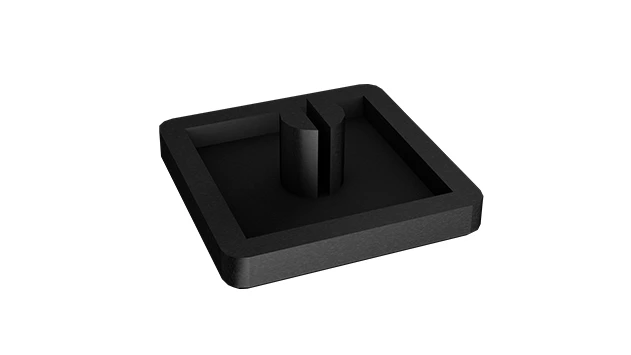
If you've ever spent hours assembling an aluminum extrusion profile workbench or rack, only to find the end caps don't fit—either popping off mid-use or scratching the profile edges—you know the frustration. Those small, unassuming caps might seem like an afterthought, but they're the finishing touch that protects your aluminum profile, keeps workers safe from sharp edges, and gives your setup a polished look. And when it comes to 2020 aluminum profiles—the workhorse of workshops, factories, and DIY projects—getting the end cap size right is non-negotiable. In this guide, we'll walk through how to measure your 2020 aluminum profile end caps accurately, why precision matters, and even share tips to avoid common mistakes. Let's dive in.
Why Bother with Accurate Measurements for 2020 Aluminum Profile End Caps?
Before we grab the measuring tools, let's talk about why this step matters. End caps for aluminum extrusion profiles aren't just about aesthetics (though a clean, finished end does make a setup look more professional). They serve three critical roles:
Protection for Your Profile: Aluminum extrusion profiles, especially the 2020 series, are often used in high-traffic areas—think assembly lines, material racks, or workbenches. Without a snug end cap, the exposed edges can get dented, scratched, or corroded over time. A well-fitted cap acts as a barrier, shielding the profile's cut ends from impact and moisture.
Safety First: Raw aluminum edges, even if cut cleanly, can be surprisingly sharp. I've seen workers brush against an unprotected profile end and walk away with a nasty scrape. End caps smooth out those edges, reducing the risk of cuts or snags on gloves, clothing, or skin.
Functionality in Aluminum Profile Accessories: Many aluminum profile accessories—like brackets, connectors, or panel mounts—attach near the ends of profiles. If an end cap is too thick or too loose, it might interfere with how these accessories fit, throwing off your entire setup. For example, a wobbly end cap could prevent a shelf bracket from sitting flush against the profile, weakening the structure.
The 2020 aluminum profile, named for its 20mm x 20mm cross-section, is one of the most popular sizes for light to medium-duty applications. But here's the catch: not all 2020 profiles are identical. Variations in manufacturing tolerances, wall thickness, or even custom cuts can mean the "standard" 2020 end cap might not fit your specific profile. That's why measuring is key.
Tools You'll Need (and How to Use Them)
You don't need a fancy lab setup to measure end caps, but using the right tools will make the process faster and more accurate. Here's what to gather:
- Digital Calipers: The gold standard for precision. Look for a pair that measures in millimeters (since we're dealing with 20mm profiles) and has a resolution of at least 0.01mm. Avoid cheap plastic calipers—spring-loaded metal ones are worth the investment for consistent readings.
- Straight Edge: A small metal ruler (6-inch or 15cm works) to check if the profile end is flat. If the cut is uneven, even the best measurement won't help—you'll need to file or sand the end first.
- Pencil and Paper: Jotting down measurements prevents mix-ups, especially if you're measuring multiple profiles.
- Masking Tape (Optional): If the profile is installed (e.g., part of a workbench), tape can mark the measurement points without scratching the aluminum.
Pro tip: If you don't have digital calipers, a vernier caliper or even a well-calibrated steel tape measure (with mm markings) can work, but digital calipers are easier for beginners to read accurately.

Step-by-Step: How to Measure Your 2020 Aluminum Profile for End Caps
Let's break this down into simple steps. We'll focus on the critical measurements needed for a 2020 aluminum profile end cap, which typically snaps or presses into place. Follow along, and you'll have your numbers in 5 minutes or less.
Step 1: Confirm You're Working with a 2020 Aluminum Profile
First, double-check that you're actually dealing with a 2020 aluminum extrusion profile. While the name suggests a 20mm x 20mm cross-section, some manufacturers label profiles by their "nominal" size, which might differ slightly from the actual measurement. For example, a "2020" profile could measure 19.8mm x 19.8mm due to manufacturing tolerances. Grab your calipers and measure the outer width and height of the profile (the two flat sides). If they're around 20mm each, you're good to go. If not, you might have a different series (like 3030 or 2040)—adjust your end cap search accordingly.
Step 2: Measure the Inner Dimensions of the Profile End
End caps for 2020 aluminum profiles are designed to fit inside the profile's end, not over the outside. That means we need the inner width and inner height of the profile's cross-section. Here's how:
1. Open your calipers and place the jaws inside the profile, aligning them with the inner walls. Make sure the calipers are perpendicular to the end (not tilted) to avoid skewed readings.
2. Gently close the jaws until they touch the inner walls. Tighten the locking screw on the calipers to hold the measurement, then read the value. For a standard 2020 profile, the inner width and height are usually around 16mm–18mm, depending on wall thickness (more on that next).
3. Repeat this measurement on both the width and height axes. Write down both numbers—they might not be identical if the profile is slightly out of square (common with DIY cuts).
Step 3: Check the Wall Thickness (It Affects End Cap Fit)
Aluminum extrusion profiles have varying wall thicknesses, which impacts the inner dimensions. A 2020 profile with a 1.5mm wall will have a larger inner space than one with a 2mm wall. To measure wall thickness:
1. Place the caliper jaws across the profile's wall—one jaw on the outside, the other on the inside. For example, measure from the outer edge to the inner edge of one side.
2. Read the thickness. Standard 2020 profiles often have walls between 1.0mm and 2.0mm. Note this number—if you're ordering end caps online, some suppliers list compatibility by wall thickness (e.g., "for 2020 profiles with 1.5mm walls").
Step 4: Measure the End Cap Depth (How Far It Inserts)
Most end caps for aluminum profiles aren't just surface-level—they insert into the profile by a few millimeters to stay secure. To find the ideal depth:
1. Look at the end of your profile. Is there a "lip" or groove near the end? Some profiles have internal slots for T-slot accessories, which can limit how far the end cap can insert. If there's no slot, measure how deep you want the cap to go (typically 5mm–10mm is enough for a snug fit).
2. If there is a slot, measure the distance from the end of the profile to the start of the slot. The end cap shouldn't extend past this slot, as it could block accessory mounting. For example, if the slot starts 8mm from the end, the end cap depth should be ≤8mm.
Step 5: Account for Tolerances (Because "Standard" Isn't Always Standard)
Even with precise measurements, manufacturing tolerances can throw a wrench in things. End caps (like most aluminum profile accessories) are mass-produced, so their sizes can vary by ±0.5mm. To compensate:
- If your inner width measurement is 17.2mm, look for end caps labeled 17mm–17.5mm. A cap that's 0.2mm smaller than your measurement will likely be too loose; 0.2mm larger might be too tight to press in.
- If you're between sizes, opt for the slightly smaller cap. You can gently sand the inner walls of the profile (or the end cap's edges) to widen the fit, but you can't shrink an end cap that's too big.

Common Measurement Mistakes (and How to Avoid Them)
Even seasoned DIYers make these errors. Here's what to watch for:
Mistake #1: Measuring the Outer Dimensions Instead of Inner —It's easy to grab the calipers and measure the outside of the profile, thinking "20mm x 20mm" means the end cap should match. But end caps fit inside, so outer measurements are irrelevant. Always measure inner dimensions.
Mistake #2: Ignoring an Uneven Cut —If the profile end is jagged or slanted (from a hacksaw or dull saw blade), your measurements will be off. Use a file or sandpaper to square the end first—even a few swipes can make a big difference in how the end cap sits.
Mistake #3: Relying on "Standard" Sizes Blindly —Not all 2020 profiles are created equal. A 2020 profile from one supplier might have a 1.5mm wall, while another uses 2.0mm. Always measure your specific profile instead of assuming "standard" end caps will fit.
Mistake #4: Forgetting to Check T-Slot Grooves —Many 2020 profiles have T-slots (the long, narrow grooves along the sides) for mounting accessories. If the end cap is too tall, it might hit the T-slot, preventing a flush fit. Measure from the end of the profile to the first T-slot and ensure the end cap depth is less than that distance.
How to Choose the Right 2020 Aluminum Profile End Cap (Once You Have Measurements)
Now that you have your inner width, height, and depth measurements, it's time to pick the end cap. Here's what to look for:
Material Matters: Plastic vs. Aluminum End Caps
End caps for aluminum profile accessories come in two main materials: plastic (usually ABS or polypropylene) and aluminum. Plastic caps are cheaper, lightweight, and come in colors (great for color-coding workstations). They're ideal for low-impact use, like office shelves or DIY projects. Aluminum caps are more durable, heat-resistant, and better for heavy-duty setups—think factory assembly lines or outdoor use. For most 2020 profile applications, plastic caps work well, but if you need longevity, aluminum is worth the upgrade.
Style: Snap-On vs. Press-Fit
Snap-on end caps have flexible tabs that "snap" into the profile's inner walls. They're easy to install and remove (good for profiles you might reconfigure later). Press-fit caps are solid pieces that require gentle pressure to push into place—they stay put better but are harder to remove. For 2020 profiles, snap-on caps are more common, but if you need a permanent seal, go press-fit.
A Quick Reference Table: 2020 End Cap Sizes
To simplify, here's a table of common 2020 aluminum profile end cap sizes based on inner dimensions. Note: These are averages—always measure your profile first!
| Profile Wall Thickness | Typical Inner Width/Height | Recommended End Cap Size | Best For |
|---|---|---|---|
| 1.0mm | 18mm x 18mm | 17.8mm–18mm | Light-duty shelves, DIY projects |
| 1.5mm | 17mm x 17mm | 16.8mm–17mm | Workbenches, material racks |
| 2.0mm | 16mm x 16mm | 15.8mm–16mm | Heavy-duty assembly lines, outdoor use |
Final Tips: Installing Your End Caps Like a Pro
Once you've measured and ordered the right end caps, installation is straightforward—but a few tricks will ensure a snug, long-lasting fit:
- Clean the Profile End First: Wipe away dust, oil, or debris from the inner walls. A clean surface helps the end cap grip better.
- Use a Rubber Mallet for Tight Fits: If the end cap is press-fit, gently tap it into place with a rubber mallet (not a metal hammer—you'll dent the cap). Place a soft cloth over the cap to avoid scratches.
- Test for Snugness: After installing, give the cap a gentle tug. It should not move or pop off. If it wiggles, remove it and check if there's debris blocking the fit, or if the cap is too small.
Wrapping Up: Measure Twice, Order Once
Measuring 2020 aluminum profile end caps might seem like a small step, but it saves time, money, and frustration in the long run. By focusing on inner dimensions, wall thickness, and tolerances, you'll ensure your end caps fit snugly, protect your profile, and keep your workspace safe. And remember: aluminum profile accessories, like end caps, are part of a system—when each piece fits right, the whole setup works better. So grab your calipers, measure carefully, and enjoy that clean, professional finish.
Need help finding the right end cap? Most aluminum profile suppliers (including those specializing in 2020 series) will share sizing charts or even send samples if you provide your measurements. Happy building!