- Company Articles
- Products and Technology
- Product knowledge
- How to Measure for Perfect-Fit Aluminum Profile Rubber Strips

How to Measure for Perfect-Fit Aluminum Profile Rubber Strips
Related Product
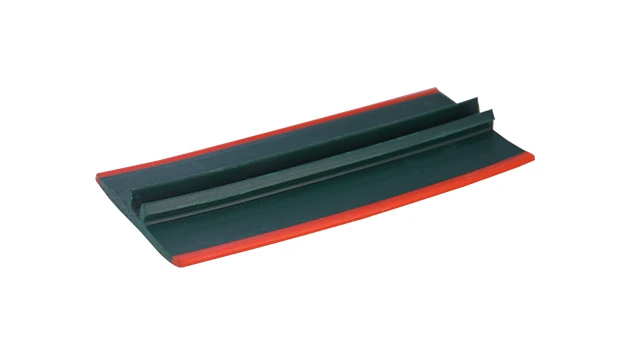
Aluminum Profile Rubber Strip
The tread strip fits into a T-slot channel and provides an anti-slip ribbed surface. It has a key pad that presses into a T-slot and is commonly used for adding traction on steps or as padding for doors. Tread strip can be ordered by rolls. The high quali
Picture this: You've just unboxed a batch of shiny new aluminum profiles for your workshop's latest project. You're excited to assemble them into workbenches, racks, and conveyor systems—only to realize the rubber strips you ordered to seal the t-slots are either too loose, too tight, or so ill-fitting they tear when you try to install them. Frustration sets in. You've wasted time, money, and now production deadlines are creeping closer. Sound familiar? If you've ever struggled with misaligned aluminum profile rubber strips, you know how small measurement mistakes can snowball into big headaches. But here's the good news: getting the perfect fit isn't rocket science. It just takes a little patience, the right tools, and a step-by-step approach to measurement. In this guide, we'll walk through everything you need to know to measure aluminum profile rubber strips accurately, so you can avoid wasted materials, keep projects on track, and ensure your workspace runs smoothly.
Why Getting the Measurement Right Matters More Than You Think
At first glance, rubber strips might seem like a minor detail in the grand scheme of aluminum profile systems. They're small, flexible, and often an afterthought when ordering materials. But anyone who's worked with aluminum extrusion profiles long enough will tell you: these tiny strips play a huge role in functionality, safety, and longevity. Let's break down why precise measurement isn't just a "nice-to-have"—it's essential.
First, there's the issue of debris and contamination. Aluminum profiles, whether they're part of a workbench, conveyor, or material rack, rely on clean t-slots to function. If your rubber strip (also known as a t-slot rubber seal cover) is too narrow, gaps will form along the edges, letting dust, metal shavings, and moisture sneak into the slot. Over time, that debris builds up, making it harder to slide accessories like brackets or end caps into place. I've seen workshops grind to a halt because a t-slot was so clogged with gunk that a critical tool couldn't be attached—all because of a poorly measured rubber strip.
Then there's safety. Exposed t-slots have sharp edges, especially on newly cut aluminum extrusion profiles. A properly fitted rubber strip acts as a buffer, preventing cuts to hands when workers reach across a workbench or adjust a rack. If the strip is too short, leaving part of the slot exposed, you're creating a hazard. On the flip side, a strip that's too long might bunch up, creating a tripping risk or catching on tools and materials as they move along a conveyor.
Wasted resources are another big factor. Aluminum profile accessories—like rubber strips, end caps, and connectors—aren't cheap, especially when ordered in bulk. Ordering 100 meters of strip that's 1mm too wide might not sound like a big deal, but multiply that by the cost per meter, and suddenly you're looking at hundreds of dollars down the drain. And let's not forget the time wasted: returning incorrect strips, waiting for replacements, and reworking assemblies. In a busy production environment, time is money—and measurement mistakes eat into both.
Pro Tip: Think of rubber strips as the "seal" between your aluminum profile and the outside world. A good seal keeps your workspace clean, your team safe, and your projects on schedule. Skimping on measurement is like using duct tape to fix a leaky pipe—it might work temporarily, but it'll cost you more in the long run.
The Tools You'll Need: No Fancy Gear Required
You don't need a fully equipped metrology lab to measure rubber strips accurately. Most of the tools you'll need are probably already in your toolbox. The key is using tools designed for precision—guesswork with a bent tape measure won't cut it. Here's what you'll need, and why each one matters:
| Tool | Purpose | Pro Tips |
|---|---|---|
| Digital Calipers | Measures t-slot width and depth with precision (down to 0.01mm). | Zero out the calipers before each use to avoid calibration errors. Look for models with a "hold" function to lock measurements. |
| Steel Measuring Tape (1m or longer) | Measures the length of the profile where the strip will be installed. | Use a tape with a rigid end to avoid bending, which can skew length measurements. |
| Straightedge (Metal or Acrylic) | Ensures the profile is flat during measurement (warped profiles can throw off readings). | Opt for a straightedge at least as long as your profile section to check for bowing. |
| Fine-Tip Marker | Marks measurement points on the profile (e.g., where the strip starts and ends). | Use a washable marker—you don't want permanent marks on finished profiles! |
| Flashlight or Work Light | Illuminates dark t-slots, making it easier to see the edges for accurate caliper placement. | LED lights work best—they're bright, compact, and won't heat up like incandescent bulbs. |
Notice we didn't include "eyeballing it" as a tool? That's because even the most experienced workers can misjudge slot sizes by a millimeter or two—and with rubber strips, that's often the difference between a snug fit and a disaster. Invest 10 minutes in gathering these tools, and you'll save hours of frustration later.

Step-by-Step: How to Measure Aluminum Profile Rubber Strips
Now that you've got your tools ready, let's dive into the measurement process. We'll break it down into simple steps, starting with identifying your profile type and ending with verifying your measurements. Follow along, and you'll be a pro in no time.
Step 1: Identify Your Aluminum Profile Type
Not all aluminum profiles are created equal. The first step is figuring out what type of profile you're working with, as this determines the size and shape of the t-slot (and thus the rubber strip). The most common profiles are defined by their dimensions—for example, 2020 national standard profile (20mm x 20mm), 3030 EU standard profile (30mm x 30mm), or 4080 aluminum extrusion profile (40mm x 80mm). These numbers refer to the profile's width and height, but the t-slot dimensions (width, depth, and shape) can vary even between profiles of the same size. For example, a 4040 EU standard profile might have a different t-slot width than a 4040 national standard profile. Check the manufacturer's specs if you have them—they'll usually list t-slot dimensions in the product datasheet. If you don't have specs, don't worry—we'll measure the slot directly in the next steps.
Quick ID Hack: Look for markings on the profile itself. Many aluminum extrusion profiles have the model number (like "2020" or "4040") stamped or printed along the length. If not, measure the overall width and height with a ruler—that'll narrow down the possibilities.
Step 2: Clean the T-Slot (Yes, This Matters)
Before measuring, take a minute to clean the t-slot. Even small bits of dirt, metal shavings, or leftover adhesive from old strips can throw off your measurements. Use a dry cloth or a small brush (a toothbrush works in a pinch) to sweep out debris. If there's sticky residue, dampen the cloth with rubbing alcohol—just make sure the slot is completely dry before measuring. A clean slot ensures your calipers or tape measure rest flush against the edges, giving you an accurate reading.
Step 3: Measure the T-Slot Width
The width of the t-slot is the most critical measurement for rubber strips. This is the distance between the two inner edges of the slot where the strip will sit. Here's how to measure it:
1. Open your digital calipers to a width slightly larger than the slot. Gently insert the caliper jaws into the slot, making sure they're parallel to the edges (not angled). 2. Slowly close the jaws until they touch the inner sides of the slot. You should feel a slight resistance—don't force them, as this can bend the caliper or distort the profile. 3. Lock the calipers (using the "hold" function if available) and remove them from the slot to read the measurement. 4. Repeat this process in 3-4 different spots along the profile (e.g., near the top, middle, and bottom). Aluminum extrusion profiles can sometimes have minor variations in slot width due to manufacturing tolerances, so averaging these readings will give you a more reliable number.
For example, if you measure 5.1mm, 5.2mm, and 5.0mm at different points, the average is 5.1mm—so you'll want a rubber strip designed for a 5mm or 5.1mm slot (check the manufacturer's sizing chart for their specific fit guidelines).
Step 4: Measure the T-Slot Depth
Next, measure the depth of the t-slot. This is the distance from the top edge of the profile down to the bottom of the slot. While rubber strips don't always fill the entire depth, a strip that's too shallow might pop out, and one that's too deep could bunch up. Here's how to do it:
1. Switch your calipers to "depth gauge" mode (most digital calipers have a rod that extends from the end for this). 2. Place the caliper's base flat against the top surface of the profile, directly above the t-slot. 3. Lower the depth rod into the slot until it touches the bottom. Again, apply gentle pressure—you don't want to push the rod into soft materials or damage the slot. 4. Read the measurement and repeat in a few spots, just like with the width. Average the results for accuracy.
Most standard t-slots have depths between 2mm and 10mm, depending on the profile size. For example, a 2020 national standard profile might have a 3mm deep slot, while a heavier-duty 4080 profile could have a 6mm slot.
Step 5: Measure the Length of the Strip
Now that you know the slot's width and depth, it's time to measure how long the rubber strip needs to be. This is the length of the profile section where the slot is exposed and needs sealing. Here's how:
1. Use your steel tape measure to find the total length of the profile from end to end. 2. Check if there are any aluminum profile accessories that block the slot, like end caps, brackets, or connectors. For example, if you're installing a strip on a workbench leg, the end cap (like a 4040 aluminum profile end cap) will cover the slot at the bottom, so the strip only needs to run from the top of the leg to just above the end cap. 3. Mark the start and end points of the strip with your fine-tip marker. 4. Measure the distance between these marks with the tape measure, keeping the tape straight and taut to avoid sagging (which adds extra length to the measurement). 5. Add 1-2mm to the length as a "buffer." Rubber strips can shrink slightly over time, and a tiny extra length ensures a snug fit even after wear.
Pro tip: If you're cutting strips to length yourself (instead of ordering pre-cut ones), round up to the nearest centimeter. It's easier to trim a little extra than to stretch a strip that's too short.
Step 6: Check for Irregularities (Warping, Bends, or Damage)
Even with careful measurement, a warped or bent profile can ruin your rubber strip fit. Aluminum extrusion profiles are durable, but they can get dented or bowed during shipping or handling. To check for irregularities:
1. Lay the profile flat on a level surface (like a workbench). Place your straightedge along the length of the profile—gaps between the straightedge and the profile mean it's warped. 2. Check the t-slot for dents or bends. Run your finger along the slot—you should feel smooth, even edges. If there's a bump or a dip, measure the width and depth at that spot separately. You might need to order a slightly wider or narrower strip for that section, or gently straighten the profile (if possible) before installing the strip.
Minor warping (less than 1mm) is usually manageable, but significant bends might require replacing the profile altogether. Remember: a rubber strip can't fix a bent slot!
Step 7: Verify with a Sample Strip (If You Can)
If you're unsure about your measurements, or if you're working with a new profile type, order a few sample rubber strips before buying in bulk. Most suppliers will send small samples (10-20cm long) for free or a nominal fee. Test the sample in the slot: it should slide in easily but stay in place when you gently tug on it. If it falls out, it's too loose; if it tears or won't fit, it's too tight. Adjust your measurements based on the sample and reorder—this small step can save you from a huge mistake.

Common Mistakes to Avoid (So You Don't Waste Time and Money)
Even with the best intentions, it's easy to slip up during measurement. Let's cover the most common mistakes and how to steer clear of them.
Mistake #1: Measuring Only One Spot. As we mentioned earlier, aluminum extrusion profiles can have slight variations in slot width or depth. Measuring once near the top might give you 5mm, but the bottom could be 5.2mm. Always measure in multiple spots and average the results.
Mistake #2: Ignoring the T-Slot Shape. Not all t-slots are rectangular. Some have rounded edges, while others are "T" shaped with a wider bottom (to hold accessories like nuts). Rubber strips are designed to match these shapes—so a strip for a rectangular slot won't fit a rounded one, even if the width is the same. If your slot has a unique shape, take a photo and ask the supplier to recommend the right strip.
Mistake #3: Forgetting About Aluminum Profile Accessories. End caps, brackets, and connectors can block parts of the t-slot, so the strip doesn't need to cover the entire length of the profile. Measure around these accessories to avoid ordering extra-long strips that get cut off or bunched up.
Mistake #4: Using Worn-Out Tools. A tape measure with stretched markings or calipers that won't zero properly will give you bad data. Check your tools before starting: for calipers, zero them on a flat surface—if the reading isn't 0.00mm, replace the battery or adjust the calibration. For tape measures, ensure the markings are clear and the locking mechanism works.
Real-Life Example: A friend of mine once ordered 200 meters of t-slot rubber seal cover for a production line of 4040 EU standard profiles. He measured the slot width once and got 6mm, so he ordered 6mm strips. When they arrived, half the strips were too tight—turns out the profiles had a mix of 6mm and 6.2mm slots (a common tolerance range for EU standards). He could have avoided this by measuring a few profiles from the batch instead of just one.
Tips for Special Cases: Odd-Shaped Profiles, ESD Workstations, and Heavy-Duty Use
Most measurements follow the steps above, but some scenarios need extra attention. Let's cover a few special cases you might encounter.
Odd-Shaped Profiles (Curved, Angled, or Custom Designs)
If you're working with curved aluminum extrusion profiles (like those used in ergonomic workbenches) or custom-shaped slots, measuring width and depth becomes trickier. For curved slots, use flexible calipers or a contour gauge to trace the slot's shape, then measure the gauge with a ruler. For angled slots, tilt the calipers to match the angle of the edges—just make sure both jaws touch the edges evenly. When in doubt, contact the profile manufacturer; they'll often provide detailed drawings of custom slot dimensions.
ESD Workstations (Electrostatic Discharge Protection)
ESD workstations require rubber strips that not only fit well but also conduct electricity to prevent static buildup. These strips are often made of conductive rubber, which is stiffer than standard strips. When measuring for ESD applications, add a little extra width (0.5-1mm) to account for the stiffer material—this ensures the strip makes full contact with the slot, maintaining the ESD path.
Heavy-Duty Use (Conveyors, Material Racks, High-Traffic Areas)
Rubber strips in high-traffic areas (like conveyor roller tracks or material racks) wear out faster. To extend their life, opt for slightly thicker strips (check the depth measurement—you might need a deeper strip to withstand pressure) and add 2-3mm to the length buffer. Also, avoid over-tightening the strip, as this causes stress and premature cracking.
Final Thoughts: Measurement = Peace of Mind
Measuring aluminum profile rubber strips might not be the most glamorous part of building with aluminum extrusion profiles, but it's one of the most impactful. A perfectly fitted t-slot rubber seal cover keeps your workspace clean, your team safe, and your projects on track. By following these steps—identifying your profile, cleaning the slot, measuring width, depth, and length, and checking for irregularities—you'll avoid the frustration of misordered materials and ensure every strip fits like it was made for your profile (because, with accurate measurements, it will be).
Remember: The goal isn't perfection—it's consistency. Take your time, use the right tools, and double-check your numbers. Your future self (and your production deadlines) will thank you.