- Company Articles
- Products and Technology
- Product knowledge
- How to Optimize 60 Steel Roller Track Small Wheel Performance in High-Humidity Environments

How to Optimize 60 Steel Roller Track Small Wheel Performance in High-Humidity Environments
Related Product
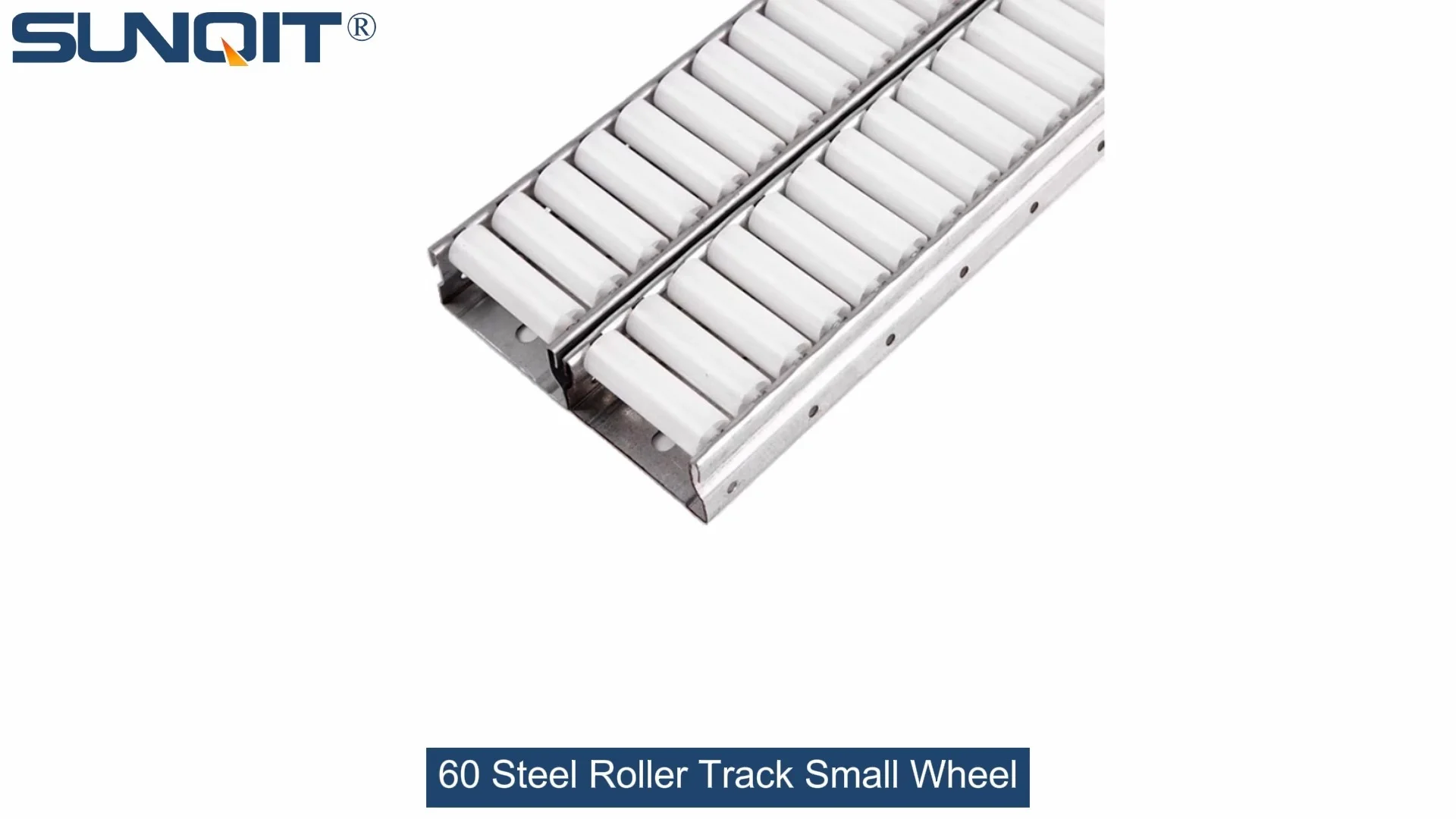
60 Steel Roller Track Small Wheel
Modular system roller tracks aluminum gravity roller tracks are an excellent solution for transporting materials within industrial environments, warehouses and distribution centres.
In manufacturing facilities, every component plays a critical role in keeping production lines running smoothly—especially when it comes to lean systems designed to minimize waste and boost efficiency. Among these components, 60 steel roller track small wheels are workhorses that power flow racks, conveyors, and lean pipe-based storage solutions. However, high-humidity environments (common in regions with tropical climates or facilities near coastal areas) pose unique threats to their performance, leading to unexpected downtime, increased maintenance costs, and disruptions to lean workflows. This article explores the key challenges of high humidity for these wheels and provides actionable strategies to optimize their performance, ensuring your flow racks, conveyors, and lean systems remain reliable and efficient.
1. Understanding 60 Steel Roller Track Small Wheels & Their Role in Manufacturing
60 steel roller track small wheels are compact, durable components designed to facilitate the smooth movement of materials across flow racks, conveyors, and lean pipe structures. Their small diameter makes them ideal for tight spaces, while their steel construction ensures they can handle moderate to heavy loads—critical for industries like 3C assembly, automotive manufacturing, and medical device production (all key application areas for lean systems).
These wheels are integral to several core systems:
- Flow racks: Used to store and transport components in a first-in-first-out (FIFO) manner, reducing waste and improving inventory management.
- Conveyors: Move parts along assembly lines, ensuring consistent flow and reducing manual handling.
- Lean pipe systems: Form the backbone of custom workstations and storage solutions, where roller tracks are often integrated to enhance material accessibility.
In high-humidity environments, these wheels face accelerated wear and tear, which can compromise the entire system's functionality. For example, a rusted wheel in a flow rack can cause components to jam, delaying assembly processes and violating lean principles of continuous flow.
2. Key Challenges of High-Humidity Environments for 60 Steel Roller Track Small Wheels
2.1 Corrosion & Rust Formation
Steel is susceptible to corrosion when exposed to moisture and oxygen. High humidity creates a thin layer of water on the wheel's surface, triggering oxidation (rust). Rust not only damages the wheel's smooth surface but also increases friction between the wheel and track, leading to slower material movement and higher energy consumption. In severe cases, rust can cause wheels to seize up entirely, halting production.
2.2 Lubrication Failure
Lubricants are essential for reducing friction between the wheel's bearing and axle. However, high humidity dilutes or washes away conventional lubricants, leaving the bearing unprotected. This leads to increased metal-to-metal contact, accelerated wear, and noisy operation. Moreover, moisture can mix with residual lubricant to form a gummy substance that clogs the bearing, further impairing performance.
2.3 Material Degradation
While the wheel's core is steel, many models include plastic or rubber components (like seals or bushings) to enhance performance. High humidity can cause these non-metallic materials to swell, crack, or degrade over time. For example, a cracked seal allows moisture to enter the bearing, exacerbating corrosion and lubrication issues.
2.4 Alignment & Tracking Issues
Rust buildup on the wheel's surface or track can cause uneven wear, leading to misalignment. Misaligned wheels may drift off the track, causing materials to jam or fall off—posing safety risks and disrupting production. Additionally, uneven wear reduces the wheel's lifespan, requiring more frequent replacements and increasing costs.
3. Step-by-Step Optimization Strategies
3.1 Enhance Material Protection with Corrosion-Resistant Coatings
The first line of defense against humidity is to protect the steel wheel from moisture. Applying a corrosion-resistant coating creates a barrier between the steel and the environment. Here are effective options:
- Zinc-Nickel Coating: This coating offers superior corrosion resistance compared to traditional zinc plating, withstanding up to 1,000 hours of salt spray testing. It's ideal for wheels exposed to high humidity and occasional water splashes.
- Powder Coating: A durable, polymer-based coating that provides excellent protection against moisture and scratches. It's available in various colors, making it easy to identify different wheel types.
- Passivation: A chemical treatment that forms a thin, protective oxide layer on the steel surface, reducing the risk of rust formation. It's often used in combination with other coatings for added protection.
For example, a 3C assembly plant switched to zinc-nickel coated 60 steel roller track small wheels for their lean pipe-based flow racks, reducing rust-related failures by 40% in six months.
3.2 Optimize Lubrication for High-Humidity Conditions
Choosing the right lubricant and applying it correctly is critical for maintaining wheel performance in high humidity. Here's how to optimize lubrication:
- select Water-Resistant Lubricants: Synthetic lubricants (like lithium complex greases or polyurea-based greases) repel water and resist dilution, making them ideal for high-humidity environments. Avoid petroleum-based lubricants, which tend to wash away easily.
- Adjust Lubrication Frequency: Increase lubrication frequency from monthly to bi-weekly in high-humidity areas. This ensures the bearing remains protected even if some lubricant is washed away.
- Apply Lubricant Properly: Use a precision oiler or grease gun to apply lubricant directly to the bearing, avoiding over-lubrication (which can attract dust and dirt). Wipe off any excess lubricant to prevent buildup.
3.3 Implement Sealing & Enclosure Solutions
Preventing moisture from reaching the wheel's bearing is key to long-term performance. Consider these sealing solutions:
- Bearing Seals: replace standard seals with double-lip rubber seals or labyrinth seals. These seals create a tight barrier against moisture while allowing the wheel to rotate smoothly.
- Track Covers: Install transparent plastic or metal covers over flow racks and conveyors to shield the wheels and tracks from condensation, rain, or splashes. Covers should be easy to remove for maintenance.
- Rubber Gaskets: Add rubber gaskets between the wheel and track frame to prevent moisture from seeping into the mounting area.
3.4 Establish a Proactive Maintenance Schedule
Regular maintenance is essential for catching issues early and preventing costly failures. Below is a maintenance checklist for 60 steel roller track small wheels in high-humidity environments:
| Inspection Item | Frequency | What to Look For | Action if Issue Found |
|---|---|---|---|
| Wheel Surface Corrosion | Weekly | Rust spots, discoloration, or pitting on the wheel surface | Clean the area with a wire brush; apply anti-rust spray or replace the wheel if corrosion is severe |
| Lubrication Level | Bi-weekly | Dry or gummy bearing, unusual noise during rotation | Reapply water-resistant lubricant; clean the bearing if gummy buildup is present |
| Bearing Seals | Monthly | Cracks, tears, or missing seals | replace the seal immediately to prevent moisture ingress |
| Track Alignment | Monthly | Wheels drifting off track, uneven material movement | Adjust track alignment; replace worn wheels if necessary |
| Wheel Rotation Smoothness | Weekly | Stiff rotation, grinding noise, or wobbling | Lubricate the bearing; inspect for rust or debris in the track |
3.5 Control Environmental Humidity
While not always feasible, reducing the humidity level in the facility can significantly extend wheel life. Options include:
- Dehumidifiers: Install industrial dehumidifiers in areas with flow racks and conveyors to maintain humidity levels below 60% (optimal for steel components).
- Ventilation: Improve air circulation using fans or exhaust systems to reduce condensation buildup.
- Insulation: Insulate pipes and walls near production lines to prevent condensation from dripping onto tracks and wheels.
4. Real-World Case Study: Optimizing Wheels in a 3C Assembly Plant
Problem Statement
A 3C assembly plant in a coastal city faced frequent downtime (average 2 hours per week) due to 60 steel roller track small wheel failures in their lean pipe-based flow racks (used for storing smartphone components) and conveyors (used for assembly lines). The high humidity (average 75% RH) caused rust buildup, leading to jammed wheels and misaligned tracks.
Implemented Solutions
The plant adopted the following strategies:
- Replaced existing wheels with zinc-nickel coated 60 steel roller track small wheels.
- Switched to polyurea-based lubricants (water-resistant) and increased lubrication frequency to bi-weekly.
- Installed transparent plastic covers over flow racks and conveyors.
- Launched a weekly maintenance schedule using the checklist above.
Results
After six months, the plant saw significant improvements:
- Downtime reduced by 35% (from 2 hours/week to 1.3 hours/week).
- Wheel replacement frequency cut by 50% (from 8 wheels/month to 4 wheels/month).
- Overall assembly line efficiency increased by 20% due to uninterrupted material flow.
5. Aligning Optimization with Lean System Principles
Optimizing 60 steel roller track small wheels is not just about fixing technical issues—it's about aligning with lean system principles:
- Reduce Waste: Proactive maintenance and corrosion protection minimize downtime (a form of waiting waste) and reduce the need for frequent wheel replacements (overproduction of waste).
- Continuous Improvement: Regular inspections and feedback loops allow you to refine your maintenance schedule and optimization strategies over time, aligning with the lean principle of kaizen.
- Customer Value: Uninterrupted production lines ensure on-time delivery of products, enhancing customer satisfaction and loyalty.
6. Conclusion
60 steel roller track small wheels are critical components of flow racks, conveyors, and lean pipe systems—their performance directly impacts the efficiency of your manufacturing operations. High humidity poses unique challenges, but with the right strategies (corrosion-resistant coatings, optimized lubrication, sealing solutions, proactive maintenance, and environmental control), you can extend their lifespan, reduce downtime, and keep your lean systems running smoothly. By investing in these optimizations, you not only protect your equipment but also reinforce your commitment to lean principles, driving long-term value for your business.