- Company Articles
- Products and Technology
- Procurement Guidelines
- How to Order Customized Aluminum Side Guards for Your Lean Workbench

How to Order Customized Aluminum Side Guards for Your Lean Workbench
Related Product
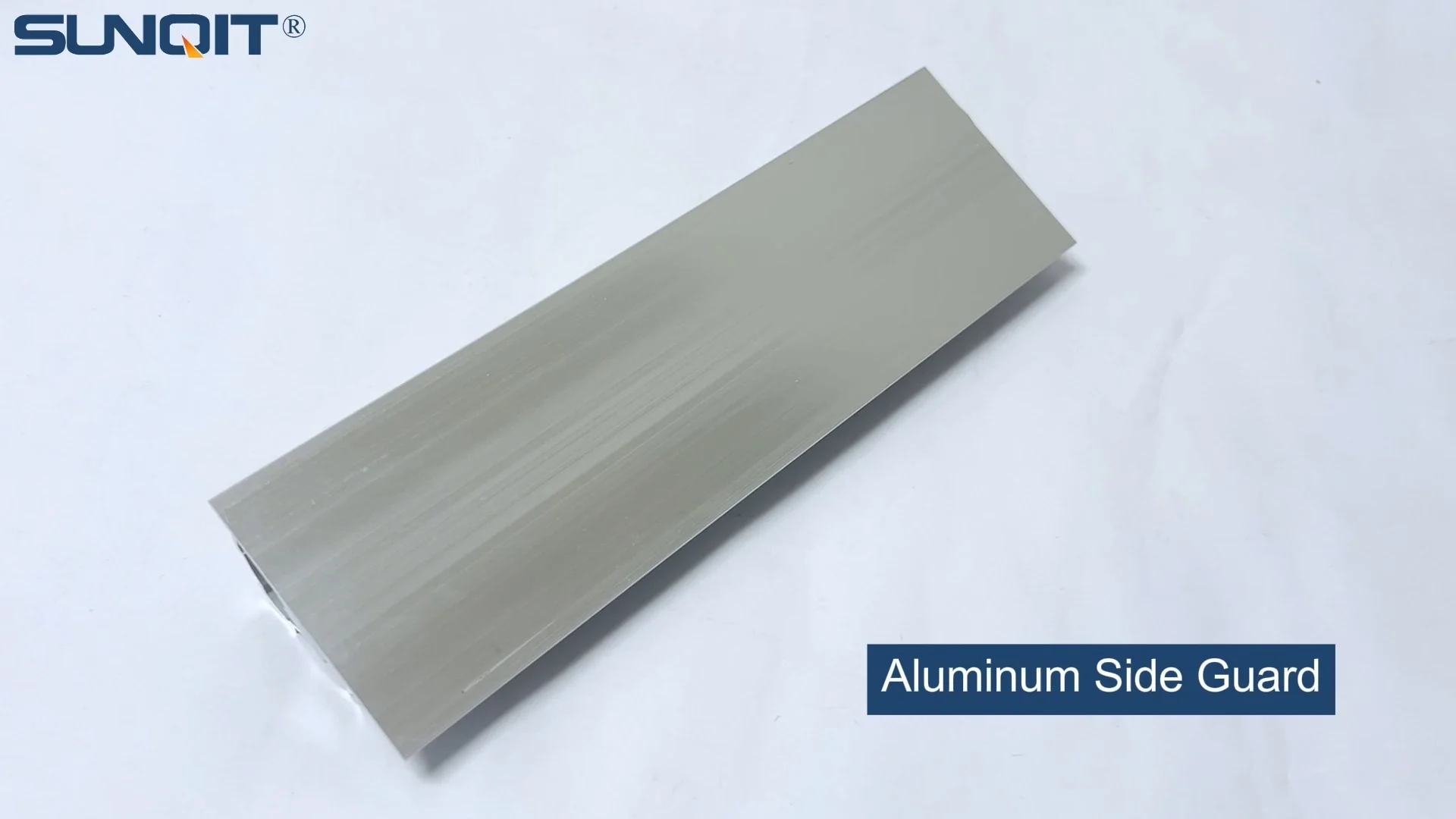
Aluminum Side Guard
Aluminum side guard, it works with a aluminum pipe or a roller track as side guard to prevent material drop,or move to wrong direction.
In the world of manufacturing and assembly, the workbench is more than just a table—it's the heartbeat of productivity. Every tool, every part, and every second spent reaching, searching, or readjusting can make or break a team's efficiency. If you've ever watched a well-oiled production line, you'll notice one thing: order. Parts glide smoothly, tools stay within arm's reach, and there's no wasted motion. But if you've ever walked into a workshop where chaos reigns—parts sliding off edges, tools toppling over, and workers constantly stooping to up dropped items—you know the cost: delayed deadlines, frustrated employees, and compromised quality.
Enter the humble yet mighty aluminum side guard. These unassuming additions to your lean workbench might seem small, but they're a cornerstone of a lean system . Designed to contain parts, guide materials, and protect both your workspace and your team, custom aluminum side guards transform cluttered benches into hubs of precision. But ordering the right ones isn't as simple as picking a size off a shelf. It requires understanding your workflow, choosing the right materials (hello, aluminum lean pipe ), and partnering with a supplier who gets your unique needs.
In this guide, we'll walk you through everything you need to know to order customized aluminum side guards that don't just fit your workbench —they elevate it. From assessing your needs to selecting aluminum profile accessories that enhance functionality, we'll cover the nitty-gritty details that turn a generic solution into a game-changer for your team.
Step 1: Assess Your Workbench Needs—Beyond Just "Fitting"
Before you even think about materials or suppliers, take a step back and observe your workbench in action. What's working? What's not? A side guard that works for a electronics assembly line might be useless for a heavy machinery workshop. Here's how to dig deeper:
Map Your Workflow
Stand at your workbench during a typical shift and watch the flow of materials. Do parts come in from the left and exit to the right? Are workers constantly sliding bins or trays across the surface? Note where items tend to pile up, where they slip off, and where tools are most frequently placed. For example, if your team assembles small circuit boards, you might notice tiny screws rolling off the front edge—this is a prime spot for a low-profile side guard. If you're working with larger components like engine parts, you'll need sturdier guards that can withstand accidental bumps without bending.
Measure Twice, Order Once
It sounds obvious, but inaccurate measurements are the number one reason custom side guards fail. Grab a tape measure and record:
- The length and width of your workbench surface (don't forget to account for overhangs or uneven edges).
- The height of the bench legs—this affects how the guards will attach (e.g., clamping to the frame vs. bolting to the surface).
- Clearance needed for tools or equipment that hang over the edges (e.g., a drill press or soldering iron).
Pro tip: Take photos from multiple angles and share them with your supplier. A picture really is worth a thousand words when explaining odd-shaped workbenches or unique setups.
Consider Weight and Wear
What will your side guards actually be protecting against? If you're working with lightweight plastic parts, a simple aluminum rail might suffice. But if you're handling metal components that weigh 10+ pounds, you'll need guards with reinforced joints and thicker aluminum lean pipe ., if parts are sliding across the guards all day (think conveyor-like workflows), look for options with smooth edges or even integrated roller tracks to reduce friction and wear.
Step 2: Why Aluminum? The Case for Aluminum Lean Pipe and Profile Accessories
You might be thinking, "Why not just use wood or steel for side guards?" While those materials have their place, aluminum—especially aluminum lean pipe —is in a league of its own for workbench applications. Here's why:
The Benefits of Aluminum Lean Pipe for Side Guards
- Lightweight yet strong: Aluminum weighs about 1/3 of steel, making it easy to install and reposition—critical for teams that need to adapt their workbenches for different projects. But don't let the weight fool you: high-grade aluminum can handle heavy loads without bending.
- Corrosion-resistant: Unlike steel, aluminum won't rust when exposed to oils, coolants, or humidity—perfect for workshops where spills happen.
- Clean and professional: Aluminum has a sleek, modern look that fits well in any workspace, from automotive factories to tech labs. It's also easy to clean—just wipe with a damp cloth.
- Compatible with lean principles: Aluminum lean pipe is modular, meaning you can add, remove, or reconfigure guards as your needs change. No need to buy a whole new setup if your workflow shifts—just swap out a few parts.
Aluminum Profile Accessories: The Unsung Heroes of Customization
Your side guards are only as good as the parts that hold them together. That's where aluminum profile accessories come in. These small but essential components turn basic aluminum pipe into a tailored solution. Here are the must-know accessories for side guards:
| Accessory Name | Function | Best For |
|---|---|---|
| Aluminum Guide Rail A | Creates a smooth, raised edge to guide materials and prevent slipping. | Workbenches with high material flow (e.g., assembly lines). |
| 90° Aluminum Pipe Joint Inside Connection | Connects two aluminum pipes at a right angle, ideal for corner guards. | L-shaped workbenches or guarding all four sides. |
| Plastic Roller Track Guide Rail Yellow | Adds small rollers to the guard, allowing materials to slide effortlessly. | Workbenches where parts are pushed from one station to another. |
| Aluminum Pipe Clamp | Secures the guard to the workbench frame or surface without drilling. | Temporary setups or workbenches that can't be modified permanently. |
Pro tip: Mix and match accessories to solve specific problems. For example, if you need guards that can be adjusted for different part heights, pair aluminum lean pipe with adjustable brackets. If noise is an issue (clanging parts hitting metal guards), add rubber edge trim—another handy aluminum profile accessory.

Step 3: Choosing a Supplier—More Than Just a Price Tag
You've mapped your workflow, measured your workbench, and fallen in love with aluminum lean pipe. Now it's time to find a supplier. But not all suppliers are created equal. The right one will feel like a partner—someone who asks questions, offers solutions, and stands behind their products. Here's what to look for:
Experience with Lean Systems
A supplier who specializes in office furniture might not understand the unique demands of a manufacturing lean system . Look for companies that advertise themselves as "lean solution providers" or have case studies featuring workbenches, material racks, or assembly lines. Ask: "What's the most unusual side guard request you've handled?" Their answer will reveal how creative and problem-solving they are.
Customization Capabilities
Avoid suppliers who only offer "one-size-fits-most" options. The best suppliers will let you choose everything from the height and color of the aluminum lean pipe to the type of connectors used. Some even offer 3D modeling or CAD drawings so you can see exactly how the guards will look before ordering. Don't be afraid to ask for samples—holding a piece of aluminum profile or a joint in your hand can help you assess quality.
Turnaround Time and Support
A great design won't matter if your guards arrive weeks late. Ask for a clear timeline, including design approval, manufacturing, and shipping. Also, check their post-purchase support: What if a part is missing or damaged? Do they offer installation help? A supplier who offers phone or video support during installation can save you hours of frustration.

Step 4: The Ordering Process—From Design to Delivery
Now that you've done your homework, it's time to place the order. Here's a step-by-step breakdown of what to expect:
1. Initial Consultation
Share your measurements, workflow notes, and photos with the supplier. Be specific about your pain points: "We lose 10 minutes a day picking up screws that fall off the bench" or "Our current guards bend when we set heavy tools on them." The more details you provide, the better they can tailor the solution.
2. Design Proposal
The supplier will send a design proposal, which may include drawings, a list of materials (e.g., "2m aluminum lean pipe, 4x 90° inside joints"), and a quote. Review this carefully: Are all measurements correct? Do the aluminum profile accessories match what you discussed? If something looks off, ask for revisions—this is much easier to fix now than after production.
3. Production and Quality Check
Once you approve the design, the supplier will start manufacturing. A good supplier will send photos of the finished guards before shipping, so you can confirm they meet your expectations. Look for clean welds (if applicable), smooth edges, and properly assembled accessories.
4. Delivery and Installation
When the guards arrive, inspect them immediately for damage. Most suppliers will include an installation guide with step-by-step instructions and a list of tools needed (usually a hex key or wrench for aluminum profile accessories). If you're unsure about anything, reach out to their support team. Pro tip: Have your team help with installation—they'll feel more invested in maintaining the new setup.
Step 5: Maintenance—Keeping Your Guards in Top Shape
Aluminum side guards are built to last, but they still need a little TLC to stay effective. Here's how to maintain them:
- Clean regularly: Wipe down guards with a mild detergent to remove grease, dust, or debris. Avoid abrasive cleaners that can scratch the aluminum.
- Tighten joints: Over time, vibrations from the workbench can loosen screws or connectors. Check joints monthly and tighten as needed.
- replace worn parts: If a roller track starts sticking or a bracket bends, replace it immediately. Most suppliers sell replacement aluminum profile accessories individually, so you don't have to buy a whole new guard.
- Reconfigure as needed: As your workflow changes, don't be afraid to move or modify the guards. That's the beauty of aluminum lean pipe—its modular design makes adaptation easy.
Real-World Success: How Custom Aluminum Side Guards Transformed a Small Workshop
Let's wrap up with a story about a client we worked with—a small automotive parts manufacturer in Ohio. Their team of 10 struggled with a simple problem: small metal brackets kept sliding off their workbenches, causing delays and occasional injuries. They'd tried wooden rails (too heavy), plastic guards (too flimsy), and even duct tape (messy and temporary).
After assessing their workflow, we recommended custom side guards made from 20mm aluminum lean pipe, paired with Aluminum Guide Rail A and plastic roller track guide rails (yellow, to match their company colors). The guards were 4 inches high—tall enough to contain the brackets but low enough to not interfere with tool access. We also added adjustable feet to account for their slightly uneven workshop floor.
The result? Within a week, the team reported zero dropped parts and a 15% increase in daily output. "It sounds silly, but not having to stop and up brackets all day has made a huge difference," their production manager told us. "Plus, the aluminum looks great—our clients even comment on how organized our shop is now."
Conclusion: Your Workbench Deserves the Best
Ordering customized aluminum side guards for your lean workbench isn't just about adding a few rails—it's about investing in your team's efficiency, safety, and pride. By taking the time to assess your needs, choosing the right materials (aluminum lean pipe and aluminum profile accessories), and partnering with a supplier who understands lean systems, you'll create a workspace that works for your team, not against them.
Remember: The best side guards are the ones you barely notice—because they're too busy making your workflow smoother, your team happier, and your bottom line healthier. So grab that tape measure, snap some photos, and start the conversation with a supplier today. Your workbench (and your team) will thank you.