- Company Articles
- Products and Technology
- Installation And Maintenance
- How to Prevent Castor Fixed Plate Corrosion in Marine Factories

How to Prevent Castor Fixed Plate Corrosion in Marine Factories
Related Product
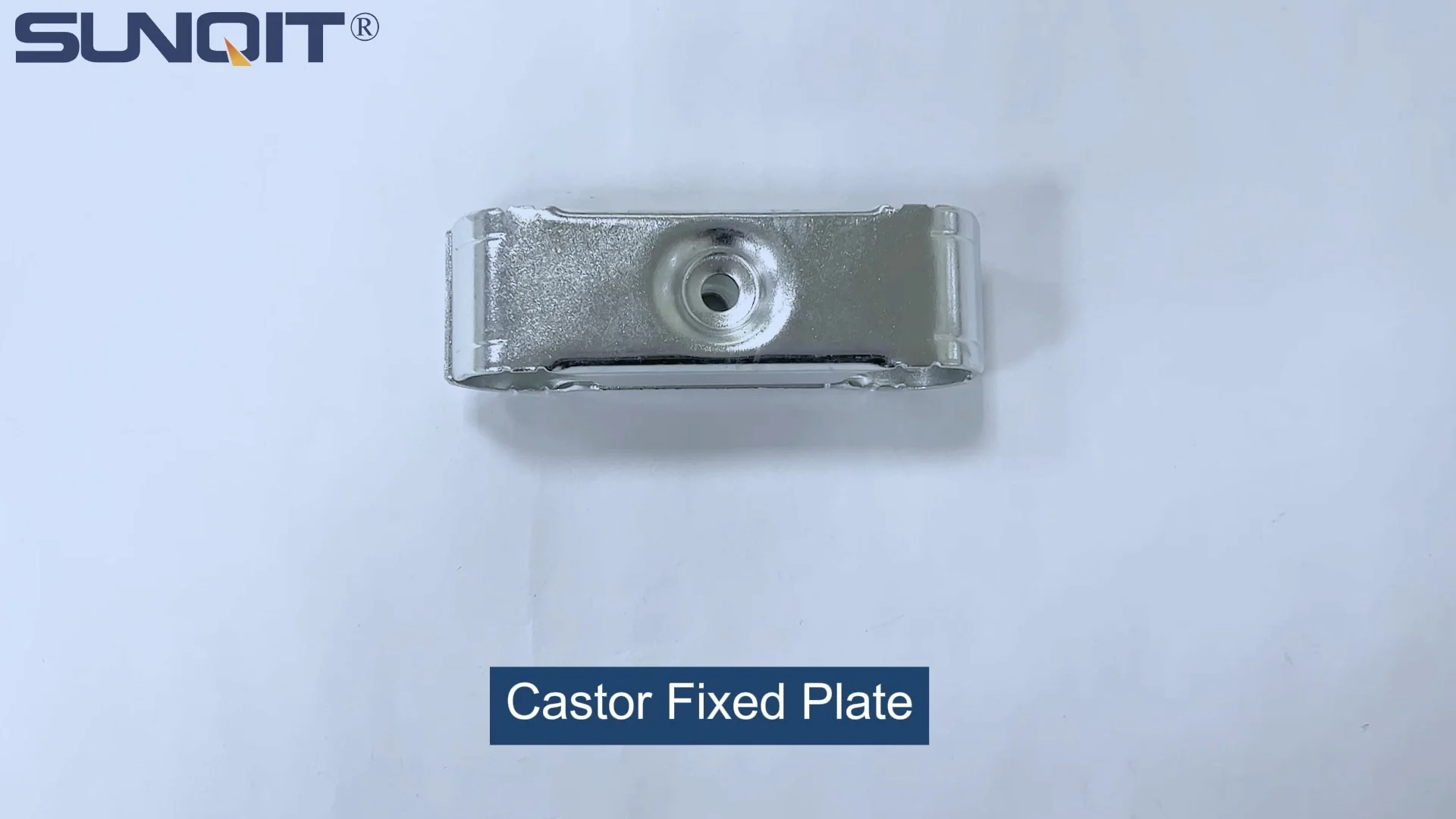
Castor Fixed Plate
Castor fixed plate, used for castor installation, one castor need two pcs castor plate to fix under the workbench, flow rack, and hand trolley.
Imagine walking through the bustling floor of a marine factory—rows of workbenches, turnover trolleys gliding smoothly, and conveyor systems moving parts like clockwork. Now, picture one of those trolleys suddenly jamming, its wheel tilting awkwardly. A quick inspection reveals the culprit: a rusted, corroded castor fixed plate. It's a small component, but when it fails, production halts, deadlines slip, and frustration mounts. In marine factories, where saltwater air, humidity, and chemical exposure are daily realities, castor fixed plates face an uphill battle against corrosion. But with the right strategies, this battle is winnable. Let's dive into why corrosion happens, how to stop it, and why your factory's bottom line depends on it.
Understanding the Marine Factory: A Corrosion Hotspot
Marine factories aren't just any industrial settings—they're corrosion's playground. Located near coastlines or handling saltwater-exposed components, these environments are saturated with factors that speed up metal degradation. Let's break down the villains:
- Salt Spray: The ocean breeze carries microscopic salt particles that settle on metal surfaces. When mixed with moisture, salt becomes an electrolyte, triggering electrochemical reactions that eat away at steel.
- High Humidity: Marine air hovers at 70-90% humidity year-round. Moisture clings to crevices in castor fixed plates, creating a breeding ground for rust.
- Chemical Exposure: Cleaning agents, lubricants, and even residues from manufacturing processes (like paints or solvents) can strip protective coatings or react with metal, accelerating corrosion.
- Mechanical Stress: Trolleys and equipment in marine factories are often loaded to capacity, putting extra pressure on castor fixed plates. Cracks from stress create entry points for moisture and salt.
In such an environment, a castor fixed plate that lasts 5 years in a dry inland factory might fail in just 6-12 months. But why does this small plate matter so much? Let's start by understanding its role.
What Is a Castor Fixed Plate, Anyway?
If casters are the "feet" of your factory equipment, the castor fixed plate is the "ankle" that holds everything together. It's the flat metal bracket that connects the caster wheel to the bottom of a trolley, workbench, or rack. Its job? Distribute the weight of the equipment and its load evenly, keep the caster aligned, and prevent wobbling or detachment. Without a sturdy, corrosion-free castor fixed plate, even the best caster wheel becomes useless—imagine trying to walk with a broken ankle.
In marine factories, where equipment like turnover trolleys and material racks are constantly on the move, the castor fixed plate takes a beating. It's exposed to splashes, salt mist, and the constant vibration of machinery. Over time, these forces chip away at its integrity—unless we step in to protect it.

Why Do Castor Fixed Plates Corrode in Marine Factories?
Corrosion isn't just "rust"—it's a chemical reaction. When metal (like the steel in many castor fixed plates) is exposed to oxygen and moisture, it forms iron oxide (rust). In marine environments, this process gets supercharged. Here's why:
1. Saltwater: The Silent Accelerator
Salt (sodium chloride) is a catalyst for corrosion. When saltwater droplets land on a castor fixed plate, they dissolve into sodium and chloride ions. These ions act as conductors, speeding up the flow of electrons between the metal and oxygen. The result? Rust forms faster, and deeper, than in freshwater or dry environments. Even salt in the air (salt spray) can settle on surfaces and draw moisture from the humidity, creating a corrosive film.
2. Trapped Moisture: The Hidden Enemy
Castor fixed plates often have crevices—where they bolt to the trolley, around welds, or between the plate and caster housing. These tight spaces trap moisture, creating "pockets" where corrosion thrives. In marine factories, high humidity means these pockets rarely dry out. Over time, the trapped water eats through protective coatings and attacks the metal directly.
3. Galvanic Corrosion: When Metals Clash
Many factories use a mix of metals: aluminum profile for racks, steel for trolleys, brass for fasteners. When two dissimilar metals touch in the presence of an electrolyte (like saltwater), they create a battery. The less "noble" metal (like steel) corrodes to protect the more "noble" one (like aluminum). If your castor fixed plate is steel and the trolley frame is aluminum, guess which one starts to rust first? This is galvanic corrosion, and it's a common issue in marine settings where metal combinations are unavoidable.
4. Mechanical Damage: Cracks in the Armor
Even the best protective coatings can get scratched. A bump from a forklift, a dropped tool, or the constant vibration of a moving trolley can chip paint or plating on a castor fixed plate. Once the metal is exposed, corrosion takes hold. In marine factories, where equipment is often used heavily and moved frequently, this damage is almost inevitable—unless we plan for it.

The Solution: 5 Strategies to Stop Castor Fixed Plate Corrosion
Corrosion might be aggressive, but it's not unbeatable. By combining smart material choices, protective coatings, design tweaks, and regular maintenance, you can extend the life of your castor fixed plates from months to years. Let's break down the steps.
1. Choose the Right Material: Stainless Steel Pipe Series vs. Aluminum Profile
The first line of defense is the material itself. Not all metals corrode equally—and some are practically marine-proof. Let's compare the top options:
| Material Type | Corrosion Resistance | Cost | Best For |
|---|---|---|---|
|
Stainless Steel (316 Grade)
(Part of stainless steel pipe series) |
Excellent—contains molybdenum, which resists saltwater pitting. | Higher upfront cost, but long-term savings. | Heavy-duty equipment (e.g., loaded turnover trolleys, material racks) in direct salt spray zones. |
| Aluminum Profile | Good—forms a protective oxide layer, but less durable than 316 stainless steel. | Moderate—lighter than steel, so lower shipping costs. | Lightweight equipment (e.g., workbenches, small trolleys) in low-chemical areas. |
| Galvanized Steel | Fair—zinc coating offers protection, but scratches expose steel. | Low upfront cost, but frequent replacements needed. | Temporary setups or low-budget projects (not recommended for long-term marine use). |
For marine factories, stainless steel pipe series (specifically 316-grade) is the gold standard. Unlike 304 stainless steel (which works well in dry environments), 316 contains molybdenum, a metal that creates a stronger barrier against saltwater corrosion. It's pricier than galvanized steel, but think of it as an investment: a 316 stainless steel castor fixed plate can last 5-7 years in marine conditions, while a galvanized one might need replacing every 6-12 months. When paired with aluminum profile accessories (like trolley frames), ensure both are compatible to avoid galvanic corrosion—opt for stainless steel fasteners or insulators if mixing metals.
2. Add a Protective Coating (Even to Stainless Steel)
Stainless steel is tough, but no material is invincible. Adding a protective coating adds a second layer of defense. Here are the best options for marine factories:
- Epoxy Coatings: These thick, durable paints create a barrier against moisture and chemicals. Look for marine-grade epoxies (designed for boats) that resist salt spray and UV rays.
- Zinc Plating: For steel plates, zinc plating (galvanization) works by sacrificing itself—zinc corrodes first, protecting the steel underneath. It's affordable but needs reapplication if scratched.
- PTFE (Teflon) Coatings: These non-stick, chemical-resistant coatings repel water and salt. They're ideal for plates exposed to cleaning agents or oily residues.
Pro tip: Before coating, blast the castor fixed plate with sand or grit to remove any existing rust or debris. A clean surface ensures the coating adheres better and lasts longer.
3. Design for Drainage and Ventilation
Moisture trapped in crevices is corrosion's best friend. So, design your castor fixed plates to let water escape. How? Add small drainage holes in the base of the plate to let rain or cleaning water run off. Avoid sharp corners or tight angles where moisture can pool—opt for rounded edges instead. When installing the plate, use spacers to create a small gap between the plate and the trolley frame, allowing air to circulate and dry the surface.
Even better: Use adjustable leveling feet on your equipment. These small, threaded feet lift the trolley slightly off the ground, preventing water from pooling under the castor fixed plate. They also help keep the equipment stable on uneven floors, reducing stress on the plate and minimizing cracks in coatings.
4. Seal the Edges with Plastic Pipe End Caps
Many castor fixed plates are attached to metal pipes or tubes (like those in a turnover trolley's frame). If those pipes are open at the ends, moisture and salt can seep inside, corroding the interior and spreading to the fixed plate. The fix? Plastic pipe end caps . These simple, inexpensive caps snap or screw onto pipe ends, blocking water and debris from entering. They're available in sizes to fit most standard pipes and are resistant to salt and chemicals—perfect for marine factories.
For extra protection, apply a bead of marine-grade silicone sealant around the cap before installing it. This creates a watertight barrier that even the saltiest air can't penetrate.
5. Implement a Regular Maintenance Routine
Even the best materials and designs need a little TLC. In marine factories, a proactive maintenance schedule can catch corrosion early, before it leads to failure. Here's what to include:
- Weekly Inspections: Walk the factory floor and check castor fixed plates for rust, scratches, or loose bolts. Pay extra attention to areas near saltwater tanks or outdoor loading docks.
- Monthly Cleaning: Hose down equipment (gently!) with fresh water to rinse off salt and grime. For tough spots, use a mild, non-abrasive cleaner—avoid harsh chemicals that can damage coatings.
- Quarterly Touch-Ups: Sand down small rust spots and apply a fresh coat of epoxy or zinc-rich paint. replace plastic pipe end caps that are cracked or missing.
- Annual Replacements: Even with care, some plates will wear out. Plan to replace heavily used castor fixed plates (like those on high-traffic trolleys) every 2-3 years, or sooner if signs of severe corrosion appear.

Real-World Results: A Marine Factory's Success Story
Let's put these strategies into context with a real example. Coastal Marine Works, a factory in Florida that manufactures boat parts, was struggling with castor fixed plate corrosion. Their turnover trolleys were breaking down every 8 months, costing $5,000 annually in replacements and downtime. After consulting with a materials expert, they made three changes:
- Switched from galvanized steel castor fixed plates to 316 stainless steel pipe series plates.
- Added marine-grade epoxy coatings and plastic pipe end caps to all trolley frames.
- Trained their maintenance team to inspect plates weekly and clean them monthly with fresh water.
The results? After two years, not a single castor fixed plate had failed. Downtime due to trolley issues dropped by 90%, and the factory saved over $12,000 in replacement costs. As maintenance supervisor Maria Gonzalez put it: "We used to see rust within weeks. Now, the plates still look new. It's amazing what a little planning can do."
Conclusion: Protect Your Plates, Protect Your Production
In marine factories, castor fixed plates are the unsung heroes of smooth operations. They might be small, but their role in keeping equipment moving and production on track is huge. By choosing corrosion-resistant materials like stainless steel pipe series, adding protective coatings, designing for drainage, using plastic pipe end caps, and sticking to a maintenance routine, you can stop corrosion in its tracks.
Remember: Corrosion prevention isn't just about saving money on replacements—it's about keeping your team safe, meeting deadlines, and maintaining the reputation of your factory. So the next time you walk through your facility, take a closer look at those castor fixed plates. A little attention today could mean a lot less frustration tomorrow.