- Company Articles
- Products and Technology
- Installation And Maintenance
- How to Prevent Castor Install Base Corrosion in Humid Manufacturing Environments

How to Prevent Castor Install Base Corrosion in Humid Manufacturing Environments
Related Product
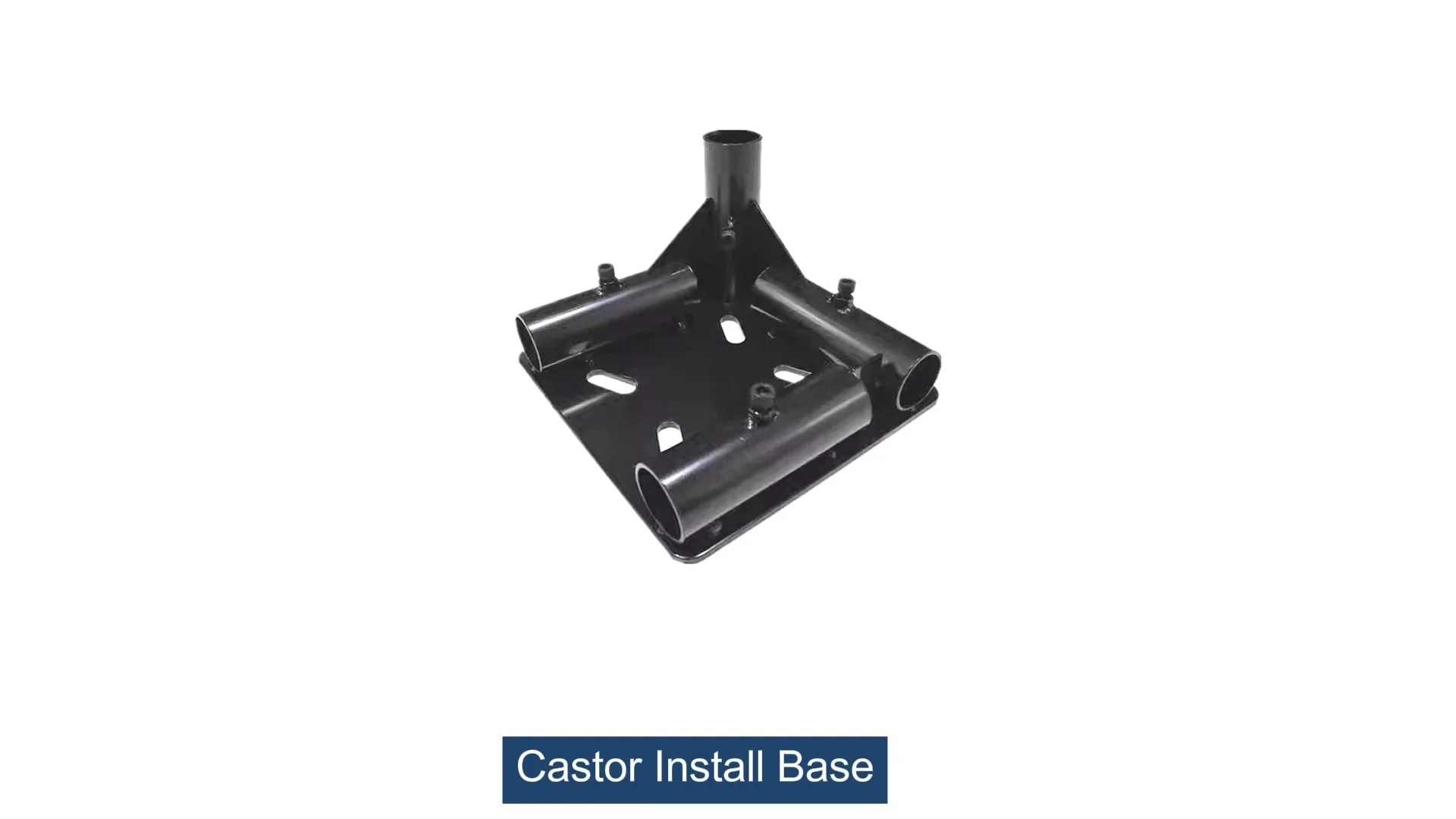
Castor Install Base
Castor install base, used for connection between pipe and castor, it can connect 4 pcs pipe by 1 pcs castor base, to make the structure strong and stable.
Walk into any manufacturing facility, and you'll quickly notice the unsung heroes keeping operations moving: casters. These small but mighty components allow workbenches, material racks, and turnover trolleys to glide smoothly across floors, streamlining workflows and boosting productivity. But beneath every caster lies a critical component that often flies under the radar: the castor install base. This unassuming part anchors the caster to the equipment, bearing the weight of heavy loads and ensuring stability during movement. In humid manufacturing environments, however, this base becomes a prime target for corrosion—and if left unchecked, the consequences can ripple through your entire operation.
Humidity, that invisible enemy of metal components, thrives in facilities where temperature fluctuations, condensation, or exposure to moisture (from cleaning routines, spills, or even ambient air) are common. When metal surfaces are repeatedly exposed to moisture, a chemical reaction begins: iron in the metal reacts with oxygen and water to form iron oxide, better known as rust. For castor install bases, this isn't just a cosmetic issue. Corrosion weakens the base's structural integrity, leading to wobbly equipment, stuck casters, and even safety hazards. Over time, it can force premature replacements, inflate maintenance costs, and disrupt production schedules. The good news? With the right strategies, you can protect your castor install bases and keep your facility running smoothly—even in the dampest conditions.
Understanding the Enemy: Why Humidity Wreaks Havoc on Castor Install Bases
To effectively prevent corrosion, it helps to first understand how humidity accelerates it. In dry environments, metal surfaces might develop a thin layer of rust over months or years, but in humid settings, this process speeds up dramatically. Here's why:
- Condensation: When warm, moist air comes into contact with cooler metal surfaces (like a castor install base near an air-conditioned unit or a cold concrete floor), condensation forms. This water sits on the metal, kickstarting the rusting process.
- Chemical Amplifiers: Humid air often carries contaminants—like oils, cleaning agents, or industrial fumes—that act as electrolytes, speeding up the corrosion reaction. Even trace amounts of salt (common in coastal facilities or areas with de-icing salts) can turn moisture into a corrosive cocktail.
- Hidden Moisture Traps: Castor install bases are often tucked into tight spaces, with crevices or gaps where water can pool. Bolts, welds, or joints in the base create tiny pockets where moisture lingers, even after the surface dries, allowing corrosion to spread unseen.
The impact of this corrosion isn't limited to the base itself. A weakened install base can cause casters to tilt, putting uneven stress on wheels and bearings. This leads to noisy, jerky movement, increased wear on caster and accessories, and even damage to your facility's floors. In worst-case scenarios, a corroded base might fail entirely, causing equipment to tip over and risking injury to workers or damage to products. For lean manufacturing operations, where efficiency and reliability are paramount, this is a risk you can't afford to take.
3 Key Strategies to Protect Castor Install Bases from Corrosion
Preventing castor install base corrosion isn't about one single fix—it's a combination of smart material choices, protective measures, and proactive maintenance. Let's break down the most effective strategies, tailored to the unique challenges of humid environments.
1. Choose Corrosion-Resistant Materials from the Start
The first line of defense against corrosion is selecting the right material for your castor install bases. While traditional carbon steel bases are cheap and strong, they're highly susceptible to rust in humid conditions. Instead, opt for materials engineered to stand up to moisture. Here are three top contenders:
| Material | Corrosion Resistance | Key Benefits | Best For |
|---|---|---|---|
| Stainless Steel Pipe Series | Excellent (Grade 304 resists most moisture; Grade 316 handles saltwater/chemicals) | Forms a self-healing chromium oxide layer that blocks moisture; durable and easy to clean | Food processing, pharmaceutical, or coastal facilities with high humidity and chemical exposure |
| Aluminum Profile | Very Good (Naturally forms a protective aluminum oxide layer) | Lightweight, rust-proof, and compatible with lean pipe workbench setups; affordable for most budgets | General manufacturing, electronics, or facilities where weight and maneuverability matter |
| Galvanized Steel | Good (Zinc coating acts as a sacrificial barrier) | Cost-effective; works well for indoor use with moderate humidity | Warehouses or assembly lines with controlled humidity and minimal chemical exposure |
For example, stainless steel pipe series bases are a staple in food and beverage plants, where daily washdowns with water and sanitizers create a hyper-humid environment. The chromium in stainless steel reacts with oxygen to form a thin, invisible layer that repairs itself if scratched, preventing moisture from reaching the underlying metal. Aluminum profile bases, on the other hand, are ideal for lean pipe workbench setups in electronics manufacturing. Not only are they resistant to rust, but their lightweight design makes it easy to reconfigure workstations—all while withstanding the occasional spill or humid air from HVAC systems.
2. Add a Protective Barrier: Coatings and Treatments
Even with corrosion-resistant materials, an extra layer of protection can extend the life of your castor install bases. Protective coatings act as a shield, blocking moisture and contaminants from reaching the metal surface. Here are the most effective options for humid environments:
Powder Coating: This dry finishing process involves applying a fine powder (usually polyester or epoxy) to the base, then curing it under heat to form a hard, durable layer. Powder coatings are thick (2-4 mils), resistant to chipping and scratching, and available in a range of colors—making them both functional and easy to spot-check for damage. They're particularly useful for aluminum or steel bases in facilities where aesthetics matter, like customer-facing assembly lines.
Zinc Plating: For steel bases, zinc plating adds a thin layer of zinc that acts as a sacrificial anode. Instead of the steel corroding, the zinc does—slowly, and in a way that doesn't compromise the base's structure. This is a budget-friendly option for indoor use, though it may need reapplication every 2-3 years in high humidity.
Epoxy Coatings: Epoxy is a two-part resin that cures into a tough, chemical-resistant barrier. It's ideal for bases exposed to harsh cleaning agents or industrial chemicals, as it resists peeling and blistering even when wet. Just note: epoxy can be brittle if applied too thickly, so it's best for bases that don't flex under load.
3. Design for Drainage and Ventilation: Keep Moisture at Bay
Sometimes, the best defense is a good offense—and that means designing your equipment to minimize moisture buildup in the first place. When specifying or building workbenches, material racks, or trolleys, pay attention to the castor install base's design. Here's how to make it moisture-resistant:
- Sloped Surfaces: Opt for bases with a slight slope (1-2 degrees) so water runs off instead of pooling. This is especially critical for equipment used in wet areas, like near washing stations or outdoor loading docks.
- Open Designs: Avoid enclosed or box-like bases that trap moisture. Instead, use open-frame designs with gaps between components to allow air circulation. For example, a base made with aluminum lean pipe and joints creates natural spaces for air to flow, drying out moisture quickly.
- Sealed Joints: Where components meet (like where the base attaches to the workbench leg), use gaskets or sealants to prevent water from seeping into cracks. Silicone-based sealants work well here—they're flexible, waterproof, and resistant to temperature changes.

Proactive Maintenance: The Secret to Long-Term Protection
Even the best materials and designs need a little TLC to stay corrosion-free. In humid environments, regular maintenance isn't optional—it's essential. Here's a simple routine to keep your castor install bases in top shape:
Weekly Inspections
Set aside 10-15 minutes each week to inspect a rotating set of equipment. Look for signs of corrosion: red or orange rust spots, flaking paint/coating, or pitting (small holes in the metal). Pay extra attention to hidden areas, like under the base or around bolt heads—these are where moisture loves to hide. If you spot early signs, address them immediately: scrub off light rust with a wire brush, then apply a touch-up coating (like a rust-inhibiting spray paint) to seal the area.
Monthly Cleaning
Dirt, grease, and grime act like sponges, trapping moisture against the base. Once a month, give your castor install bases a thorough cleaning. Use a mild detergent and a soft brush to remove buildup, then rinse with clean water and dry completely with a cloth. For stainless steel bases, a quick wipe with a vinegar solution (1 part vinegar to 3 parts water) can help dissolve mineral deposits from hard water, keeping the surface smooth and less prone to trapping moisture.
Quarterly Lubrication
Lubrication isn't just for casters—it also protects the bolts and moving parts of the install base. Every three months, apply a corrosion-inhibiting lubricant (like WD-40 Specialist Long-Term Corrosion Inhibitor) to bolt threads and joints. This creates a protective film that repels water and prevents seizing. Avoid using oil-based lubricants, though—they can attract dirt and make the problem worse.
Annual Overhaul
Once a year, take a deeper dive: remove the casters from the base, inspect the mounting holes for signs of wear or corrosion, and replace any damaged bolts or fasteners with stainless steel alternatives. If the base's coating is heavily chipped or worn, consider refinishing it (sandblast and reapply powder coating or epoxy) to extend its life by 3-5 years.

Real-World Success: How One Facility Beat Humidity with Stainless Steel and Lean Design
Let's look at a case study to see these strategies in action. A mid-sized electronics manufacturer in Florida was struggling with frequent castor install base failures. The facility, located near the coast, had high humidity (often 75%+ in summer) and used water-based cleaning solutions daily to maintain ESD compliance—creating the perfect storm for corrosion. Their original carbon steel bases were rusting within 6 months, leading to wobbly workbenches and a backlog of repairs.
The solution? They switched to castor install bases made from stainless steel pipe series (Grade 304) and paired them with aluminum profile workbenches. The stainless steel bases resisted rust even when splashed with cleaning solution, while the aluminum workbench frames added lightweight durability. They also redesigned the bases with sloped surfaces and open joints to improve drainage, and implemented a weekly wipe-down with a vinegar solution to prevent mineral buildup. The result? Castor install base lifespans increased from 6 months to 5+ years, maintenance costs dropped by 40%, and production disruptions due to equipment issues became a thing of the past.

Conclusion: Invest in Protection, Reap the Rewards
Castor install bases may be small, but their impact on your manufacturing operation is huge. In humid environments, ignoring their care is a recipe for downtime, safety risks, and unnecessary expenses. By choosing corrosion-resistant materials like stainless steel pipe series or aluminum profile, adding protective coatings, designing for drainage, and sticking to a proactive maintenance routine, you can keep these critical components strong and reliable for years to come.
Remember: corrosion prevention isn't a one-time cost—it's an investment in your facility's efficiency and longevity. Whether you're outfitting a new lean pipe workbench or upgrading existing equipment, prioritizing your castor install bases will pay off in smoother workflows, lower maintenance bills, and a safer, more productive workplace. After all, in manufacturing, every detail counts—and the best operations know that even the smallest parts deserve big attention.