- Company Articles
- Products and Technology
- Installation And Maintenance
- How to Prevent Chrome Peeling on Two Way Lean Pipe Joints: Expert Advice

How to Prevent Chrome Peeling on Two Way Lean Pipe Joints: Expert Advice
Related Product
Two Way Lean Pipe Joint
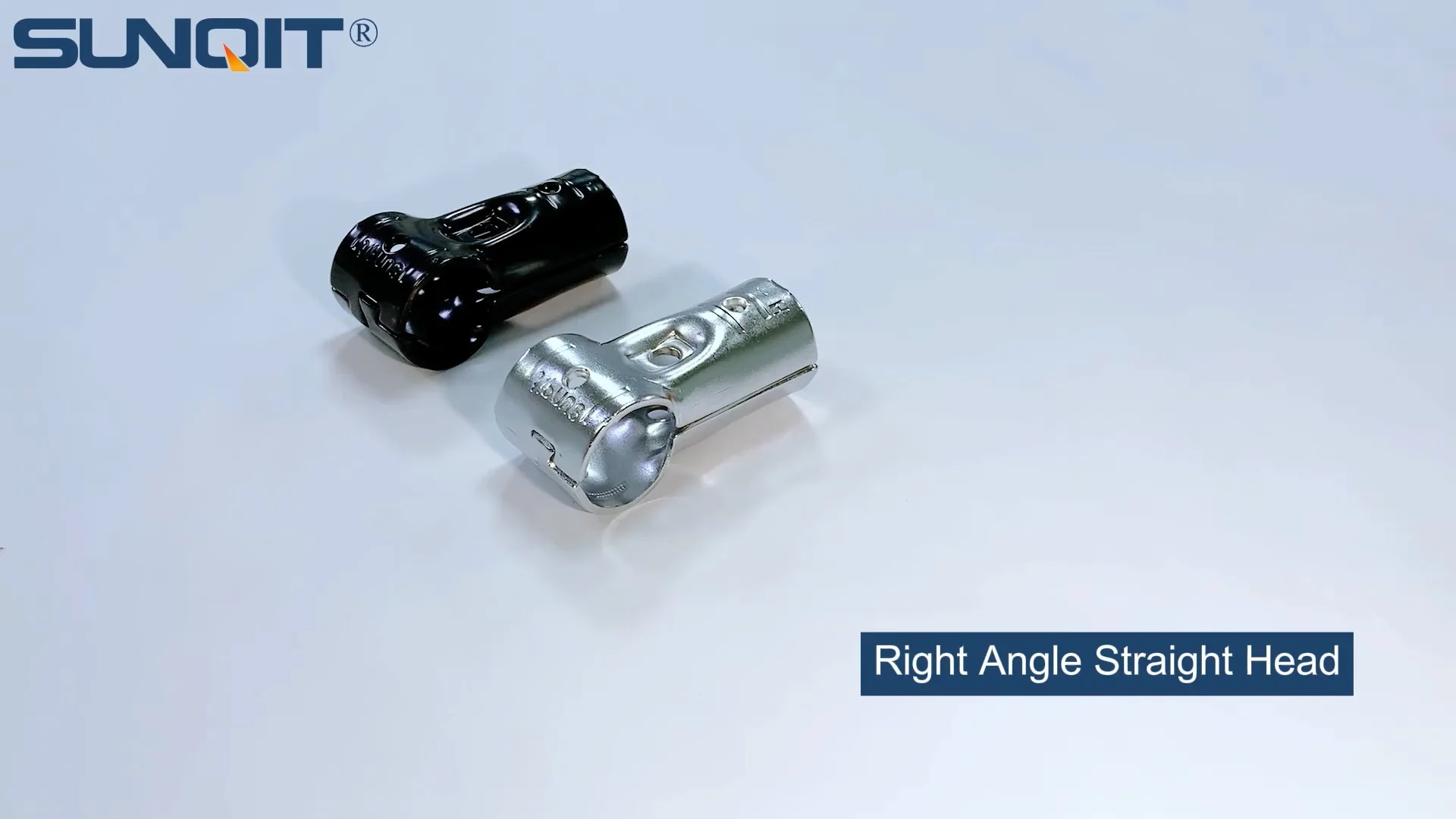
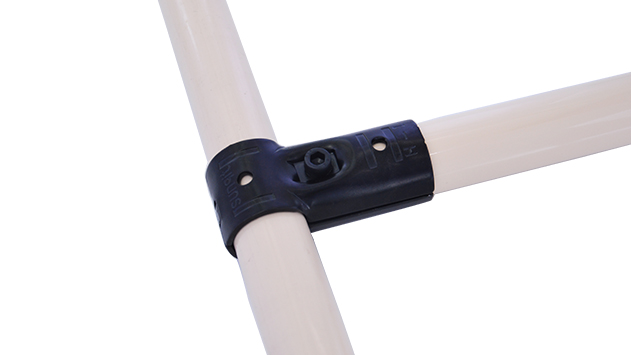
Two way lean pipe joint for 2 pcs 28MM lean pipe connection in straight angle, which used widely in workbench, flow rack, hand trolley frame connection.
It's a typical Monday morning on the factory floor. You're doing your usual walkthrough, checking in on the assembly lines, when you spot something off. Near the back corner, where the lean pipe workbench meets the material rack, there's a small glint of silver on the concrete. Bending down, you pick it up—a tiny flake of chrome. Looking up, you trace the source: one of the two way lean pipe joint chrome connectors holding the structure together has a visible chip, and the edges around it look rough, like more flakes might peel off any second. If you've ever dealt with this, you know the sinking feeling. Those joints are the backbone of your lean system—they hold up workbenches, support flow racks, and keep turnover trolleys stable. When their chrome starts peeling, it's not just an eyesore. It's a warning sign: your system might be weakening, safety could be compromised, and before you know it, you're looking at costly replacements or, worse, downtime. But here's the good news: chrome peeling on two way lean pipe joints isn't inevitable. With the right knowledge and proactive steps, you can prevent it from happening in the first place. In this guide, we're diving deep into the why behind chrome peeling, sharing expert tips to keep your joints strong and shiny, and even walking through a simple maintenance routine that'll extend their lifespan. Whether you're a production manager, a facility owner, or just someone who takes pride in keeping their lean system running smoothly, this is the advice you need to protect your investment—and your peace of mind.
Why Chrome Peeling Matters: More Than Just a Cosmetic Issue
Before we get into how to prevent chrome peeling, let's talk about why it's worth caring about. At first glance, a little flaking chrome might seem like no big deal—after all, the joint still holds, right? But in the world of lean manufacturing, where every detail impacts efficiency, safety, and cost, even small issues can snowball. For starters, chrome plating isn't just for looks. It's a protective layer that shields the underlying metal (usually steel) from corrosion, scratches, and wear. When that layer peels, the raw metal is exposed to moisture, chemicals, and friction. Over time, that leads to rust. And rust doesn't just weaken the joint—it can spread, making the entire structure wobbly. Imagine a workbench that shifts when an operator leans on it, or a flow rack that sags under the weight of materials. Suddenly, you're looking at damaged products, slowed workflows, or even workplace accidents. Then there's the cost factor. A single two way lean pipe joint might not cost much on its own, but replace a dozen of them across your facility, and the numbers add up. Multiply that by the labor hours spent taking apart and rebuilding sections of your lean system, and you're looking at a significant hit to your budget. And if peeling leads to a full system failure? The downtime alone could derail production schedules and eat into profits. Finally, there's the impact on your team. When equipment looks worn or neglected, it sends a message that details don't matter. But when your lean system is well-maintained—with joints that shine and structures that feel solid—it boosts morale. Operators feel confident in their workspace, and that confidence translates to better focus, fewer mistakes, and a stronger commitment to keeping things running smoothly. So, in short: preventing chrome peeling isn't just about keeping your lean system looking good. It's about protecting your team, your bottom line, and the efficiency that makes lean manufacturing work.
The Science Behind Chrome Peeling: Why Do Two Way Lean Pipe Joints Fail?
To stop chrome peeling, you first need to understand why it happens. Chrome plating is a multi-step process: the base metal is cleaned, coated with a layer of nickel (to improve adhesion), then electroplated with chromium. When done right, this creates a hard, durable finish. But several factors can break down that bond, causing the chrome to lift and flake off. Let's break down the most common culprits, based on insights from lean pipe suppliers and material science experts.
1. Poor Plating Quality: Cutting Corners in Manufacturing
Not all two way lean pipe joint chrome connectors are created equal. Some manufacturers skip critical steps in the plating process to save time or money. Maybe they rush the cleaning phase, leaving oil, rust, or debris on the base metal. Or they skimp on the nickel underlayer, which acts as a "glue" between the steel and chrome. Without that strong bond, the chrome is essentially sitting on a weak foundation—sooner or later, it'll start to peel. How can you spot this? joints with uneven plating (dull spots, bubbles, or discoloration right out of the box) are red flags. If you've ever bought a batch of joints that started peeling within months of installation, poor plating quality is likely the culprit.
2. Mechanical Stress: Overloading or Misalignment
Lean pipe joints are designed to handle specific weight limits, but they're not indestructible. If you overload a structure—say, piling too much inventory on a flow rack supported by two way joints—the constant stress can flex the metal. Over time, this flexing weakens the bond between the chrome and the base metal. The same goes for misalignment: if a joint is forced into a position it wasn't designed for (like bending a straight joint to fit a wobbly frame), the stress concentrates in one spot, causing the chrome to crack and peel. Think of it like a paperclip: bend it once, and it's fine. Bend it back and forth repeatedly, and it snaps. Your joints work the same way—constant stress, whether from overloading or poor installation, breaks down the plating.
3. Chemical Exposure: Harsh Cleaners and Industrial Fluids
Factories are full of chemicals, from degreasers used to clean machinery to coolants from CNC machines. If these fluids drip onto your lean pipe joints and aren't cleaned up quickly, they can eat away at the chrome. Even common cleaning products—like abrasive scrubbers or acidic detergents—can damage the plating. For example, a maintenance crew using a heavy-duty solvent to wipe down a workbench might accidentally splash some on the joints. Over time, that solvent seeps into tiny cracks in the chrome, weakening the bond and causing peeling. This is especially true in environments with high humidity or exposure to salt (like coastal facilities), where moisture accelerates corrosion under the chrome layer.
4. Friction and Wear: The Hidden Impact of Movement
Lean systems are built for movement—parts slide along flow racks, turnover trolleys roll past workbenches, and operators adjust workstations to fit their tasks. All that movement creates friction, and if joints are in contact with other metal parts (like adjacent pipes or accessories), that friction can wear away at the chrome. For example, a two way joint that's bolted too tightly to a lean pipe might rub against the pipe's surface every time the structure vibrates (from nearby machinery, for instance). Over weeks or months, that rubbing wears through the chrome, exposing the nickel or base metal underneath. Even something as simple as a caster wheel bumping into a joint repeatedly can cause micro-scratches, which grow into larger chips over time.
5. Thermal Stress: Extreme Temperatures and Rapid Changes
Chrome and steel expand and contract at different rates when heated or cooled. In facilities with extreme temperature swings—like a warehouse that gets sweltering in summer and frigid in winter, or near ovens or freezers—this mismatch can stress the plating. When the joint heats up, the steel expands more than the chrome, stretching the bond. When it cools, the steel contracts, pulling away from the chrome. Over many cycles, this repeated stress causes tiny cracks in the chrome, which eventually lead to peeling. Welded joints are especially vulnerable here, as the heat from welding can already weaken the plating bond if not properly cooled and treated post-welding.
Expert Prevention Tips: 7 Strategies to Keep Chrome Intact
Now that we know why chrome peels, let's dive into the solutions. We talked to three industry experts—Maria Gonzalez, a materials engineer with 15 years in lean system design; Raj Patel, a production manager at a automotive parts plant that runs 24/7; and Tom Chen, a technical support lead at a major lean pipe supplier—to compile their top tips for preventing chrome peeling on two way lean pipe joints. Here's what they recommend.
1. Start with Quality: Invest in Reputable Two Way Lean Pipe Joint Chrome Connectors
"You can't skimp on the joints themselves," says Maria Gonzalez. "I've seen facilities try to cut costs by buying generic, unbranded two way lean pipe joint chrome connectors, and they always regret it. Those cheap joints often skip the nickel underlayer or use thin chrome plating, which starts peeling within months." Her advice? Buy from trusted lean pipe suppliers who can provide certification of their plating process. Look for joints with a minimum chrome thickness of 0.0005 inches (that's 5 microns)—thicker plating is more resistant to wear. Also, check for a smooth, uniform finish: no bubbles, pits, or discoloration. If a joint looks rough out of the box, it's a sign of poor plating and will likely fail early. Raj Patel adds, "We used to buy the cheapest joints, and we were replacing them every 6–8 months. Now we pay a little more for certified joints from a supplier who visits our facility to check our needs, and they last 3–4 years. The upfront cost is offset by fewer replacements and zero downtime."
2. Avoid Overloading: Know Your Joint's Weight Limits
Every two way lean pipe joint has a maximum load rating, usually listed by the supplier. Ignoring that rating is a surefire way to cause chrome peeling (and structural failure). "Operators often don't realize how much weight they're putting on a workbench or rack," Tom Chen explains. "A flow rack might be rated for 500 lbs, but if someone stacks three heavy bins on one shelf, that's 600 lbs, and the joints holding that shelf start flexing. Over time, that flexing cracks the chrome." To prevent this, post weight limits clearly on all lean structures. Train your team to distribute weight evenly—for example, on a material rack, spread bins across shelves instead of piling them all on one side. For high-load areas, consider upgrading to heavy-duty joints or reinforcing with additional supports. "We added cross-braces to our heaviest flow racks," Patel says. "It took an afternoon, but now the weight is spread across more joints, so no single joint is overstressed."
3. Mind the Environment: Control Moisture, Chemicals, and Temperature
"Moisture is public enemy number one for chrome plating," Gonzalez emphasizes. "If your facility is humid, invest in dehumidifiers near lean systems. For areas prone to spills—like near washing stations or coolant lines—install drip trays under joints to catch fluids before they reach the metal." When cleaning, skip harsh chemicals. Instead, use a mild soap and water solution, and dry joints thoroughly afterward. "We switched from industrial degreasers to a pH-neutral cleaner, and we've seen a huge drop in peeling," Patel notes. "And we keep microfiber cloths handy—operators wipe down joints after spills now, instead of letting them sit." For temperature swings, insulate joints near heat sources (like ovens) or cold storage. "Even simple foam pipe insulation around joints can buffer temperature changes," Chen suggests. "It's cheap, easy to install, and makes a big difference in preventing thermal stress."
4. Reduce Friction: Protect Joints from Rubbing and Impact
Friction from adjacent parts or moving equipment is a silent killer of chrome plating. To stop it, first, check for misalignments. "A wobbly workbench or rack will cause joints to rub against pipes," Chen says. "Tighten loose bolts, level uneven structures, and use shims if needed to stabilize everything." For joints that are near moving parts—like caster wheels on turnover trolleys—add protective guards. "We use plastic edge trim around joints that are close to traffic areas," Patel explains. "It's a soft, flexible material that absorbs impacts and prevents metal-on-metal rubbing. We've had the same trim on some joints for two years, and the chrome underneath still looks new." Also, avoid over-tightening bolts when assembling joints. "Overtightening can warp the joint, creating pressure points where the chrome is more likely to crack," Gonzalez warns. "Use a torque wrench to follow the supplier's recommended torque settings—usually around 15–20 Nm for standard joints."
5. Regular Inspections: Catch Early Signs Before They Worsen
"The key to preventing major peeling is catching it early," Chen says. "A tiny chip today can turn into a big flake next week if you ignore it." He recommends a weekly "joint check" routine: walk through your facility and inspect all two way lean pipe joint chrome connectors for signs of damage. Look for:
- Tiny chips or cracks in the chrome
- Discoloration (dull spots, yellowing, or rust around edges)
- Rough or raised edges (a sign the chrome is lifting)
- Flakes on the floor near the joint
If you spot any of these, mark the joint with a piece of tape and address it within 48 hours. For small chips, you can touch up the area with a chrome-specific paint pen (available at hardware stores) to seal the exposed metal. For larger peeling, replace the joint immediately—don't wait for it to fail.
6. Lubricate Moving Parts: Reduce Wear on Joints and Accessories
Many lean systems have moving components—roller tracks, casters, or swivel joints—that can transfer friction to two way lean pipe joints. Regular lubrication keeps these parts moving smoothly, reducing stress on the joints. "We lube our roller tracks every month with a dry silicone spray," Patel says. "It keeps the rollers gliding instead of sticking, which means less vibration and rubbing on the joints that support the track." Focus on areas where joints connect to moving parts, like caster mounts or roller track connectors. Use a lightweight, non-corrosive lubricant (avoid heavy oils, which attract dust and grime). And don't forget to wipe away excess lubricant—you don't want it dripping onto the chrome and weakening the plating bond.
7. Train Your Team: Make Prevention a Group Effort
"At the end of the day, your operators are the first line of defense," Gonzalez says. "They see the lean system up close every day, so they're the ones most likely to notice a peeling joint or a wobbly structure. Train them to report issues immediately, and make it easy for them to do so—set up a simple online form or a dedicated 'maintenance log' near each work area." Patel's team took this a step further: they assigned "lean system champions" to each department—employees who undergo extra training on joint care and act as a point person for reporting issues. "Our champions do a quick daily check of their area's joints and send a text to maintenance if they see anything," he says. "It's cut our response time from days to hours, and we've caught so many small issues before they became big problems."

Maintenance Routine: A Step-by-Step Guide to Keeping Joints Strong
Preventing chrome peeling isn't a one-and-done task—it's an ongoing commitment. To make it manageable, we've put together a simple, repeatable maintenance routine based on the experts' advice. This routine takes about 30 minutes per week for a small facility (or a few hours for larger operations) and will drastically extend the life of your two way lean pipe joint chrome connectors.
Weekly Quick Check (15–30 Minutes)
Grab a flashlight, a notebook, and a microfiber cloth. Walk through your facility and:
- Inspect joints visually: Check for chips, cracks, or rust. Pay extra attention to joints near moisture, heat sources, or high-traffic areas (like near caster wheels).
- Feel for roughness: Run a gloved finger along the chrome surface—if it feels rough or bumpy, that's a sign of early peeling.
- Tighten loose bolts: Use a torque wrench to snug up any bolts that feel wobbly (follow supplier torque specs).
- Wipe away debris: Use the microfiber cloth to clean dust, oil, or coolant off joints—grime can trap moisture and accelerate corrosion.
Monthly Deep Clean (1–2 Hours)
Once a month, give your joints a more thorough cleaning and inspection:
- Clean with mild soap and water: Mix a few drops of dish soap in a bucket of warm water. Dip a soft sponge in the solution and gently scrub each joint, focusing on crevices where dirt builds up. Rinse with a damp cloth and dry immediately with a towel.
- Check for alignment: Use a level to ensure workbenches, racks, and trolleys are even. Misaligned structures put extra stress on joints.
- Lubricate moving parts: Apply silicone spray to roller tracks, caster wheels, and swivel joints (avoid getting lubricant on the chrome itself).
- Touch up small chips: Use a chrome paint pen to seal any tiny chips you found during the weekly checks. Shake the pen well, apply a thin coat, and let it dry for 24 hours.
Quarterly Audit (Half a Day)
Every three months, do a full system audit with your maintenance team or lean system champion:
- Test weight limits: Use a scale to check if shelves or workbenches are overloaded. Redistribute weight if needed.
- Inspect accessories: Check roller track connectors, caster accessories, and pipe clamps for wear—damaged accessories can transfer stress to joints.
- replace worn joints: Any joint with more than 10% of its chrome peeled should be replaced. Keep a stock of spare two way lean pipe joint chrome connectors on hand to avoid delays.
- Review incident reports: Look at maintenance logs to spot patterns—Are joints peeling more in one area? Is a certain supplier's joints failing faster? Use this data to adjust your prevention strategy.
Stick to this routine, and you'll be amazed at how much longer your joints last. As Tom Chen puts it: "Maintenance is like brushing your teeth—skip it, and you'll end up with cavities. Do it regularly, and you'll avoid painful, expensive problems down the line."

Troubleshooting Chrome Peeling: A Quick Reference Table
| Symptom | Likely Cause | Immediate Action | Long-Term Fix |
|---|---|---|---|
| Small, isolated chips (less than 1/4 inch) | Minor impact or friction | Touch up with chrome paint pen | Add protective edge trim to prevent future impacts |
| Peeling along the edges of the joint | Poor plating adhesion (low-quality joint) | replace the joint immediately | Switch to a reputable supplier with certified plating |
| Rust under peeling chrome | Moisture exposure | Clean the area with a rust remover, dry thoroughly, and replace the joint | Install drip trays, dehumidifiers, or protective covers |
| Widespread peeling on multiple joints in one area | Overloading or misalignment | Remove excess weight, level the structure, and replace severely damaged joints | Add cross-braces, reinforce with additional joints, or upgrade to heavy-duty components |
| Chrome feels sticky or gummy | Chemical exposure (e.g., oil, coolant) | Clean with mild soap and water, dry thoroughly | Use pH-neutral cleaners and train team to wipe up spills immediately |
Conclusion: Protecting Your Lean System, One Joint at a Time
Chrome peeling on two way lean pipe joint chrome connectors might seem like a small problem, but as we've explored, it's a window into the health of your entire lean system. When those joints fail, they threaten the efficiency, safety, and profitability that make lean manufacturing successful. But with the right knowledge—understanding why peeling happens, investing in quality joints, following a proactive maintenance routine, and empowering your team—you can keep those joints strong, shiny, and reliable for years to come. Remember: your lean system is more than just a collection of pipes and joints. It's a tool that helps your team work smarter, faster, and safer. By taking care of the small details—like preventing chrome peeling—you're investing in their success, your company's growth, and the future of your operations. So the next time you walk through your facility, take a moment to look at those two way lean pipe joints. They might not be the most glamorous part of your setup, but they're the unsung heroes holding everything together. Give them the care they deserve, and they'll keep holding strong—no peeling, no rust, no downtime. Here's to a lean system that lasts.