- Company Articles
- Products and Technology
- Product knowledge
- How to Prevent Deformation in 1.0mm Stainless Steel Pipe During Transportation

How to Prevent Deformation in 1.0mm Stainless Steel Pipe During Transportation
Related Product
1.0mm Stainless Steel Pipe
Stainless steel pipe, lean pipe, diameter is 28mm, material is SS201 or SS304, SS201 is normally used in the market. It knows a KARAKURI, KAIZEN material for industrial plant to improve efficiency, save labor cost, standard management.
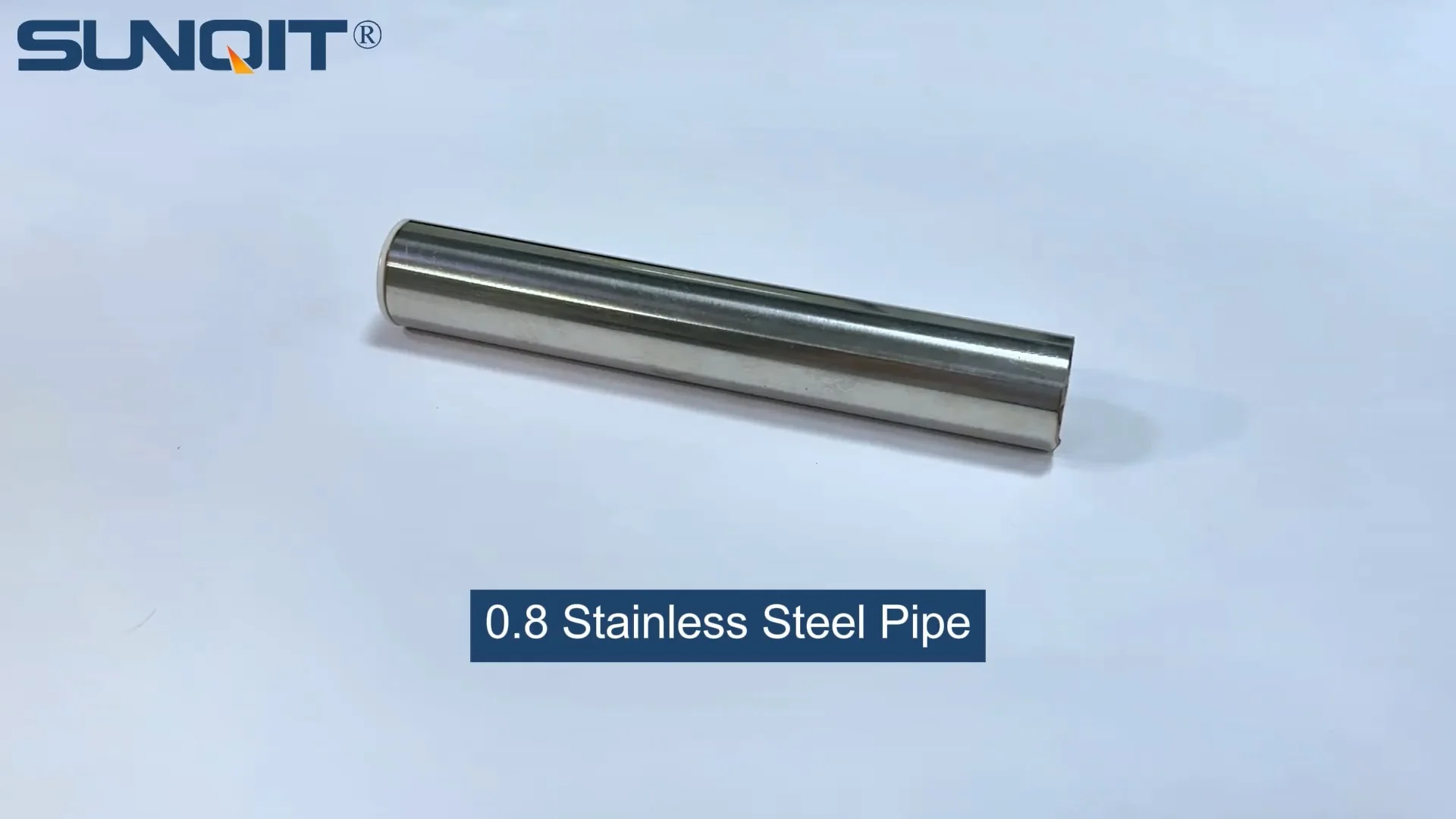
In the fast-paced world of manufacturing, construction, and precision engineering, the integrity of materials can make or break a project. Among the unsung heroes of these industries is the 1.0mm stainless steel pipe—a slender, versatile component that plays a critical role in everything from medical device assemblies to food processing equipment, and even intricate automotive parts. But here's the catch: its thin wall thickness, which makes it ideal for applications requiring lightweight strength and corrosion resistance, also leaves it surprisingly vulnerable. One wrong move during transportation, and that perfectly straight pipe can bend, kink, or warp, turning a valuable asset into a costly waste of time and resources.
Deformation isn't just a minor inconvenience. For businesses relying on the stainless steel pipe series, a single bent pipe can disrupt production schedules, compromise product quality, and erode customer trust. Imagine a scenario where a shipment of 1.0mm pipes arrives at a medical device factory with 10% of the batch warped. The assembly line grinds to a halt as workers sort through usable and damaged pieces, deadlines slip, and the cost of reordering or reworking skyrockets. In industries where precision is non-negotiable, even a 1-degree bend can render a pipe useless. That's why preventing deformation during transportation isn't just a "nice-to-have"—it's a critical part of maintaining operational efficiency and profitability.
In this article, we'll dive deep into the art and science of protecting 1.0mm stainless steel pipes during transit. We'll explore why these pipes are so prone to deformation, break down the common culprits behind transport-related damage, and outline actionable strategies to keep your pipes straight, strong, and ready for use. From packaging hacks to loading techniques, and even the role of equipment like roller track and caster and accessories in safeguarding your shipment, we'll cover it all. Let's start by understanding what makes 1.0mm stainless steel pipes so unique—and so susceptible to damage.
Understanding the 1.0mm Stainless Steel Pipe: Why It's Different (and More Fragile)
To protect something, you first need to understand it. So let's start by unpacking what makes 1.0mm stainless steel pipes stand out in the stainless steel pipe series—and why they demand extra care during transportation. At first glance, a pipe is just a pipe, right? But when you're dealing with a wall thickness of 1.0mm, the game changes entirely.
Stainless steel is prized for its strength, corrosion resistance, and durability, but those properties are influenced by thickness. A 1.0mm pipe is on the thinner end of the spectrum, often used in applications where weight, space, or precision is critical. Think about medical instruments, where a bulky pipe would hinder maneuverability; or in food processing, where thin pipes allow for efficient heat transfer and easy cleaning. These pipes are also common in electronics manufacturing, where delicate components require lightweight support structures. In short, they're designed to be strong for their size —but that size comes with limitations.
The key vulnerability here is flexibility. A 1.0mm wall is thin enough that the pipe can bend under relatively little pressure, especially over longer lengths. Unlike thicker pipes (say, 2.0mm or 3.0mm), which can withstand rough handling or stacking, a 1.0mm pipe acts more like a rigid but pliable rod. Imagine bending a drinking straw versus a pencil—both are cylindrical, but the straw (thinner wall) gives way much easier. Now, multiply that by the length of a typical pipe (often 3 meters or more), and you've got a structure that's inherently prone to bowing or kinking if not supported properly.
Another factor is material composition. Most 1.0mm stainless steel pipes are made from austenitic stainless steel (like 304 or 316), which offers excellent corrosion resistance but has lower yield strength compared to other grades. Yield strength is the point at which a material starts to deform permanently—so even if you bend a 304 stainless steel pipe slightly and then let go, it might not spring back to its original shape. That permanent deformation is exactly what we're trying to avoid.
Finally, surface finish matters. Many 1.0mm pipes come with a polished or brushed finish, intended to resist contamination or enhance aesthetics. Scratches or dents from transportation can mar this finish, even if the pipe remains structurally sound. In industries like pharmaceuticals or cosmetics, where visual quality is as important as functionality, a scratched pipe might be rejected outright—adding another layer of cost to damaged shipments.
So, to recap: 1.0mm stainless steel pipes are thin, flexible, and often made from materials with lower yield strength, making them susceptible to bending, kinking, and surface damage during transport. Now that we know why they're fragile, let's look at the most common ways they get damaged in transit.
The Usual Suspects: Common Causes of Deformation During Transportation
Deformation during transportation rarely happens by accident—it's almost always the result of one or more predictable factors. Let's break down the biggest culprits, so you can spot them before they wreak havoc on your 1.0mm stainless steel pipes.
1. Mechanical Stress: When Pressure Becomes Too Much
Mechanical stress is the number one enemy of thin-walled pipes. This includes compression, bending, and impact—all of which can come from improper loading, stacking, or handling. Let's say a worker piles a pallet of heavy boxes on top of a bundle of 1.0mm pipes. The weight of those boxes compresses the pipes from above, causing them to bow or flatten. Or, during loading, a forklift operator accidentally bumps the pipe bundle against the side of the truck; that sudden impact can create a kink at the point of contact.
Even seemingly "gentle" handling can cause stress. Dragging a pipe across a rough surface (like a concrete warehouse floor) can scrape the finish and create micro-bends along the length. Or, using a chain to secure the pipes to the truck bed without padding—every time the truck hits a bump, the chain tightens and digs into the pipe, leaving indentations or worse.
2. Inadequate Packaging: Leaving Pipes Exposed to the Elements (and Each Other)
Packaging is your first line of defense, but it's often the most overlooked. A common mistake is using generic packaging that's not designed for thin-walled pipes. For example, wrapping pipes in a single layer of bubble wrap and tossing them into a cardboard box might work for shipping mugs, but it's no match for the jostling of a cross-country truck ride. Without proper support, pipes can shift inside the package, banging into each other and creating dents or bends.
Another packaging fail? Using boxes or crates that are too large. When there's extra space, pipes slide around during transit, especially on winding roads. Imagine a pipe bouncing back and forth inside a box—each collision weakens the structure, increasing the risk of deformation. Even worse, if the packaging itself is flimsy (think thin cardboard or cracked plastic), it can tear open, leaving pipes exposed to the elements or other cargo.
3. Transportation Vibration: The Silent Saboteur
You might not think about it, but every time a truck hits a pothole, accelerates, or brakes, it sends vibrations through the cargo. Over hours (or days) of transit, these vibrations can take a toll on 1.0mm pipes. The constant shaking causes pipes to rub against each other or against the packaging, creating friction that wears down protective layers. More importantly, vibration can lead to "metal fatigue"—small, cumulative stress that weakens the pipe over time, making it more likely to bend under even minor pressure.
Vibration is especially problematic for long pipes. A 6-meter pipe, for example, acts like a lever when vibrating—even small movements at the ends can amplify into large swings in the middle, increasing the risk of bending or snapping. Without proper securing, those swings can turn into permanent deformation by the time the truck reaches its destination.
4. Environmental Factors: Heat, Cold, and Humidity
Stainless steel is resistant to corrosion, but it's not immune to temperature changes. Extreme heat can cause the metal to expand, making it softer and more pliable—so a pipe that's secure in a cool warehouse might warp if left in a hot truck for hours. Conversely, extreme cold can make the metal more brittle, increasing the risk of cracking if the pipe is jostled.
Humidity, while not directly causing deformation, can worsen other issues. If packaging gets wet (from rain or condensation), it can become soggy and lose structural integrity, leaving pipes unprotected. Moisture can also lead to surface rust on uncoated stainless steel (though most 1.0mm pipes in the stainless steel pipe series are coated, it's still a risk to watch for).
5. Human Error: When Process Breakdowns Lead to Damage
At the end of the day, many transportation-related deformations boil down to human error. Maybe a worker forgot to secure the pipes with straps, or used the wrong type of caster and accessories on the transport trolley, leading to instability. Or perhaps the loading team didn't follow the lean system protocols designed to minimize handling, resulting in unnecessary moves that increase the risk of drops or impacts.
Even well-intentioned mistakes can be costly. For example, overloading a pallet to "save time" might seem efficient, but it puts excessive pressure on the bottom layer of pipes. Or rushing to unload a truck and using a forklift with a damaged fork, which catches on a pipe and bends it. These errors are preventable with training, clear protocols, and the right tools—but they're all too common in busy warehouses.

Key Principles for Protecting 1.0mm Stainless Steel Pipes: Prevention Starts Here
Now that we've identified the causes of deformation, let's shift to solutions. Protecting 1.0mm stainless steel pipes during transportation isn't about one single "trick"—it's about adopting a set of principles that work together to minimize risk. Think of it as a safety net: even if one layer fails, the others catch the pipe.
1. Prioritize Proper Support: Keep Pipes Straight and Stable
The golden rule for thin-walled pipes? Support them along their entire length . A 1.0mm pipe can't support its own weight over long distances, so letting it hang or rest on just two points (like the ends) is a recipe for bending. Instead, use cradles, racks, or specially designed pallets that distribute the pipe's weight evenly. For example, a material rack with padded supports every 30cm will keep the pipe from sagging during transport.
This is where equipment like roller track comes into play. In warehouses, roller track systems allow pipes to be moved horizontally with minimal friction, reducing the need for manual lifting (which often leads to drops or bends). When loading a truck, using a roller track extension from the warehouse to the truck bed lets pipes glide into place smoothly, rather than being dragged or dropped. The key is to minimize stress during every stage of movement—from the factory floor to the final destination.
2. Invest in Custom Packaging: One Size Does Not Fit All
Generic packaging might save money upfront, but it costs more in the long run when pipes arrive damaged. Custom packaging, tailored to the size and fragility of 1.0mm pipes, is worth the investment. Let's compare some common options in the table below to see what works best:
| Packaging Type | Structure | Protection Level (1-5) | Cost (Low/Medium/High) | Best For |
|---|---|---|---|---|
| Polyethylene Foam Sleeves | Thick foam tubes that slip over individual pipes | 4 | Medium | Short-distance transport, small batches, polished pipes (prevents scratches) |
| Corrugated Cardboard Dividers | Layered cardboard with slots to separate pipes | 3 | Low | Bulk shipments, non-polished pipes, moderate protection |
| Wooden Crates with Foam Inserts | Rigid wooden frame with foam padding lining the interior | 5 | High | Long-distance transport, international shipping, high-value pipes |
| Plastic Tube Containers | Hard plastic tubes with end caps, stackable | 4 | Medium-High | Reusable packaging, pipes with strict cleanliness requirements (e.g., medical) |
As you can see, wooden crates with foam inserts offer the highest protection but come with a higher cost. For most businesses, a hybrid approach works best: use foam sleeves for individual pipes, then place them in cardboard dividers within a wooden crate for added rigidity. The goal is to prevent movement, absorb shocks, and protect the surface—all at once.
3. Secure Loads Like Your Business Depends On It (Because It Does)
Even the best packaging won't help if pipes shift during transit. Securing the load is critical, and it starts with choosing the right tools. Ratchet straps are a must—they're stronger than bungee cords and allow for precise tensioning. When securing pipes, use at least two straps per meter of length, and place padding (like rubber sleeves) between the strap and the pipe to prevent indentations.
For transport within the warehouse, caster and accessories play a key role. Trolleys with heavy-duty casters (swivel casters with brakes, for example) provide stability, reducing the risk of tipping or sudden movements that could jostle pipes. Look for casters with rubber wheels, which absorb vibrations better than plastic or metal. And don't forget to lock the brakes when loading or unloading—even a small roll can lead to a big drop.
4. Adopt a Lean System Mentality: Minimize Handling, Maximize Efficiency
The lean system isn't just for manufacturing—it applies to transportation too. Lean principles focus on eliminating waste, and in this case, "waste" includes unnecessary handling of pipes. Every time a pipe is moved, lifted, or transferred, the risk of deformation increases. By streamlining the transport process—for example, using roller track to move pipes directly from the production line to the truck, or using automated loading systems—you reduce the number of touches and, consequently, the risk of damage.
Lean also means standardizing processes. Create a step-by-step checklist for loading and securing pipes, and train all staff to follow it. This reduces variability and ensures that even new team members know how to handle pipes properly. For example, a checklist might include: "Inspect pipes for pre-existing damage," "Apply foam sleeves to all polished pipes," "Secure with two ratchet straps per meter," and "Test trolley stability by pushing gently before transport."

Step-by-Step Prevention Strategies: From Warehouse to Delivery
Now that we've covered the principles, let's put them into action with a detailed, step-by-step plan to prevent deformation. This workflow takes you from the moment pipes leave the production line to when they're unloaded at their destination, with actionable tips at every stage.
Step 1: Pre-Transport Inspection – Catch Issues Before They Escalate
Before a single pipe is packed, conduct a thorough inspection. This isn't just about checking for defects—it's about ensuring the pipes are in optimal condition to withstand transport. Start by examining each pipe for straightness using a laser level or straightedge. If a pipe is already bent (even slightly), set it aside for rework instead of shipping it—deformation during transport will only make it worse.
Next, check the surface finish. For polished pipes, look for micro-scratches or dents that could worsen during transit. If you spot any, consider repolishing or using extra-thick foam sleeves to protect those areas. Finally, verify the batch size and dimensions—mixing pipe lengths or diameters in the same package can cause uneven pressure, leading to deformation. Keep like-sized pipes together to ensure uniform support.
Step 2: Packaging – Wrap, Separate, and Reinforce
With inspection complete, it's time to package. Follow these steps for maximum protection:
- Wrap individual pipes: For polished or high-value pipes, slip on polyethylene foam sleeves (at least 5mm thick). For non-polished pipes, use thin foam or bubble wrap to prevent scratches from contact with other pipes.
- Separate with dividers: Place wrapped pipes into corrugated cardboard dividers or wooden slots. The dividers should be tall enough to prevent pipes from leaning against each other—aim for a divider height equal to the pipe diameter.
- Reinforce with rigid outer packaging: Place the divided pipes into a wooden crate or heavy-duty cardboard box. Fill any gaps with packing peanuts or foam filler to prevent movement. For extra security, line the crate with foam board to absorb shocks.
- Seal and label: Close the crate with heavy-duty tape or screws (for wooden crates) and label it clearly with "Fragile," "Handle with Care," and "This Side Up" arrows. Include the pipe dimensions and batch number for easy identification.
Step 3: Loading – Use the Right Equipment and Techniques
Loading is where many pipes get damaged, so take it slow and use the right tools. Start by preparing the transport vehicle or trolley. If using a trolley, ensure the caster and accessories are in good condition—check that wheels are clean, brakes work, and the frame is stable. For trucks, line the bed with anti-slip mats to prevent crates from sliding during transit.
When moving crates, use a forklift with soft, padded forks to avoid piercing the packaging. Lift crates straight up and down—never drag them across the floor. If moving individual pipes (not recommended, but sometimes necessary), use a two-person lift for pipes longer than 2 meters to prevent bending. For horizontal movement, use roller track to glide crates into place—this minimizes friction and reduces the risk of sudden jolts.
Once on the truck or trolley, stack crates evenly, with heavier crates on the bottom and lighter ones on top. Never stack more than three layers high—excess weight can crush the bottom crates. Use ratchet straps to secure the stack to the vehicle: attach straps to the truck's anchor points and tighten until the crates are immobile. For extra stability, place wooden blocks between crates to prevent shifting.
Step 4: In-Transit Monitoring – Keep an Eye on Your Shipment
Your job isn't done once the truck leaves the warehouse. In-transit monitoring helps you catch issues early and adjust if needed. For long-distance shipments, use GPS trackers to monitor the truck's speed and route—excessive speed or rough roads increase vibration and impact risk. Some advanced systems even include sensors that detect shock or temperature changes, alerting you if the cargo is being jostled too much.
If possible, communicate with the driver before the trip. Share details about the cargo's fragility and ask them to avoid potholes, construction zones, or sudden stops/accelerations. A little extra care from the driver can go a long way in preventing deformation.
Step 5: Unloading – The Final (Critical) Step
Unloading is the last chance to protect your pipes—don't rush it. Use the same care as during loading: lower crates slowly with a forklift, avoid dragging, and use roller track to move crates from the truck to the warehouse floor. Once inside, store crates on a flat, stable surface (like a pallet rack) and avoid stacking them unless necessary.
Finally, conduct a post-transit inspection. Open a few crates and check for deformation—if you find any, document it and investigate the cause (Was the packaging insufficient? Did the truck hit a major pothole?). Use this information to refine your process and prevent future damage.
Real-World Success: How Company X Reduced Deformation by 85% with These Strategies
To illustrate just how effective these strategies can be, let's look at a real case study. Company X is a mid-sized manufacturer of precision medical equipment, relying heavily on 1.0mm stainless steel pipes from the stainless steel pipe series for their devices. A few years ago, they were struggling with a 15% deformation rate in their pipe shipments—a number that was costing them over $50,000 annually in rework, delays, and customer complaints.
Their old process was typical: pipes were wrapped in basic bubble wrap, tossed into cardboard boxes, and loaded onto trucks with minimal securing. Workers often dragged boxes across the warehouse floor, and drivers took the shortest route (which happened to be full of potholes). Unsurprisingly, pipes arrived bent, scratched, or dented more often than not.
Determined to fix the issue, Company X implemented the strategies we've discussed. Here's what they did:
- Switched to custom packaging: They invested in polyethylene foam sleeves for each pipe and wooden crates with foam inserts for bulk shipments. This alone reduced surface scratches by 60%.
- Installed roller track: A roller track system was added from the production line to the loading dock, eliminating the need to drag boxes. This reduced manual handling and dropped impact-related bends by 40%.
- Upgraded transport equipment: They replaced old trolleys with new ones featuring heavy-duty caster and accessories, including swivel casters with brakes and rubber wheels. Trolley-related accidents (like tipping) decreased to zero.
- Adopted lean system protocols: A standardized loading checklist was created, and all staff received training on proper handling. They also streamlined the process to move pipes directly from production to truck, cutting handling steps from 5 to 2.
The results were dramatic. Within six months, Company X's deformation rate dropped from 15% to just 2.2%—an 85% reduction. Customer complaints about damaged pipes ceased, and production delays decreased by 30%. The investment in packaging and equipment paid for itself within a year, and the company now uses these strategies as a selling point to attract new clients who value quality and reliability.
Company X's success story proves that deformation isn't inevitable—it's preventable with the right approach. By combining proper packaging, equipment like roller track and caster and accessories, and lean system principles, you can protect your 1.0mm stainless steel pipes and keep your business running smoothly.
Conclusion: Protecting Pipes, Protecting Your Business
Deformation in 1.0mm stainless steel pipes during transportation is a solvable problem. It starts with understanding why these pipes are fragile—their thin walls, flexibility, and surface sensitivity—and recognizing the common causes of damage: mechanical stress, inadequate packaging, vibration, environmental factors, and human error. By adopting key principles like proper support, custom packaging, secure loading, and lean system workflows, you can significantly reduce the risk of deformation.
Remember, the goal isn't just to save money on rework or replacements—it's to build trust with your customers, maintain production efficiency, and uphold the quality of your products. A straight, undamaged pipe is a testament to your commitment to excellence, from manufacturing to delivery.
So, whether you're a small supplier or a large manufacturer, take the time to audit your current transport process. Are you using the right packaging? Is your team trained on proper handling? Could roller track or upgraded caster and accessories make a difference? The answers to these questions could be the key to reducing deformation and boosting your bottom line.
At the end of the day, protecting 1.0mm stainless steel pipes isn't just about the pipes—it's about protecting your business. And with the strategies outlined here, you're well on your way to doing just that.