- Company Articles
- Products and Technology
- Installation And Maintenance
- How to Prevent Lean Pipe Clamps from Slipping: Expert Advice

How to Prevent Lean Pipe Clamps from Slipping: Expert Advice
Related Product
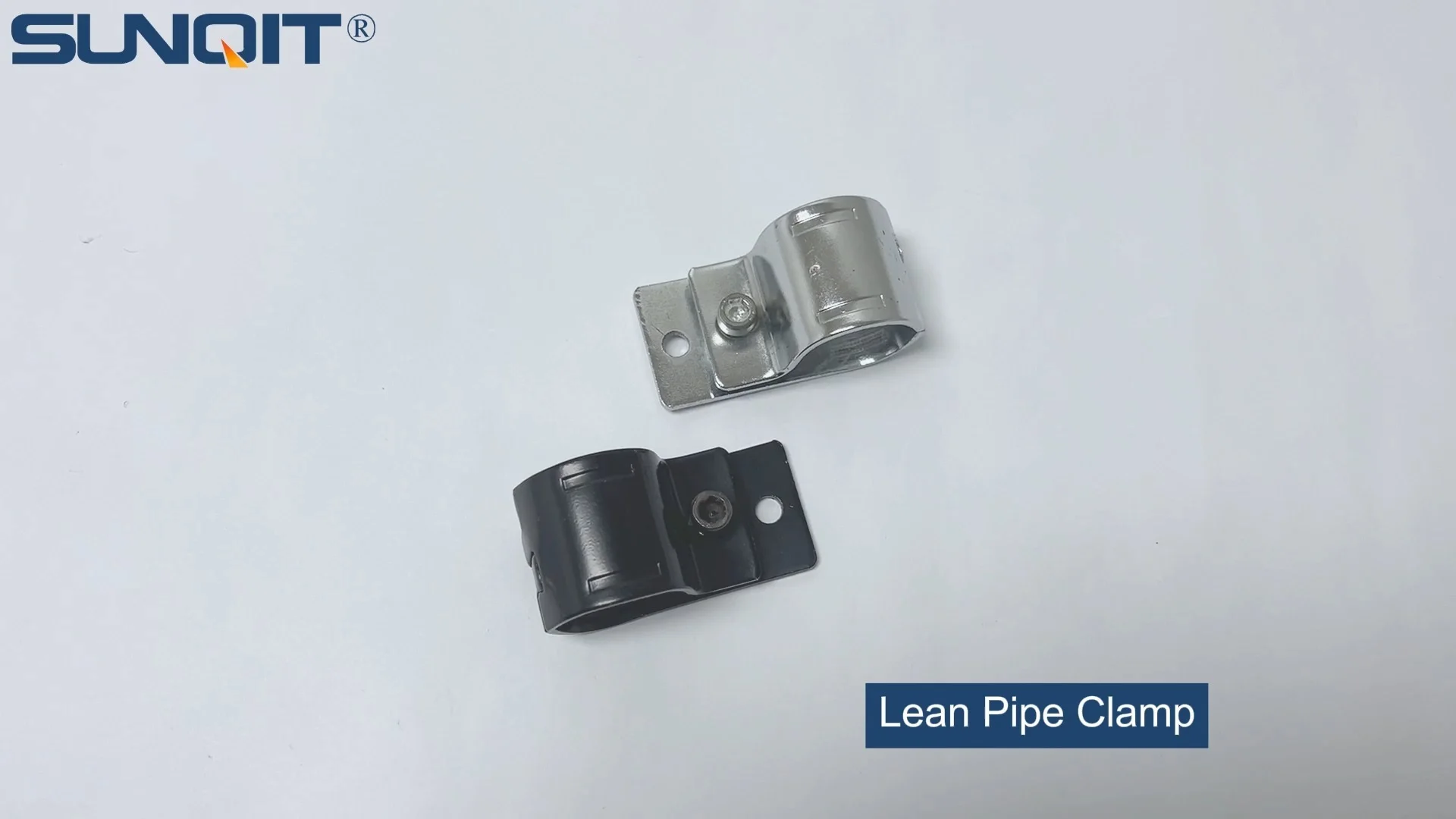
Lean Pipe Clamp
Lean pipe clamp is used for rack system hang monitor or other panel for workbenck, flowrack in production daily use.
If you've ever stood on a factory floor and watched a production line grind to a halt because a lean pipe workbench suddenly shifted, or seen a worker spend 20 minutes readjusting a wobbly material rack, you know the hidden cost of slipping lean pipe clamps. It's not just the downtime—it's the frustration, the risk of damaged parts, and the slow erosion of productivity that adds up day after day. As someone who's worked with lean systems for over a decade, I've seen how a single loose clamp can throw an entire workflow off balance. The good news? Slippage isn't inevitable. With the right knowledge, tools, and habits, you can keep your lean pipe structures secure, stable, and reliable. Let's dive into the why, how, and what of preventing lean pipe clamp slippage.
Why Do Lean Pipe Clamps Slip? The Root Causes
Before we fix the problem, we need to understand it. Lean pipe clamps—those small but critical connectors that hold together everything from workbenches to flow racks—slip for a handful of predictable reasons. Let's break them down, because knowing the "why" is half the battle.
1. Material Fatigue: When Clamps Can't Keep Up
Not all lean pipe clamps are created equal. Many facilities opt for budget-friendly plastic or low-grade steel clamps to cut costs, but these materials have a dark side: fatigue. Plastic clamps, for example, degrade over time when exposed to heat or chemicals, losing their grip strength. Low-carbon steel clamps, on the other hand, can bend or warp under constant stress, especially if they're used in high-vibration environments (think near a conveyor or stamping machine). I once visited a electronics plant that had switched to cheap plastic clamps to save money; within six months, their rework station workbench was slipping so badly that circuit boards were getting scratched. The culprit? The plastic had become brittle from the heat of nearby soldering irons, and the clamps could no longer hold the aluminum profile rails tightly.
2. Improper Tightening: The "Good Enough" Mistake
Here's a scenario I've seen too many times: a new workbench is assembled, and the installer tightens the clamps "until they feel snug." But "snug" is subjective. Too loose, and the clamp will slip under load; too tight, and you risk stripping the threads or cracking the clamp body. Most lean pipe joints require a specific torque—usually between 15 and 25 Nm for steel clamps—to create enough friction to prevent movement. Without a torque wrench, even experienced workers guess, and guesswork leads to slippage. A furniture manufacturer I consulted with had this exact issue: their team was using adjustable wrenches to tighten clamps, and 40% of their material racks were slipping within a week. When we introduced torque wrenches and standardized the tightening process, slippage dropped to less than 5%.
3. Environmental Enemies: Humidity, Temperature, and Corrosion
Your factory floor isn't a controlled lab. Humidity can cause metal clamps to rust, weakening their grip. Extreme temperatures—like the sweltering heat of a summer warehouse or the cold of a refrigerated facility—cause materials to expand and contract, loosening even properly tightened clamps over time. I worked with a food packaging plant in Florida where humidity was consistently above 80%. Their standard steel clamps were rusting within months, and the rust acted like a lubricant, letting the clamps slip. Switching to stainless steel pipe series clamps solved the problem; stainless steel resists corrosion, even in damp environments, keeping the friction high where it matters.
4. Overloading: When Racks Bear More Than They Should
Lean pipe structures are designed for specific weight limits, but it's easy to ignore those numbers when deadlines loom. A flow rack rated for 50 kg per shelf might suddenly hold 75 kg of boxes because "there's space." Over time, that extra weight strains the clamps, causing them to slowly loosen. I saw this at a automotive parts supplier: their material rack B (3 row and 3 floor) was supposed to hold small components, but workers started stacking heavy engine parts on it. Within a month, the middle shelf sagged, and the clamps connecting the vertical and horizontal pipes slipped, nearly causing a collapse. Always check the load rating of your structure and clamp specs—your lean pipe supplier should provide this data upfront.
5. Joint Misalignment: When Pipes and Clamps Don't Play Nice
Even the best clamp won't work if the pipes it's connecting are misaligned. If two pipes meet at a slight angle instead of a clean 90 degrees, the clamp can't distribute pressure evenly, creating weak spots that slip. This often happens during assembly when workers rush to put up a structure without using a level or square tool. A client once showed me a workbench E (single deck-without caster) that was leaning to one side; the clamps on the left were constantly slipping, while the right ones stayed tight. The issue? The vertical pipes were installed 3 degrees off-plumb, so the horizontal rails were uneven, putting extra stress on the left clamps. Realigning the structure with a level eliminated the slippage.
Expert Solutions: Preventing Slippage Before It Starts
Now that we know why clamps slip, let's talk solutions. These aren't quick fixes—they're habits and choices that build long-term stability into your lean system. From choosing the right components to installing them like a pro, here's how to keep clamps tight.
1. Choose Clamps and Joints Built to Last
Start at the source: your lean pipe supplier. Not all suppliers prioritize quality, so ask for details about materials, testing, and certifications. For most industrial settings, I recommend stainless steel pipe series clamps or aluminum lean pipe clamps with reinforced joints. Stainless steel resists corrosion and maintains strength at high temperatures, while aluminum is lightweight but strong enough for moderate loads. Avoid plastic clamps unless you're in a low-stress, temperature-controlled environment (like a cleanroom with light tools). When evaluating clamps, check for:
- Thick, uniform walls (no thin spots that bend under pressure)
- Smooth, precise threading (rough threads wear out faster and slip more)
- Rubber or silicone gaskets (these add friction between the clamp and pipe)
| Clamp Material | Best For | Slip Resistance (1-10) | Average Lifespan |
|---|---|---|---|
| Stainless Steel | High humidity, heavy loads, corrosive environments | 9 | 5-7 years |
| Aluminum Lean Pipe | Light to moderate loads, cleanrooms, lightweight structures | 7 | 3-5 years |
| Reinforced Plastic | Low-stress, dry environments (e.g., office workstations) | 5 | 1-2 years |
| Low-Carbon Steel | Temporary structures, low-budget projects | 6 | 2-3 years (prone to rust) |
2. Master the Art of Tightening (Yes, It's an Art)
Tightening a clamp isn't just about cranking a wrench—it's about precision. Invest in a good torque wrench (digital or analog) and train your team to use it. Most lean pipe joints require 18-22 Nm of torque for steel pipes and 15-18 Nm for aluminum lean pipe (aluminum is softer, so over-tightening can strip threads). Mark the torque setting on the wrench with tape so even new workers can get it right. For extra security, apply a small amount of thread locker (like Loctite Blue) to the clamp threads before tightening. Thread locker prevents vibration from loosening the clamp over time, but avoid the permanent red formula—you'll need to disassemble the structure someday! I helped a aerospace parts shop implement this step, and they went from tightening clamps monthly to quarterly.
3. Add Anti-Slip Measures for Extra Grip
Sometimes even the best clamps need a little help. For high-vibration areas (like near a conveyor), wrap the pipe with a thin layer of anti-slip tape before installing the clamp—the tape increases friction between the pipe and clamp. In humid environments, consider clamps with rubberized liners; the rubber compresses slightly when tightened, filling tiny gaps and improving grip. A client in the printing industry used this trick on their roller track systems: they added rubber liners to the clamps holding the roller track placon mount brackets, and slippage during high-speed printing dropped to zero.
4. Reinforce Weak Points with Backup Joints
For structures that bear heavy or uneven loads (like material racks or workbenches with tools), add backup lean pipe joints. Instead of relying on a single clamp at a critical junction, use two parallel clamps or a three-way lean pipe joint to distribute the load. I once designed a custom workbench for a heavy machinery shop that needed to hold 200 kg of tools. We used dual foundation lean management—two vertical pipes instead of one—and reinforced each horizontal connection with both a 90° straight lean pipe joint and a parallel lean pipe joint. The bench has been in use for three years with zero slippage.

Maintenance Matters: Keeping Clamps Secure Long-Term
Even the best-installed clamps need love. Think of your lean system like a car: regular maintenance prevents breakdowns. Here's a simple routine to keep clamps tight for years.
Weekly "Quick Checks"
Assign a team member to walk the floor once a week and give each clamp a gentle "tug test." Grab the pipes on either side of a clamp and try to twist them—if there's movement, the clamp needs tightening. Pay extra attention to high-stress areas: the bottom shelves of material racks, workbenches near heavy equipment, and structures with caster wheels (movement from casters vibrates clamps loose faster). Jot down loose clamps and tighten them with a torque wrench at the end of the shift.
Monthly Deep Cleans
Dirt, grease, and debris act like lubricants, making clamps slip. Once a month, wipe down clamps and pipes with a degreaser (avoid harsh chemicals on aluminum or plastic). For stainless steel clamps, a quick polish with a microfiber cloth removes rust spots before they grow. A food processing client of mine added this step to their monthly sanitation routine, and their clamp lifespan doubled—grease from meat processing was no longer gumming up the works.
Quarterly Torque Audits
Even with thread locker, clamps loosen over time. Every three months, use a torque wrench to recheck all critical clamps (focus on load-bearing joints first). Record the torque readings—if a clamp consistently loosens below the recommended Nm, it may be worn and need replacement. A pharmaceutical plant I worked with did this and caught a batch of defective clamps early; the manufacturer (their lean pipe supplier) replaced them for free, avoiding potential downtime.
Annual Replacement of Wear Parts
Clamps, like tires, wear out. Plan to replace 10-15% of your clamps annually, focusing on those in high-stress areas. Look for signs of wear: cracked bodies, stripped threads, or gaskets that are hard or brittle. Keep a stock of spare clamps and lean pipe joint connectors on hand so you can replace them immediately—waiting for parts leads to makeshift fixes that cause more problems later.

Real-World Success: How One Facility Solved Their Slippage Problem
Let's put this all together with a story. A mid-sized electronics manufacturer in Texas was struggling with daily slippage issues on their assembly line workbenches and flow racks. Their team was spending 2-3 hours a day readjusting clamps, and damaged circuit boards from slipping shelves were costing $5,000 a month in rework. Here's how we fixed it:
- Switched Clamp Materials: They were using low-carbon steel clamps; we moved to stainless steel pipe series clamps with rubber gaskets for better grip.
- Trained on Torque: We brought in a torque wrench trainer and set standard torque (20 Nm) for all workbench joints.
- Added Weekly Checks: Each team lead now does a 15-minute "tug test" on their area's clamps every Monday.
- Reinforced High-Stress Joints: Flow racks holding heavy component boxes got backup three-way lean pipe joints.
The results? Slippage dropped by 95% in the first month. Rework costs fell to under $500, and the team reclaimed 6+ hours a week of productive time. Their lean pipe supplier even gave them a discount on bulk stainless steel clamps after seeing the improvement!

Conclusion: Stability = Productivity
Slipping lean pipe clamps might seem like a small annoyance, but they're a silent productivity killer. The good news is they're preventable. By choosing quality clamps and joints, installing them with precision, maintaining regularly, and addressing issues early, you can build lean systems that stay tight, safe, and efficient for years. Remember: every minute spent tightening a clamp is a minute not spent making products. Invest in stability today, and watch your productivity soar tomorrow.