- Company Articles
- Products and Technology
- Installation And Maintenance
- How to Remove 3030 Aluminum Profile End Caps Without Damaging Frames

How to Remove 3030 Aluminum Profile End Caps Without Damaging Frames
Related Product
3030 Aluminum Profile End Cap
The aluminum profile end cap adds a finishing touch to your project and closes off profile ends to limit dust and debris buildup, also it can avaid some scratch for material and labor during the assemble work.
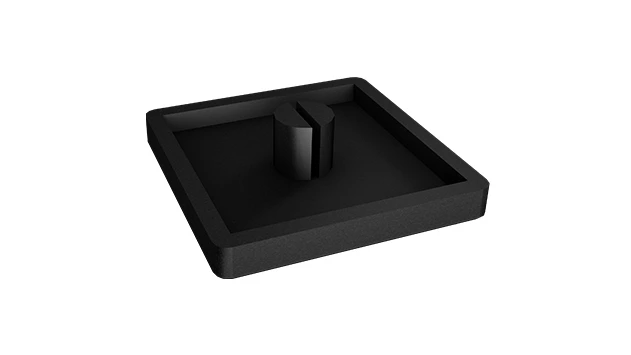
If you've ever worked with aluminum profiles—whether building a workbench, assembling a material rack, or setting up a production line—you know that the little details matter. Among those details, 3030 aluminum profile end caps might seem, but they play a crucial role in protecting both the profile itself and the people around it. These small, often unassuming accessories seal the open ends of aluminum profiles, preventing dust, debris, and moisture from getting inside, while also eliminating sharp edges that could cause cuts or snags. But what happens when you need to remove them? Maybe you're reconfiguring your setup, replacing a damaged end cap, or accessing the profile's T-slot for modifications. All too often, the process of prying off end caps leads to scratched profiles, cracked end caps, or bent edges—mistakes that can compromise the integrity of your entire structure. In this guide, we'll walk through the step-by-step process of removing 3030 aluminum profile end caps safely and efficiently, using common tools and a bit of patience. Whether you're a seasoned manufacturer or a DIY enthusiast, these tips will help you keep your aluminum profiles in top shape while getting the job done right.
The Tools You'll Need: Gearing Up for Success
Before diving into the removal process, it's essential to gather the right tools. Using improper tools—like a flathead screwdriver or metal pry bar—is a surefire way to scratch or dent your 3030 aluminum profile. Instead, opt for tools that are gentle on aluminum but still effective at loosening end caps. Here's what you'll need:
| Tool | Purpose | Why It Works |
|---|---|---|
| Plastic Pry Tool | Loosening the end cap from the profile | Plastic is non-abrasive and flexible, reducing the risk of scratching the aluminum surface. Look for a tool with a thin, flat edge to slide into tight gaps. |
| Rubber Mallet | Tapping the pry tool or end cap gently to loosen stuck fit | The rubber head absorbs shock, preventing dents or marks on the profile. Avoid metal mallets, which can cause indentations. |
| Needle-Nose Pliers | Gripping and pulling small end caps or removing broken clips | The narrow, pointed tips allow for precision work in tight spaces, like the gaps between the end cap and profile. |
| Isopropyl Alcohol (70%+) | Cleaning adhesive residue or debris from the profile end | Breaks down sticky residues without damaging the aluminum's anodized finish. Use a lint-free cloth to apply. |
| Microfiber Cloth | Wiping the profile and end cap clean | Soft and lint-free, it won't scratch the aluminum or leave behind fibers, ensuring a smooth surface post-removal. |
Pro tip: If you don't have a plastic pry tool, you can improvise with a credit card or a plastic putty knife—just avoid anything rigid enough to snap under pressure. The goal is to apply gentle, even force to avoid damaging either the end cap or the 3030 aluminum profile.
Step-by-Step Guide: Removing End Caps Without Damage
Now that you have your tools ready, let's walk through the process. Removing 3030 aluminum profile end caps is straightforward, but rushing or using excessive force is where most people go wrong. Take your time, and follow these steps to ensure a smooth, damage-free removal.
Step 1: Prepare Your Workspace
Start by setting up a clean, flat workspace. Lay down a microfiber cloth or a piece of cardboard to protect the aluminum profile from scratches while you work—even a small gritty particle under the profile can leave a mark when pressure is applied. If the profile is part of a larger structure (like a workbench or rack), consider disassembling it if possible, or stabilize it to prevent movement during removal. Good lighting is also key: you'll need to see the edges of the end cap and any clips or adhesive holding it in place.
Step 2: Inspect the End Cap Design
Not all 3030 aluminum profile end caps are created equal. Before prying, take a moment to examine how the end cap is attached. Most modern aluminum profile accessories, including end caps, use one of three designs: snap-fit, adhesive-backed, or friction-fit. Here's how to identify them:
- Snap-fit: The most common design for 3030 aluminum profile end caps. These have small, flexible plastic clips (usually 2-4 per end cap) that snap into the profile's internal T-slot grooves. You'll often see tiny indentations or seams on the end cap where the clips are located.
- Adhesive-backed: Some end caps use double-sided foam tape or adhesive to secure them, especially in applications where vibration might loosen a snap-fit. Check for a thin, sticky layer around the edges—if the end cap feels "stuck" rather than "snapped," adhesive is likely involved.
- Friction-fit: These rely on tight tolerances between the end cap and the profile's inner dimensions. They're less common but can be identified by a snug, uniform fit with no visible clips or adhesive.
For 3030 aluminum profiles, snap-fit end caps are the standard, so we'll focus on that design here. If you suspect adhesive, you may need to warm the end cap gently with a hair dryer (on low heat) to soften the adhesive before proceeding—just keep the heat moving to avoid damaging the plastic end cap.
Step 3: Gently Loosen the Edge
Take your plastic pry tool and insert the thin edge into the gap between the end cap and the aluminum profile. Start at a corner—this is usually the weakest point and easiest to separate. Tilt the pry tool slightly (about 10-15 degrees) to create a small opening. You should feel a slight "pop" or give as the first clip disengages from the T-slot. If you don't feel movement, reposition the tool: sometimes the clips are offset, so trying a different corner might help.
Pro tip: Avoid prying in the center of the end cap. This can warp the plastic, making it harder to remove and potentially damaging the clips. Focus on the corners, and work your way around the edges gradually.
Step 4: Work Your Way Around the Perimeter
Once you've loosened one corner, keep the pry tool in place to maintain the gap, and use your free hand to gently pull the end cap away from the profile. If there are multiple clips (most 3030 aluminum profile end caps have 4 clips—one at each corner), you'll need to disengage them one by one. Move the pry tool to the next corner, repeat the process, and continue until all clips are free. If the end cap feels stuck, tap the handle of the pry tool lightly with the rubber mallet—this gentle force can help dislodge a stubborn clip without damaging the profile.
Warning: Never use a metal tool here! A screwdriver or wrench might seem like a quick fix for a stuck end cap, but the hard metal will scratch the anodized surface of the aluminum profile, leaving permanent marks. Even a small scratch can weaken the profile's resistance to corrosion over time.
Step 5: Remove the End Cap Completely
Once all clips are disengaged, the end cap should come off easily. If it's still holding on, check for any remaining clips or adhesive. For adhesive-backed end caps, you may need to peel slowly, applying gentle pressure to avoid tearing the adhesive (if you plan to reuse the end cap). If the end cap is cracked or damaged during removal, don't worry—aluminum profile accessories like replacement end caps are widely available from suppliers, and they're affordable to replace.
Step 6: Clean the Profile End
With the end cap removed, inspect the open end of the 3030 aluminum profile. You may find debris, dust, or leftover adhesive residue. Dip a corner of the microfiber cloth in isopropyl alcohol and wipe the end thoroughly. For sticky adhesive, let the alcohol sit for 10-15 seconds to dissolve the residue, then wipe again. This step is crucial if you plan to reinstall a new end cap or use the profile's T-slot for accessories like brackets or connectors—clean surfaces ensure a secure fit.
Step 7: Inspect for Damage
Finally, check both the profile and the end cap for damage. Look for scratches, dents, or bent clips. If the profile has minor scratches, you can buff them out with a soft abrasive pad (like a 3M Scotch-Brite pad) and some aluminum polish, but deep scratches may require professional attention. For the end cap, if clips are broken, it's best to replace it—damaged clips won't hold the end cap securely, defeating its purpose. Most aluminum profile suppliers carry 3030 aluminum profile end caps as standard stock, so replacement is easy.

Troubleshooting Common Issues
Even with careful work, you might run into snags. Here's how to handle the most common problems when removing 3030 aluminum profile end caps:
Issue 1: End Cap Won't Budge (Stuck Clips)
If the end cap feels glued in place, it's likely due to tight clips or corrosion (though aluminum profiles are corrosion-resistant, moisture can sometimes cause clips to stick). Try these fixes:
- Warm the end cap: Use a hair dryer on low heat, moving it back and forth over the end cap for 20-30 seconds. The heat will expand the plastic slightly, loosening the clips.
- Apply lubricant: A small drop of silicone spray or rubbing alcohol along the edge of the end cap can reduce friction between the clips and the profile. Let it sit for 5 minutes before trying to pry again.
- Use two pry tools: insert a second pry tool at the opposite corner to distribute force evenly, reducing the chance of warping the end cap.
Issue 2: Broken Clip Inside the Profile
If a plastic clip breaks off and gets stuck in the T-slot, don't panic. Use needle-nose pliers to grip the fragment and pull it out. If it's too small to grab, try a small magnet (if the clip has metal components—most are plastic, but some heavy-duty end caps use metal clips). For plastic fragments, a toothpick or a small screwdriver (used carefully!) can help dislodge it. Once removed, clean the T-slot with alcohol to ensure no debris remains.
Issue 3: Adhesive Residue on the Profile
Adhesive-backed end caps can leave behind a sticky mess. For tough residue, soak a cotton ball in isopropyl alcohol and press it onto the residue for 30 seconds, then wipe with the microfiber cloth. For stubborn spots, mix a paste of baking soda and water, apply it to the residue, and let it sit for 5 minutes before wiping—baking soda is abrasive enough to lift residue but gentle enough to avoid scratching the aluminum.

Understanding Different End Cap Designs
While we've focused on the standard snap-fit 3030 aluminum profile end cap, it's helpful to know about other designs you might encounter. Aluminum profile accessories come in various styles to suit different applications, and removal methods can vary slightly:
Snap-Fit End Caps (Most Common)
As discussed, these use plastic clips that snap into the profile's T-slot. They're easy to install and remove, making them ideal for temporary setups or profiles that need frequent reconfiguration. Look for models with reinforced clips if you plan to remove and reinstall them often—cheaper end caps may have flimsy clips that break easily.
Adhesive-Backed End Caps
These have a layer of double-sided foam tape on the back, designed for permanent or semi-permanent installations. They're common in high-vibration environments (like manufacturing lines) where snap-fit end caps might loosen. To remove them, peel slowly from one edge, using a plastic pry tool to lift the tape as you go. Residue is common, so have isopropyl alcohol ready to clean up afterward.
Screw-On End Caps (Heavy-Duty)
Rare for 3030 aluminum profiles but used in larger or load-bearing profiles, these end caps have small screws that thread into the profile's T-slot. To remove, use a small Phillips-head screwdriver to loosen the screws—no prying needed! Keep track of the screws, as they're easy to lose.
Maintenance Tips After Removal
Once the end cap is off, take a few extra steps to keep your 3030 aluminum profile in top condition:
Clean the T-Slot
The T-slot running along the length of the profile is where accessories like brackets, connectors, and shelves attach. Use a small brush (an old toothbrush works!) to remove dust and debris from the slot, then wipe with alcohol. A clean T-slot ensures a tight, secure fit for future accessories.
Inspect for Wear
Check the profile's edges for dents or (deformation). If the end was hit or dropped, the aluminum might be bent, making it hard to reinstall the end cap. Use a rubber mallet to gently tap bent edges back into shape—work slowly to avoid cracking the anodized finish.
Reinstall or replace the End Cap
If you're putting the end cap back on, align the clips with the T-slot grooves and press firmly until you hear a "snap" from each clip. For adhesive-backed end caps, replace the tape with a new strip (3M VHB tape works well) to ensure a secure bond. If the end cap is damaged, replace it with a new one—aluminum profile suppliers offer a range of colors (black, silver, white) to match your profile's finish.
Conclusion: Patience Pays Off
Removing 3030 aluminum profile end caps might seem like a small task, but doing it right protects your investment in aluminum profiles and ensures your structures remain safe and functional. By using the right tools, taking your time, and following these steps, you can avoid scratches, dents, and broken clips—keeping your profiles looking and performing like new. Remember, aluminum profile accessories like end caps are designed to be user-friendly; with a little care, you'll have them off and on in no time.
Whether you're a hobbyist building a DIY project or a manufacturer reconfiguring a production line, the key is to treat the aluminum profile with respect. Rushing leads to mistakes, but patience ensures a smooth, damage-free process. And if you ever need replacement end caps or other aluminum profile accessories, your local supplier will have you covered—after all, even the best end caps need replacing eventually.