- Company Articles
- Products and Technology
- Installation And Maintenance
- How to Repair Damaged Corrugated Aluminum Pipe: Step-by-Step Guide

How to Repair Damaged Corrugated Aluminum Pipe: Step-by-Step Guide
Related Product
Corrugated Aluminum Pipe
Product Description The slot side is 10mm which can work with a T sliding block for connection accessories Quick Detail Product name Corrugated Aluminum pipe model GLT28-T-3010A Material Science 6005-T6 thickness 1.7mm surface treatment anodic oxidat
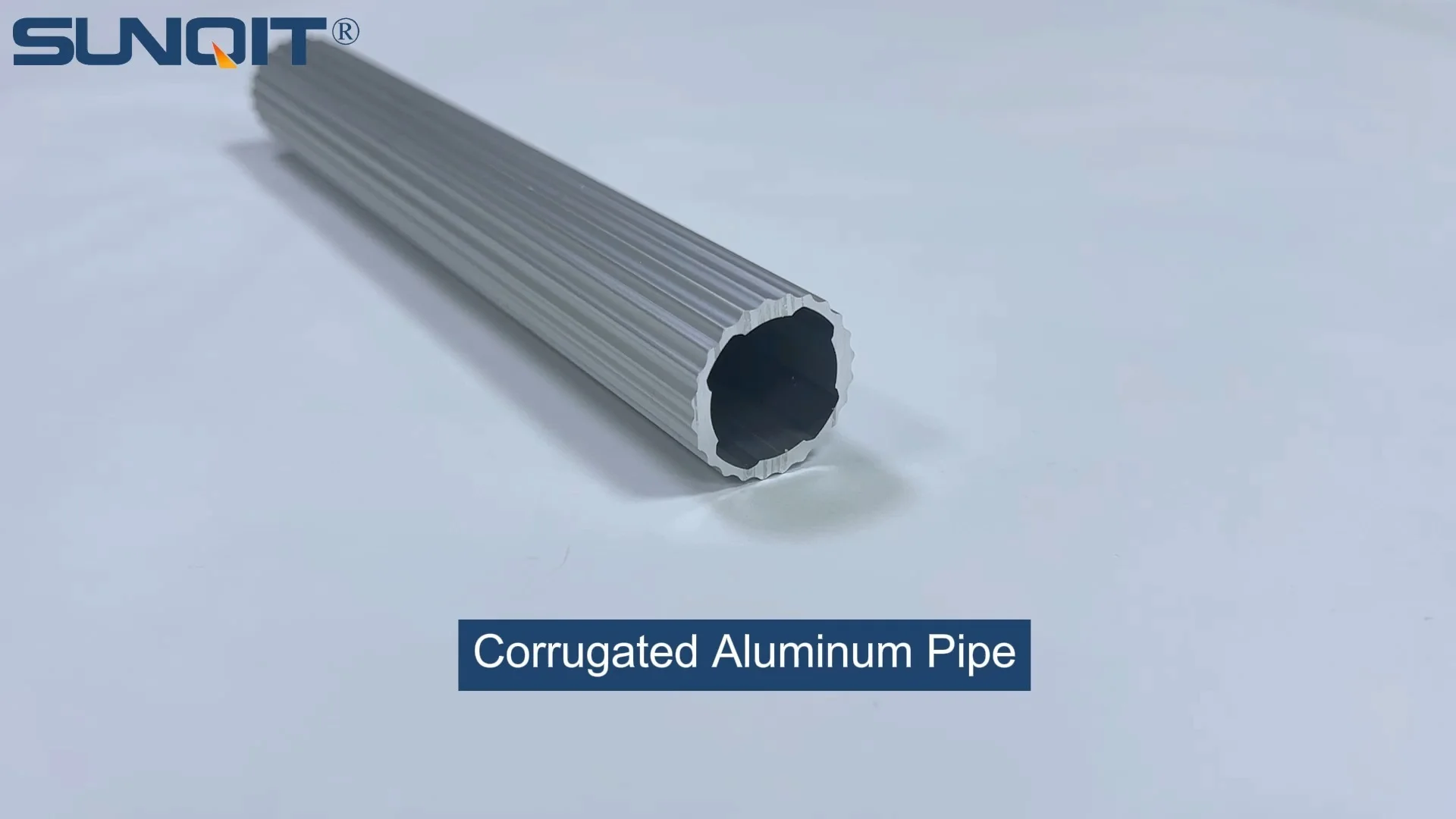
If you've ever worked in a factory, warehouse, or even a busy workshop, you've probably come across corrugated aluminum pipes. These unassuming yet hardworking components are the unsung heroes of many operations—they carry materials, redirect airflow, support conveyor systems, and even protect delicate equipment from dust and debris. What makes them so popular? Their lightweight design, resistance to rust, and flexibility to bend without cracking. But like any workhorse, they take a beating over time. Dents from stray forklifts, cracks from constant vibration, or leaks from worn-out joints can turn a reliable pipe into a frustrating problem.
Ignoring a damaged corrugated aluminum pipe might seem tempting—after all, it's "just a pipe," right? But small issues can snowball fast. A tiny leak could lead to material waste, a bent section might slow down production, and corrosion could weaken the entire structure, putting safety at risk. The good news? Most damages are fixable with the right tools, a little patience, and this step-by-step guide. Whether you're a seasoned maintenance pro or a curious DIYer, we'll walk you through everything you need to know to get your corrugated aluminum pipe back in shape—no fancy equipment required.
Why Corrugated Aluminum Pipes Matter (And Why Repairs Are Worth It)
Before we dive into repairs, let's talk about why these pipes are worth saving. Corrugated aluminum isn't just any material—it's a blend of strength and adaptability. The (corrugated) design adds rigidity without adding weight, making it perfect for tight spaces where heavy steel pipes would be overkill. They're also resistant to most chemicals and weather, which is why you'll find them in everything from food processing plants to outdoor construction sites.
But here's the kicker: replacing a corrugated aluminum pipe can cost 3–5 times more than repairing it, especially if it's part of a larger system. And downtime? That's even pricier. A single hour of halted production because of a pipe issue could eat into your team's productivity and profits. So, learning to repair these pipes isn't just a skill—it's a way to keep operations running smoothly and your budget in check.
Common Types of Damage to Corrugated Aluminum Pipes (And What Causes Them)
Not all pipe damage is the same. Before grabbing your tools, you need to identify what's wrong. Let's break down the most typical issues and their usual suspects:
- Dents: These are the most common culprits. Imagine a warehouse worker maneuvering a pallet jack too quickly—*bump*—and suddenly there's a concave spot on the pipe. Dents usually happen from impact, but they can also form if the pipe is resting on a sharp edge for too long. Small dents might not seem bad, but they can restrict airflow or material flow, and over time, the metal around the dent weakens.
- Cracks: Cracks are trickier. They often start small, like a hairline split near a joint, and grow with vibration. Think about a pipe connected to a conveyor belt that's always shaking—that constant movement can stress the metal until it gives way. Corrosion (more on that later) can also eat through the aluminum, turning pinholes into full-blown cracks.
- Leaks: Leaks rarely happen in the middle of the pipe—they're almost always at the joints. Over time, the gaskets or seals that keep connections tight wear out, especially if the pipe carries hot or moist air. You might notice drips, hissing sounds, or even a loss of pressure in systems that rely on airflow.
- Corrosion: Aluminum is rust-resistant, but it's not corrosion-proof. If the pipe is exposed to saltwater, acidic chemicals, or even just high humidity, you might see white or grayish patches forming on the surface. Left unchecked, corrosion eats away at the metal, making it brittle and prone to cracking.
- Bent Sections: Unlike dents, bends are usually caused by misalignment. Maybe the pipe was installed under tension, or a heavy object leaned on it for weeks. Bent sections throw off the pipe's flow, causing materials to get stuck or airflow to become uneven.

Tools and Materials You'll Need (No Fancy Gear Required)
You don't need a fully stocked industrial workshop to repair a corrugated aluminum pipe. Most of these tools are probably already in your toolbox, and the rest you can grab from a hardware store or your local aluminum pipe supplier. Here's what to gather before you start:
| Tool/Material | What It's For | Pro Tip |
|---|---|---|
| Sandpaper (80-grit and 220-grit) | Cleaning rust, smoothing rough edges, and prepping surfaces for repairs. | Start with 80-grit to remove corrosion, then 220-grit to polish the area—this helps sealants stick better. |
| Aluminum pipe clamp | Holding cracked sections together while epoxy dries, or securing patches in place. | Look for adjustable clamps with rubber padding—they won't scratch the aluminum. |
| Heat gun | Softening dents (aluminum becomes more malleable when warm) or drying sealant faster. | Keep it 6–8 inches from the pipe—too much heat can warp the metal. |
| Aluminum epoxy (two-part) | Filling cracks and bonding patches to the pipe. | Choose an epoxy labeled "for aluminum" or "metal"—regular super glue won't hold up to vibration. |
| Aluminum pipe accessories (patches, gaskets, joint sealant) | Replacing worn-out parts like gaskets at joints, or covering large holes with pre-cut patches. | Buy a small kit from your supplier—they often include patches, sealant, and even a mini roller for smoothing. |
| Rubber mallet | Tapping out dents gently without scratching the pipe. | Wrap the mallet head in a cloth for extra protection—aluminum is soft and can mark easily. |
| Safety gear (gloves, goggles, dust mask) | Protecting your hands from sharp edges, eyes from flying debris, and lungs from sanding dust. | Don't skip the gloves—corrugated edges can be surprisingly sharp, even if they look smooth. |
Safety First: 3 Rules to Avoid Accidents
Before you pick up that wrench, let's cover the basics. Repairing a pipe might seem low-risk, but there are hidden hazards:
- Turn off the system: If the pipe is part of a conveyor, exhaust, or material-handling system, shut it down completely. Lock the power switch if you can—you don't want someone accidentally turning it on while you're working.
- Check for pressure: If the pipe carries air, gas, or liquids, release any built-up pressure before starting. A sudden burst could send debris flying or spray you with fluid.
- Wear your gear: Gloves protect against cuts, goggles shield your eyes from sanding dust, and a mask keeps aluminum particles out of your lungs. It might feel silly for a "small job," but better safe than sorry.
Step-by-Step Repair Guide: Fixing the 5 Most Common Damages
Now, let's get to the good stuff. Below, we'll walk through repairing the five most common issues with corrugated aluminum pipes. Follow the steps for your specific problem, or read through all of them—you never know when that knowledge might come in handy.
1. Fixing Dents: From "Ugly" to "Good As New"
Dents are the easiest to fix, and they're usually cosmetic (though deep dents can restrict flow). Here's how to smooth them out:
- Clean the area: Use 80-grit sandpaper to remove any dirt, rust, or paint around the dent. Wipe it clean with a dry cloth—you want a smooth, debris-free surface.
- Heat the dent: Aim your heat gun at the dented area, moving it back and forth (don't focus on one spot!). Heat the aluminum until it's warm to the touch but not scorching (about 2–3 minutes). Aluminum softens at around 300°F, which is hot but not enough to burn you if you're careful.
- Gently tap it out: Place a block of wood over the dent (this prevents the mallet from scratching the pipe) and tap the wood with your rubber mallet. Start from the edges of the dent and work your way toward the center—this pushes the metal back into place without stretching it.
- Cool and check: Let the pipe cool for 5 minutes, then run your hand over the area. If the dent is still visible, repeat the heating and tapping process. For deep dents, you might need to use a small plunger (the kind for sinks) to suction and pull the metal outward—just make sure the plunger cup is wet for a tight seal.
2. Repairing Cracks: Stop Them From Spreading
Cracks are more serious than dents—they can leak materials or weaken the pipe's structure. The key here is to seal the crack and reinforce it to prevent further damage:
- Mark the crack: Use a marker to draw a line 1 inch on either side of the crack—this is your "work zone."
- Sand the work zone: Use 80-grit sandpaper to rough up the area around the crack (including the 1-inch borders). This helps the epoxy bond better. Wipe away dust with a cloth dampened with rubbing alcohol—alcohol evaporates quickly and leaves no residue.
- Mix the epoxy: Squeeze equal parts of the epoxy resin and hardener onto a disposable plate. Stir them together with a popsicle stick for 1–2 minutes until the color is uniform (follow the product instructions—some epoxies have different mixing ratios).
- Apply the epoxy: Use the popsicle stick to spread a thick layer of epoxy over the crack, making sure it seeps into the crevice. Then, place a small aluminum patch (from your aluminum pipe accessories kit) over the crack—this adds strength. Cover the patch with another layer of epoxy, smoothing it out so it blends with the pipe.
- Clamp it down: Secure the patch with an aluminum pipe clamp, tightening it just enough to hold the patch in place (don't over-tighten—you'll squeeze out all the epoxy!). Let it dry for at least 24 hours (check the epoxy's curing time—some fast-drying formulas set in 2–4 hours).
- Sand the patch: Once dry, use 220-grit sandpaper to smooth the edges of the patch until it's flush with the pipe. If you want, you can paint it with aluminum-friendly spray paint to match the rest of the pipe.
3. Sealing Leaks: No More Drips or Hisses
Leaks are usually at joints, where gaskets or seals have worn out. Here's how to fix them without replacing the entire joint:
- Find the leak: If it's not obvious, turn on the system briefly (with caution!) and listen for hissing, or spray a mix of water and dish soap on the joint—bubbles will form where the leak is.
- Disassemble the joint: Use a wrench to loosen the clamps or bolts holding the joint together. Be gentle—aluminum threads can strip easily. Remove the old gasket (it might be brittle, so wear gloves to avoid cuts).
- Clean the joint: Scrub the inside of the joint with a wire brush to remove rust or old sealant. Sand the mating surfaces with 220-grit sandpaper to smooth them out.
- Install a new gasket: Grab a replacement gasket from your aluminum pipe accessories kit (make sure it's the same size as the old one). Apply a thin layer of silicone sealant to both sides of the gasket, then press it into place.
- Reassemble and tighten: Put the joint back together and tighten the clamps/bolts by hand first, then give them a quarter-turn with a wrench—just enough to compress the gasket without crushing it.
- Test for leaks: Let the sealant dry for an hour, then turn on the system. If you still see leaks, tighten the clamps a little more (but don't overdo it!).
4. Fighting Corrosion: Stop Rust in Its Tracks
White or grayish corrosion might look scary, but it's usually just surface-level. Here's how to remove it and prevent it from coming back:
- Scrape off loose corrosion: Use a plastic scraper (metal scrapers can scratch the aluminum) to remove flaky corrosion. Be gentle—you don't want to gouge the pipe.
- Sand the area: Use 80-grit sandpaper to sand away the remaining corrosion, working in small circles. Stop when you see bright, clean aluminum (you might need to sand a bit beyond the corroded area to ensure you got it all).
- Neutralize the surface: Mix equal parts water and white vinegar in a spray bottle. Spray the sanded area and let it sit for 5 minutes—vinegar neutralizes any remaining corrosion-causing chemicals. Wipe it clean with a damp cloth and let it dry completely.
- Apply anti-corrosion spray: Use a clear anti-corrosion spray (look for one labeled "for aluminum") to coat the area. Hold the can 8–10 inches away and apply a light, even layer. Let it dry for 30 minutes, then apply a second coat. This creates a barrier against moisture and chemicals.
5. Straightening Bent Sections: Getting Back to "Straight and True"
Bent pipes throw off flow and can cause materials to jam. Here's how to straighten them without breaking the pipe:
- Support the pipe: Place two sawhorses under the pipe, one on each side of the bend. This keeps it stable while you work.
- Heat the bend: Use a heat gun to warm the bent section (move it back and forth to avoid overheating). Aluminum bends easier when warm, so heat it until it's too hot to touch with bare hands (but not glowing—aluminum melts at 1,221°F, so you're aiming for warm, not molten).
- Gently apply pressure: Use a rubber mallet to tap the pipe near the bend, working from the outside in. For example, if the pipe is bent upward, tap the bottom of the bend to push it down. Go slow—sudden force can crack the pipe.
- Check straightness: Lay a straightedge (like a long level) along the pipe to see if it's straight. If not, repeat the heating and tapping process. For stubborn bends, you can use a pipe bender (available at hardware stores), but wrap the pipe in a towel first to prevent scratches.
When to replace Instead of Repair (Yes, Sometimes It's Necessary)
Repairing is great, but there are times when a pipe has simply had enough. Here's when to bite the bullet and order a replacement:
- Multiple cracks: If the pipe has 3+ cracks (even small ones), the metal is probably weakened beyond repair. A new pipe will be more reliable.
- Severe corrosion: If corrosion has eaten through more than 30% of the pipe's thickness (you can check with a ruler and sandpaper—if the remaining metal is paper-thin), it's time to replace.
- Warped or collapsed sections: If the pipe is bent so badly that it's flattened or collapsed, straightening it will weaken the metal, leading to more issues later.
- Old age: Corrugated aluminum pipes typically last 10–15 years with good maintenance. If yours is pushing 20, replacing it proactively can save you from unexpected failures.
Pro Maintenance Tips to Keep Your Pipes Happy (And Avoid Future Repairs)
Inspect monthly: A quick visual check can catch small dents or early corrosion before they become big problems. Look for discoloration, dents, or loose joints.
Clean regularly: Wipe down pipes with a damp cloth to remove dust and debris—buildup can trap moisture, leading to corrosion.
Add supports: If a pipe sags in the middle, install extra brackets (use aluminum profile for a sturdy, lightweight option) to reduce stress on the metal.
Protect from impacts: Put up guards around pipes near high-traffic areas (like forklift paths) to prevent dents. Even simple foam padding can make a difference.
replace gaskets every 2–3 years: Don't wait for leaks—swap out old gaskets proactively. It's cheap insurance against downtime.
Final Thoughts: Your Pipe, Your Productivity
Repairing a corrugated aluminum pipe might not be the most glamorous task, but it's one that pays off in spades. By taking the time to fix dents, seal leaks, or fight corrosion, you're not just saving money—you're keeping your team safe, your operations running smoothly, and your equipment in top shape. And who knows? You might even discover a new skill (or impress your boss with your handy work).
Remember: the key is to act fast. A small problem today is easier to fix than a big one tomorrow. With the steps in this guide, a few basic tools, and a little elbow grease, you'll have that pipe back to work in no time. Now go grab your aluminum pipe clamp, and let's get that pipe repaired!