- Company Articles
- Products and Technology
- Procurement Guidelines
- How to Source High-Quality Turning Angle Code 4040 for Lean Manufacturing Projects

How to Source High-Quality Turning Angle Code 4040 for Lean Manufacturing Projects
Related Product
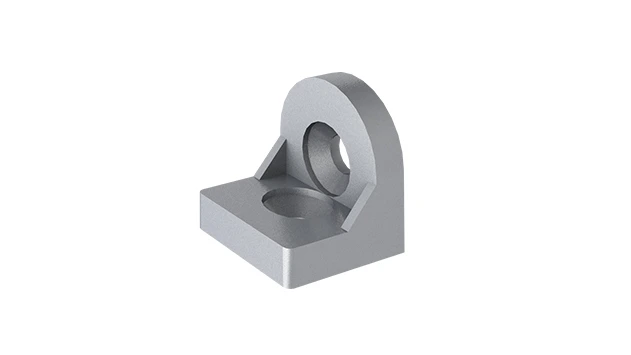
Turning Angle Code 4040
The turning angle aluminum profile connector provides a 90 degree hidden corner connection. 4040 it is means this size is used for 40 series aluminum profile.The corner code comes with set screws that allow for quick, easy connections.
Walk into any lean manufacturing facility, and you'll likely be struck by the orderliness: workstations that fit together like clockwork, material racks that glide smoothly, and assembly lines that hum with efficiency. Behind that seamless operation lies a web of small but critical components, each playing a role in keeping the system running. One such unsung hero? The Turning Angle Code 4040 . These unassuming brackets might not look like much, but they're the glue that holds together the aluminum profile structures—think workbenches, material racks, and production cells—that form the backbone of lean manufacturing. Sourcing high-quality Turning Angle Code 4040 isn't just about buying a part; it's about investing in the reliability, safety, and long-term efficiency of your entire operation. In this guide, we'll break down everything you need to know to find the best options for your projects, from key features to look for to choosing the right lean system supplier .
Why Turning Angle Code 4040 Matters in Lean Manufacturing
Lean manufacturing is all about eliminating waste—whether that's time, materials, or unnecessary movement. To do that, every component in your setup needs to work in harmony. The Turning Angle Code 4040 is a prime example of a component that, when done right, reduces waste by ensuring stability and precision. These brackets are designed to connect 40mm x 40mm aluminum profiles at 90-degree angles, forming the corners of workstations, frames, and racks. A poorly made angle code can throw off that harmony: loose joints lead to wobbly workbenches, misaligned profiles cause jams in material flow, and weak materials can even compromise safety. On the flip side, a high-quality Turning Angle Code 4040 creates rigid, secure connections that keep your structures stable, your processes predictable, and your team productive.
Consider this: If you're running a production line where workers assemble small electronics, a wobbly workstation due to a faulty angle code might lead to misaligned parts, rework, and delays. Multiply that by dozens of workstations across a facility, and the cost of low-quality components adds up fast—both in time and money. High-quality angle codes, on the other hand, ensure that every structure stays true to form, reducing downtime and keeping your lean system on track.
Key Features of High-Quality Turning Angle Code 4040
Not all Turning Angle Code 4040 brackets are created equal. To spot the best ones, you'll need to look beyond the price tag and focus on these critical features:
1. Material Quality: Aluminum Alloy Matters
Most high-quality Turning Angle Code 4040 brackets are made from aluminum alloy, typically 6061 or 6063. These alloys are chosen for their winning combination of strength, lightweight, and corrosion resistance—essential in factory environments where moisture, oils, or chemicals might be present. Avoid brackets made from low-grade steel or plastic: steel is prone to rusting, and plastic can warp or crack under heavy loads. Aluminum, by contrast, holds up to daily wear and tear, ensuring your structures stay sturdy for years.
2. Dimensional Accuracy: Precision is Non-Negotiable
In lean manufacturing, fractions of a millimeter matter. A Turning Angle Code 4040 with poor dimensional accuracy won't fit snugly with your 4040 aluminum profiles, leading to loose joints or misaligned frames. Look for brackets with tight tolerances—ideally ±0.1mm for hole positions and profile slots. This precision ensures that when you assemble your structure, every part fits together on the first try, reducing assembly time and frustration.
3. Surface Finish: Smoothness and Durability
A good surface finish isn't just about aesthetics; it's about functionality. High-quality angle codes often have an anodized finish, which adds a protective layer to the aluminum, enhancing corrosion resistance and preventing scratches. Avoid brackets with rough edges, burrs, or uneven coatings—these can damage your aluminum profiles during assembly or create snags that catch on materials or tools.
4. Load-Bearing Capacity: Built for Real-World Use
Your Turning Angle Code 4040 needs to support the weight of whatever you're building—whether it's a workbench loaded with tools or a material rack stacked with components. Check the supplier's specs for load ratings; a reputable lean system supplier will provide clear data on how much weight the bracket can handle without bending or deforming. As a rule of thumb, aim for brackets rated for at least 50kg per joint—more if you're building heavy-duty structures.
5. Compatibility with Aluminum Profile Accessories
Lean systems are modular, which means your Turning Angle Code 4040 needs to work seamlessly with other aluminum profile accessories like bolts, nuts, end caps, and panel mounts. For example, if you're using 4040 aluminum profile end caps to finish off your frames, the angle code's bolt holes should align perfectly with the profile's T-slots. A mismatch here can force you to modify parts on the fly, defeating the purpose of lean efficiency.

How to Choose the Right Lean System Supplier
Even the best-designed Turning Angle Code 4040 is only as good as the supplier behind it. With so many options on the market—from budget-friendly overseas manufacturers to niche domestic suppliers—finding a reliable partner can feel overwhelming. Here's what to look for to narrow down your choices:
1. Industry Experience: Look for a Track Record
Lean manufacturing has unique needs, and a supplier that specializes in industrial components will understand those needs better than a general hardware store. Look for suppliers with at least 5–10 years of experience in providing lean system components. Ask for case studies or references from clients in your industry—for example, if you're in automotive manufacturing, a supplier who's worked with other auto plants will know the demands of your environment (like resistance to oil and heavy loads).
2. Quality Control Processes: Certifications Tell a Story
A reputable supplier will have strict quality control (QC) processes in place. Look for certifications like ISO 9001, which indicates that the supplier follows international standards for quality management. Don't hesitate to ask about their QC steps: Do they inspect every batch for dimensional accuracy? Test load-bearing capacity on a sample basis? A supplier that's transparent about their processes is more likely to deliver consistent, high-quality parts.
3. Customization Options: Flexibility for Your Needs
No two lean projects are exactly alike. Maybe you need a Turning Angle Code 4040 with extra holes for cable management, or a specialized finish for an ESD (electrostatic discharge) environment. A good lean system supplier will offer customization options, whether it's modifying hole positions, adjusting materials, or adding branding. Avoid suppliers with a "one-size-fits-all" approach—they're unlikely to meet the unique demands of your setup.
4. After-Sales Support: Beyond the Sale
Even the best components can run into issues. What if a batch of angle codes arrives with a defect? Or you need help troubleshooting an assembly problem? A supplier with strong after-sales support will respond quickly, offer replacements if needed, and provide technical assistance. Look for suppliers with dedicated customer service teams and clear warranty policies—ideally, a warranty of at least 12 months for manufacturing defects.
| Supplier Feature | Top-Tier Lean System Supplier | Budget/Generic Supplier |
|---|---|---|
| Industry Experience | 5+ years in lean manufacturing; client references available | Limited or no focus on lean systems |
| Quality Certifications | ISO 9001 certified; detailed QC reports provided | No certifications; vague QC processes |
| Customization | Offers modified designs (holes, finishes, materials) | Only stock sizes; no customization |
| After-Sales Support | 12+ month warranty; dedicated technical team | No warranty; slow or unresponsive support |
| Compatibility with Aluminum Profile Accessories | Tested with 4040 aluminum profile end caps, bolts, and tools | No testing; may not fit standard accessories |

Common Pitfalls to Avoid When Sourcing Turning Angle Code 4040
Even with the best intentions, it's easy to fall into traps when sourcing components. Here are the most common mistakes to watch out for:
1. Choosing Price Over Quality
It's tempting to opt for the cheapest Turning Angle Code 4040 you can find, but this is almost always a false economy. A $2 bracket might seem like a steal, but if it bends under load or cracks after six months, you'll end up spending more on replacements, repairs, and downtime. Invest in mid-to-high-range options—typically $5–$10 per bracket—from a reputable supplier. The upfront cost is offset by longer lifespan and better performance.
2. Ignoring Compatibility with Existing Systems
If you're adding to an existing lean setup, make sure the new Turning Angle Code 4040 is compatible with your current aluminum profiles and accessories. For example, if your existing profiles have a specific slot design, a bracket with mismatched hole spacing won't work. Always check the supplier's specs against your current components, or ask for a sample to test fit before placing a bulk order.
3. Overlooking Material Testing
Don't take a supplier's word for it when they claim their angle codes are "high-quality." Ask for material test reports (MTRs) that verify the aluminum alloy grade and mechanical properties (like tensile strength). If a supplier hesitates to provide this information, it's a red flag—they may be using subpar materials.
4. Neglecting Lead Times
Lean manufacturing thrives on just-in-time production, but that doesn't mean your components should arrive at the last minute. Poorly managed lead times can delay projects or force you to rush assembly with suboptimal parts. When vetting suppliers, ask about their typical lead times for stock and custom orders, and build in a buffer (1–2 weeks) to avoid delays.
Case Study: How the Right Turning Angle Code 4040 Transformed a Production Line
To put this all in perspective, let's look at a real-world example. A mid-sized medical device manufacturer was struggling with their assembly line: workstations were wobbly, material racks kept shifting, and workers were spending extra time adjusting components instead of assembling products. Their existing Turning Angle Code 4040 brackets were generic, low-cost models from a non-specialized supplier. After an audit, they realized the brackets were deforming under the weight of tools and materials, leading to loose joints.
The manufacturer switched to a high-quality Turning Angle Code 4040 from a lean system supplier that specialized in aluminum profile components. The new brackets were made from 6061 aluminum alloy, had an anodized finish, and were tested to handle 75kg per joint. They also paired the brackets with compatible aluminum profile accessories, including 4040 aluminum profile end caps to protect edges and reduce snags.
The results were striking: Within three months, unplanned downtime due to workstation issues dropped by 60%. Assembly time per unit decreased by 15%, as workers no longer had to adjust loose joints. And employee feedback was overwhelmingly positive—teams reported feeling safer and more confident working with stable, reliable equipment. The upfront cost of the higher-quality brackets was recouped in less than six months through improved efficiency.
Final Tips: Testing and Validating Your Turning Angle Code 4040
Before committing to a bulk order, take these steps to validate the quality of your Turning Angle Code 4040:
- Request Samples: Order 5–10 samples and test them in your actual setup. Assemble a small structure (like a mini workbench) and check for fit, stability, and ease of assembly.
- Measure Dimensional Accuracy: Use calipers to check hole positions, slot sizes, and overall dimensions against the supplier's specs. Even small discrepancies can cause big problems.
- Test Load Capacity: Gradually add weight to the assembled structure to see how the brackets hold up. If possible, use a force gauge to measure deflection under load.
- Inspect Surface Finish: Run your hand along the bracket to check for burrs or rough spots. A magnifying glass can help spot uneven anodization or coating defects.
Conclusion: Invest in Quality, Reap the Rewards
Sourcing high-quality Turning Angle Code 4040 is more than a purchasing decision—it's an investment in the efficiency, safety, and longevity of your lean manufacturing system. By focusing on material quality, dimensional accuracy, and compatibility with aluminum profile accessories, and partnering with a reputable lean system supplier, you'll ensure that your structures stay stable, your processes stay efficient, and your team stays productive. Remember: in lean manufacturing, every component counts. And when it comes to the Turning Angle Code 4040, cutting corners today will only lead to more waste tomorrow.