- Company Articles
- Products and Technology
- Procurement Guidelines
- How to Source Qualified 2020 National Standard Profile Suppliers in China

How to Source Qualified 2020 National Standard Profile Suppliers in China
Related Product
2020 National Standard Profile
45° external bending joint, used for 45° external connection of two aluminum pipes.
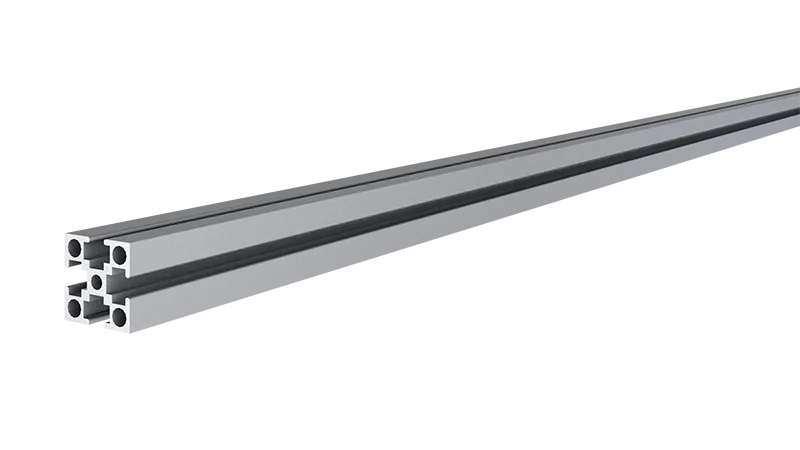
For manufacturers and businesses relying on modular workbenches, material racks, or production line setups, the quality of aluminum profiles can make or break operational efficiency. Among the most widely used options is the 2020 national standard profile—a versatile, lightweight, and durable solution ideal for everything from simple workbench frames to complex automated systems. But here's the catch: sourcing this critical component from China, a global hub for aluminum extrusion, isn't as straightforward as typing "2020 profile supplier" into a search bar. With countless suppliers claiming to offer "high-quality" products, distinguishing the reliable partners from the rest requires a strategic approach. In this guide, we'll walk you through the essentials of finding and vetting top-tier 2020 national standard profile suppliers in China, covering everything from understanding the product itself to building long-term partnerships that drive your business forward.
Understanding 2020 National Standard Profile: More Than Just a "20x20" Piece of Metal
Before diving into supplier sourcing, let's clarify what makes a 2020 national standard profile unique. At first glance, you might think it's simply an aluminum extrusion with a 20mm x 20mm cross-section—and while that's the starting point, the "national standard" label adds layers of specificity. These profiles are manufactured to strict dimensional tolerances, material standards, and performance benchmarks set by Chinese national regulations, ensuring consistency, compatibility, and reliability across applications.
Key Specifications to Know
The 2020 national standard profile isn't just about size. Here's what sets it apart:
Precision Dimensions:
The cross-section is tightly controlled to 20mm ±0.1mm, ensuring compatibility with aluminum profile accessories like connectors, brackets, and panels. A profile that's even slightly off (e.g., 19.8mm or 20.3mm) can lead to loose fits, wobbly structures, or failed assemblies.
Material Quality:
Most 2020 profiles are made from 6063-T5 aluminum alloy, prized for its excellent balance of strength, corrosion resistance, and machinability. This alloy undergoes heat treatment (T5) to enhance hardness, making the profile sturdy enough for load-bearing applications like workbenches or material racks.
Surface Finish:
Standards typically require anodized or powder-coated finishes. Anodizing creates a protective oxide layer (usually 8-12μm thick) that resists scratches and corrosion, while powder coating adds color and durability—critical for profiles used in visible or high-wear areas.
Hollow Core Design:
The profile's hollow center reduces weight without sacrificing strength, making it easy to transport and assemble. It also allows for internal wiring or tubing, a common requirement in automated production lines.
Why This Matters:
Choosing a supplier that cuts corners on these specs can lead to costly issues. For example, a profile with subpar alloy might bend under the weight of equipment, while poor surface treatment could result in rust in humid factory environments. Always verify that the supplier's 2020 national standard profile meets GB/T 6892 (aluminum alloy extruded profiles for general engineering) and GB/T 14846 (anodizing standards) to avoid compatibility or durability problems.
5 Key Traits of a Reliable 2020 National Standard Profile Supplier
Not all aluminum profile suppliers are created equal. To avoid headaches down the line, focus on these non-negotiable qualities when evaluating potential partners:
1. Rigorous Quality Control (QC) Processes
A top supplier doesn't just "check" quality—they embed it into every step of production. Look for suppliers that:
Test Raw Materials:
Incoming aluminum billets should be inspected for alloy composition (via spectrometry) and purity (to avoid impurities that weaken the final product).
Monitor Extrusion Parameters:
During extrusion, temperature (typically 480-520°C for 6063 aluminum), speed, and die alignment are closely controlled to ensure consistent profile dimensions and structure.
Conduct Post-Extrusion Inspections:
After cutting, profiles should undergo dimensional checks (using calipers or coordinate measuring machines), surface finish tests (adhesion, thickness), and mechanical tests (tensile strength, hardness). Reputable suppliers will share QC reports or certificates upon request.
2. Clear Certifications and Compliance
Certifications aren't just paperwork—they're proof of a supplier's commitment to standards. Prioritize suppliers with:
ISO 9001 Certification:
This ensures the supplier has a documented quality management system (QMS) in place, from raw material sourcing to shipping.
National Standard Compliance:
Ask for test reports confirming compliance with GB/T 6892 and GB/T 14846. For export markets, additional certifications like RoHS (for electronics) or REACH (for the EU) may be necessary.
Factory Audits:
Third-party audits (e.g., by SGS, BV, or Intertek) add an extra layer of credibility. Many suppliers display audit results on their websites or can share them via email.
3. Flexible Production Capacity
Whether you need 100 profiles for a prototype or 10,000 for mass production, your supplier should scale with you. Key questions to ask:
Extrusion Lines:
How many extrusion presses do they have? A supplier with multiple presses (e.g., 5-10) can handle larger orders without delays.
Lead Times:
What's their typical turnaround for small (≤500 units) vs. large (≥5,000 units) orders? Avoid suppliers with lead times exceeding 30 days for standard profiles—this often signals inefficiency or overcapacity.
Customization Capabilities:
While you may need standard 2020 profiles now, future projects might require custom lengths, holes, or finishes. A supplier with in-house machining (drilling, cutting, tapping) can save time and cost compared to outsourcing.
4. Transparent Pricing and No Hidden Costs
Low prices can be tempting, but they often come with strings attached. A trustworthy supplier will:
Provide Detailed Quotations:
Break down costs by material, extrusion, finishing, cutting, and shipping. Avoid vague quotes like "$2 per meter"—ask for a line-by-line breakdown.
Clarify MOQs:
Minimum order quantities (MOQs) for 2020 profiles typically range from 500-1,000 meters, but some suppliers offer lower MOQs for repeat customers. Be wary of suppliers with excessively high MOQs (e.g., 10,000 meters) unless you're scaling production.
Disclose Additional Fees:
Shipping, customs clearance, and certification costs should be upfront. For example, air freight may cost 3-5x more than sea freight, but it's faster—your supplier should help you weigh these options.
5. Responsive Communication and After-Sales Support
Distance (and language barriers) can complicate sourcing from China, so communication is critical. A reliable supplier will:
Respond Promptly:
Emails or messages should be answered within 24 hours (even on weekends for urgent inquiries). Delayed responses often indicate poor customer service.
Assign a Dedicated Contact:
A single point of contact (e.g., an account manager) ensures consistency and reduces miscommunication. This person should speak fluent English and understand your industry's needs.
Offer Post-Sales Support:
If a batch of profiles arrives damaged or out of spec, the supplier should replace them quickly (e.g., within 7-10 days) at no extra cost. Avoid suppliers that blame "shipping" or "unforeseen issues" without offering solutions.

The Step-by-Step Vetting Process: From Shortlist to Partnership
Now that you know what to look for, let's walk through how to find and vet suppliers effectively. This process takes time, but it's far cheaper than dealing with defective products or unreliable partners later.
Step 1: Build a Targeted Shortlist
Start by casting a wide net, then narrow it down. Here's how:
Use Trusted Platforms:
Alibaba, Made-in-China, and Global Sources are popular, but focus on "Verified Suppliers" (those with paid memberships and third-party checks). Trade shows like the Canton Fair (Guangzhou) or Chinaplas (Shanghai) also let you meet suppliers in person—bring a sample profile to compare quality.
Check Industry Directories:
Organizations like the China Nonferrous Metals Industry Association (CNIA) list reputable aluminum extrusion companies. You can also ask peers in your industry for referrals—word-of-mouth is often the most reliable source.
Filter by Specialization:
Not all aluminum suppliers focus on 2020 national standard profiles. Look for those that highlight "lean manufacturing solutions," "modular workbenches," or "aluminum extrusion profile" in their product descriptions—this signals expertise in your specific needs.
Step 2: Screen Suppliers with Strategic Questions
Once you have a list of 5-10 suppliers, send a detailed inquiry with these questions to weed out the unqualified:
"What standards do your 2020 profiles comply with? Can you share recent test reports?"
Non-compliant suppliers will dodge this or send generic certificates—insist on reports dated within the last 6 months.
"What's your typical lead time for 1,000 meters of 2020 profile with anodized finish?"
This tests their production capacity and honesty—unrealistically short lead times (e.g., 3 days) may indicate rushed QC.
"Do you offer samples? What's the cost and turnaround?"
Reputable suppliers will provide free or low-cost samples (e.g., $50 for 2-3 meters) to prove quality. Avoid those that charge exorbitant fees or refuse samples altogether.
Step 3: Evaluate Samples Rigorously
Samples are your best chance to assess quality firsthand. Test them for:
Dimensions:
Use a digital caliper to measure the cross-section (20mm x 20mm) and wall thickness (typically 1.2-1.5mm for 2020 profiles). Inconsistent measurements mean poor extrusion control.
Surface Finish:
Check for scratches, dents, or uneven coloring. For anodized profiles, perform a simple adhesion test: apply masking tape, press firmly, and peel—no coating should come off.
Strength:
Clamp a 1-meter sample and apply gradual pressure (e.g., using a hand press) to see if it bends or cracks. A quality 2020 profile should flex slightly but return to shape without permanent deformation.
Compatibility:
If you plan to use aluminum profile accessories (e.g., connectors, brackets), test assembly with a few accessories. The profile should fit snugly without gaps or forced pressure.
Step 4: Audit the Factory (If Possible)
For large or long-term orders, a factory audit is worth the investment. If you can't visit in person, hire a third-party inspector (e.g., SGS) to check:
Production Environment:
Is the factory clean and organized? Are extrusion lines well-maintained? Messy or outdated facilities often correlate with poor quality.
QC Practices:
Are inspectors using calibrated tools? Is there a dedicated QC station with documented checklists?
Inventory Management:
Raw materials and finished products should be stored properly (e.g., indoors to avoid corrosion from moisture).
Step 5: Negotiate Terms and Sign a Contract
Once you've selected a top supplier, finalize the details in writing. Key contract terms include:
Quality Standards:
Reference specific certifications (e.g., GB/T 6892) and sample approval—define what constitutes a "defective" product (e.g., >0.1mm dimension, visible scratches).
Pricing and Payment:
Agree on a fixed price per meter (or bulk discount) and payment terms (e.g., 30% deposit, 70% upon delivery). Use a secure payment method like L/C or Alibaba Trade Assurance to protect against fraud.
Shipping and Logistics:
Clarify who handles shipping (supplier or your freight forwarder) and insurance. Include clauses for delays (e.g., 0.5% discount per day late after 10 days).
Common Pitfalls to Avoid When Sourcing 2020 National Standard Profile
Even with careful vetting, sourcing from China has risks. Watch out for these red flags:
Counterfeit or "Fake" Standards:
Some suppliers label non-compliant profiles as "2020 national standard" to win orders. Always cross-check test reports with official standards (available on the CNIA website).
Hidden Costs:
A $1.50/meter quote might exclude finishing, cutting, or shipping—ask for a "door-to-door" price to avoid surprises at customs.
Poor Communication:
If a supplier takes 3+ days to reply to emails or struggles with basic English, day-to-day collaboration will be frustrating. Prioritize those with responsive, bilingual staff.
Overpromising and Underdelivering:
Suppliers that claim to "do everything" (e.g., custom profiles, accessories, shipping) may lack focus. Stick to those that specialize in aluminum extrusion profile—jack-of-all-trades often master none.
Supplier Evaluation Checklist: Compare Your Top Candidates
Use this table to rank suppliers objectively (1=Poor, 5=Excellent):
| Evaluation Criteria | Supplier A | Supplier B | Supplier C |
|---|---|---|---|
| Compliance with 2020 National Standard (GB/T 6892) | ___/5 | ___/5 | ___/5 |
| Sample Quality (Dimensions, Finish, Strength) | ___/5 | ___/5 | ___/5 |
| Lead Time for 1,000 Meters | ___/5 | ___/5 | ___/5 |
| Communication Responsiveness | ___/5 | ___/5 | ___/5 |
| After-Sales Support Policy | ___/5 | ___/5 | ___/5 |
| Total Score | ___/25 | ___/25 | ___/25 |
Final Thoughts: Building a Partnership, Not Just a Transaction
Sourcing 2020 national standard profile from China doesn't have to be a gamble. By focusing on quality certifications, rigorous sample testing, and clear communication, you can find a supplier that delivers consistent, reliable products. Remember, the goal isn't just to "buy profiles"—it's to build a partnership that grows with your business. A good supplier will adapt to your needs, offer technical support, and help you solve problems (e.g., custom lengths, new finishes) along the way. With the right partner, your 2020 profiles won't just be components—they'll be the foundation of efficient, durable, and scalable manufacturing systems.