- Company Articles
- Products and Technology
- Product knowledge
- How to Test the Durability of Flat Rigid Castor Wheels Before Factory Use

How to Test the Durability of Flat Rigid Castor Wheels Before Factory Use
Related Product
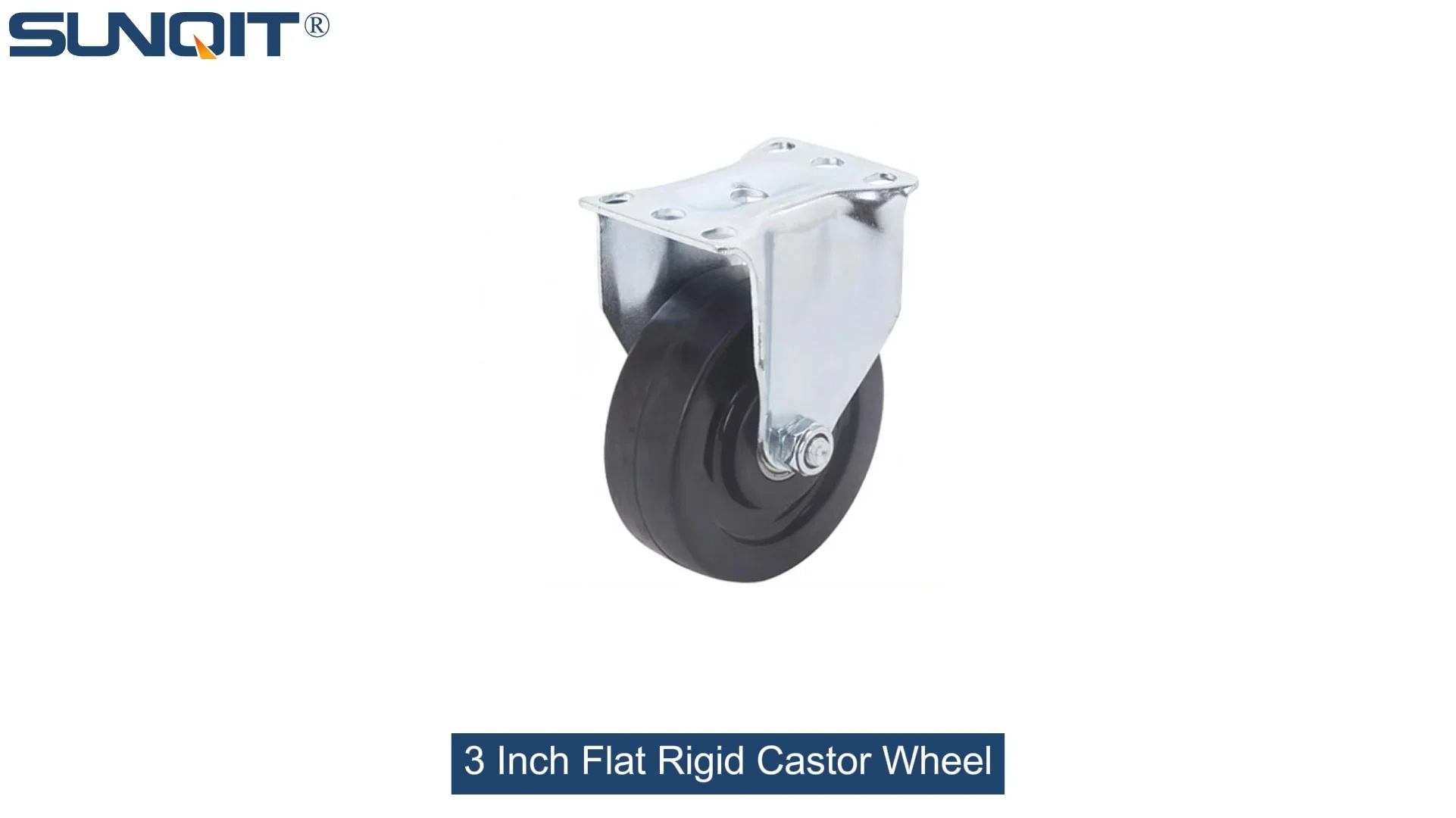
Flat Rigid Castor Wheel
Chair Casters Ball Bearing Wheels Rubber Base. Resistant to abrasion, impact and corrosion. Heavy payload can hold 70Kgs per pcs,which can make it works at a stable and smooth status.
In the bustling environment of a factory, where every minute counts and efficiency is king, there's a silent workhorse that often goes unnoticed: the castor wheel. From moving heavy machinery across the shop floor to transporting raw materials between workstations, these small but mighty components keep operations flowing. But not all castor wheels are created equal—especially when it comes to flat rigid castor wheels , the stalwart allies designed for straight-line movement in high-stress industrial settings. Unlike their swiveling counterparts, these rigid wheels lock into a fixed direction, making them ideal for stable, repetitive transport tasks. Yet, their reliability hinges on one critical factor: durability. A single failed castor wheel can bring a production line to a grinding halt, damage valuable equipment, or even put workers at risk. That's why testing the durability of flat rigid castor wheels before they ever touch the factory floor isn't just a good practice—it's essential.
In this guide, we'll walk through the ins and outs of durability testing for flat rigid castor wheels, breaking down why it matters, what specific traits to evaluate, and step-by-step methods to ensure these components can stand up to the rigors of factory life. We'll also touch on how caster accessories like bearings, axles, and mounting plates play into overall performance, and share insights to help you avoid common pitfalls. By the end, you'll have a clear roadmap to guarantee that the castor wheels you choose are ready to roll—literally and figuratively—for the long haul.
Why Durability Testing Matters: Beyond the "Set It and Forget It" Myth
It's easy to assume that all castor wheels are built tough. After all, they're designed to carry heavy loads, right? But the reality is far more nuanced. Factory environments are unforgiving: uneven concrete floors, constant vibration, extreme temperatures, and exposure to oils, chemicals, or debris are just a few of the challenges a castor wheel faces daily. A flat rigid castor wheel that works perfectly in a controlled warehouse might crack under the pressure of a metalworking shop's debris-strewn floors or a food processing plant's high-moisture conditions. Without proper testing, you're gambling with more than just equipment—you're risking downtime, repair costs, and even workplace safety.
Consider this scenario: A manufacturer installs a new line of material carts fitted with untested flat rigid castor wheels. Within weeks, workers notice the wheels starting to wobble. Upon inspection, the axles—cheaply made and untested for load stress—have bent under the weight of the cart's contents. The carts are pulled from service, halting material transport between assembly stations. What could have been a minor delay balloons into a full day of downtime as replacement wheels are sourced, costing the company thousands in lost productivity. This isn't just a hypothetical; it's a common story in facilities that skip durability testing. The lesson? Cutting corners on testing today leads to bigger headaches tomorrow.
Durability testing also helps you align your castor wheel choice with your specific needs. Not every factory requires the same level of toughness. A facility moving lightweight electronics might prioritize noise reduction and smooth rolling, while a steel mill transporting 500kg coils needs wheels that can handle extreme weight and heat. Testing lets you match the wheel's performance to your environment, ensuring you're not overpaying for features you don't need—or worse, underinvesting in critical ones.
Key Durability Traits to Test: What Makes a Flat Rigid Castor Wheel "Factory-Ready"?
Before diving into testing methods, let's clarify what "durability" actually means for a flat rigid castor wheel. It's not just about being "strong"—it's a combination of specific, measurable traits that determine how well the wheel will hold up over time. Here are the core areas to focus on:
- Load Capacity : Can the wheel support its rated weight without deforming, cracking, or breaking? This includes both static loads (when the wheel is stationary with a load) and dynamic loads (when it's moving under that load).
- Wear Resistance : How well does the wheel's tread and core stand up to friction from rolling over rough or abrasive surfaces? Excessive wear can lead to reduced load capacity, increased noise, or uneven rolling.
- Impact Resistance : Can the wheel absorb sudden shocks—like hitting a curb, a loose bolt, or a pothole in the floor—without cracking or shattering?
- Environmental Stability : Will the wheel hold up to the factory's unique conditions? This includes temperature extremes (hot or cold), moisture, chemicals (oils, solvents, cleaning agents), and UV exposure.
- Structural Integrity of Accessories : Even the toughest wheel is only as good as its caster accessories . Bearings, axles, mounting brackets, and bolts must also withstand stress to prevent failures like seized wheels or detachment from the cart.
Each of these traits plays a role in the wheel's overall durability, and testing them requires targeted methods. Let's break down the most critical tests and how to perform them.

Step-by-Step Durability Testing Methods
Testing flat rigid castor wheels doesn't require a state-of-the-art lab (though specialized equipment helps). Many key evaluations can be done with basic tools and a systematic approach. Below, we'll outline the most essential tests, from load capacity to environmental resistance, with clear steps to ensure accuracy.
1. Static Load Test: Can It Handle the Weight When Stationary?
The static load test evaluates how well a flat rigid castor wheel holds up under a constant, unmoving load—think of a fully loaded cart parked overnight or a machine resting on castors during maintenance. A wheel that deforms or cracks under static load is a ticking time bomb; even minor warping can lead to uneven rolling or increased friction during dynamic use.
What You'll Need :
- A flat, level surface (concrete or steel plate works best).
- Weight plates or a hydraulic press (to apply controlled load).
- A dial indicator or caliper (to measure deformation).
- A mounting fixture (to secure the castor wheel in place, mimicking how it would be attached to a cart or machine).
Step-by-Step Process :
- Prepare the Wheel : Mount the flat rigid castor wheel to the fixture, ensuring it's secured tightly (use the same bolts or brackets that would be used in factory installation to simulate real-world conditions).
- Set the Baseline : Use the dial indicator to measure the wheel's diameter, tread thickness, and axle alignment. Note any initial imperfections (e.g., minor cracks, uneven tread) to compare later.
- Apply the Load : Gradually apply the rated static load to the wheel. For example, if the wheel is rated for 1,000 lbs, start with 500 lbs, then increase to 1,000 lbs, and finally to 1,500 lbs (150% of the rated load, a common industry standard for safety margins). Hold each load level for 1 hour to simulate long-term stationary stress.
- Inspect for Deformation : After each load cycle, check for visible signs of failure: cracks in the wheel core, tread separation, bent axles, or deformation of the mounting plate. Use the dial indicator to measure changes in diameter or tread thickness—any deformation exceeding 2% of the original measurement is a red flag.
- Test Beyond Rated Capacity (Optional) : For critical applications, push the wheel to its breaking point by incrementally increasing the load until failure occurs. This helps identify the "true" maximum capacity, which can inform safety protocols (e.g., never exceeding 70% of breaking load in daily use).
Pass/Fail Criteria : The wheel passes if it shows no cracks, significant deformation (≤2%), or axle failure at 150% of the rated load. Any permanent warping or structural damage means it's not suitable for factory use.
2. Dynamic Load Test: How It Performs Under Motion
While static load testing is critical, most castor wheels spend their lives in motion. The dynamic load test evaluates how the wheel holds up when rolling under load—simulating the constant back-and-forth movement between workstations, loading docks, or assembly lines.
What You'll Need :
- A test rig with a motorized track (to simulate rolling motion) or a manually operated cart (for smaller-scale testing).
- Weighted test blocks (to apply dynamic load).
- A timer or cycle counter (to track rolling distance/cycles).
- A variety of test surfaces (smooth steel, rough concrete, gravel, or debris-strewn flooring) to mimic factory conditions.
Step-by-Step Process :
- Set Up the Test Rig : Mount the flat rigid castor wheel to the test cart or rig, ensuring it's aligned to roll in a straight line (no swiveling, as these are rigid wheels). Load the cart with the rated dynamic weight (e.g., 800 lbs for a wheel rated for 1,000 lbs dynamic load—check manufacturer specs for exact ratings).
- Choose the Surface : Start with the most common surface in your factory (e.g., smooth concrete). For thorough testing, repeat the process on rougher surfaces like unfinished concrete or floors with embedded metal shavings (common in machining shops).
- Start Rolling : Activate the test rig or push the cart to simulate rolling at typical factory speeds (3–5 mph is standard). Track the number of cycles (e.g., back-and-forth trips over a 50-foot track) or total distance rolled (aim for at least 100 miles to simulate 6 months of heavy use).
-
Monitor for Wear and Failure
: Every 10 miles (or 1,000 cycles), stop the test to inspect the wheel:
- Check tread wear: Has the tread thickness decreased by more than 10%? Are there grooves or bald spots?
- Inspect the axle and bearings: Does the wheel spin freely, or is there resistance (a sign of bearing damage or axle bending)?
- Look for structural issues: Cracks in the wheel core, loosening of the mounting bracket, or deformation of the hub.
- Push to Failure (Optional) : For a more aggressive test, continue rolling until the wheel fails (e.g., tread separation, axle breakage). Note the distance or cycles at which failure occurs to compare against expected lifespan.
Pass/Fail Criteria : The wheel passes if it completes 100+ miles of rolling without significant tread wear (>10%), bearing failure, or structural damage. If the wheel fails before reaching this benchmark, it's not durable enough for factory use.
3. Wear Resistance Test: Battling Friction and Debris
Factory floors are rarely pristine. From metal shavings and gravel to oil spills and uneven seams, the surface a castor wheel rolls over can wear and tear on the tread. The wear resistance test focuses on how well the wheel's tread material holds up to abrasive conditions—critical for maintaining grip, reducing noise, and preventing premature failure.
What You'll Need :
- A abrasion testing machine (e.g., a Taber Abraser, a common tool for measuring wear resistance in materials).
- A sample of the wheel's tread material (or the entire wheel, mounted to a test fixture).
- Standardized abrasive wheels (e.g., CS-10 or H-18 wheels, used in Taber tests) to simulate different floor textures.
- A scale (to measure weight loss, an indicator of material wear).
Step-by-Step Process :
- Prepare the Sample : If using a tread sample, cut a 2x2 inch piece from the wheel's tread. If testing the entire wheel, mount it to the machine so the tread makes contact with the abrasive wheel.
- Calibrate the Machine : Set the abrasive wheel to apply a specific load (e.g., 500 grams) and rotate at 60 rpm (simulating rolling speed).
- Run the Test : Let the machine run for 1,000 cycles (rotations), then stop to weigh the sample. A well-wearing tread should lose no more than 0.5 grams of weight per 1,000 cycles (varies by material—rubber treads typically wear faster than polyurethane, for example).
- Inspect Tread Condition : After testing, examine the tread for signs of chunking (large pieces breaking off), cracking, or uneven wear. A durable tread will show uniform smoothing, not deep grooves or missing sections.
Pass/Fail Criteria : The tread should lose less than 1 gram of weight after 1,000 cycles and show no signs of chunking or cracking. Excessive weight loss or structural damage indicates the tread material is too soft or brittle for factory use.
4. Impact Resistance Test: Surviving the Unexpected Bump
Even in the most organized factories, accidents happen: a cart might hit a curb, a forklift could back into a material rack, or a wheel could collide with a loose bolt on the floor. The impact resistance test ensures the flat rigid castor wheel can absorb sudden shocks without shattering or deforming.
What You'll Need :
- A drop test machine (or a simple rig with a weighted pendulum to simulate impact).
- A steel or concrete impact surface (to mimic a hard factory floor).
- A mounting fixture (to hold the wheel in place during impact).
- A high-speed camera (optional, but helpful for analyzing how the wheel deforms on impact).
Step-by-Step Process :
- Mount the Wheel : Secure the flat rigid castor wheel to the fixture, positioning it so the tread faces the impact surface (simulating a head-on collision with an obstacle).
- Set the Impact Parameters : drop a 50-pound weight from a height of 12 inches onto the wheel's tread (a common standard for industrial impact testing). This simulates a cart moving at 3 mph hitting a 2-inch curb—a scenario many factory wheels encounter.
- Repeat and Inspect : Perform 10 impact tests, allowing the wheel to rest for 5 minutes between impacts to prevent heat buildup (which can weaken materials). After each test, check for cracks, tread separation, or axle bending.
- Test the Axle and Mounting : Flip the wheel and repeat the impact test on the mounting bracket and axle (simulating a side-on collision). A durable wheel should withstand impacts to both the tread and structural components.
Pass/Fail Criteria : The wheel should show no visible cracks, tread separation, or axle deformation after 10 impacts. Minor scuffing is acceptable, but any structural damage means the wheel is not impact-resistant enough for factory use.
5. Environmental Resistance Test: Thriving in Extreme Conditions
Factories are full of environmental stressors: high temperatures in foundries, freezing cold in cold-storage facilities, humidity in food processing plants, and exposure to chemicals like oils, solvents, or cleaning agents. The environmental resistance test ensures the flat rigid castor wheel can hold up to these conditions without degrading.
What You'll Need :
- A temperature chamber (to simulate hot/cold extremes).
- A humidity chamber (to test moisture resistance).
- Common factory chemicals (e.g., motor oil, degreaser, bleach) for chemical resistance testing.
- Sample wheels (test multiple wheels to account for material variability).
Step-by-Step Process :
- Temperature Testing : Place a wheel in the temperature chamber and cycle between -20°F (freezing) and 150°F (high heat) over 24 hours. After cycling, remove the wheel and immediately perform a dynamic load test (rolling 10 miles under rated load) to check for brittleness (cold) or softening (heat).
- Humidity Testing : Store a wheel in a 95% humidity chamber at 90°F for 7 days. Afterward, inspect for rust (on metal components like axles or brackets), mold, or tread degradation (e.g., swelling or cracking).
- Chemical Testing : Submerge a section of tread in motor oil, degreaser, and bleach for 24 hours. Remove and rinse, then measure weight change and check for swelling, hardening, or discoloration. A resistant tread should show ≤5% weight change and no structural damage.
Pass/Fail Criteria : The wheel should perform normally in post-temperature dynamic tests, show no rust or mold after humidity exposure, and resist chemical damage (≤5% weight change, no structural issues). Wheels that crack in cold temperatures or dissolve in chemicals are unfit for factory use.

The Role of Caster Accessories: Why the Whole System Matters
A flat rigid castor wheel is only as durable as the caster accessories that support it. The axle, bearings, mounting plate, and even the bolts can be the weak link in the chain, even if the wheel itself passes all durability tests. For example, a high-quality wheel with a cheap, low-grade bearing will seize up quickly under load, rendering the entire assembly useless. That's why durability testing should never focus solely on the wheel—it should include the entire castor system.
When evaluating accessories, pay special attention to:
- Bearings : Sealed bearings are better for dust and moisture resistance; look for ball bearings (for smooth rolling) or roller bearings (for heavier loads).
- Axles : Choose heat-treated steel axles over aluminum or low-carbon steel—they're less likely to bend under stress.
- Mounting Plates : Thick, reinforced steel plates prevent bending or cracking at the attachment point (critical for dynamic load stress).
During testing, include these accessories in your load, impact, and environmental tests. For example, when performing the dynamic load test, use the same bearings and axle that would be paired with the wheel in factory use. If the bearing fails mid-test, it's a sign that the accessory, not the wheel, needs upgrading.

Interpreting Results: What to Do When a Wheel Fails (and When It Passes)
After completing all tests, you'll have a clear picture of whether a flat rigid castor wheel is factory-ready. But what do you do with the results? If a wheel passes all tests with flying colors—minimal wear, no deformation, and strong performance in extreme conditions—congratulations: you've found a winner. Document the test data (load capacities, wear rates, impact resistance) and keep it on file for future reference when ordering replacements.
If a wheel fails one or more tests, don't panic—failure is part of the process. Use the results to identify weaknesses: Was the tread too soft for your factory's rough floors? Did the axle bend under static load? Did the bearings seize in high humidity? Share these findings with your caster wheel supplier—reputable suppliers will use this feedback to improve their products or recommend a different model better suited to your needs. For example, if a rubber-tread wheel failed the oil resistance test, a polyurethane-tread wheel might be a better alternative (polyurethane is more chemical-resistant).
| Test Type | Key Metric | Passing Standard | Common Failure Signs |
|---|---|---|---|
| Static Load | Deformation under load | ≤2% change in diameter/tread thickness | Cracks in wheel core, bent axle, mounting plate warping |
| Dynamic Load | Wear after 100 miles | ≤10% tread thickness loss | Bald spots, bearing seizure, uneven rolling |
| Abrasion Resistance | Weight loss per 1,000 cycles | ≤0.5 grams weight loss | Chunking, deep grooves, tread separation |
| Impact Resistance | Structural integrity after 10 impacts | No cracks, deformation, or separation | Tread splitting, axle bending, mounting bracket failure |
| Environmental Resistance | Performance in extreme conditions | No rust, swelling, or brittleness | Cracking (cold), softening (heat), mold (humidity), chemical degradation |
Final Thoughts: Investing in Durability Saves Time, Money, and Headaches
Testing the durability of flat rigid castor wheels before factory use might seem like an extra step—one that adds time and cost to the purchasing process. But consider the alternative: installing untested wheels, only to have them fail months later, disrupting production and requiring costly replacements. In the long run, durability testing is an investment that pays off in reduced downtime, fewer repairs, and a safer workplace.
Remember, every factory is unique—what works for a pharmaceutical plant might not work for a metal foundry. By tailoring your testing to your specific environment, load requirements, and stressors, you'll ensure that the flat rigid castor wheels you choose are more than just components—they're reliable partners in keeping your operations running smoothly. So roll up your sleeves, grab your test rig, and give those castor wheels the scrutiny they deserve. Your factory (and your bottom line) will thank you.