- Company Articles
- Products and Technology
- Product knowledge
- How to select the Perfect Plastic Pipe End Cap Size for Your Conveyor System

How to select the Perfect Plastic Pipe End Cap Size for Your Conveyor System
Related Product
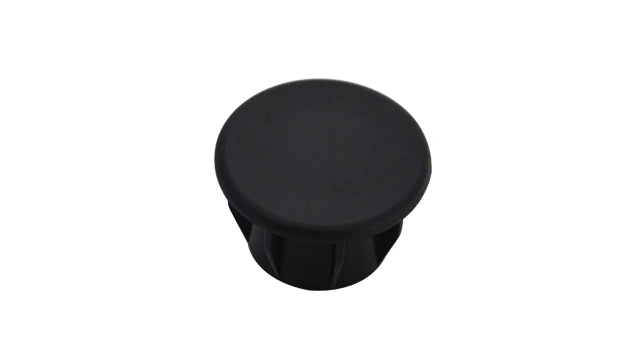
Plastic pipe end cap
Plastic pipe cover, used for 28mm two end cover and protection, to avoid any scratch from sharp metal surface.
Introduction: The Quiet Workhorses of Conveyor Efficiency
Walk through any manufacturing facility, distribution center, or warehouse, and you'll hear the constant hum of conveyor systems moving products with precision. These systems are the lifelines of modern operations, but their reliability hinges on more than just motors and belts. It's the small, often unnoticed components that keep everything in check—like plastic pipe end caps. These unassuming caps seal the ends of pipes in roller tracks, guide rails, and support structures, playing a critical role in safety, functionality, and longevity.
At first glance, a plastic pipe end cap might seem trivial. But consider this: in a busy production line using roller track systems, an exposed pipe end could snag a worker's glove, scratch delicate products, or collect dust and debris that jams rollers. A loose cap might vibrate loose, falling into the machinery and causing costly downtime. For operations relying on components like plastic roller track guide rail yellow or grey—common in assembly lines and material handling—getting the end cap size right isn't just a detail; it's a foundational step in maintaining efficiency.
This guide will walk you through everything you need to know to select the perfect plastic pipe end cap size, from understanding why sizing matters to step-by-step measurement techniques. By the end, you'll see why these small components are essential for keeping your conveyor system—and your business—running smoothly.
Why Size Matters: The Hidden Costs of Poorly Fitted End Caps
You might think a few millimeters of difference in end cap size isn't a big deal. But in conveyor systems, precision is everything. Choosing the wrong size can lead to a chain reaction of issues that impact safety, productivity, and your bottom line.
Safety Risks: Exposed Edges and Loose Debris
Pipes used in roller track and conveyor systems are often cut to length, leaving sharp, jagged edges. An ill-fitting end cap fails to cover these edges, creating hazards for workers who interact with the system daily. A loose cap can also pop off during operation, exposing the pipe end and increasing the risk of cuts or snags. In worst-case scenarios, falling caps can become projectiles or get caught in moving parts, leading to equipment damage or injury.
Operational Disruptions: Jams, Misalignment, and Downtime
Conveyor systems thrive on consistency. A cap that's too small will slide off, allowing debris to enter the pipe and corrode internal components or jam roller track mechanisms. A cap that's too large won't seal properly, letting dust accumulate and causing misalignment in systems using roller track placon mount for rail connection—critical components that keep tracks aligned. Even a slightly loose cap can vibrate, creating noise and wear that shortens the lifespan of both the cap and the pipe. All of these issues lead to unplanned downtime, missed deadlines, and increased maintenance costs.
Long-Term Wear: Compromised System Integrity
Over time, poorly fitted end caps accelerate wear on your entire conveyor system. A tight cap might crack under thermal expansion, leaving the pipe vulnerable to moisture. A loose cap allows water or chemicals to seep in, corroding metal pipes or weakening plastic ones. For businesses investing in durable components like aluminum guide rail A or B, this unnecessary wear can negate the benefits of high-quality materials, leading to premature replacements and higher long-term costs.

Key Factors to Consider When Sizing End Caps
Selecting the right end cap size isn't just about matching numbers—it requires considering the unique demands of your conveyor system. Here are the critical factors to keep in mind:
1. Pipe Outer Diameter (OD): The Foundation of Sizing
The most important measurement is the pipe's outer diameter (OD). End caps are designed to fit over the pipe's exterior, so even a 1mm discrepancy can mean the difference between a snug fit and a loose one. For example, a pipe with a 25mm OD needs a cap specifically sized for 25mm pipes; a 24mm cap will fall off, while a 26mm cap won't seal properly. Always measure OD with a digital caliper for precision—tape measures can slip, especially on oval or worn pipes.
2. Pipe Material and Condition
The pipe's material affects how end caps fit. Plastic pipes (common in light-duty roller track) may expand slightly in heat, requiring a cap with flexibility. Metal pipes, like aluminum or stainless steel, are rigid but can develop burrs from cutting, which increase OD. Always smooth burrs with sandpaper before measuring—rough edges can add 0.5-1mm to your OD reading, leading to incorrect sizing. For example, a stainless steel pipe with a burr might measure 25.5mm OD, but after smoothing, it's 25mm—changing the required cap size entirely.
3. End Cap Design and Material
End caps come in snap-on, press-fit, or threaded designs, each with unique sizing needs. Snap-on caps rely on flexibility to "snap" over the pipe, so they're often sized 0.5-1mm smaller than the pipe OD. Press-fit caps require a tighter tolerance, while threaded caps (less common for plastic pipes) need matching thread sizes. Material matters too: soft polyethylene caps stretch over time, while rigid PVC caps offer a permanent seal. For high-vibration systems, like those with steel roller track, a rigid cap is better to prevent loosening.
4. Conveyor Environment and Usage
Consider where your conveyor operates. In cold storage, plastic caps become brittle, requiring a looser fit to avoid cracking. In dusty warehouses, a tight cap is essential to keep debris out. For systems with plastic roller track guide rail grey—often used in cleanrooms—a precise fit prevents particle buildup. Heavy-duty conveyors (e.g., those moving automotive parts) need durable caps that withstand impacts, while light-duty systems (like those in e-commerce fulfillment) can use flexible, cost-effective options.

Step-by-Step Guide to Measuring for the Perfect Fit
Measuring for end caps is straightforward with the right tools and technique. Follow these steps to ensure accuracy:
Step 1: Gather Tools
You'll need a digital caliper (preferred for precision), a pencil, paper, sandpaper, and a flashlight (to inspect pipe ends in dark areas). Avoid tape measures—they're prone to error on curved surfaces.
Step 2: Prepare the Pipe End
Inspect the pipe end for burrs, dents, or rust. Use sandpaper to smooth burrs—even small ones can affect measurements. If the pipe is oval (common in old or bent systems), measure at three points (top, bottom, side) and average the results. For example, readings of 25.1mm, 24.9mm, and 25.0mm average to 25.0mm—your target OD.
Step 3: Measure Pipe OD
Open the caliper jaws and place them perpendicular to the pipe (not at an angle). Gently close the jaws until they touch the pipe, then read the measurement. For accuracy, take three readings and average them. Record this number—this is your pipe's true OD.
Step 4: Check End Cap Specifications
Most manufacturers list "recommended pipe OD" for each cap size. For example, a "25mm snap-on cap" might fit pipes with ODs between 24.5-25.5mm. If your averaged OD falls within this range, it's a match. If not, adjust: a 24.3mm OD might need a 24mm cap, while a 25.6mm OD could require a 26mm cap (or a flexible material like polyethylene that stretches).
Step 5: Test the Fit (When Possible)
If ordering in bulk, buy a sample cap first. A good fit should require slight pressure to install (snap-on) or a firm push (press-fit). Once on, it shouldn't wiggle or fall off when tugged gently. If it cracks during installation, it's too small; if it slides off easily, it's too large.
Common Sizes and Applications: A Practical Reference Table
To simplify sizing, here's a table of common plastic pipe end cap sizes, their ideal pipe ODs, and typical uses—including where they pair with components like plastic roller track guide rail yellow and grey.
| Pipe Outer Diameter (mm) | Recommended End Cap Size (mm) | End Cap Material | Best For |
|---|---|---|---|
| 12.7 (0.5 inch) | 12.7 | Polyethylene | Light-duty roller track, small guide rails, or plastic roller track guide rail grey in hobby workshops |
| 19.1 (0.75 inch) | 19.1 | PVC | Medium-duty conveyors, assembly line workstations, aluminum guide rail A |
| 25.4 (1 inch) | 25.4 | Nylon | Heavy-duty roller track, plastic roller track guide rail yellow (common in manufacturing), roller track placon mount for rail connection |
| 31.8 (1.25 inch) | 31.8 | Polypropylene | Large conveyor pipes, outdoor systems (UV-resistant), stainless steel roller track |
| 38.1 (1.5 inch) | 38.1 | HDPE | Industrial-grade conveyors, high-traffic warehouses, aluminum guide rail B |
Note: Sizes vary by manufacturer, so always cross-check with your supplier's specs—especially for specialized components like roller track placon mount for rail connection, which may require custom-sized caps to ensure proper alignment.
Troubleshooting: Solving Common Sizing Issues
Even with careful measuring, you might encounter problems. Here's how to fix the most common sizing issues:
Issue: Caps Fall Off Constantly
Cause: Cap is too large, pipe OD is smaller than measured, or cap material is too soft. Solution: Try a smaller cap size (e.g., 24mm instead of 25mm). If the pipe is unusually small (e.g., 24.3mm OD), use a snap-on cap made of flexible polyethylene, which stretches to fit. For temporary fixes, wrap the pipe end with 1-2 layers of electrical tape to increase OD by ~0.5mm.
Issue: Caps Crack When Installing
Cause: Cap is too small, pipe has unsmoothed burrs, or cap material is rigid (e.g., PVC). Solution: Smooth burrs again, or try a larger cap size. Switch to a softer material like polyethylene, which flexes during installation. For oval pipes, use a universal-fit cap designed to stretch over irregular shapes.
Issue: Caps Fit Initially but Loosen Over Time
Cause: Cap material stretches (common with soft plastics), or temperature fluctuations cause pipe expansion/contraction. Solution: replace with a rigid cap (e.g., nylon) or use a press-fit design for a tighter seal. In cold environments, choose a cap sized 0.5mm larger to account for contraction; in hot environments, size 0.5mm smaller to prevent stretching.
Maintenance Tips: Extending End Cap Life
Once you've installed the right caps, proper maintenance keeps them working longer. Follow these tips:
-
Inspect monthly:
Check for cracks, looseness, or debris buildup. Tighten or replace caps at the first sign of wear.
-
Clean regularly:
Wipe caps with a damp cloth to remove dust and oil, which can degrade plastic over time.
-
Lubricate snap-on caps:
For hard-to-install caps, apply a small amount of silicone lubricant to the pipe end—this reduces friction without weakening the fit.
-
replace proactively:
Plan to replace caps every 1-2 years (sooner in high-vibration systems) to avoid unexpected failures.
Conclusion: Small Caps, Big Impact
Plastic pipe end caps may be small, but their role in conveyor system reliability is enormous. By taking the time to measure accurately, consider your environment, and choose the right size, you're not just installing a cap—you're protecting workers, preventing downtime, and extending the life of your equipment. Whether you're working with plastic roller track guide rail yellow in a factory or aluminum guide rail B in a warehouse, the right end cap size ensures your conveyor runs smoothly, safely, and efficiently.
Remember: in manufacturing and logistics, efficiency is built on precision. Even the smallest components, like end caps, contribute to that precision. So the next time you're maintaining your conveyor system, give these quiet workhorses the attention they deserve—your bottom line will thank you.