- Company Articles
- Products and Technology
- Product knowledge
- How to select the Right Corrugated Aluminum Pipe Diameter for Your Project

How to select the Right Corrugated Aluminum Pipe Diameter for Your Project
Related Product
Corrugated Aluminum Pipe
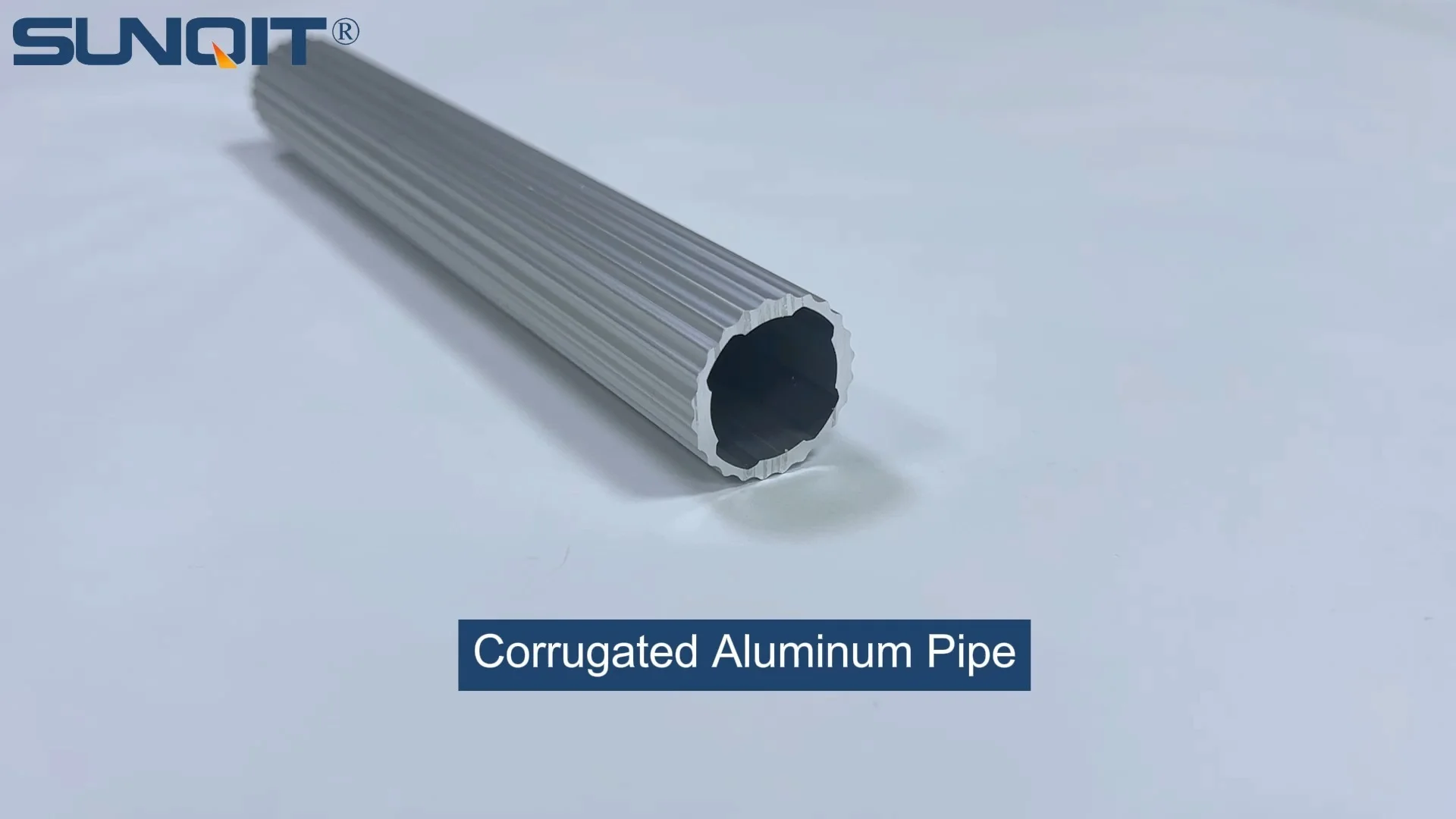
Product Description The slot side is 10mm which can work with a T sliding block for connection accessories Quick Detail Product name Corrugated Aluminum pipe model GLT28-T-3010A Material Science 6005-T6 thickness 1.7mm surface treatment anodic oxidat
Let's start with a familiar scenario: You're standing in your workshop, staring at a pile of metal pipes, feeling that all-too-common mix of excitement and overwhelm. Your project—a new flow rack for your assembly line, or maybe a custom workbench—needs corrugated aluminum pipes, but the options are dizzying. 1-inch, 1.5-inch, 2-inch… How do you pick the one that won't collapse under load, won't waste space, and actually works with the aluminum pipe accessories you've already bought? If this sounds like you, you're in the right place. Choosing the right diameter isn't just about measurements; it's about making sure your project runs smoothly, lasts longer, and fits seamlessly into your workflow—whether you're optimizing a lean system or building something from scratch.
Understanding Corrugated Aluminum Pipes: More Than Just a Tube
First, let's get clear on what makes corrugated aluminum pipes unique. Unlike smooth aluminum pipes or rigid stainless steel options, these pipes have a series of ridges and grooves (the "corrugation") along their length. This design isn't just for show—it's engineering genius. The corrugations add strength without adding much weight, making the pipes both lightweight and surprisingly durable. Think of it like a cardboard box: flat cardboard bends easily, but when folded into a corrugated shape, it can support heavy objects. Same idea here, but with aluminum, which resists rust, handles temperature changes, and won't warp over time.
But why corrugated aluminum specifically? For starters, it's more flexible than solid aluminum pipes, which is a big plus if your project needs a slight curve (like a flow rack that angles toward your assembly station). It's also cheaper than stainless steel and more eco-friendly than plastic, which matters if sustainability is part of your lean system goals. And let's not forget installation: corrugated aluminum pipes are easier to cut, drill, and connect with aluminum pipe accessories, even if you're not a seasoned pro.
Real-World Context: Why Diameter Matters Here
A small electronics manufacturer recently reached out to me frustrated: their new flow rack kept jamming. They'd used 1-inch corrugated aluminum pipes, but parts kept getting stuck. After a quick check, I noticed the issue: the pipes were too narrow. The corrugations, while helpful for strength, created extra friction in a small diameter, slowing down the flow of their plastic components. Upgrading to 1.5-inch pipes solved the problem—wider diameter meant more space between corrugations, letting parts glide smoothly. Moral of the story? Diameter isn't just a number; it directly impacts performance.
Key Factors to Consider When Choosing Diameter
Selecting the right diameter starts with asking the right questions. Let's break down the four biggest factors that should guide your decision:
1. Load Requirements: How Much Weight Will It Carry?
This is the most critical factor. A pipe that's too small for the load will bend, warp, or even break—costing you time, money, and maybe even safety risks. Start by calculating the maximum weight your pipe will need to support. Is it static (like a workbench shelf holding tools) or dynamic (like a flow rack where boxes slide constantly)? Dynamic loads are trickier because movement adds stress—you'll need a slightly larger diameter than you would for a static load of the same weight.
As a general rule: 1-inch pipes work for light loads (up to 20 lbs per linear foot), 1.5-inch for medium loads (20-50 lbs), 2-inch for heavy loads (50-100 lbs), and 3-inch or larger for industrial-grade tasks (over 100 lbs). But always check the manufacturer's specs—corrugation depth and aluminum thickness can affect these numbers. For example, a 1.5-inch pipe with deep corrugations might handle more weight than a shallow-corrugated 2-inch pipe.
2. Space Constraints: How Much Room Do You Have?
A pipe with a larger diameter might be stronger, but it also takes up more space. If you're working in a tight workshop or building a flow rack between two assembly lines, a 3-inch pipe might make the rack too wide, forcing workers to squeeze through narrow aisles. On the flip side, a pipe that's too small might not leave enough clearance for your materials. For example, if you're moving large turnover bins on a roller track, a 2-inch pipe might be too narrow—bins could get stuck, disrupting your lean system's efficiency.
3. Flow Dynamics: Will Materials Move Through/Along It?
If your project involves material flow (like a flow rack, conveyor, or roller track), diameter directly impacts how smoothly things move. Narrow pipes (1-inch or smaller) create more friction, which can slow down or stop materials—great if you need items to "brake" (like a loading dock ramp), but terrible if you need a steady flow. Wider pipes (1.5-inch and up) reduce friction, letting items glide faster. Corrugation depth plays a role here too: deeper corrugations add grip (good for static loads) but more friction (bad for flow). If flow is key, prioritize a slightly larger diameter with shallower corrugations.
4. Environmental Conditions: Where Will It Be Used?
Indoor vs. outdoor use, temperature extremes, and exposure to moisture or chemicals can all affect your choice. For example, if you're installing pipes in a cold storage facility, aluminum's ability to handle low temperatures is a plus—but a larger diameter might be needed to account for slight contraction in the cold. Outdoor use? Corrugated aluminum resists rust, but a wider pipe (with thicker walls) will stand up better to wind, rain, and UV rays over time.

Diameter vs. Application: A Practical Guide
To make this concrete, let's map common diameters to real-world applications. The table below breaks down what works best for different projects, including load capacity and compatibility with aluminum pipe accessories.
| Diameter (Inches) | Typical Use Case | Max Load (Per Linear Foot) | Recommended Accessories | Best For |
|---|---|---|---|---|
| 0.5 – 1 | Light-duty shelving, small tool racks, DIY projects | Up to 20 lbs | Plastic end caps, small clamps, 90° joints | Craft rooms, home workshops, hobby projects |
| 1.5 | Flow racks (small parts), workbench frames, mobile trolleys | 20 – 50 lbs | Aluminum guide rails, swivel roller balls, caster wheels | Electronics assembly, small-part manufacturing, lean system workstations |
| 2 | Heavy-duty flow racks, conveyor systems, material storage racks | 50 – 100 lbs | Steel roller tracks, heavy-duty joints, anti-slip leveling feet | Warehouses, automotive assembly lines, large-part manufacturing |
| 3+ | Industrial machinery frames, outdoor structures, bulk material handling | 100+ lbs | Welded joints, reinforced brackets, suction cup anti-slip foot adjusters | Construction sites, heavy equipment facilities, outdoor lean systems |
Case Study: Flow Rack for a Furniture Manufacturer
Let's walk through a real example. A furniture manufacturer needed a flow rack to move wooden panels (each weighing 35 lbs) from the cutting station to assembly. They initially considered 1-inch pipes to save space, but after reviewing the table above, they realized 1.5-inch was the better fit: 35 lbs falls within the 20–50 lbs range, and 1.5-inch pipes work well with aluminum guide rails (which they needed to keep panels aligned). They paired the pipes with swivel roller balls (1 inch) to reduce friction, and the result was a smooth, efficient flow that cut assembly time by 15%. Plus, the 1.5-inch diameter left enough space for workers to load/unload panels without squeezing—another win for their lean system goals of reducing waste (in this case, wasted movement).
Matching Diameter with Aluminum Pipe Accessories
You've picked a diameter based on load and application—now you need to make sure it works with your aluminum pipe accessories. Nothing is more frustrating than buying a 2-inch pipe only to realize your clamps or joints are designed for 1.5-inch. Here's how to avoid that:
Check Accessory Sizing Charts
Most manufacturers (including reputable lean pipe suppliers) provide sizing charts that list which accessories work with which pipe diameters. For example, a 90° aluminum pipe joint might be labeled "fits 1.5–2 inch pipes" or "for 2-inch corrugated aluminum only." Always double-check these charts before purchasing. If you're buying from a supplier, ask for a sample accessory to test with your pipe—better to spend a few dollars on a sample than hundreds on incompatible parts.
Consider Corrugation Depth
Corrugated pipes have "outer diameter" (OD) and "inner diameter" (ID), but the corrugations add extra bulk. A pipe with deep corrugations might have an OD that's 0.25–0.5 inches larger than a smooth pipe of the same ID. This matters for accessories like clamps or brackets, which grip the outer surface. For example, a clamp designed for a smooth 2-inch pipe might be too loose on a corrugated 2-inch pipe with deep ridges—you'd need a clamp with adjustable jaws or a larger size to account for the corrugations.
Pro Tip: Mixing Sizes for Flexibility
If your project needs both strength and flexibility, consider mixing diameters. A client once built a workbench with 2-inch pipes for the frame (to support heavy tools) and 1.5-inch pipes for the shelves (lighter load, easier to adjust with accessories). They used a reducer joint (a special aluminum pipe accessory) to connect the two sizes, creating a system that was both strong and adaptable—perfect for their ever-changing workflow.
Common Mistakes to Avoid
Even with careful planning, it's easy to slip up. Here are the top mistakes I've seen (and how to avoid them):
Mistake #1: Choosing the Smallest Diameter to Save Money
It's tempting to go small to cut costs, but undersizing leads to more expenses later. A client once saved $50 by using 1-inch instead of 1.5-inch pipes for their flow rack. Six months later, they had to replace the entire system after the pipes bent under the load—costing them $300 in new materials and lost production time. Spend a little more upfront to get the right size; it's cheaper in the long run.
Mistake #2: Ignoring Future Growth
Your project might only need to carry 30 lbs now, but what if your business grows? A bakery I worked with started with small dough bins (20 lbs each) on their flow rack, using 1-inch pipes. A year later, they upgraded to larger bins (45 lbs each), and suddenly the pipes couldn't keep up. Plan for future growth by sizing up slightly—adding 0.5 inches to your diameter now can save you from a full rebuild later.
Mistake #3: Overlooking Friction in Flow Applications
As we saw earlier, small diameters with corrugations can create extra friction, slowing down material flow. If you're building a flow rack or conveyor, test different diameters with your actual materials. Grab a sample pipe, tilt it at the angle you'll use in your project, and slide a typical item down it. If it gets stuck or moves too slowly, try a larger diameter.
Mistake #4: Forgetting About Assembly Ease
Larger pipes are stronger, but they're also heavier and harder to maneuver. If you're installing the system yourself (without heavy machinery), a 3-inch pipe might be too bulky to lift or align. In that case, 2-inch pipes with reinforced joints could be a better compromise—still strong, but easier to handle during setup.
Final Thoughts: Let Your Project Guide You
At the end of the day, the right corrugated aluminum pipe diameter is the one that fits your project's unique needs—load, space, flow, and accessories. It's not about picking the "best" diameter overall, but the best diameter for you . Start by defining your requirements (load, application, environment), use the table above to narrow down options, test with samples if possible, and don't forget to check accessory compatibility.
And remember: even the most carefully chosen diameter can underperform if your lean system isn't optimized. A well-sized pipe is just one piece of the puzzle—pair it with efficient workflows, proper training, and regular maintenance, and you'll have a system that not only holds weight but also holds up to the demands of real-world work.
Final Example: From Frustration to Success
A local auto shop owner came to me with a problem: their parts flow rack was a disaster. They'd used 2-inch corrugated pipes, but parts kept falling off, and the rack swayed when loaded. After inspecting, I noticed two issues: first, the pipes were the right diameter for the load (60 lbs per shelf), but they hadn't used end supports (a critical aluminum pipe accessory) to stabilize the structure. Second, the corrugations were facing upward, creating "speed bumps" for parts. We flipped the pipes (corrugations downward, smoother side up) and added end supports. The result? A stable, efficient rack that's now the envy of their competitors. Sometimes, it's not just the diameter—it's how you use it.
So, take a deep breath, grab your measuring tape, and start with the basics: load, space, flow, and accessories. You've got this—and if you get stuck, reach out to a trusted lean pipe supplier or consultant. The right diameter is out there, and it's waiting to make your project a success.