- Company Articles
- Products and Technology
- Product knowledge
- How to select the Right Duplex Aluminum Pipe Joint for Your Project

How to select the Right Duplex Aluminum Pipe Joint for Your Project
Related Product
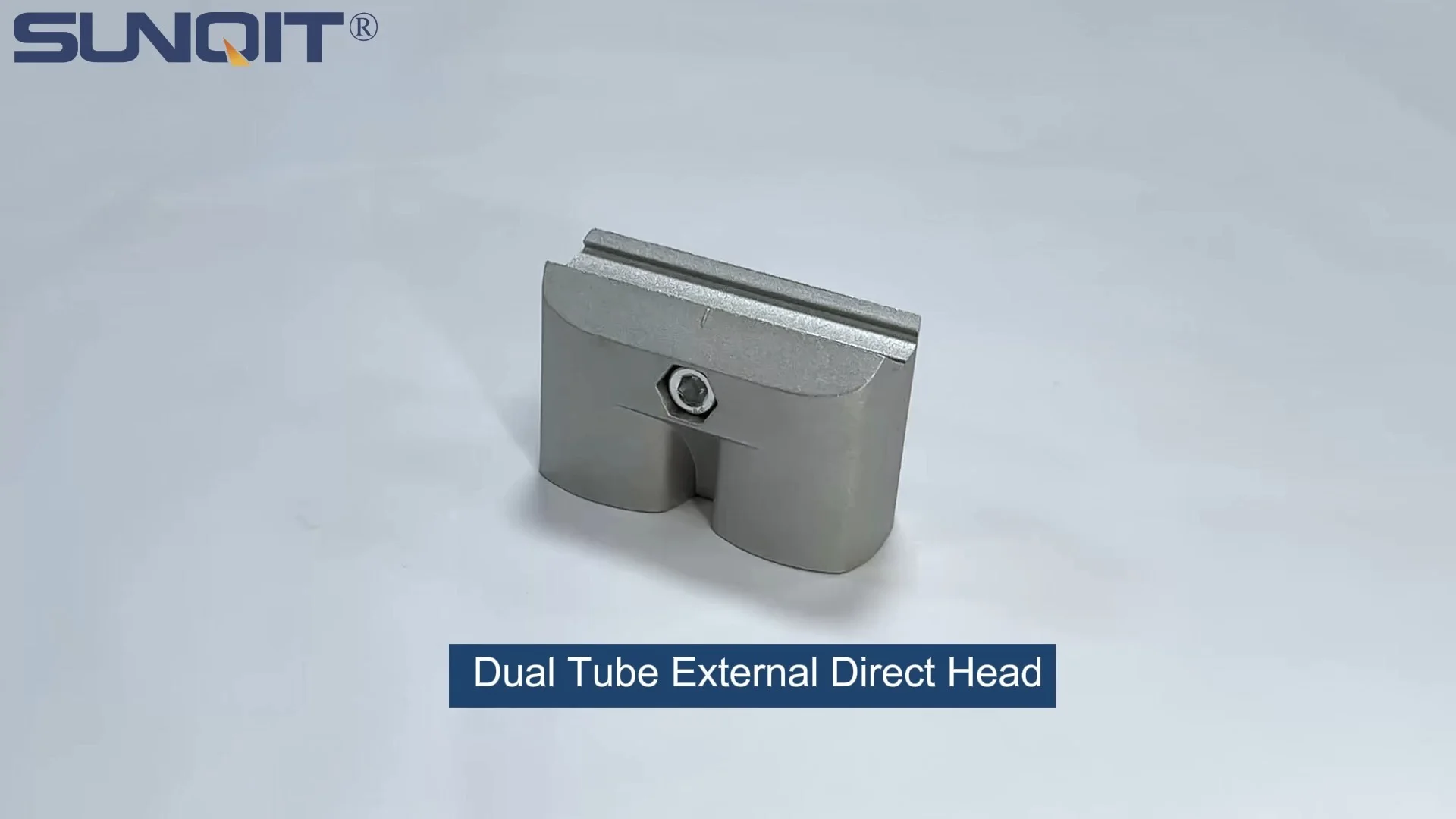
Duplex Aluminum Pipe Joint
Duplex Aluminum pipe joint used for one pcs 28pcs aluminum pipe and one pcs of 28mm duplex pipe connection in straight angle.
Walk into any modern manufacturing facility, and you'll notice a silent hero working behind the scenes: the humble pipe joint. It's not the most glamorous component on the factory floor, but when a joint fails—sending a workstation wobbling, a conveyor grinding to a halt, or a material rack collapsing—it becomes impossible to ignore. For teams invested in lean systems, where efficiency and adaptability are everything, choosing the right duplex aluminum pipe joint isn't just a procurement decision. It's a choice that impacts daily operations, reduces downtime, and even protects your bottom line.
Duplex aluminum pipe joints, in particular, have emerged as a cornerstone of modular workspaces, from assembly lines to warehouses. Their ability to balance strength, flexibility, and durability makes them ideal for projects where precision and reliability matter. But with so many options on the market—from fixed joints to rotating ones, and from budget-friendly plastics to heavy-duty metals—how do you know which one is right for your project?
In this guide, we'll break down the process of selecting a duplex aluminum pipe joint step by step. We'll cover everything from understanding the basics of these joints to evaluating key factors like load capacity and environmental needs. We'll also dive into real-world examples and common pitfalls to avoid. By the end, you'll have the knowledge to choose a joint that not only fits your project today but grows with it tomorrow.
What Are Duplex Aluminum Pipe Joints, and Why Do They Matter?
Before we jump into selection, let's start with the basics: What exactly is a duplex aluminum pipe joint? At its core, it's a connector designed to link aluminum pipes (or profiles) together, forming structures like workbenches, material racks, conveyors, or even custom machinery. The "duplex" label often refers to its dual-layer or reinforced design, which enhances strength without adding excessive weight—a critical feature for aluminum-based systems.
Unlike traditional steel joints, which are heavy and prone to rust, or plastic joints, which lack durability, duplex aluminum joints offer a sweet spot: they're lightweight enough for easy reconfiguration, corrosion-resistant for long-term use, and strong enough to handle the demands of industrial environments. This makes them a favorite in lean systems, where modularity and efficiency are priorities. A well-designed joint lets you quickly adjust a workstation's height, expand a material rack, or reroute a conveyor—all without welding or specialized tools.
But their importance goes beyond flexibility. In settings like ESD workstations—where static electricity can damage sensitive electronics—aluminum's conductivity (when properly treated) helps dissipate static charges, protecting products. In high-moisture environments, aluminum's resistance to rust ensures joints won't degrade over time. Simply put, the right duplex aluminum pipe joint isn't just a connector; it's the backbone of a system that works smarter, not harder.
Key Factors to Consider When Selecting a Duplex Aluminum Pipe Joint
Selecting a duplex aluminum pipe joint isn't a one-size-fits-all process. The right choice depends on your project's unique needs, from the weight it must support to the conditions it will face. Let's break down the most critical factors to evaluate.
1. Material Quality and Build: Not All Aluminum Is Created Equal
Aluminum is prized for its strength-to-weight ratio, but not all aluminum joints are made the same. When evaluating options, start by checking the grade of aluminum used. Higher-grade aluminum (like 6061 or 6063) offers better tensile strength and corrosion resistance—essential for heavy-duty applications. Cheaper, lower-grade aluminum may save money upfront but will bend or wear out faster, leading to frequent replacements.
Duplex joints often feature additional reinforcements, like internal ribs or thicker walls, to boost load capacity. Look for joints with smooth, precise machining: rough edges or uneven threading can lead to loose connections, which are dangerous in high-stress settings. A quick test? Gently wiggle the joint when connected to a pipe—there should be no play or shifting.
2. Load Capacity: Know What You're Lifting
Perhaps the most critical factor is load capacity: how much weight the joint can safely support without failing. This varies widely between models—some lightweight joints are designed for small workbenches, while others can handle the heft of a fully loaded conveyor system.
To determine your needs, start by calculating the maximum weight the structure will bear. For example, a workbench E (single deck, without casters) might hold tools and small parts, requiring a joint with a 50-100kg capacity. A material rack B (3 rows, 3 floors), stacked with heavy components, could need 200kg or more per joint. Always err on the side of caution: choose a joint with a load rating 20-30% higher than your calculated maximum to account for sudden impacts or uneven weight distribution.
Don't forget dynamic loads, either. If your structure moves—like a turnover trolley with casters—the joint must handle vibrations and shifting weight. Look for joints labeled "dynamic load rated" for these applications.
3. Environmental Conditions: Adapt to Your Workspace
Your workspace's environment will drastically impact joint performance. Let's consider a few common scenarios:
- ESD Workstations: In electronics manufacturing, static electricity can fry circuit boards. Look for joints with ESD-compliant coatings or treatments that dissipate static charges. Avoid joints with plastic components that might generate static.
- Wet or Humid Areas: Food processing plants, car washes, or outdoor facilities need joints resistant to corrosion. Duplex aluminum's natural resistance helps, but some manufacturers add extra coatings (like anodization) for added protection.
- High-Temperature Zones: Near ovens or furnaces, joints must withstand heat without warping. Check the joint's temperature rating—most aluminum joints handle up to 150°C, but specialized options can go higher.
4. Compatibility with Aluminum Profile Accessories
A pipe joint is only as useful as its ability to work with other components. If you're building a system with aluminum profile accessories—like brackets, clamps, caster wheels, or roller tracks—your joint must fit seamlessly with these parts. Mismatched sizes or threading can lead to weak connections or even render accessories useless.
For example, if you're using 4040 aluminum profiles (a common size), ensure the joint's inner diameter matches the profile's outer diameter. Check if the joint has pre-drilled holes or slots for attaching accessories like caster mounts or roller track brackets. Many manufacturers provide compatibility charts—don't skip this step! A quick call to your lean pipe supplier can save hours of frustration later.
5. Joint Design: Fixed, Rotating, or Internal? The Right Fit for Flexibility
Duplex aluminum pipe joints come in a variety of designs, each suited to different needs. The most common include:
| Joint Type | Key Features | Best For | Load Capacity Range |
|---|---|---|---|
| Fixed External Joint | Rigid connection, no movement, easy to install | Static structures (shelving, fixed workbenches) | 150-300kg |
| Internal Rotary Aluminum Joint | 360° rotation, compact design, ideal for adjustable angles | ESD workstations, tilt tables, reconfigurable racks | 50-150kg |
| Parallel Aluminum Joint | Connects two parallel pipes, adds lateral stability | Dual-pipe frames, conveyor supports | 100-250kg |
| Crossing Joint | Connects pipes at 90° angles (e.g., vertical and horizontal) | Multi-level racks, corner structures | 100-200kg |
The internal rotatary aluminum joint deserves special mention here. As the name suggests, this joint allows pipes to rotate internally, making it perfect for applications where angles need frequent adjustment. For example, an ESD workstation might use these joints to tilt a work surface for better ergonomics, or a material rack could employ them to pivot shelves for easy access. Their compact design also saves space, making them ideal for tight layouts.
6. Supplier Reliability: Don't Overlook the Source
Even the best joint design falls flat if it's poorly manufactured. That's why choosing a reputable lean pipe supplier is just as important as evaluating the joint itself. A reliable supplier will:
- Provide material certifications (e.g., aluminum grade, ESD compliance)
- Offer clear warranty terms (look for at least 1-2 years)
- Have a track record of on-time deliveries (critical for project timelines)
- Offer technical support (help with installation or troubleshooting)
Don't hesitate to ask for references or customer reviews. A supplier that stands behind its products will happily share success stories. Avoid "no-name" suppliers with vague product descriptions—saving a few dollars now could cost you thousands in failed joints later.

Common Mistakes to Avoid When Choosing a Joint
Even with careful planning, it's easy to make missteps when selecting a duplex aluminum pipe joint. Here are three common mistakes—and how to steer clear of them.
Mistake #1: Underestimating Load Capacity
It's tempting to choose a lower-capacity joint to save money, but this is a recipe for disaster. A joint that's overloaded will bend, crack, or loosen over time, leading to collapsed structures, damaged products, or even injuries. Always calculate the maximum possible weight (including dynamic loads like movement or vibrations) and choose a joint with a buffer. When in doubt, opt for a higher rating—it's better to have extra capacity than not enough.
Mistake #2: Ignoring Compatibility with Existing Systems
If you're adding to an existing setup (e.g., expanding a workbench or replacing old joints), don't assume all aluminum joints are interchangeable. Different manufacturers use slightly different threading, diameters, or slot designs. Mixing brands can lead to loose connections or parts that won't fit. Always check compatibility with your current system, or consider standardizing on a single supplier for consistency.
Mistake #3: Overlooking Long-Term Maintenance
A joint might work perfectly on day one, but what about after months of use? Dust, debris, and wear can cause even the best joints to degrade. Look for features that simplify maintenance, like easy-to-clean surfaces, replaceable parts (e.g., gaskets or locking mechanisms), or corrosion-resistant coatings. Avoid joints with hidden crevices where dirt can build up—these are hard to clean and will shorten the joint's lifespan.

Real-World Case Studies: How the Right Joint Made a Difference
Sometimes, the best way to understand the impact of a good joint is to see it in action. Let's look at two real-world examples where choosing the right duplex aluminum pipe joint transformed operations.
Case Study 1: ESD Workstation Upgrades in Electronics Manufacturing
A mid-sized electronics manufacturer was struggling with static-related defects on their assembly line. Their ESD workstations used basic steel joints, which were prone to loosening and didn't dissipate static effectively. Products were getting damaged during testing, costing the company $10,000+ monthly in scrap.
After consulting with a lean pipe supplier, they switched to internal rotatary aluminum joints with ESD-compliant anodization. The new joints not only reduced static buildup but also allowed workers to adjust the workstation height and angle with ease, improving ergonomics. Within three months, static-related defects dropped by 40%, and reconfiguration time for the workstations (when switching product lines) fell from 2 hours to 30 minutes. The investment in better joints paid for itself in under six months.
Case Study 2: Material Rack Durability in a Warehouse
A large warehouse was using plastic joints for their material racks, which held heavy automotive parts. The plastic joints warped under the weight, causing racks to lean and parts to shift. Every few months, they had to replace bent joints, disrupting operations and increasing costs.
They upgraded to duplex aluminum pipe joints with a 300kg load rating from a reputable supplier. The aluminum joints were stronger, corrosion-resistant (important for the warehouse's humid environment), and compatible with their existing aluminum profile accessories. Over two years, the warehouse saw zero joint failures, reducing replacement costs by 75% and eliminating downtime from collapsed racks. Workers also noted the racks felt sturdier, boosting confidence in material handling.

Putting It All Together: Your Step-by-Step Selection Checklist
Now that you understand the key factors, let's summarize with a simple checklist to guide your decision:
- Define Your Project Needs: What structure are you building? What's the maximum load? Will it be in an ESD, wet, or high-temperature environment?
- Check Material Quality: Ensure the joint uses high-grade aluminum (6061/6063) with duplex reinforcement if needed.
- Verify Load Capacity: Choose a joint with a rating 20-30% higher than your calculated maximum load.
- Assess Compatibility: Confirm it fits your aluminum pipes, profiles, and accessories (e.g., caster wheels, brackets).
- select the Right Design: Opt for fixed, rotating (like internal rotatary aluminum joints), or crossing joints based on flexibility needs.
- Vet the Supplier: Check certifications, warranties, and reviews to ensure reliability.
- Test Before Full Deployment: Install a small test structure to evaluate joint performance in real conditions.
By following these steps, you'll select a duplex aluminum pipe joint that's strong, reliable, and tailored to your project.
Final Thoughts: Invest in the Joint That Grows With You
Selecting a duplex aluminum pipe joint might seem like a small detail in the grand scheme of your project, but it's a decision that ripples through every aspect of your operation. The right joint keeps your systems running smoothly, reduces downtime, and adapts to changing needs. The wrong one? It becomes a constant source of frustration, delays, and unnecessary costs.
Remember: This isn't just about buying a connector. It's about investing in the efficiency and longevity of your workspace. Take the time to evaluate your needs, ask questions of your lean pipe supplier, and prioritize quality over shortcuts. Whether you're building an ESD workstation, a material rack, or a full conveyor system, the right duplex aluminum pipe joint will prove its worth every day.
So go ahead—choose wisely. Your team, your products, and your bottom line will thank you.