- Company Articles
- Products and Technology
- Product knowledge
- How to select the Right Parallel Lean Pipe Joint Chrome for Your Industry

How to select the Right Parallel Lean Pipe Joint Chrome for Your Industry
Related Product
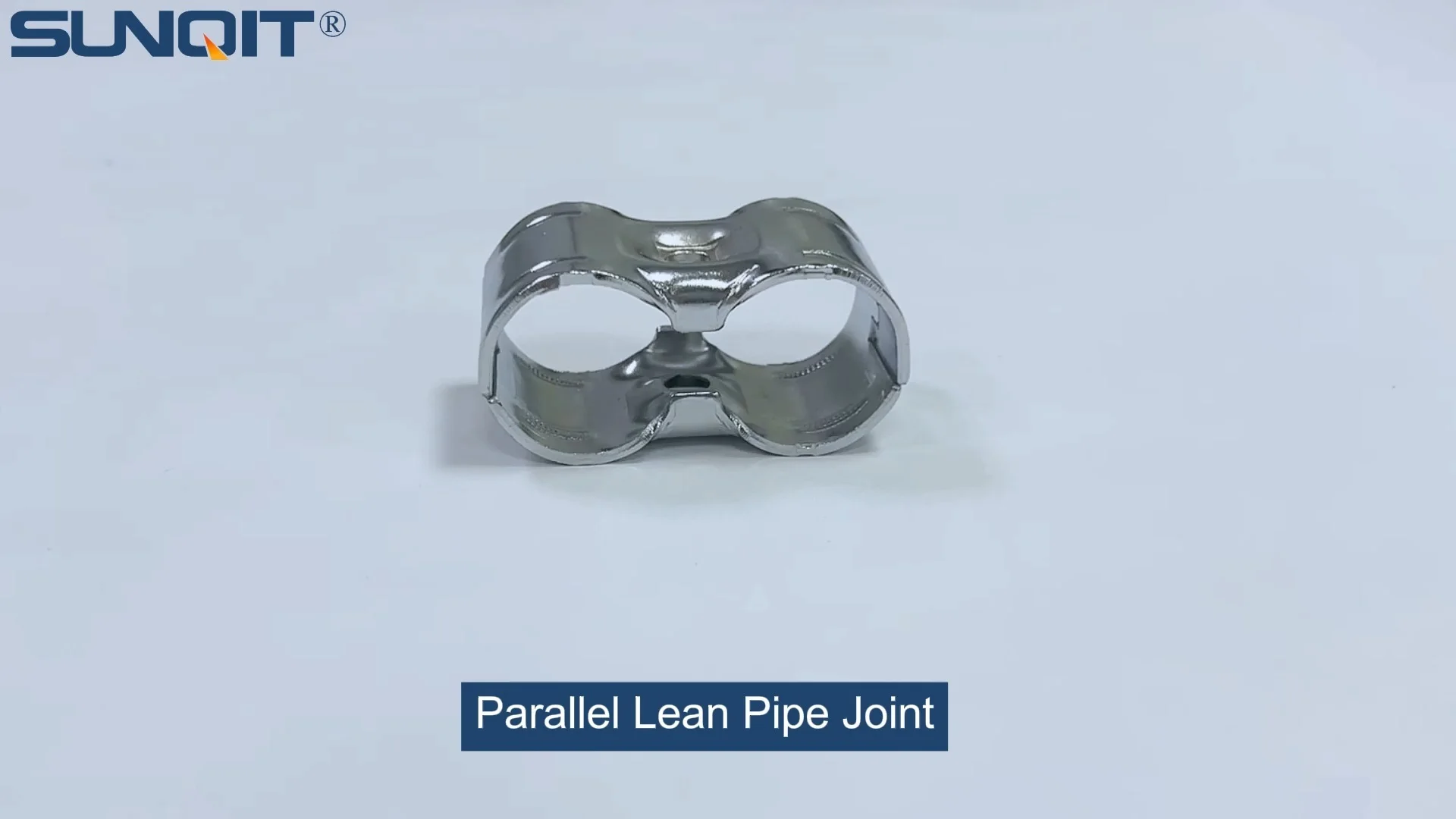
Parallel Lean Pipe Joint Chrome
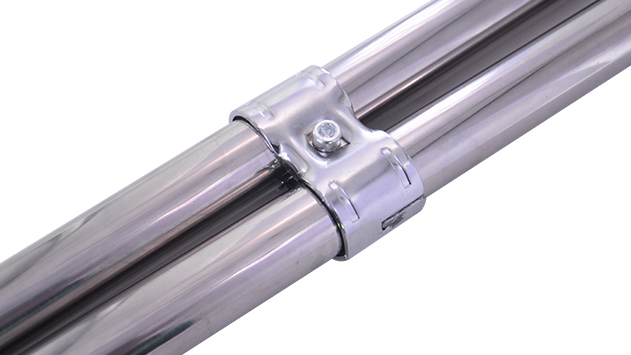
Parallel lean pipe joint used for 2 pcs 28MM lean pipe connection in parallel direction to enhance frame structure, usually for heavy payload requirement for workbench. flow rack, hand trolley.
In the fast-paced world of modern manufacturing and logistics, efficiency isn't just a buzzword—it's the backbone of survival. Lean manufacturing, with its focus on minimizing waste and maximizing value, has become the gold standard for industries ranging from automotive assembly lines to electronics production. While much attention is paid to large-scale systems like flow racks, workbenches, and conveyor belts, the true unsung heroes of lean operations often lie in the smallest components: the connectors that hold everything together. Among these, the parallel lean pipe joint chrome stands out as a critical link in building robust, flexible, and long-lasting lean pipe systems. But with so many options on the market, how do you ensure you're choosing the right one for your specific needs? This guide will walk you through everything you need to know, from understanding the joint's role to evaluating key factors that impact performance.
1. What Is a Parallel Lean Pipe Joint Chrome, and Why Does It Matter?
Before diving into selection criteria, let's start with the basics: What exactly is a parallel lean pipe joint chrome? At its core, this component is a specialized connector designed to join two or more lean pipes in parallel—meaning side-by-side—to form stable structures like workbenches, material racks, or flow racks. Unlike generic pipe fittings, it's engineered specifically for lean systems, which demand precision, adjustability, and durability. The "chrome" in its name refers to its surface coating: a layer of chromium that enhances corrosion resistance, wear resistance, and overall longevity. This makes it distinct from uncoated or painted alternatives, such as the standard parallel lean pipe joint , which may lack the same level of protection in harsh industrial environments.
But why does this small connector matter so much? Think of a lean pipe system as a human body: the pipes are the bones, and the joints are the joints (no pun intended). Just as weak joints can lead to mobility issues or injury, subpar pipe joints can compromise the entire system's stability. A poorly chosen joint might loosen under heavy loads, corrode in humid conditions, or fail to maintain alignment, leading to wobbly workbenches, sagging flow racks, or even dangerous collapses. In contrast, a high-quality parallel lean pipe joint chrome acts as a reliable anchor, ensuring that your lean system can withstand daily use, heavy materials, and the wear and tear of industrial operations. It's the difference between a system that needs constant repairs and one that runs smoothly for years.
Real-World Impact: A mid-sized electronics manufacturer in Ohio once struggled with frequent downtime due to unstable workbenches. Their assembly line relied on a basic parallel lean pipe joint that corroded quickly in the plant's humid environment, leading to loose connections and shaky surfaces. After switching to parallel lean pipe joint chrome, they reported a 60% reduction in workbench-related disruptions. The chrome coating prevented rust, and the joint's reinforced design maintained tight connections even under the weight of heavy circuit board assemblies. "It was a small change, but it felt like upgrading from a bicycle to a truck," said the plant manager. "Our teams no longer waste time adjusting wobbly benches—they can focus on building products."
2. Key Factors to Consider When Selecting a Parallel Lean Pipe Joint Chrome
Choosing the right parallel lean pipe joint chrome isn't a one-size-fits-all decision. Your industry, environment, and specific use case will dictate which features matter most. Below are the critical factors to evaluate before making a purchase.
Load Capacity: Matching the Joint to Your Materials
The first question to ask is: How much weight will the joint need to support? Whether you're building a workbench for assembling small components or a material rack for storing heavy machinery parts, load capacity is non-negotiable. Most parallel lean pipe joint chrome products list a maximum load rating (e.g., 500 lbs per joint), but it's essential to consider both static and dynamic loads. Static load refers to the weight of materials placed on the structure when it's stationary, while dynamic load includes forces from movement—like pushing a loaded turnover trolley or sliding parts along a flow rack. For example, a flow rack used to transport automotive parts might experience frequent dynamic loads as workers slide bins along roller tracks, so the joint must be able to handle repeated stress without deforming.
To determine the right load capacity, start by calculating the total weight your structure will bear. For a workbench, this includes the weight of tools, equipment, and materials placed on it. For a material rack, multiply the weight of each stored item by the number of items per shelf, then add a safety margin (typically 20-30%) to account for unexpected stress. Always choose a joint with a load rating that exceeds your calculated maximum—cutting corners here can lead to structural failure.
Material Compatibility: Pipes, Profiles, and Beyond
Lean pipe systems aren't limited to just one type of pipe. Depending on your needs, you might use steel pipes, aluminum pipes, or even aluminum profiles (extruded aluminum with T-slots for added versatility). The parallel lean pipe joint chrome must be compatible with the specific pipe or profile you're using, as mismatched components can lead to loose fits or stripped threads. For example, if you're using 28mm diameter steel lean pipes, ensure the joint's inner diameter is designed for 28mm. If you're mixing materials—say, steel pipes with aluminum profile accessories—check that the joint's grip mechanism (usually a set screw or clamp) can securely hold both without damaging the pipe's surface.
Chrome-plated joints are generally compatible with most metal pipes, but it's still important to verify. Aluminum profiles, for instance, are softer than steel, so a joint with overly aggressive clamping teeth might scratch or deform the profile. Look for joints with adjustable clamping pressure or rubberized grips if you're working with delicate materials. Additionally, if your system includes specialized components like roller tracks or caster wheels, ensure the joint can integrate seamlessly with these accessories—some joints feature extra holes or mounting points for attaching such parts.
Environmental Resistance: Battling Corrosion, Temperature, and Wear
Industrial environments are rarely gentle. From the humidity of food processing plants to the chemical exposure in automotive painting facilities, your parallel lean pipe joint chrome will face a range of challenges. The chrome coating is a big advantage here, but not all chrome coatings are created equal. Look for joints with a thick, uniform chrome layer (typically 5-10 microns) applied via electroplating, which ensures even coverage and strong adhesion to the base metal (usually steel). This prevents rust and pitting, even in damp or high-moisture settings like warehouses near coastal areas.
Temperature is another factor. If your facility experiences extreme heat (e.g., near furnaces) or cold (e.g., refrigerated warehouses), check that the joint's materials can withstand these conditions. Chrome itself is heat-resistant, but the base metal and any plastic components (like grip pads) might not be. For example, a joint with plastic inserts could warp in high temperatures, weakening its hold. Similarly, in cold environments, metal can become brittle, so opt for joints made from high-grade steel that maintains ductility at low temperatures.
Ease of Installation and Adjustability: Saving Time and Labor
In lean manufacturing, time is money—and nowhere is this truer than during system setup or reconfiguration. A parallel lean pipe joint chrome that's difficult to install or adjust can slow down your team, defeating the purpose of a flexible lean system. Look for features that simplify assembly, such as tool-free clamping mechanisms (e.g., cam levers or quick-release bolts) or clear alignment markers. Some joints even come with pre-threaded holes or Allen key slots for easy tightening, reducing the need for specialized tools.
Adjustability is equally important. Lean systems are designed to evolve with your needs—today's workbench might need to be extended tomorrow, or a flow rack might need to be repositioned to accommodate a new production line. A good joint should allow for minor adjustments (e.g., rotating pipes slightly or changing the distance between parallel pipes) without requiring disassembly. Avoid joints that lock into a fixed position permanently, as they limit your system's flexibility.
3. Comparing Parallel Lean Pipe Joint Chrome to Other Joint Types
To truly understand the value of a parallel lean pipe joint chrome, it helps to compare it to other common joint types. Below is a table breaking down how it stacks up against alternatives like uncoated parallel joints, three-way joints, and aluminum crossing joints.
| Joint Type | Key Features | Best For | Limitations |
|---|---|---|---|
| Parallel Lean Pipe Joint Chrome | Chrome-plated, parallel pipe connection, high corrosion resistance, adjustable clamping | Heavy-duty structures, humid/damp environments, systems requiring long-term durability | Higher cost than uncoated joints; overkill for light-duty, low-moisture applications |
| Standard Parallel Lean Pipe Joint (Uncoated) | Basic steel construction, parallel connection, lower cost | Light-duty workbenches, dry environments, temporary structures | Prone to corrosion; shorter lifespan in harsh conditions |
| Three-Way Lean Pipe Joint Chrome | Chrome-plated, connects three pipes at 90° angles, high stability | Corner structures, multi-directional racks | Not designed for parallel connections; limited use in linear systems |
| 90° Aluminum Crossing Joint | Aluminum construction, crosses two pipes at 90°, lightweight | Lightweight aluminum profile systems, cleanroom environments | Lower load capacity; not ideal for steel pipes or heavy materials |
As the table shows, the parallel lean pipe joint chrome excels in scenarios where durability and corrosion resistance are priorities. For example, if you're building a workbench in a food processing plant where daily washdowns are required, the chrome coating will prevent rust better than an uncoated joint. Similarly, in a logistics warehouse with high humidity, it will outlast aluminum joints that may corrode over time. However, if you're creating a temporary display rack for a trade show, a standard uncoated joint might be more cost-effective.

4. Common Mistakes to Avoid When Selecting a Joint
Even with the right knowledge, it's easy to make missteps when choosing a parallel lean pipe joint chrome. Here are some common pitfalls to watch out for:
Mistake #1: Prioritizing Price Over Quality
It's tempting to opt for the cheapest joint available, but this often backfires. A low-cost parallel lean pipe joint might save you money upfront, but it's likely made from thin steel with a subpar chrome coating (or no coating at all). Over time, it will corrode, loosen, or fail under load, leading to costly repairs, downtime, or even safety hazards. Investing in a high-quality chrome-plated joint might cost 20-30% more initially, but it will pay off in longer lifespan and fewer replacements.
Mistake #2: Ignoring Industry-Specific Requirements
Different industries have unique needs that impact joint selection. For example, the automotive industry often requires ESD (electrostatic discharge) protection to prevent damage to sensitive electronics. While the parallel lean pipe joint chrome itself isn't ESD-rated, it can be paired with ESD workbench surfaces or conductive pipes. Conversely, the pharmaceutical industry may prioritize cleanability, so a joint with smooth, crevice-free surfaces (to avoid bacterial buildup) is essential. Always consider your industry's regulations and standards before choosing a joint.
Mistake #3: Overlooking Supplier Reliability
Even the best joint design is useless if your supplier can't deliver consistent quality. When evaluating options, research the supplier's reputation: Do they have experience serving your industry? Do they provide test reports for load capacity and corrosion resistance? Can they offer technical support if you have questions during installation? A reliable lean pipe supplier will stand behind their products with warranties and responsive customer service, ensuring you get the right joint for your needs.
5. Final Steps: Testing and Implementation
Once you've narrowed down your options, the final step is to test the joint in your actual work environment. If possible, order a small sample and build a prototype structure (e.g., a section of a workbench or flow rack) using your chosen pipes and accessories. Apply the expected load, expose it to your typical environmental conditions (e.g., spray it with water if your facility is humid), and check for signs of weakness after a few weeks of use. Does the joint stay tight? Is there any rust or wear? If the sample performs well, you can proceed with a full order.
During implementation, train your team on proper installation techniques. Even the best joint will fail if overtightened (stripping threads) or undertightened (loosening over time). Provide clear guidelines on torque settings (if using tools) and alignment to ensure consistency across all structures. Finally, schedule regular inspections to check for loose joints, corrosion, or damage—catching issues early will extend your system's life and prevent costly breakdowns.
Conclusion: Invest in the Joint That Invests in Your Efficiency
The parallel lean pipe joint chrome may be small, but its impact on your lean pipe system's performance is enormous. By prioritizing factors like load capacity, material compatibility, environmental resistance, and adjustability, you can select a joint that not only meets your current needs but also adapts to future changes. Remember: A lean system is only as strong as its weakest link, and with the right joint, that link can become a source of strength. Whether you're building workbenches, flow racks, or material handling systems, choosing a high-quality parallel lean pipe joint chrome is an investment in efficiency, safety, and long-term success. So take the time to evaluate your options, test thoroughly, and partner with a trusted supplier—your bottom line will thank you.