- Company Articles
- Products and Technology
- Product knowledge
- How to select the Right Size Lean Pipe Clamp: A Practical Guide

How to select the Right Size Lean Pipe Clamp: A Practical Guide
Related Product
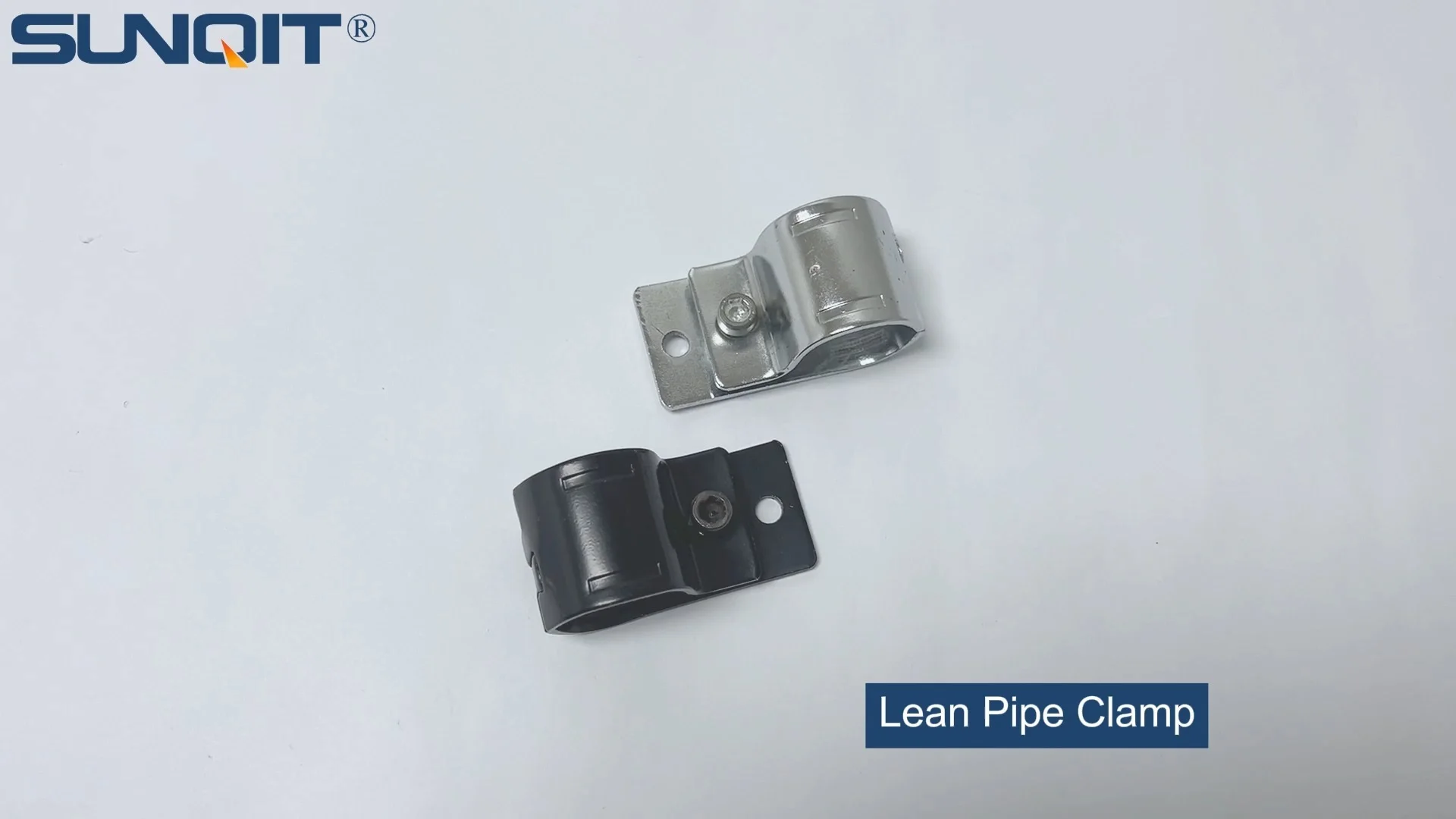
Lean Pipe Clamp
Lean pipe clamp is used for rack system hang monitor or other panel for workbenck, flowrack in production daily use.
Walk into any manufacturing facility or warehouse that runs on lean principles, and you'll notice a common sight: modular workbenches, material racks, and conveyors built from sleek pipes and connectors. These systems—often made with aluminum lean pipe, steel, or plastic-coated tubes—are the backbone of efficient, flexible production lines. But here's the thing: none of it works without the right clamps. Lean pipe clamps are the quiet heroes holding everything together, ensuring stability, safety, and adaptability. Choose the wrong size, and you're looking at wobbly workbenches, jamming conveyors, or even safety hazards that slow down production and risk employee well-being.
If you've ever struggled with a clamp that's too loose (causing pipes to shift) or too tight (cracking the pipe or stripping threads), you know how critical size selection is. In this guide, we'll break down everything you need to know to pick the perfect clamp size for your lean system. We'll cover pipe diameters, material thickness, application needs, and even common mistakes to avoid. By the end, you'll feel confident choosing clamps that keep your workbench steady, your conveyor rolling smoothly, and your lean system performing at its best.
What Are Lean Pipe Clamps, and Why Does Size Matter?
First, let's get clear on what a lean pipe clamp actually is. These small but mighty components are designed to connect two or more lean pipes (or pipes to other structures like workbench frames or conveyor rails). They come in various shapes—90-degree angles for corners, straight connectors for extending lengths, parallel clamps for side-by-side pipes—and materials, from plastic to aluminum to stainless steel. But regardless of shape or material, their core job is simple: create a secure, rigid joint that can handle the weight and stress of daily use.
Size isn't just about "fitting." A clamp that's slightly too big might seem functional at first, but over time, vibrations from machinery or repeated loading/unloading will cause the pipe to wiggle. This leads to premature wear on both the clamp and the pipe, not to mention unstable work surfaces that make tasks like assembly or inventory picking frustrating. On the flip side, a clamp that's too small can crack a plastic-coated pipe or deform an aluminum lean pipe, ruining expensive materials and requiring costly replacements.
In short: the right size clamp ensures a snug, lasting fit that maintains the integrity of your entire lean system. It's not just a part—it's an investment in reliability.
Key Factors to Consider When Selecting Clamp Size
Selecting a clamp size isn't a one-size-fits-all process. It depends on several factors, each of which plays a role in ensuring a secure connection. Let's break them down one by one.
1. Pipe Diameter: The Most Critical Measurement
The first (and most obvious) factor is the outer diameter (OD) of your lean pipe. Pipes come in standard sizes, but they're not all the same. For example, aluminum lean pipe might have a different OD than a PE-coated steel pipe, even if they're used for similar applications. Clamps are designed to match specific pipe diameters, so getting this measurement right is non-negotiable.
How do you measure OD accurately? Grab a caliper (digital or manual) and place it across the widest part of the pipe. Avoid using a ruler, as it can slip and give an approximate reading. For plastic-coated pipes, measure the total diameter (including the coating), not just the metal core—coating thickness can add 1-2mm, which makes a big difference in clamp fit.
Common pipe diameters in lean systems include 28mm (standard for many aluminum and PE-coated pipes), 30mm (stainless steel), and smaller sizes like 20mm for lightweight applications. We'll dive deeper into specific pipe types and their corresponding clamps later in this guide.
2. Pipe Material: Thickness and Flexibility Matter
Not all pipes are created equal, and neither are their clamps. A 28mm aluminum lean pipe has different properties than a 28mm stainless steel pipe, and that affects clamp size. Aluminum is lighter and more flexible than steel, so clamps for aluminum pipes often have a slightly tighter tolerance to prevent slipping. Steel, being stiffer, may require clamps with more robust threading or gripping surfaces to handle higher torque without damaging the pipe.
PE-coated pipes (common in lean systems for their corrosion resistance) add another layer of complexity. The plastic coating is softer than metal, so over-tightening a clamp can compress or crack the coating, leading to rust on the underlying steel. For these pipes, look for clamps with rounded edges or rubberized grips that distribute pressure evenly, avoiding sharp edges that dig into the coating.
3. Application: What's the Clamp Holding?
A clamp holding a lightweight workbench shelf will have different needs than one securing a heavy-duty conveyor roller track. Ask yourself: What's the load? A workbench used for small-part assembly might only need clamps rated for 50kg, while a material rack holding 300kg of tools will require heavy-duty clamps with thicker walls and stronger bolts.
Movement is another consideration. Clamps on a turnover trolley (which gets pushed around the facility) need to withstand vibration and jostling, so a tighter fit is better. Static systems like a fixed workbench might allow for slightly more tolerance, but still require a snug connection to prevent gradual loosening over time.
4. Compatibility with Lean Pipe Joints
Clamps rarely work alone—they're part of a system that includes lean pipe joints, elbows, and T-connectors. Some joints are designed to integrate with specific clamp sizes. For example, a 90-degree crossing lean pipe joint might require a clamp with a longer bolt to reach through both pipes and the joint. Always check that your clamp size matches the joint's specifications; mixing and matching can lead to weak points in the structure.

Understanding Pipe Sizes and Corresponding Clamp Sizes
To take the guesswork out of size selection, let's map common pipe types to their recommended clamp sizes. Below is a table breaking down pipe material, diameter, wall thickness, and the ideal clamp size for each. Note that these are general guidelines—always check the manufacturer's specs for your specific pipe and clamp brand.
| Pipe Type | Outer Diameter (OD) | Wall Thickness | Recommended Clamp Size | Common Applications |
|---|---|---|---|---|
| Aluminum Lean Pipe | 28mm | 1.5mm | 28mm (aluminum-specific) | Workbenches, lightweight material racks |
| PE-Coated Lean Pipe (Steel Core) | 28mm (including coating) | 1.2mm (steel core) + 0.8mm (coating) | 28mm (plastic-friendly, rounded grip) | Conveyors, turnover trolleys |
| Stainless Steel Pipe (1.5mm Wall) | 30mm | 1.5mm | 30mm (heavy-duty steel clamp) | Food-grade facilities, corrosive environments |
| Basic Aluminum Tube (Thin Wall) | 20mm | 1.0mm | 20mm (lightweight clamp) | Small shelving, cart handles |
| Aluminum Profile (T-Slot) | 40mm x 40mm (square) | 2.0mm | Profile-specific clamp (matches slot size) | Industrial workbenches, machine guards |
Let's unpack a few examples from the table. Take aluminum lean pipe, a popular choice for workbenches and light material racks. Its 28mm OD and 1.5mm wall thickness mean it needs a clamp that's precisely 28mm in diameter. Aluminum is soft enough that an oversized clamp (say, 30mm) would slip, while an undersized one (25mm) would crimp the pipe when tightened. For PE-coated pipes, the key is to account for the coating—even if the steel core is 26mm, the 2mm coating brings it to 28mm, so a 28mm clamp is a must.
Pro tip: If you're unsure about your pipe's diameter, contact your lean pipe supplier. Reputable suppliers (like those specializing in lean system components) can provide spec sheets with exact OD, wall thickness, and recommended clamp sizes. Don't guess—this is one area where precision pays off.

Step-by-Step: How to Measure Your Pipe for the Perfect Clamp
Even with the table above, measuring your pipe correctly is the first step. Here's a simple process to get it right:
Step 1: Gather Tools
You'll need a digital caliper (preferred for accuracy) or a pipe gauge. Avoid tape measures or rulers—they're prone to slipping and give approximate readings. A caliper measures OD down to 0.01mm, which is critical for tight-tolerance clamps.
Step 2: Clean the Pipe Surface
If the pipe is dirty, greasy, or has debris, wipe it down with a cloth. Dirt can add thickness, leading you to measure a larger diameter than the actual pipe.
Step 3: Measure at Multiple Points
Pipes aren't always perfectly round, especially if they've been bent or used in heavy applications. Measure the OD at three points (top, bottom, side) and take the average. For example, if your readings are 28.1mm, 27.9mm, and 28.0mm, the average is 28.0mm—so a 28mm clamp is ideal.
Step 4: Check for Coating or Layers
For PE-coated or painted pipes, measure the total diameter (coating included). If the pipe has a protective sleeve or tape, remove it first—you want the size of the pipe as it will be when clamped.
Step 5: Compare to Clamp Specs
Once you have your average OD, check the clamp manufacturer's specs. Most clamps list a "compatible pipe diameter" range (e.g., 27.5mm–28.5mm for a 28mm clamp). If your pipe falls within that range, you're good to go. If it's outside (e.g., 29mm for a 28mm clamp), size up.

Common Mistakes to Avoid When Choosing Clamp Size
Even seasoned facility managers make mistakes when selecting clamps. Here are the most frequent ones—and how to steer clear:
Mistake 1: Assuming "One Size Fits All" for the Same Pipe Material
Aluminum lean pipe comes in different wall thicknesses: 1.0mm, 1.5mm, and 2.0mm. A 28mm clamp that works for a 1.5mm wall pipe might be too loose for a 1.0mm pipe (since the thinner wall makes the pipe slightly more flexible, allowing it to compress in the clamp). Always check wall thickness alongside diameter.
Mistake 2: Overlooking Environmental Factors
In humid or corrosive environments (like food processing or chemical plants), stainless steel pipes are common. But stainless steel expands and contracts more with temperature changes than aluminum. A clamp that's a perfect fit at 20°C might become loose at 35°C. Opt for clamps with adjustable tension (e.g., with a setscrew) to compensate for thermal changes.
Mistake 3: Prioritizing Cost Over Quality
It's tempting to buy generic, off-brand clamps to save money. But cheap clamps often have inconsistent sizing—one 28mm clamp might fit, the next might be 27mm or 29mm. This leads to mismatched connections and instability. Invest in clamps from a reputable lean pipe supplier—they'll have stricter quality control and consistent sizing.
Mistake 4: Ignoring Load Capacity
A clamp's size isn't just about diameter—it's also about strength. A small 20mm clamp might fit a 20mm pipe, but if you're hanging a 100kg tool rack from it, it will bend or break. Always check the clamp's load rating (listed in kg or lbs) and ensure it exceeds your expected load by 20% (a safety buffer).
Case Study: Fixing a Wobbly Workbench with the Right Clamp Size
Let's put this all into practice with a real-world example. A electronics manufacturer reached out to us after their assembly workbenches started wobbling just six months after installation. The workbenches were built with 28mm PE-coated lean pipe, but employees complained that the shelves shifted when loading circuit boards, and the legs sometimes vibrated during use.
Our first step was to measure the pipes: the OD averaged 28.2mm (including coating). The clamps they'd used were labeled "28mm," but when we checked the manufacturer's specs, they were actually designed for uncoated steel pipes (OD 28mm, no coating). Since the PE coating added ~0.2mm, the clamps were slightly undersized—when tightened, they compressed the coating, causing it to crack and lose grip over time.
The solution? Switching to 28.5mm clamps with rounded, plastic-friendly grips. These clamps had a wider range (28.0mm–28.7mm), fitting the coated pipe perfectly without damaging the plastic. After replacing the clamps, the workbenches stabilized, and six months later, there were no more complaints. The takeaway: even a 0.2mm difference in pipe diameter (from coating) can make or break clamp performance.
Final Tips: Sourcing Clamps and Maintaining Your System
Once you've nailed the size, here are a few extra tips to keep your lean system in top shape:
- Buy from a specialized lean pipe supplier : Suppliers that focus on lean system components (like clamps, joints, and aluminum profile accessories) understand the nuances of sizing better than general hardware stores. They can also help you troubleshoot fit issues.
- Test before full installation : If you're building a large system (e.g., a 20-foot conveyor), test clamp fit on a small section first. Assemble a short pipe segment with clamps and joints, then shake it gently to check for movement. If it wobbles, adjust the clamp size before scaling up.
- Inspect clamps regularly : Over time, clamps can loosen due to vibration or temperature changes. Add "clamp checks" to your maintenance schedule—tighten any loose clamps and replace ones with cracked grips or stripped threads.
- Keep spares on hand : Clamps are small, but losing one can delay a project. Stock extra clamps in common sizes (28mm, 30mm) so you're never stuck waiting for a replacement.
Conclusion: Clamps Are the Foundation of a Strong Lean System
Lean pipe clamps might seem like small components, but they're the glue that holds your entire lean system together. Choosing the right size ensures stability, safety, and efficiency—saving you time, money, and headaches down the line. By measuring your pipe accurately, considering material and application, and avoiding common mistakes, you'll select clamps that keep your workbench steady, your conveyor moving, and your production line running smoothly.
Remember: a lean system is only as strong as its weakest link. Don't let that link be your clamps. Take the time to measure, compare, and test, and you'll build a system that adapts to your needs and stands the test of time.