- Company Articles
- Products and Technology
- Product knowledge
- How to select the Right Thickness for Aluminum Profile Rubber Strips

How to select the Right Thickness for Aluminum Profile Rubber Strips
Related Product
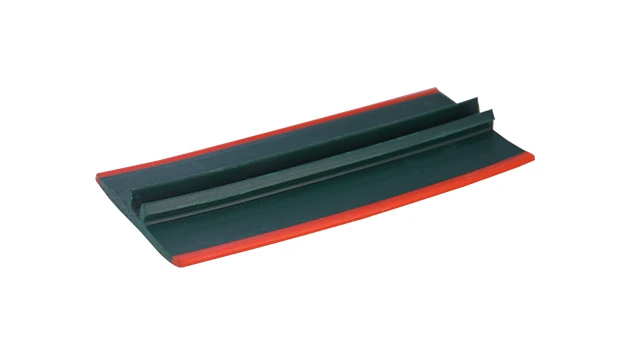
Aluminum Profile Rubber Strip
The tread strip fits into a T-slot channel and provides an anti-slip ribbed surface. It has a key pad that presses into a T-slot and is commonly used for adding traction on steps or as padding for doors. Tread strip can be ordered by rolls. The high quali
In the world of manufacturing, construction, and industrial design, aluminum profiles have become a staple for their versatility, strength, and lightweight properties. From workbenches in factories to window frames in buildings, these profiles form the backbone of countless structures. But what often goes unnoticed—yet plays a critical role in their performance—is the humble aluminum profile rubber strip. These small, flexible components are the unsung heroes that seal gaps, reduce noise, cushion impacts, and protect surfaces. However, choosing the wrong thickness for these strips can turn a well-designed project into a frustrating ordeal: gaps that won't seal, strips that tear under pressure, or profiles that fail to meet safety standards. So, how do you select the right thickness? Let's dive in.
Understanding Aluminum Profile Rubber Strips
First, let's clarify what we're talking about. Aluminum profile rubber strips are narrow, flexible bands made from materials like EPDM (ethylene propylene diene monomer), silicone, PVC (polyvinyl chloride), or neoprene. They're designed to fit into the grooves or T-slots of aluminum profiles—those distinctive channels that make aluminum extrusion profiles so adaptable. As essential aluminum profile accessories, they serve a range of functions:
- Sealing: Preventing dust, water, or debris from entering gaps between profiles or between profiles and other surfaces.
- Cushioning: Absorbing shocks and vibrations, which is crucial for workbenches, conveyor systems, or any structure where movement or impact is common.
- Insulation: Providing thermal or electrical insulation, especially in environments like laboratories or electronics manufacturing.
- Noise Reduction: Dampening sound from metal-on-metal contact, a must in busy factories or commercial spaces.
- Protection: Shielding the aluminum profile itself from scratches, corrosion, or wear, as well as protecting other materials (like glass or plastic) that come into contact with the profile.
One common type you might encounter is the T-slot rubber seal cover, a specialized strip designed to fit snugly into the T-slots of aluminum profiles. These covers not only seal the slot but also create a smooth, finished look—important for both aesthetics and safety, as exposed T-slots can catch on clothing or tools.
Why Thickness Isn't Just a Number
At first glance, thickness might seem like a simple measurement: 1mm, 3mm, 5mm—what's the big deal? But in reality, thickness directly impacts how well the rubber strip performs its job. A strip that's too thin might not compress enough to seal a gap, leaving it vulnerable to leaks or debris. One that's too thick could be impossible to install without stretching (which weakens the material) or might bulge out of the groove, creating an unsightly or even hazardous protrusion. In extreme cases, incorrect thickness can compromise the structural integrity of the entire aluminum framework—for example, if a strip meant to cushion a heavy load is too thin and tears, leading to instability.
To avoid these issues, we need to break down the key factors that influence thickness selection. Let's explore each one in detail.

Key Factors to Consider When Choosing Thickness
1. The Primary Function of the Strip
The first question to ask is: What is this rubber strip for ? Its purpose will dictate the minimum and maximum thickness you should consider.
Sealing Applications: If the strip is meant to seal a gap (e.g., around a window frame or a dust-proof enclosure), thickness is determined by the size of the gap and the material's compressibility. For small gaps (1-2mm), a thin strip (1-2mm) made of soft EPDM or silicone might work, as it can compress to fill the space. For larger gaps (3-5mm), you'll need a thicker strip (3-5mm) that can compress without bottoming out (i.e., reaching its maximum compression and losing sealing ability). For example, in a food processing facility, where dust and moisture control is critical, a 4mm silicone strip might be used to seal gaps between aluminum profile workbenches and walls.
Cushioning or Impact Absorption: In settings like manufacturing workbenches or material handling racks, where tools or parts are frequently placed or dropped, the strip needs to absorb impact. Thicker strips (5-8mm) are better here, as they have more material to compress and dissipate force. A 6mm EPDM strip on a workbench edge, for instance, can reduce the shock of a metal tool hitting the surface, protecting both the tool and the bench.
Decorative or Aesthetic Use: Sometimes, rubber strips are used purely for looks—hiding unsightly grooves or adding a color accent. In these cases, thickness is less about function and more about fit. A thin strip (1-2mm) of PVC might be ideal, as it lies flat and doesn't draw attention away from the aluminum profile itself.
2. The Aluminum Profile's Groove Dimensions
Aluminum profiles come with standardized grooves (often called "T-slots") that are designed to hold accessories like brackets, panels, and yes—rubber strips. These grooves have specific dimensions: width (the opening at the top) and depth (how far the groove goes into the profile). To ensure a secure fit, the rubber strip's thickness must align with these measurements.
For example, a common T-slot size in aluminum extrusion profiles is 8mm wide and 10mm deep. A rubber strip intended for this slot should have a thickness (when uncompressed) that's slightly less than the groove's depth—say, 8-9mm. This allows the strip to sit comfortably in the groove without protruding excessively. If you choose a 12mm strip for this slot, it will bulge out, making installation difficult and risking damage when the profile is handled. Conversely, a 5mm strip would rattle around in the 10mm deep groove, failing to seal or cushion effectively.
Pro tip: Always measure the groove before buying strips. Use a caliper to get precise width and depth measurements—don't rely on the profile's "standard" size, as manufacturing tolerances can vary slightly.
3. Environmental Conditions
The environment where the aluminum profile will be used has a huge impact on rubber strip thickness. Extreme temperatures, moisture, chemicals, and UV exposure can all affect how the rubber performs over time—and thickness plays a role in durability.
Temperature Extremes: In high-heat environments (e.g., near industrial ovens or in outdoor summer conditions), rubber can soften and lose structural integrity. A thicker strip (4-6mm) made of heat-resistant silicone (which can withstand up to 200°C) is better here, as it has more material to maintain shape. In cold environments (e.g., freezers or outdoor winter settings), rubber can become brittle. Thinner, more flexible strips (2-3mm) made of EPDM (which stays flexible in sub-zero temperatures) are preferable, as they're less likely to crack when bent.
Moisture or Chemical Exposure: In wet areas (e.g., car washes, kitchens) or places with harsh chemicals (e.g., laboratories, factories using solvents), the rubber strip must resist degradation. Thicker strips (5-7mm) of chemical-resistant materials like neoprene or Viton can last longer, as they have more material to wear away before failing. For example, a 5mm neoprene strip in a chemical processing plant's aluminum profile racks will outlast a 2mm strip, even with regular exposure to cleaning agents.
4. Material Compatibility
Rubber strips aren't all the same, and neither are aluminum profiles. Some profiles have coatings (e.g., anodized, powder-coated) to resist corrosion or improve aesthetics. The rubber strip's material and thickness must work with these coatings to avoid chemical reactions or physical damage.
For instance, PVC rubber strips can sometimes react with certain powder coatings, causing discoloration or adhesion issues. In such cases, a thicker EPDM strip (3-4mm) might be a better choice, as EPDM is inert and less likely to interact with coatings. Similarly, if the aluminum profile is anodized (a process that creates a hard, protective oxide layer), a softer, thinner strip (2-3mm) is gentler on the finish than a thick, rigid one that could scratch the surface during installation.
5. Industry Standards and Regulations
Certain industries have strict standards for materials and components, including rubber strips. For example:
- Medical Devices: Strips used in aluminum profile enclosures for medical equipment must be non-toxic, latex-free, and resistant to sterilization methods (e.g., autoclaving). Silicone strips of 3-5mm thickness are common here, as silicone meets these standards and can withstand high-temperature sterilization.
- Automotive Manufacturing: Strips in car assembly lines must resist oil, grease, and mechanical stress. A 4mm EPDM strip is often used, as EPDM is durable and compatible with automotive fluids.
- Food Processing: The FDA requires strips in food contact areas to be made of food-grade materials (e.g., silicone) and have a smooth surface to prevent bacterial growth. Thickness here is often 2-4mm, as thinner strips are easier to clean and less likely to trap debris.

Common Thickness Options and Their Typical Uses
To make it easier to visualize, let's break down common rubber strip thicknesses, the materials they're typically made of, and their best applications. This table will help you match thickness to your project's needs:
| Thickness (mm) | Common Materials | Best For | Example Applications |
|---|---|---|---|
| 1-2mm | PVC, Soft EPDM | Decorative trim, small gap sealing, lightweight cushioning | Window frame accents, T-slot rubber seal covers for aesthetic purposes, laptop stand edges |
| 3-4mm | EPDM, Silicone | General sealing, moderate impact absorption, standard environmental conditions | Office partition gaps, aluminum profile workbench edges (light use), dust-proof enclosures |
| 5-6mm | EPDM, Neoprene | Heavy-duty sealing, high-impact cushioning, wet/chemical environments | Industrial conveyor belt guides, manufacturing workbenches (heavy tool use), food processing facility walls |
| 7-8mm | Silicone, Thick EPDM | Extreme impact absorption, large gap sealing, high-temperature settings | Material handling racks (for dropping heavy parts), oven door seals, outdoor equipment enclosures |
Step-by-Step Guide to Selecting Thickness
Now that we've covered the factors, let's walk through a practical process to choose the right thickness for your project. Follow these steps to ensure you get it right the first time:
Step 1: Define the Strip's Purpose
Start by asking: What will this strip do? Is it sealing a gap, cushioning impacts, or just looking good? Write down the primary function—this will narrow down your thickness range. For example, if it's sealing a 3mm gap in a dry, indoor setting, you'll likely be looking at 3-4mm strips.
Step 2: Measure the Aluminum Profile's Groove
Grab a caliper or ruler and measure the groove's width and depth. Let's say the groove is 6mm wide and 8mm deep. A strip that's 5-6mm thick will fit comfortably—thick enough to stay in place but not so thick that it bulges out. If you're unsure about the profile's specifications, check the manufacturer's datasheet (most aluminum profile suppliers provide detailed measurements online).
Step 3: Assess the Environment
Where will the aluminum profile be installed? Is it indoors or outdoors? Will it be exposed to heat, cold, moisture, or chemicals? For a garage workbench (moderate temperatures, occasional moisture), a 4mm EPDM strip is a safe bet. For an outdoor kiosk in a hot climate, a 5mm silicone strip (heat-resistant) would be better.
Step 4: Check Material Compatibility
If your aluminum profile has a special coating (e.g., powder coat, anodized), research which rubber materials are compatible. Most suppliers list compatibility charts on their websites. For example, if the profile is anodized, avoid rigid PVC strips that might scratch the surface—opt for a softer, 3mm EPDM strip instead.
Step 5: Consult Industry Standards (If Applicable)
If your project is in a regulated industry (medical, food processing, automotive), check for specific standards. For example, the FDA requires food-grade silicone strips, so even if a 2mm strip fits, you might need to use 3mm silicone to meet compliance.
Step 6: Test with Samples
Whenever possible, order samples of 2-3 thicknesses and test them in your actual aluminum profile. Install the strip, simulate its intended use (e.g., compress it for sealing, drop a tool on it for cushioning), and see how it performs. This step can save you from costly mistakes—better to waste a few dollars on samples than hundreds on the wrong strips.
Mistakes to Avoid
Even with careful planning, it's easy to make missteps when selecting rubber strip thickness. Here are the most common mistakes and how to avoid them:
Mistake 1: Choosing Thickness Based on Cost Alone
Thinner strips are often cheaper, but they might not last. For example, a 1mm PVC strip for a high-traffic workbench edge might save you $5 upfront, but it will tear within months, requiring replacement. Investing in a 5mm EPDM strip might cost more initially, but it will last years—saving you time and money in the long run.
Mistake 2: Ignoring Groove Depth
A strip that's thicker than the groove depth will bulge out, creating a tripping hazard or an eyesore. Always measure the groove depth and ensure the strip's uncompressed thickness is 1-2mm less than the depth to allow for a snug fit.
Mistake 3: Overlooking Temperature Extremes
Using a thin, PVC strip in a high-temperature environment (e.g., near a furnace) is a recipe for failure. PVC softens at around 80°C, so a 2mm strip will melt or deform quickly. Always match the material and thickness to the temperature range of your project.
Mistake 4: Assuming "One Size Fits All"
Just because a 3mm EPDM strip worked for your last project doesn't mean it will work for this one. Each project has unique needs—gap size, environment, function—so always reassess rather than reusing the same thickness.
Conclusion
Selecting the right thickness for aluminum profile rubber strips might seem like a small detail, but it's a detail that can make or break your project. By considering the strip's function, the aluminum profile's groove dimensions, the environment, material compatibility, and industry standards, you can choose a thickness that ensures optimal performance, durability, and safety. Remember: the goal isn't just to fill a groove—it's to enhance the aluminum profile's functionality, protect your investment, and create a finished product that works for you, not against you.
So, the next time you're planning a project with aluminum profiles, take a moment to think about those rubber strips. Measure twice, test samples, and choose wisely. Your future self (and your project) will thank you.