- Company Articles
- Products and Technology
- Installation And Maintenance
- How to Troubleshoot 40 Aluminum Roller Track White Jamming Issues

How to Troubleshoot 40 Aluminum Roller Track White Jamming Issues
Related Product
40 Aluminum Roller Track White
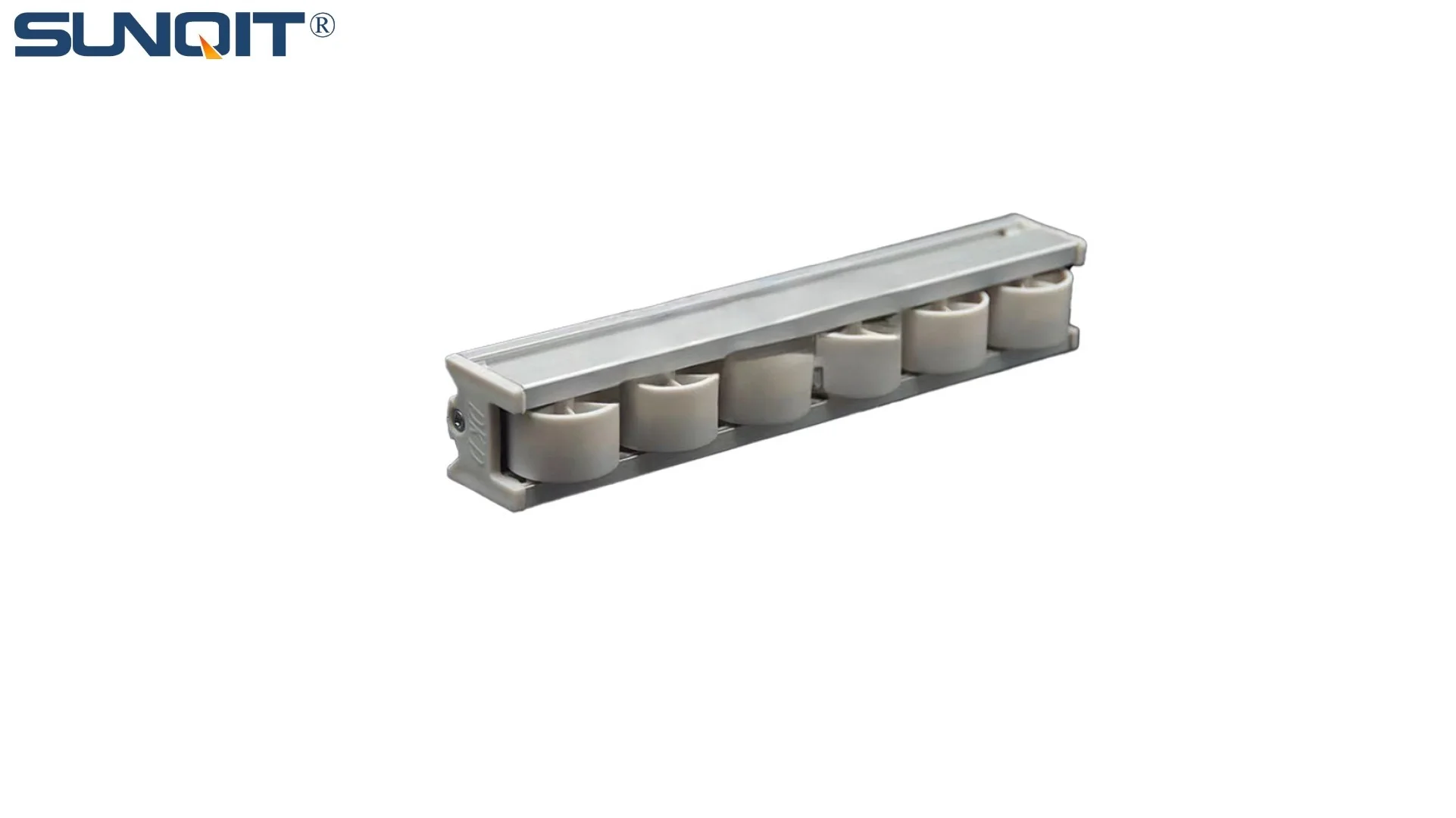
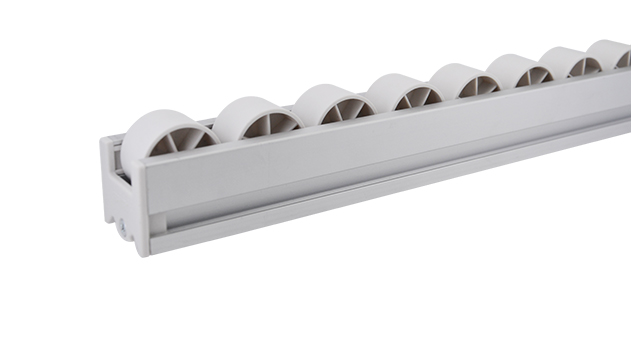
Durable and smooth-running modular roller rails. The system is fully assembled. The roller rail profile contains plastic rollers mounted on steel axles. Aluminum frame with plastic wheel make it anti corrosion,and material convey more smooth.
It's a typical Tuesday morning on your production floor. The line is humming, workers are focused, and parts are flowing smoothly—until suddenly, a grinding noise cuts through the rhythm. You glance over to see the 40 aluminum roller track white, which has been the backbone of your material handling system, has come to a jarring stop. Parts are piling up at the entrance, a few have even fallen off, and your team is already glancing at the clock, knowing downtime means delays. If this scenario hits close to home, you're not alone. Roller tracks are the unsung heroes of lean systems, but even the most reliable ones—like the 40 aluminum roller track white—can jam. The good news? Most jamming issues are fixable with a little know-how, some basic tools, and a systematic approach. Let's dive into how to diagnose, fix, and prevent these frustrating interruptions.
Why the 40 Aluminum Roller Track White Matters in Your Lean System
Before we jump into troubleshooting, let's take a second to appreciate why this specific track is so crucial. The 40 aluminum roller track white is a staple in modern manufacturing and assembly lines, thanks to its lightweight yet durable aluminum profile construction. Unlike heavier steel alternatives, aluminum resists corrosion, making it ideal for environments where moisture or chemicals might be present. The "40" refers to its width (40mm), a size that strikes the perfect balance between handling medium-sized parts (think small electronics components, automotive parts, or packaging materials) without taking up excessive floor space. The white rollers—often made of high-density plastic—are designed to minimize friction, ensuring smooth, quiet movement. When integrated with aluminum profile frames, workbenches, or turnover trolleys, this track becomes the circulatory system of your lean system, keeping materials moving from station to station with minimal waste. So when it jams, it's not just a minor hiccup; it's a disruption to the entire flow of your operation.
Common Causes of Jamming: What's Stopping Your Track?
Jamming rarely happens without reason. More often than not, it's the result of a small issue that's been ignored until it snowballs into a bigger problem. Let's break down the most likely culprits, along with the signs to watch for and step-by-step fixes.
1. Debris Buildup: The Silent Saboteur
Imagine a tiny screw, a flake of plastic from a damaged part, or even a dust bunny that's been collecting for weeks. These might seem harmless, but when they get trapped between the rollers of your 40 aluminum roller track white, they become instant roadblocks. Over time, debris can accumulate in the gaps between rollers, around the roller track placon mount for aluminum profile flat (the brackets that secure the track to your aluminum frame), or even inside the roller bearings themselves. Signs of debris buildup include intermittent jamming (it works for a few minutes, then stops), unusual clicking or grinding noises, or parts that "jump" as they move along the track. If you notice parts leaving behind small scratches or scuffs, debris might be the culprit—those marks are often from particles being dragged along with the parts.
How to Fix It: Start with a thorough cleaning. First, power down any machinery connected to the track to avoid accidental movement. Then, use a stiff-bristled brush (a toothbrush works great for tight spots) to dislodge visible debris between the rollers. For hard-to-reach areas—like the space between the track and the aluminum profile—use compressed air (set to low pressure to avoid scattering debris) to blow out dust and small particles. Pay extra attention to the ends of the track and the areas around the roller track placon mount brackets, as these are common debris traps. If the rollers themselves feel sticky, wipe them down with a lint-free cloth dampened with isopropyl alcohol to remove grease or residue. Once clean, manually roll a test part along the track to see if the movement is smooth again.
2. Misalignment: When Your Track Isn't Quite Straight
Aluminum profiles are known for their rigidity, but even the sturdiest frames can shift over time. If your 40 aluminum roller track white isn't perfectly aligned—either horizontally (level) or vertically (straight along its length)—parts will struggle to move freely. Misalignment often happens gradually, especially in high-traffic areas where the track is mounted to a workbench or a turnover trolley that gets bumped or moved frequently. Signs of misalignment include parts veering to one side of the track (leaving one edge of the rollers more worn than the other), parts getting stuck at specific points (like a "speed bump" in the track), or the track itself appearing to sag in the middle. You might also notice that the roller track placon mount for aluminum profile high (used to elevate the track) is bent or that the screws securing the track to the aluminum profile are loose.
How to Fix It: Grab a spirit level and a tape measure—these are your best friends for alignment checks. First, check if the track is level horizontally. Place the spirit level along the top of the track at three points: the start, middle, and end. If the bubble is off-center at any point, you'll need to adjust the mounting brackets. Most 40 aluminum roller track white systems use adjustable roller track placon mount for aluminum profile flat brackets, which can be loosened with a hex key or screwdriver to raise or lower one side. Next, check vertical alignment by stringing a piece of fishing line from one end of the track to the other (make sure it's tight and level). If the track curves away from the line at any point, it's sagging or bowed. For minor sagging, adding a center support bracket (like the roller track placon mount center support bracket) midway along the track can provide extra stability. For more severe cases, you may need to replace bent aluminum profile sections or reinforce the frame with additional aluminum guide rails.
3. Worn or Damaged Rollers: The Heart of the Problem
The rollers are the workhorses of your track—they're what actually make movement possible. Over time, even high-quality white plastic rollers can wear out. Common issues include cracked roller wheels (from impact or overloading), seized bearings (due to lack of lubrication), or flattened spots (from parts sitting on the same roller for too long). You'll know rollers are the issue if you spin them by hand and they don't rotate freely, or if you notice visible damage like cracks, chips, or discoloration. In some cases, a single worn roller can cause the entire track to jam, as it creates a "speed bump" that parts can't easily pass over.
How to Fix It: Start by inspecting each roller individually. Spin them with your finger—they should rotate smoothly and quietly. If a roller is stuck or makes a grinding noise, it's time to replace it. Luckily, most 40 aluminum roller track white systems use modular rollers, meaning you don't have to replace the entire track—just the faulty roller. To remove a roller, look for the retaining clips or pins that hold it in place (these are often located at the ends of the roller axle). Use needle-nose pliers to gently remove the clips, then slide the roller off the axle. When buying replacements, make sure to get the exact match—look for "40 steel roller track white wheel" or "38 aluminum roller track white" (depending on your specific model) from a reputable lean pipe supplier. Avoid generic rollers, as they might not fit properly or have the same load capacity. Once the new roller is in place, test it by spinning it again—you should feel almost no resistance. Pro tip: While you're at it, lubricate all rollers with a drop of lightweight machine oil (avoid heavy grease, which attracts dust) to extend their lifespan.
4. Loose or Damaged Connectors: When the Track Starts to "Wobble"
Your 40 aluminum roller track white doesn't exist in a vacuum—it's held together by a network of connectors, brackets, and mounts. Over time, vibration from constant use can loosen screws, bolts, or roller track placon mount connectors, causing sections of the track to shift or wobble. This is especially common at joints where two track sections meet, or where the track is attached to an aluminum profile or workbench. Signs of loose connectors include a "wobbly" track that moves when you push on it, gaps between track sections (where parts can get caught), or brackets that are visibly bent or hanging off. In severe cases, the track might even separate from the frame entirely.
How to Fix It: Grab a screwdriver, hex key, or wrench (depending on the type of fasteners used) and do a full inspection of all connectors. Start at one end of the track and work your way to the other, checking every roller track placon mount for aluminum profile high, flat, or center support bracket. Tighten any loose screws or bolts—be careful not to overtighten, as this can strip the threads in the aluminum profile. If a bracket is bent or cracked, replace it immediately—even a slightly bent bracket can throw off alignment. Pay special attention to the roller track placon mount for rail connection, which links two track sections together. If there's a gap here, parts can get stuck or even jam between the tracks. Most rail connections use a tongue-and-groove design—ensure they're fully seated, then tighten the securing screws. For extra security, apply a small amount of thread locker (like Loctite) to screws that tend to loosen repeatedly, but avoid getting it on the rollers or track surface.
5. Overloading: When "Just a Little Extra" Breaks the Camel's Back
We've all been there: you need to move a batch of parts, and there's just enough space on the track to squeeze in one more. But here's the thing: every 40 aluminum roller track white has a maximum load capacity (usually listed by the manufacturer, often around 50-100kg per meter). Exceeding that capacity puts stress on the rollers, axles, and aluminum profile, leading to bent frames, cracked rollers, or even track collapse. Signs of overloading include sagging in the middle of the track, rollers that bend under weight, or parts that move extremely slowly (if at all). If you notice the track is starting to "bow" downward when loaded, that's a red flag—you're pushing it beyond its limits.
How to Fix It: First, check the manufacturer's specs for your track's load capacity. If you don't have the manual, a quick call to your lean pipe supplier should get you the details. Then, weigh a typical load (use a portable scale if needed) to see if you're over the limit. If you are, redistribute the parts—run smaller batches more frequently instead of overloading the track. If you consistently need to move heavier loads, consider upgrading to a sturdier model, like a 60 steel roller track, or adding support brackets (like the heavy-duty split foot seat) to reinforce the aluminum profile. You can also reduce stress by ensuring parts are centered on the track—off-center loading puts extra strain on one side, leading to uneven wear and potential jamming.
The Troubleshooting Checklist: A Step-by-Step Guide
When your track jams, it's easy to panic and start trying random fixes. Instead, follow this systematic checklist to diagnose the problem quickly:
| Step | Action | What to Look For |
|---|---|---|
| 1 | Power Down and Secure the Area | Turn off any motors or conveyors connected to the track. Place a "Do Not Operate" sign to prevent accidental startup. |
| 2 | Visual Inspection | Check for obvious debris, bent rollers, loose brackets, or gaps between track sections. |
| 3 | Manual Test | Push a test part along the track by hand. Note where it gets stuck—this is your "problem zone." |
| 4 | Check Alignment | Use a spirit level to ensure the track is level horizontally. String a line to check for vertical bowing. |
| 5 | Inspect Rollers | Spin each roller; replace any that are stuck, cracked, or worn. |
| 6 | Tighten Connectors | Go through all brackets and screws, tightening any that are loose. |
| 7 | Clean Thoroughly | Remove debris with a brush and compressed air; wipe rollers with alcohol. |
| 8 | Test Again | Run a few test parts through the track to ensure smooth movement. |

Preventing Future Jams: Maintenance Tips for Long-Term Reliability
Fixing a jam is great, but preventing one in the first place is even better. With a little proactive maintenance, you can keep your 40 aluminum roller track white running smoothly for years. Here's what to add to your schedule:
Daily Quick Checks
Have your team spend 2-3 minutes at the start of each shift inspecting the track. They should look for debris, loose parts, or obvious damage. A quick wipe down of the rollers with a dry cloth can also help prevent dust buildup. If they notice anything off, address it immediately—don't wait for it to turn into a full jam.
Weekly Deep Clean
Once a week, do a more thorough cleaning. Use compressed air to blow out debris from hard-to-reach areas, and lubricate the rollers with a drop of oil. Check the tension of all connectors and tighten any that are loose. This is also a good time to verify alignment with a spirit level—small shifts can happen over days, so catching them early prevents bigger issues.
Monthly Load Testing
Every month, test the track with a load that's 80% of its maximum capacity (this ensures you're not pushing it to the edge regularly). If parts move slowly or the track sags, consider redistributing loads or adding supports. Also, inspect the aluminum profile for signs of bending or fatigue—look for hairline cracks or dents, especially around brackets.
Train Your Team
Your frontline workers are the first to notice when something's wrong with the track. Train them to recognize the signs of jamming (unusual noises, slow movement, parts veering off) and empower them to hit pause and report issues. A quick text or radio call to maintenance can save hours of downtime later.
Stock Spare Parts
Keep a small inventory of replacement parts on hand: extra rollers, roller track placon mount brackets, retaining clips, and lubricant. This way, when a roller fails, you don't have to wait for a shipment from your lean pipe supplier—you can fix it on the spot. Label the parts clearly so anyone on the team can grab what they need.

When to Call in the Pros: Knowing Your Limits
Most jamming issues are DIY-friendly, but there are times when you should call a professional. If you've tried cleaning, aligning, and replacing rollers, but the track still jams, it might be a sign of a deeper problem—like a bent aluminum profile, a damaged frame, or a misalignment in the entire workbench or conveyor system. Similarly, if you notice the aluminum profile is cracked or the track is separating from the frame, stop using it immediately—this could be a safety hazard. A reputable lean pipe supplier or maintenance technician can assess the damage, recommend repairs or replacements, and ensure the track is up to code.
Final Thoughts: Keep the Flow Going
The 40 aluminum roller track white might not be the most glamorous part of your operation, but it's one of the most critical. When it's working, it's invisible—just a smooth, silent current moving parts where they need to go. When it jams, it's impossible to ignore. But with the steps we've covered—identifying debris, fixing misalignment, replacing worn rollers, tightening connectors, and staying on top of maintenance—you can keep those jams to a minimum. Remember, the key to a reliable track is attention to detail. A few minutes of daily checks, a weekly cleaning, and a stocked supply of spare parts can save you hours of downtime and frustration. So the next time your track starts to act up, take a deep breath, grab your toolbox, and tackle it systematically. Your lean system (and your team) will thank you.